
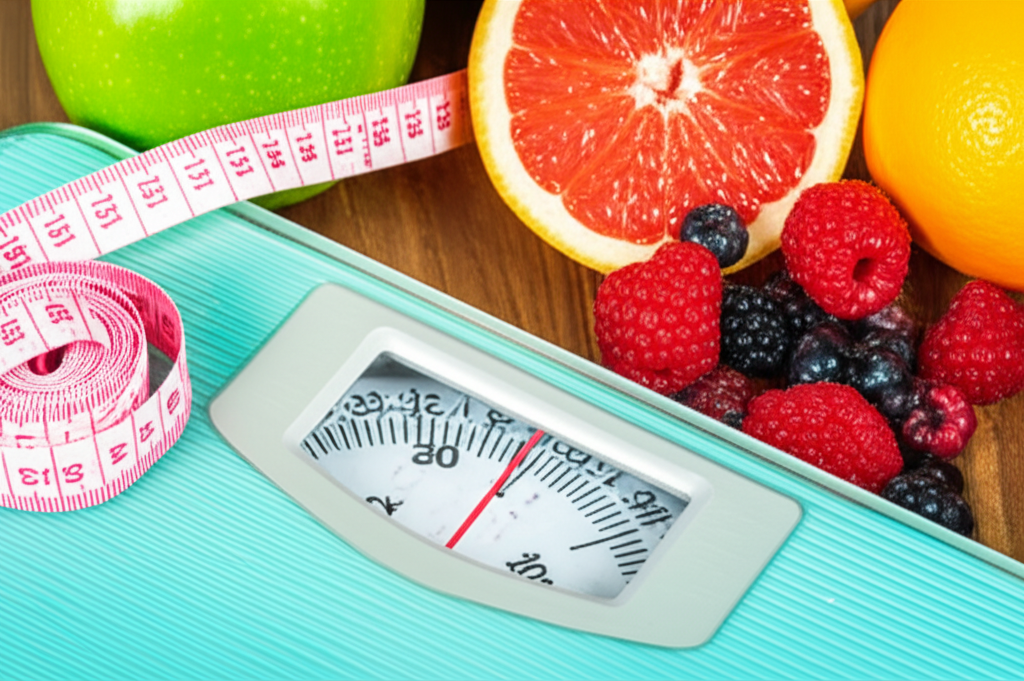
Yes, it’s possible to lose 3 kg in a week, but it requires a significant and rapid calorie deficit, often involving water weight loss. Sustainable, healthy weight loss is typically slower. This guide offers a realistic, science-backed approach to rapid weight loss while prioritizing your health and well-being.
Can I Lose 3 Kg In A Week? Your Essential Beginner’s Guide
Thinking about losing 3 kilograms (about 6.6 pounds) in just one week? It’s a common goal, especially when you’re looking for quick results. Maybe you have a special event coming up, or you’re just feeling motivated to kickstart a healthier lifestyle. It’s completely normal to wonder if such a rapid change is achievable. Many beginners find the world of weight loss confusing, filled with conflicting advice. But don’t worry! As your guide, I’m here to break it down in simple terms. We’ll explore what it takes to lose weight quickly, discuss if it’s healthy, and give you practical, easy-to-follow steps. Ready to understand the science behind rapid weight loss and learn how to approach it safely? Let’s dive in!
Understanding Weight Loss: The Basics
Before we talk about losing 3 kg in a week, let’s quickly cover how weight loss works. Your body needs energy, measured in calories, to function. You get this energy from the food and drinks you consume. When you use more energy than you take in, your body taps into stored fat for fuel. This difference between calories consumed and calories burned is called a calorie deficit. To lose weight, you need to create a calorie deficit.
For example, to lose about 1 pound (0.45 kg) of fat, you generally need a deficit of around 3,500 calories. So, to lose 3 kg (which is about 6.6 pounds) of fat, you would theoretically need a deficit of roughly 23,100 calories in a week. That’s a massive deficit of over 3,000 calories per day!
This is where it gets tricky when aiming for rapid weight loss. A deficit that large is extremely difficult to achieve through diet and exercise alone without risking your health. Much of the weight lost very quickly is often water, not just fat.
Can You Really Lose 3 Kg In A Week? The Reality

The short answer is: yes, it’s possible, but it’s usually not sustainable or entirely fat loss. Here’s what’s typically happening:
- Water Weight: Our bodies store carbohydrates (glycogen) in our muscles and liver. Each gram of glycogen is stored with about 3-4 grams of water. When you drastically cut carbs and calories, your body uses up these glycogen stores, releasing the stored water. This can lead to a significant drop on the scale in the first few days.
- Reduced Food Volume: When you eat less, there’s simply less material in your digestive system, which also contributes to a lower scale number.
- Muscle vs. Fat: True fat loss is slower. While you might see the scale drop by 3 kg, a good portion of that will be water and reduced food mass, not pure fat.
Losing a large amount of weight in a short time can be motivating, but it’s crucial to understand the difference between rapid weight loss and healthy, sustainable fat loss. My goal as your coach is to help you achieve results that last, without compromising your health.
Creating a Calorie Deficit Safely for Rapid Weight Loss
If you’re determined to aim for a significant weight loss in a week, the key is to create a large calorie deficit. This involves a combination of dietary changes and increased physical activity. However, it’s vital to do this in a way that minimizes harm.
Important Note: Before making any drastic changes to your diet or exercise routine, it’s always a good idea to chat with your doctor, especially if you have any underlying health conditions. They can offer personalized advice.
Step 1: Adjust Your Diet for a Significant Calorie Reduction
Diet plays the biggest role in creating a calorie deficit. To lose 3 kg, you’ll need to aim for a substantial calorie reduction. This often means dropping your daily intake significantly. A safe minimum for most adults is around 1200 calories per day, but this can vary based on your individual factors. It’s crucial not to go too low, as this can slow your metabolism, lead to nutrient deficiencies, and make you feel unwell.
Focus on Nutrient-Dense, Low-Calorie Foods:
- Lean Proteins: Chicken breast, turkey, fish, eggs, tofu, beans, and lentils. Protein helps you feel full and preserves muscle mass.
- Non-Starchy Vegetables: Broccoli, spinach, kale, cauliflower, bell peppers, cucumbers, zucchini, and lettuce. These are low in calories and packed with vitamins and fiber.
- Fruits (in moderation): Berries, apples, oranges. They provide vitamins and fiber but contain natural sugars.
- Healthy Fats (small portions): Avocado, nuts, seeds, olive oil. These are calorie-dense but essential for health.
What to Strictly Limit or Avoid:
- Sugary Drinks: Soda, juice, sweetened teas, and coffee drinks. These offer empty calories.
- Processed Foods: Packaged snacks, fast food, pastries, cookies, and candies. They are often high in calories, unhealthy fats, and sugar.
- Refined Grains: White bread, white pasta, white rice. Opt for whole grains in moderation if needed, but for rapid loss, reducing them is key.
- Excessive Fats and Oils: Fried foods, creamy sauces, large amounts of butter or oil.
Example of a Very Low-Calorie Day (Illustrative – Consult a Professional):
This is a sample to show the principle of calorie reduction. Individual needs vary greatly.
| Meal | Example Food Options | Approximate Calories |
|---|---|---|
| Breakfast | Scrambled eggs (2) with spinach and mushrooms OR Greek yogurt (plain, low-fat) with a few berries | 150-200 |
| Lunch | Large salad with grilled chicken breast (lean), mixed greens, cucumber, tomatoes, and a light vinaigrette OR Lentil soup (broth-based) | 300-400 |
| Dinner | Baked salmon or cod with steamed broccoli and asparagus OR Tofu stir-fry with mixed vegetables (light soy sauce/tamari) | 350-450 |
| Snack (Optional) | A small handful of almonds OR a few cucumber slices | 100-150 |
| Total Approximate Calories | 900 – 1200 |
Notice how this sample day is very low in carbohydrates and focuses on lean protein and vegetables. This approach helps maximize satiety while minimizing calorie intake.
Step 2: Increase Your Physical Activity
To help create that significant calorie deficit, exercise is your best friend. Combining cardio and strength training can be highly effective.
Cardiovascular Exercise (Cardio):
- What to do: Aim for at least 30-60 minutes of moderate-intensity cardio most days of the week. This could include brisk walking, jogging, cycling, swimming, or using an elliptical machine.
- Why it helps: Cardio burns a significant number of calories during the workout, directly contributing to your deficit.
High-Intensity Interval Training (HIIT):
- What to do: HIIT involves short bursts of very intense exercise followed by brief recovery periods. For example, 30 seconds of sprinting followed by 60 seconds of walking, repeated several times.
- Why it helps: HIIT is very effective at burning calories in a shorter amount of time and can also boost your metabolism for hours after your workout (the “afterburn effect”).
- Resource: The American Heart Association provides excellent recommendations for physical activity.
Strength Training:
- What to do: While cardio burns more calories during the workout, strength training builds muscle. Muscle tissue burns more calories at rest than fat tissue. Aim for 2-3 sessions per week, focusing on major muscle groups.
- Why it helps: While you won’t see significant muscle growth in a week, preserving muscle mass is crucial. Losing weight too quickly without enough protein and strength training can lead to muscle loss, which is counterproductive for long-term metabolism.
Step 3: Hydration is Key
Drinking enough water is vital for many bodily functions, including metabolism and appetite control. It also helps your body flush out waste products.
- How much: Aim for at least 2-3 liters (about 8-12 cups) of water per day.
- When: Drink water throughout the day, especially before meals. This can help you feel fuller and potentially eat less.
- What to drink: Plain water is best. Unsweetened herbal teas are also good options.
- Avoid: Sugary drinks, as mentioned before.
Step 4: Prioritize Sleep
Getting enough quality sleep is often overlooked but is incredibly important for weight management. When you’re sleep-deprived, your body can produce more of the hormone ghrelin (which stimulates appetite) and less of the hormone leptin (which signals fullness).
- Aim for: 7-9 hours of quality sleep per night.
- Tips for better sleep: Stick to a regular sleep schedule, create a relaxing bedtime routine, and make sure your bedroom is dark and quiet.
The Role of Water Weight
As mentioned earlier, a significant portion of any rapid weight loss in the first few days is likely to be water. This happens because:
- Reduced Carbohydrate Intake: Carbs are stored in your muscles and liver as glycogen, and each gram of glycogen holds onto several grams of water. Cutting carbs depletes these stores, releasing water.
- Lower Sodium Intake: High sodium intake can cause your body to retain water. Reducing processed foods, which are often high in sodium, can lead to a rapid decrease in water retention.
- Increased Sweating: If you increase your exercise intensity or duration, you will lose more water through sweat.
While losing water weight can be encouraging on the scale, it’s not fat loss. It’s important not to get discouraged if the scale fluctuates significantly once you start eating more normally or reintroduce some carbohydrates.
Is Losing 3 Kg In A Week Healthy?
Losing 3 kg in a week is on the very aggressive end of the weight loss spectrum. While it might be achievable for some, it’s generally not considered healthy or sustainable for most people. Here’s why:
- Risk of Muscle Loss: Such a rapid deficit can lead your body to break down muscle tissue for energy, especially if protein intake is insufficient or exercise isn’t targeted correctly.
- Nutrient Deficiencies: Severely restricting calories makes it harder to get all the essential vitamins and minerals your body needs.
- Metabolic Slowdown: Your body might adapt to extreme calorie restriction by slowing down your metabolism to conserve energy.
- Fatigue and Mood Swings: Extreme diets can leave you feeling tired, irritable, and lacking focus.
- Gallstones: Rapid weight loss increases the risk of developing gallstones.
- Rebound Weight Gain: Very restrictive diets are often hard to maintain. Once you stop, you’re likely to regain the lost weight, and sometimes more.
For sustainable health and long-term weight management, a more gradual rate of 0.5 kg to 1 kg (1-2 pounds) per week is generally recommended by health professionals. This allows your body to adapt, promotes fat loss over muscle loss, and is easier to maintain as a lifestyle change.
Pros and Cons of Rapid Weight Loss
Let’s look at the upsides and downsides of trying to lose 3 kg in a single week:
| Pros (Potential) | Cons (Risks) |
|---|---|
| Quick Motivation Boost: Seeing the scale move significantly can be highly motivating to continue with healthier habits. | Not Sustainable: The methods required are difficult to maintain long-term. |
| Reduced Water Retention: Can lead to feeling less bloated, especially if you cut down on sodium and carbs. | Potential Health Risks: Gallstones, nutrient deficiencies, fatigue, and hormonal imbalances are possible. |
| Kickstart to Healthier Habits: It can be a powerful way to jumpstart a journey towards better eating and exercise. | Muscle Loss: Risk of losing valuable muscle mass, which slows metabolism. |
| Improved Body Composition (temporarily): If done correctly, a small portion might be fat loss, leading to a temporary improvement. | Rebound Weight Gain: High likelihood of regaining the weight once normal eating resumes. |
| Feeling Lighter: Reduced water and food volume can make you feel physically lighter. | Mental Strain: Can be mentally taxing and lead to obsessive thoughts about food. |
Alternatives for Sustainable Weight Loss
If the risks of rapid weight loss feel too high, or if you’re looking for a way to lose weight that you can stick with, consider these strategies:
- Gradual Calorie Deficit: Aim for a smaller, sustainable deficit of 500-750 calories per day. This typically leads to 0.5-0.75 kg of fat loss per week.
- Balanced Nutrition: Focus on whole, unprocessed foods, including lean proteins, plenty of vegetables, fruits, and whole grains.
- Consistent Exercise: Find activities you enjoy and aim for at least 150 minutes of moderate-intensity cardio and 2 days of strength training per week.
- Mindful Eating: Pay attention to hunger and fullness cues, eat slowly, and savor your food.
- Behavioral Changes: Identify triggers for unhealthy eating and develop strategies to manage them.
- Professional Guidance: Work with a registered dietitian or a certified weight loss coach to create a personalized plan.
The National Institute of Diabetes and Digestive and Kidney Diseases (NIDDK) offers comprehensive guidance on healthy weight loss strategies.
Frequently Asked Questions (FAQ)
Q1: Is it safe to lose 3 kg in a week?
While it’s possible, it’s generally not considered safe or sustainable for most people. Rapid weight loss often involves losing water weight and can carry health risks like nutrient deficiencies, fatigue, and potential muscle loss. A slower, more gradual approach (0.5-1 kg per week) is usually recommended for long-term health.
Q2: What is the fastest healthy way to lose weight?
The fastest healthy way involves creating a moderate calorie deficit through a balanced diet rich in whole foods and engaging in regular physical activity. Aiming for about a 500-750 calorie deficit per day generally leads to 0.5-1 kg of fat loss per week, which is considered a healthy rate.
Q3: How much water weight can I lose in a week?
In the first week of a new diet, especially one that significantly reduces carbohydrates, it’s common to lose anywhere from 1 to 3 kg (or even more) of water weight. This is due to the depletion of glycogen stores, as glycogen holds water. This water weight can be regained once normal carbohydrate intake resumes.
Q4: What should I eat if I want to lose weight quickly?
For rapid weight loss, focus on very low-calorie, nutrient-dense foods. This typically means lean proteins (chicken, fish, tofu), non-starchy vegetables (broccoli, spinach, peppers), and limited amounts of fruits and healthy fats. You’ll need to significantly reduce or eliminate processed foods, sugary drinks, and refined carbohydrates.
Q5: How much exercise do I need to do to lose 3 kg in a week?
To contribute significantly to a 3 kg weight loss in a week, you’d need to burn an extra 2,000-3,000 calories per day through exercise, on top of a severe calorie deficit from your diet. This would likely involve 60-90 minutes of intense cardio or HIIT daily, which can be very demanding and may not be sustainable or appropriate for beginners.
Q6: Will I regain the weight if I lose it quickly?
There is a high risk of regaining weight after losing it very rapidly. This is because extreme diets are hard to maintain, and the rapid loss often includes water and muscle. When you return to normal eating habits, your body might be more prone to storing fat, especially if your metabolism has slowed down.
Conclusion
So, can you lose 3 kg in a week? Technically, yes, it’s achievable, but it comes with significant caveats. A large portion of that loss will likely be water weight, and the extreme calorie deficit and increased exercise required can be challenging and may not be healthy or sustainable for everyone. My aim as your coach is to help you build healthy habits that last, not just quick fixes. While a rapid drop on the scale can be exciting, focusing on gradual, consistent progress through balanced nutrition and regular exercise will lead to more sustainable fat loss and better overall health.
If you’re aiming for a significant change, consider a more moderate approach. This will
As an Amazon Associate, We earn from qualifying purchases. When you purchase a product through Amazon links on pulsefitguide.com, we may earn a small commission at no extra cost to you. This helps support the site and keep our content free.