

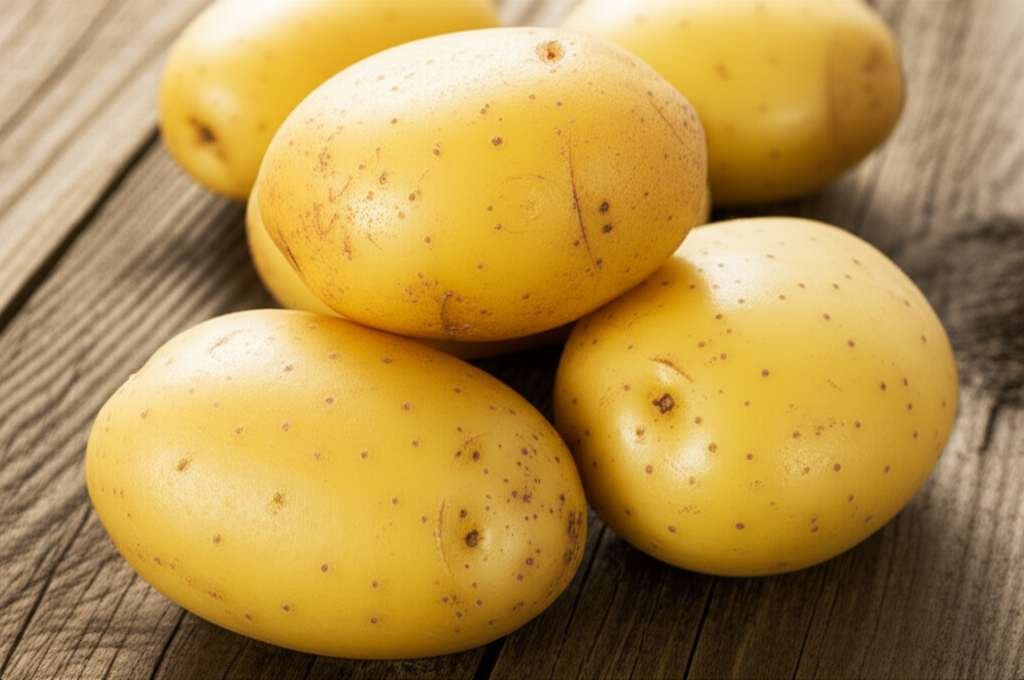
Yes, you can absolutely eat potatoes on a Mediterranean diet! Potatoes are a versatile, nutrient-rich food that fits perfectly into this healthy eating pattern. This guide will show you how to enjoy them in delicious and diet-friendly ways.
Starting a new diet can feel a bit overwhelming, especially when you’re not sure which of your favorite foods fit in. The Mediterranean diet is celebrated for its health benefits, but sometimes people wonder if staples like potatoes are allowed. It’s a common question, and the good news is that potatoes are not only permitted but can be a fantastic part of your Mediterranean journey.
This guide is designed to be your easy-to-follow roadmap. We’ll break down exactly why potatoes are a great choice and how to prepare them to maximize their health benefits while staying true to the Mediterranean way of eating.
Understanding the Mediterranean Diet and Potatoes
Before we dive into how to enjoy potatoes, let’s quickly recap what the Mediterranean diet is all about. It’s not a strict set of rules but a lifestyle inspired by the traditional eating habits of people from countries bordering the Mediterranean Sea, like Greece, Italy, and Spain.
The core of this diet emphasizes:
- Abundant fruits and vegetables
- Whole grains
- Legumes (beans, lentils)
- Nuts and seeds
- Healthy fats, especially olive oil
- Fish and seafood
- Moderate dairy and poultry
- Limited red meat and sweets
Notice that this eating pattern is rich in plant-based foods, whole carbohydrates, and healthy fats. Potatoes, when prepared correctly, align beautifully with these principles.
Why Potatoes Fit In
Potatoes are a starchy vegetable that provides valuable nutrients and energy. They are a good source of potassium, vitamin C, and fiber, especially when you eat the skin. In Mediterranean cultures, potatoes have been a staple food for centuries, providing sustenance and versatility in cooking.
The key to fitting potatoes into the Mediterranean diet lies in how they are prepared and what they are paired with. Deep-frying them in unhealthy oils and smothering them in cheese or heavy sauces would be contrary to the diet’s principles. However, roasting, baking, or boiling them with olive oil and herbs is a perfect fit.
How to Eat Potatoes on a Mediterranean Diet: The Best Methods
The way you cook your potatoes makes a huge difference. The Mediterranean diet favors methods that preserve nutrients and use healthy fats. Here are some of the best ways to prepare potatoes:
1. Roasted Potatoes
Roasting is a fantastic way to bring out the natural sweetness and texture of potatoes. It’s simple, requires minimal effort, and is incredibly delicious.
How to do it:
- Preheat your oven to 400°F (200°C).
- Wash and chop your potatoes into bite-sized pieces. You can leave the skin on for extra fiber and nutrients.
- Toss the potato pieces with a generous drizzle of extra virgin olive oil.
- Season with herbs like rosemary, thyme, oregano, garlic powder, salt, and pepper.
- Spread the potatoes in a single layer on a baking sheet.
- Roast for 25-40 minutes, or until tender and golden brown, flipping them halfway through.
Mediterranean Pairings: Serve roasted potatoes alongside grilled fish, chicken, or a large Greek salad. They also make a great base for a vegetarian meal with roasted vegetables like bell peppers, zucchini, and onions.
2. Boiled or Steamed Potatoes
Boiling or steaming potatoes is one of the simplest and healthiest methods. It requires no added fat during the cooking process.
How to do it:
- Wash your potatoes. You can boil them whole (smaller ones) or cut into large chunks.
- Place them in a pot and cover with cold water. Add a pinch of salt.
- Bring to a boil and cook until fork-tender, about 15-25 minutes depending on size.
- For steaming, place potatoes in a steamer basket over boiling water and cook until tender.
Mediterranean Dressing: Once cooked, drain the potatoes and toss them while still warm with a good quality extra virgin olive oil, lemon juice, chopped fresh parsley, dill, or mint. Add a sprinkle of sea salt and freshly ground black pepper. This is a classic Mediterranean preparation!
3. Baked Potatoes (with Mediterranean Toppings)
A simple baked potato can be a canvas for healthy, flavorful toppings that align with the Mediterranean diet.
How to do it:
- Preheat your oven to 400°F (200°C).
- Wash and prick potatoes all over with a fork.
- Bake directly on the oven rack or on a baking sheet for 45-60 minutes, or until tender when pierced with a fork.
Mediterranean Toppings:
- Greek Yogurt & Herbs: A dollop of plain Greek yogurt (a staple in Mediterranean cuisine) mixed with fresh dill, chives, and a squeeze of lemon.
- Sautéed Vegetables: Top with a mix of sautéed spinach, garlic, tomatoes, and a sprinkle of feta cheese.
- Tuna & Olive Oil: Flaked tuna mixed with a little olive oil, capers, and red onion.
- Hummus & Olives: A generous spoonful of hummus and some chopped Kalamata olives.
4. Potato Salad (Mediterranean Style)
Forget heavy, mayonnaise-based potato salads. A Mediterranean version is lighter, fresher, and packed with flavor.
How to do it:
- Boil or steam small to medium potatoes until tender. Let them cool slightly, then cut into bite-sized pieces.
- In a large bowl, combine the potatoes with chopped red onion, cucumber, cherry tomatoes, Kalamata olives, and fresh parsley or dill.
- Whisk together a dressing of extra virgin olive oil, lemon juice or red wine vinegar, Dijon mustard (optional), salt, and pepper.
- Pour the dressing over the potato mixture and toss gently to combine.
Why it works: This salad emphasizes fresh vegetables, healthy fats from olive oil, and vibrant flavors, making it a perfect Mediterranean side dish.
What to Limit or Avoid
While potatoes themselves are fine, certain preparation methods and additions can push them outside the bounds of a healthy Mediterranean eating pattern. Here’s what to be mindful of:
- Deep Frying: French fries and potato chips are typically deep-fried in less healthy oils and can be high in unhealthy fats and calories.
- Heavy Sauces and Toppings: Avoid creamy, butter-heavy sauces, excessive cheese, or processed toppings that add saturated fat and sodium.
- Refined Potato Products: Highly processed potato products like instant mashed potatoes or pre-made potato skins are generally not recommended due to added ingredients and lower nutrient density.
Nutritional Benefits of Potatoes in the Mediterranean Diet
Potatoes offer more than just carbohydrates. They are a valuable source of several nutrients that support overall health, making them a great addition to a balanced Mediterranean diet.
Key Nutrients in Potatoes:
- Potassium: Essential for maintaining healthy blood pressure levels and proper nerve and muscle function. A medium baked potato with skin can provide a significant amount of your daily potassium needs.
- Vitamin C: An important antioxidant that supports the immune system and skin health.
- Fiber: Particularly when the skin is eaten, potatoes contribute to your daily fiber intake, which aids digestion, helps you feel full, and can help manage blood sugar levels.
- Vitamin B6: Important for brain development and function, and for metabolism.
- Complex Carbohydrates: Potatoes provide sustained energy, which is important for active lifestyles. The Mediterranean diet emphasizes whole, unrefined carbohydrates for this purpose.
According to the USDA FoodData Central, a medium baked potato (about 173 grams) with skin contains approximately:
| Nutrient | Amount |
|---|---|
| Calories | 161 |
| Carbohydrates | 36.5 g |
| Fiber | 4.1 g |
| Protein | 4.3 g |
| Potassium | 951 mg (about 20% DV) |
| Vitamin C | 17.2 mg (about 19% DV) |
| Vitamin B6 | 0.4 mg (about 24% DV) |
Note: DV stands for Daily Value. These values can vary based on potato size and preparation method.
The complex carbohydrates in potatoes provide steady energy, which is crucial for feeling satisfied and maintaining an active lifestyle, both key components of the Mediterranean approach to health.
Potatoes as Part of a Balanced Mediterranean Meal
The beauty of the Mediterranean diet is its balance. Potatoes are best enjoyed as part of a complete meal that includes a variety of other healthy components. Think of them as a delicious and nutritious side dish rather than the main event.
Building a Mediterranean Meal with Potatoes:
- Lean Protein: Pair your potatoes with grilled fish (like salmon or sardines), chicken breast, or legumes (like lentils or chickpeas).
- Plenty of Vegetables: Add a large, vibrant salad with leafy greens, tomatoes, cucumbers, bell peppers, and a lemon-olive oil dressing. Roasted or steamed non-starchy vegetables like broccoli, asparagus, or green beans are also excellent choices.
- Healthy Fats: Use extra virgin olive oil for cooking and dressing. A sprinkle of olives or a few nuts can add healthy fats and flavor.
- Herbs and Spices: Don’t shy away from using fresh and dried herbs and spices to flavor your potatoes and the rest of your meal.
For example, a wonderful Mediterranean meal could be baked salmon, roasted potatoes seasoned with rosemary and garlic, and a large side of Greek salad. This meal is balanced, satisfying, and perfectly aligned with the diet’s principles.
Mediterranean Potato Recipes to Try
Ready to get cooking? Here are a few simple recipe ideas to inspire you:
1. Lemon Herb Roasted Potatoes with Asparagus
A simple sheet pan meal that’s packed with flavor and nutrients.
Ingredients:
- 1 lb small potatoes, quartered
- 1 bunch asparagus, trimmed
- 3 tbsp extra virgin olive oil
- 1 lemon, juiced
- 2 cloves garlic, minced
- 1 tsp dried oregano
- Salt and freshly ground black pepper to taste
- Fresh parsley, chopped, for garnish
Instructions:
- Preheat oven to 400°F (200°C).
- In a large bowl, toss potatoes with 2 tbsp olive oil, minced garlic, oregano, salt, and pepper.
- Spread potatoes on a baking sheet and roast for 20 minutes.
- While potatoes roast, toss asparagus with the remaining 1 tbsp olive oil, lemon juice, salt, and pepper.
- Add asparagus to the baking sheet with the potatoes and roast for another 15-20 minutes, or until potatoes are tender and asparagus is crisp-tender.
- Garnish with fresh parsley before serving.
2. Warm Potato Salad with Tuna and Olives
A light and flavorful salad that’s perfect for lunch or a side dish.
Ingredients:
- 1 lb waxy potatoes (like Yukon Gold), cooked and cubed
- 1 can (5 oz) tuna in olive oil, drained (reserve a little oil)
- 1/4 cup Kalamata olives, pitted and halved
- 1/4 cup cherry tomatoes, halved
- 2 tbsp red onion, finely chopped
- 2 tbsp fresh parsley, chopped
- 2 tbsp extra virgin olive oil
- 1 tbsp red wine vinegar
- Salt and pepper to taste
Instructions:
- In a large bowl, combine the warm potato cubes, tuna, olives, cherry tomatoes, red onion, and parsley.
- In a small bowl, whisk together the olive oil, red wine vinegar, salt, and pepper.
- Pour the dressing over the potato mixture and toss gently to combine. Serve warm or at room temperature.
3. Simple Baked Potato with Greek Yogurt and Herbs
A quick and healthy meal or snack.
Ingredients:
- 1 medium baking potato
- 2-3 tbsp plain Greek yogurt
- 1 tbsp fresh dill or chives, chopped
- Salt and pepper to taste
- A squeeze of lemon juice (optional)
Instructions:
- Bake potato as described in the “Baked Potatoes” section.
- Once cooked, carefully cut open the potato.
- Top with Greek yogurt, chopped herbs, salt, pepper, and a squeeze of lemon juice if desired.
FAQs about Potatoes and the Mediterranean Diet
Here are some common questions beginners have about eating potatoes on this diet:
Q1: Are potatoes considered a vegetable or a starch on the Mediterranean diet?
Potatoes are technically tubers, a type of starchy vegetable. The Mediterranean diet encourages a wide variety of vegetables, and potatoes fit into this category. They are a source of complex carbohydrates, which are important for energy, and are best consumed in moderation as part of a balanced meal.
Q2: Can I eat sweet potatoes on a Mediterranean diet?
Yes, absolutely! Sweet potatoes are another fantastic starchy vegetable that fits very well into the Mediterranean diet. They are rich in vitamins A and C, fiber, and antioxidants. Like regular potatoes, they are best prepared by baking, roasting, or steaming, and paired with healthy Mediterranean ingredients.
Q3: How many potatoes can I eat in a day on the Mediterranean diet?
There isn’t a strict limit, but the focus is on balance. A typical Mediterranean meal would include a serving of potatoes alongside plenty of non-starchy vegetables, lean protein, and healthy fats. A medium-sized potato as a side dish, or about one cup of cooked potatoes, is a good portion for most people. Listen to your body and consider your overall activity level and calorie needs.
Q4: Are potato skins good for me on the Mediterranean diet?
Yes, potato skins are very good for you! They are packed with fiber, vitamins, and minerals. Leaving the skin on your potatoes when you bake, roast, or boil them significantly boosts their nutritional value and helps you feel fuller for longer. Just be sure to wash them thoroughly.
Q5: What kind of potatoes are best for the Mediterranean diet?
All types of potatoes can be enjoyed! Waxy potatoes like Yukon Gold or red potatoes are great for boiling and salads because they hold their shape well. Starchy potatoes like Russets are excellent for baking. The most important factor is the preparation method, not necessarily the specific type of potato.
Q6: Can I eat mashed potatoes on a Mediterranean diet?
You can, but make them Mediterranean-style! Instead of using butter and heavy cream, mash your cooked potatoes with a good amount of extra virgin olive oil, garlic, a splash of vegetable broth or water, and fresh herbs like parsley or chives. You can also add a dollop of Greek yogurt for creaminess. This makes them a healthy and delicious option.
Conclusion
You can breathe easy! Potatoes are a welcome and nutritious addition to the Mediterranean diet. By focusing on healthy preparation methods like roasting, baking, and boiling, and by pairing them with the vibrant flavors and healthy ingredients characteristic of Mediterranean cuisine, you can enjoy potatoes guilt-free.
Remember, the Mediterranean diet is about balance, variety, and enjoying delicious, wholesome foods. Potatoes, with their valuable nutrients and versatility, fit perfectly into this joyful way of eating. So go ahead, experiment with different recipes, and make potatoes a satisfying part of your healthy Mediterranean lifestyle. Your taste buds and your body will thank you!
As an Amazon Associate, We earn from qualifying purchases. When you purchase a product through Amazon links on pulsefitguide.com, we may earn a small commission at no extra cost to you. This helps support the site and keep our content free.