
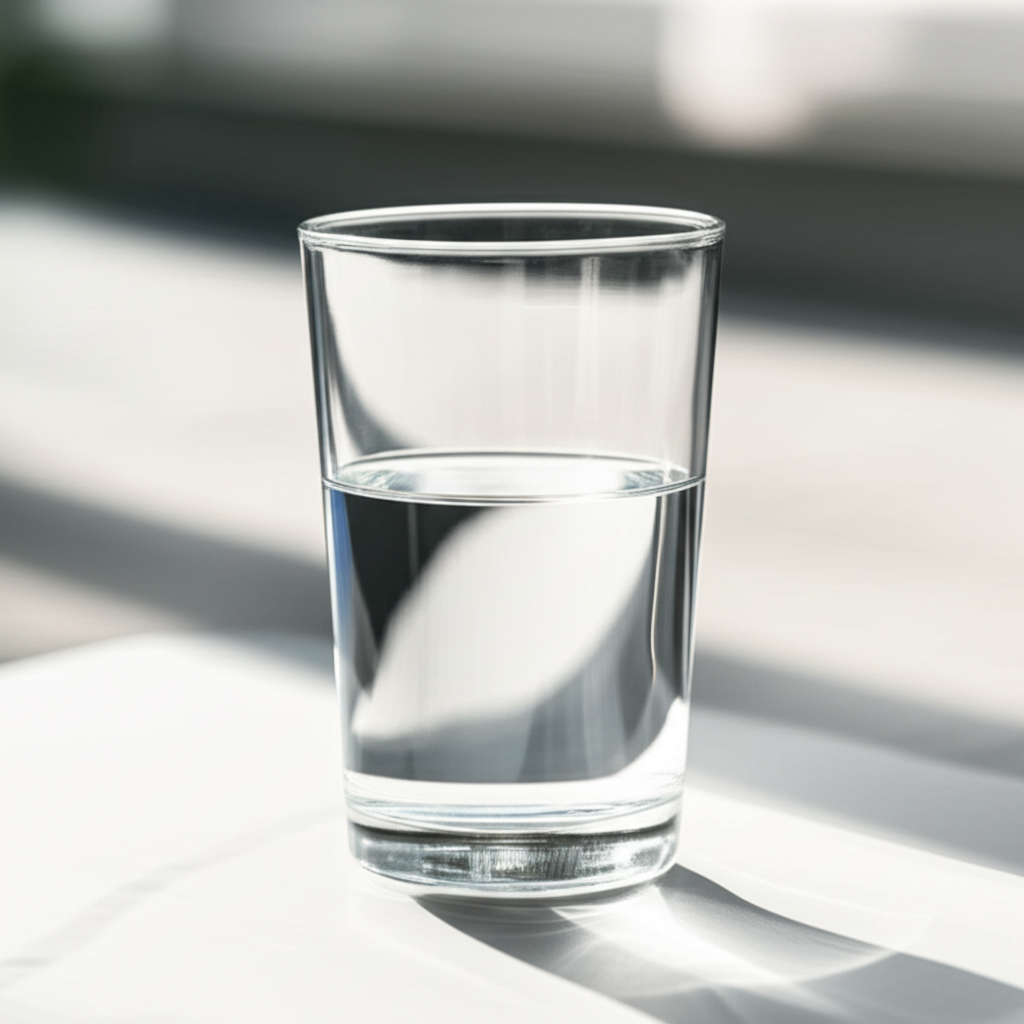
Yes, you absolutely can and should drink water while fasting! Staying hydrated with plain water is crucial for your body’s function and often encouraged during fasting periods. It helps manage hunger, supports metabolism, and prevents dehydration. This guide will explain everything you need to know about drinking water during your fast.
Fasting can feel like a puzzle, especially when you’re just starting out. You might wonder about all the “rules” and what you can and can’t have. One of the biggest questions beginners have is about drinking water. It seems simple, but there’s a little more to it than just grabbing a glass. Don’t worry, though! We’re going to break down exactly why water is your best friend during a fast, what kind of water is okay, and how to make sure you’re staying perfectly hydrated without breaking your fast.
We’ll cover everything from plain water to sparkling water and even touch on what to avoid. By the end of this guide, you’ll feel confident and ready to tackle your fasting journey with plenty of hydration. Let’s dive in!
Why Water is Your Fasting Superpower
Think of water as your body’s essential support system, especially when you’re fasting. It plays so many vital roles that are even more important when you’re not eating. Staying hydrated helps your body run smoothly, keeps your energy levels up, and makes the fasting experience much more comfortable and effective.
When you fast, your body is in a different metabolic state. It’s not getting the usual influx of nutrients and fluids from food. This is where water steps in to pick up the slack. It’s involved in nearly every bodily process, from digestion to brain function, and ensuring you have enough is key to feeling good and achieving your fasting goals.
Let’s look at some of the specific reasons why water is a non-negotiable part of your fasting routine. These benefits are science-backed and will help you understand just how crucial hydration is for a successful fast.
Boosts Metabolism and Aids Fat Burning
Drinking water can give your metabolism a gentle nudge. When you’re properly hydrated, your body can work more efficiently. Studies have shown that drinking water can temporarily increase your resting metabolic rate, meaning you burn more calories even when you’re at rest. This effect is more pronounced when drinking cold water, as your body expends energy to warm it up.
During fasting, your body starts to tap into stored fat for energy. Adequate water intake is essential for this process. It helps transport nutrients and hormones involved in fat metabolism. Dehydration, on the other hand, can slow down your metabolism, making it harder for your body to access and burn fat stores effectively.
Helps Manage Hunger and Cravings
One of the biggest challenges during fasting is managing hunger. Water is an incredible tool for this. Sometimes, what feels like hunger is actually thirst. Drinking a glass of water can help you feel fuller and reduce the intensity of hunger pangs. It takes up space in your stomach, signaling to your brain that you’ve consumed something, which can help curb cravings.
Many people find that sipping on water throughout their fasting window helps them stay on track. It provides a sense of satisfaction and can distract you from food thoughts. This simple act can make the difference between sticking to your fast and feeling overwhelmed by hunger.
Supports Detoxification and Waste Removal
Your body has natural detoxification processes, and water is a key player. It helps your kidneys filter waste products from your blood and excrete them through urine. It also aids in bowel movements, preventing constipation, which can sometimes be an issue when dietary intake changes.
During a fast, your body may be working harder to clear out metabolic byproducts and toxins. Proper hydration ensures these systems can function optimally. Without enough water, these waste products can build up, leading to feelings of fatigue and sluggishness, which can make fasting feel much harder than it needs to be.
Maintains Energy Levels and Prevents Fatigue
Dehydration is a common cause of fatigue and low energy. When you don’t drink enough water, your blood volume can decrease, making your heart work harder to pump blood. This can lead to feelings of tiredness, dizziness, and reduced cognitive function. Fasting can already be a shift for your body, so maintaining hydration is crucial to keep your energy up.
Drinking water helps keep your electrolytes balanced and ensures that your cells are getting the hydration they need to function properly. This can prevent the dreaded “brain fog” and keep you feeling alert and capable throughout your fasting period. Think of it as keeping your internal engine well-oiled!
Promotes Overall Health and Well-being
Beyond the fasting-specific benefits, water is fundamental to your overall health. It lubricates your joints, regulates body temperature, protects your organs and tissues, and helps transport nutrients to your cells. Staying hydrated is a cornerstone of good health, regardless of whether you are fasting or not.
When you prioritize hydration, you’re supporting your body’s ability to perform at its best. This contributes to better mood, improved skin health, and a stronger immune system. It’s a simple habit with profound effects on how you feel day-to-day.
What Kind of Water Can I Drink While Fasting?

This is where things can get a little nuanced, but the good news is that plain water is almost always your safest bet. The goal of most fasting methods is to give your digestive system a break and keep your body in a fasted state, meaning it’s not processing calories or triggering an insulin response. So, as long as your beverage of choice doesn’t interfere with that, you’re usually in the clear.
Let’s break down the common questions about different types of water and beverages. Understanding these distinctions will help you make informed choices and stick to your fasting goals without unnecessary worry.
Plain Water: The Gold Standard
This is the undisputed champion of fasting hydration. Plain water, whether it’s tap, filtered, or bottled, is calorie-free and has zero impact on your insulin levels. It’s the purest form of hydration and perfectly acceptable during any type of fast.
The amount you should drink can vary based on your activity level, the climate, and your individual needs. A general guideline is to aim for at least 8 glasses (about 2 liters) of water per day, but you might need more if you’re active or in a warm environment. Listen to your body and drink when you feel thirsty.
Sparkling Water / Carbonated Water
Good news! Unsweetened, plain sparkling water is generally considered acceptable during fasting. The carbonation comes from dissolved carbon dioxide, which adds no calories or sweeteners. It can be a great way to add a little variety and fizziness to your hydration routine, making it feel more like a treat.
However, be cautious with flavored sparkling waters. If they contain any artificial sweeteners, natural flavors, or sugar, they could potentially break your fast by triggering an insulin response or providing calories. Always check the ingredients list. Brands like Perrier, San Pellegrino, or La Croix (plain varieties) are usually safe bets.
Mineral Water
Mineral water is water from a mineral spring that contains various minerals, such as magnesium, calcium, and potassium. It is naturally carbonated or uncarbonated and is calorie-free. Therefore, plain mineral water is also perfectly fine to drink during a fast.
The minerals in mineral water can actually be beneficial, helping to replenish electrolytes that might be lost during fasting. However, as with sparkling water, be sure to choose plain, unsweetened varieties. Flavored or enhanced mineral waters might contain added sugars or artificial ingredients.
Distilled Water vs. Filtered Water vs. Tap Water
All these are generally fine for hydration during a fast.
- Tap water: Usually safe and readily available, though taste can vary. Most municipal tap water is treated to be safe for consumption.
- Filtered water: Water that has passed through a filter to remove impurities like chlorine, sediment, and sometimes heavy metals. This can improve taste and quality.
- Distilled water: Water that has been boiled into vapor and then condensed back into liquid in a pure form. It has virtually no minerals. While safe to drink, some people prefer the taste and potential benefits of minerals found in filtered or tap water.
The primary concern during fasting is avoiding calories and stimulants, which none of these water types contain.
What to AVOID During Your Fast
While water is your best friend, certain beverages can easily break your fast and negate its benefits. It’s important to be vigilant about what you consume to ensure your fasting efforts are effective. These are the typical culprits to steer clear of:
- Sugary drinks: Sodas, fruit juices, sweetened teas, and energy drinks are loaded with sugar and calories. They will spike your blood sugar and insulin levels, ending your fast immediately.
- Milk and dairy products: These contain calories and proteins that require digestion, breaking your fast.
- Diet sodas and artificially sweetened beverages: While calorie-free, some research suggests that artificial sweeteners might still trigger an insulin response in some individuals or affect gut bacteria, potentially disrupting the benefits of fasting. It’s best to err on the side of caution and avoid them if strict fasting is your goal.
- Coffee with additives: Black coffee is often permitted in many fasting protocols because it’s calorie-free and can even boost metabolism. However, adding sugar, milk, cream, or artificial sweeteners will break your fast.
- Teas with additives: Similar to coffee, plain herbal or black teas are usually fine. Sweeteners, milk, or cream will break your fast.
- Alcohol: Alcohol contains calories and is processed by the liver, which will interrupt your fasting state.
The general rule of thumb is: if it has calories, contains sweeteners (even artificial ones, for strict fasting), or requires significant digestion, it will likely break your fast.
How Much Water Should You Drink While Fasting?
Figuring out the right amount of water is key to staying comfortable and healthy during your fast. There’s no single magic number because everyone is different. Factors like your body weight, activity level, the climate you’re in, and the type of fast you’re doing all play a role. The goal is to stay adequately hydrated without overdoing it.
Listening to your body is the most important strategy. Thirst is a clear signal that you need to drink. However, it’s also a good idea to have a proactive approach to ensure you don’t become dehydrated in the first place.
General Hydration Guidelines
A common recommendation for daily water intake is around 8 glasses (approximately 2 liters or half a gallon). This is a good starting point for most people, even when fasting. However, this is a baseline, and you’ll likely need more.
During a fast, your body doesn’t get water from food, which can contribute significantly to your daily intake. Therefore, you should aim to drink more water than you might on a non-fasting day to compensate. Prioritize drinking water throughout your fasting window.
Factors Influencing Your Water Needs
- Activity Level: If you exercise or engage in strenuous physical activity during your fast, you will sweat more and need to replace those lost fluids. Drink extra water before, during, and after your workout.
- Climate: Hot and humid weather increases fluid loss through sweat. You’ll need to drink more water in these conditions. Cold weather can also increase fluid loss through respiration and dry air.
- Body Weight: Larger individuals generally require more water than smaller individuals to maintain proper bodily functions.
- Type of Fast: Some extended fasts or water fasts might have specific hydration protocols. For intermittent fasting, the goal is typically to stay hydrated within your eating window and during your fasting period.
- Individual Health Conditions: Certain health conditions or medications can affect your fluid needs. If you have any concerns, it’s always best to consult with a healthcare professional.
A simple way to monitor your hydration is by checking the color of your urine. Pale yellow or colorless urine generally indicates good hydration, while dark yellow or amber urine can be a sign of dehydration.
Tips for Staying Hydrated During Your Fast
Making hydration a priority doesn’t have to be a chore. Here are some practical tips to help you drink enough water throughout your fasting period:
- Keep Water Accessible: Always have a water bottle or glass of water nearby. Whether you’re at your desk, in the car, or relaxing at home, having water within reach makes it easy to sip throughout the day.
- Set Reminders: If you tend to forget to drink, use your phone or a smart device to set hourly reminders to take a few sips of water.
- Drink Water with Meals (During Eating Window): Even though you’re fasting for part of the day, make sure you hydrate well during your eating window. This helps set a good hydration baseline.
- Infuse Your Water: If plain water feels boring, try infusing it with natural flavors. Add slices of lemon, lime, cucumber, mint leaves, or berries for a refreshing twist without adding calories or sweeteners.
- Start Your Fasting Period with Water: Drink a glass of water right before your fasting window begins. This can help with initial hunger pangs.
- Sip Consistently: Instead of gulping large amounts of water at once, try to sip consistently throughout your fasting hours. This can help you feel fuller for longer and prevent your body from becoming overloaded.
- Use a Marked Water Bottle: A water bottle with time markers can help you track your intake and encourage you to drink steadily throughout the day.
Potential Challenges and How to Overcome Them
While drinking water during fasting is generally straightforward, you might encounter a few challenges. Recognizing these issues and knowing how to address them can make your fasting experience much smoother. The most common hurdles relate to hunger, headaches, and sometimes feeling a bit off.
Fortunately, most of these challenges can be managed effectively with the right approach, often involving adjustments to your water intake or understanding what your body is signaling.
Headaches and Fatigue
Headaches are a common side effect, especially when you’re new to fasting. This can sometimes be due to dehydration, but it can also be a symptom of caffeine withdrawal if you typically drink caffeinated beverages. Another factor can be electrolyte imbalance.
Solutions:
- Increase Water Intake: First, ensure you are drinking enough plain water. Sometimes, a headache is simply your body’s signal that it needs more fluids.
- Electrolytes: If headaches persist and you suspect an electrolyte imbalance (especially during longer fasts), consider adding a pinch of high-quality sea salt or pink Himalayan salt to your water. Some people also benefit from electrolyte supplements designed for fasting, but always check they are calorie-free and sugar-free.
- Caffeine Withdrawal: If you are a regular coffee or tea drinker, try to gradually reduce your intake before starting a fast to minimize withdrawal symptoms.
Fatigue can also be a sign of dehydration or your body adjusting to using different fuel sources. Staying hydrated is paramount to combating this.
Increased Hunger Pangs
It’s natural to feel hungry when you’re fasting. Water can help, but sometimes hunger can feel overwhelming. Your body is used to receiving food at certain times, and it will signal for it.
Solutions:
- Sip Water: As mentioned, drinking water can help create a feeling of fullness.
- Distraction: Engage in activities that keep your mind off food, like reading, working, exercising (if you feel up to it), or socializing.
- Electrolytes: Sometimes, mild hunger can be exacerbated by electrolyte imbalances. A pinch of salt in your water might help.
- Understand Your Hunger: Differentiate between true hunger and habit or emotional hunger. Is it time for your next meal, or are you just feeling bored or stressed?
Remember, hunger pangs usually come in waves and often pass. Persistence is key.
Digestive Adjustments
When you change your eating patterns, your digestive system might take some time to adjust. Some people experience constipation, while others might feel a bit bloated. Proper hydration is crucial for keeping things moving smoothly.
Solutions:
- Stay Hydrated: Water is essential for a healthy digestive tract and regular bowel movements.
- Electrolytes: Ensure you’re getting enough electrolytes, as they play a role in fluid balance and muscle function, including the muscles of your digestive system.
- Consider Fiber (During Eating Window): When you are in your eating window, ensure you are consuming enough fiber-rich foods to support digestive health.
If you experience severe or persistent digestive issues, it’s always a good idea to consult with a healthcare provider.
Fasting Types and Water Consumption
The type of fast you choose will influence how you approach hydration, though the core principle of drinking plenty of plain water remains constant. Different fasting protocols have slightly different rules regarding what’s allowed, but water is almost universally accepted.
Here’s a quick look at how water fits into some popular fasting methods:
Intermittent Fasting (IF)
Intermittent fasting involves cycling between periods of eating and voluntary fasting. Common methods include 16/8 (fasting for 16 hours, eating within an 8-hour window) and 5:2 (eating normally five days a week and restricting calories on two non-consecutive days).
Water during IF: Plain water is highly encouraged during both fasting and eating periods. It helps manage hunger during fasting windows and keeps you hydrated throughout the day. Black coffee and plain tea are also typically allowed during fasting periods for most IF methods.
Water Fasting
A water fast involves consuming only water for a set period, typically ranging from 24 hours to several days. This is a more intense form of fasting.
Water during Water Fasting: This is the only beverage allowed. Staying adequately hydrated is absolutely critical for safety and to help manage the body’s processes during this time. It’s recommended to consult with a healthcare professional before undertaking a water fast, especially if it’s for more than 24-48 hours.
Alternate-Day Fasting (ADF)
Alternate-day fasting involves alternating between days of normal eating and days of severe calorie restriction or complete fasting.
Water during ADF: On fasting days, only calorie-free beverages like water, black coffee, and plain tea are permitted. On eating days, focus on nutritious foods and stay hydrated. Water is essential on both types of days.
Periodic Fasting (
As an Amazon Associate, We earn from qualifying purchases. When you purchase a product through Amazon links on pulsefitguide.com, we may earn a small commission at no extra cost to you. This helps support the site and keep our content free.