

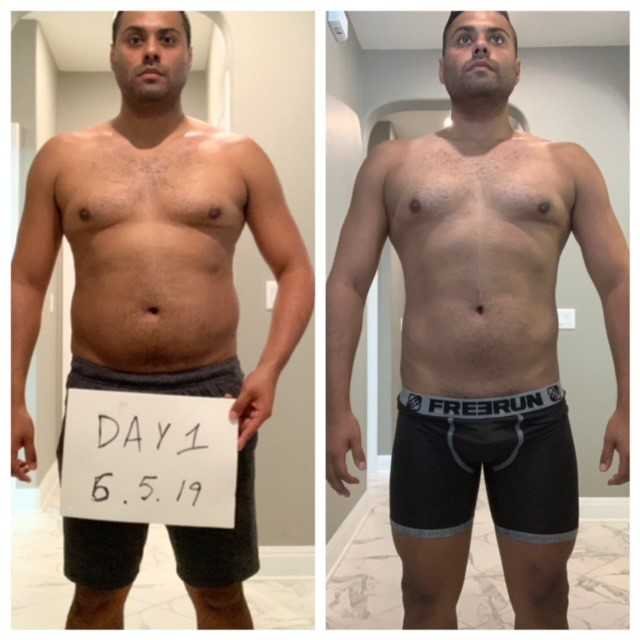
Yes, in many cases, gynecomastia can improve with weight loss, especially if excess fat is contributing to the appearance of enlarged breast tissue. However, if the condition is caused by glandular tissue rather than fat, weight loss alone may not fully resolve it.
Losing weight can help reduce the fatty component of gynecomastia, making the chest appear more defined, but it might not eliminate the hormonal or glandular causes. It’s important to understand whether your gyno is primarily due to fat or gland tissue, as this determines the best treatment approach. Many men find that combining weight loss with targeted exercises can improve the look of their chest, but in some cases, medical or surgical options may be necessary for full resolution.
Gynecomastia, the condition characterized by enlarged breast tissue in men, can be a source of embarrassment and self-consciousness. Many wonder if simply shedding excess weight can make it go away, and the answer depends on the underlying cause. If the swelling is mainly due to fat accumulation, losing weight through diet and exercise can significantly reduce the appearance of gyno. However, if the enlargement stems from glandular tissue or hormonal factors, weight loss alone might not be enough. Understanding the root cause is key to addressing the issue effectively. This article explores whether weight loss can truly eliminate gynecomastia and what additional steps might be necessary for a permanent solution.

Can Gyno Go Away with Weight Loss? Exploring the Connection
Understanding Gynecomastia: What Is It?
Gynecomastia, commonly called “gyno,” is the enlargement of male breast tissue. It occurs when the balance between hormones like estrogen and testosterone shifts. This condition can affect one or both breasts and may cause discomfort or self-consciousness.
Causes of Gynecomastia
Several factors contribute to the development of gyno, including:
- Hormonal imbalances—especially increased estrogen levels
- Medication side effects—such as certain antidepressants and steroids
- Medical conditions—like liver disease or thyroid problems
- Substance use—alcohol, marijuana, or steroids
- Obesity and excess fat accumulation in the chest area
Obesity and Gynecomastia: What Is the Link?
Obesity often plays a significant role in gyno development. Excess fat in the chest area can lead to a condition called pseudogynecomastia. Unlike true glandular gynecomastia, pseudogynecomastia results from fat deposits, not breast tissue growth.
Distinguishing True Gynecomastia from Pseudogynecomastia
It is essential to tell the difference because treatment varies:
- True gynecomastia: Involves glandular tissue growth and is usually a hormonal issue.
- Pseudogynecomastia: Caused solely by fat deposits without glandular tissue increase.
A healthcare provider can examine you and perform tests to determine which you have.
Can Weight Loss Reduce Gynecomastia?
Losing weight can reduce pseudogynecomastia caused by excess chest fat. Many men notice their chest appears less prominent after losing weight through diet and exercise. However, weight loss does not affect glandular tissue growth, which is true gynecomastia.
How Effective Is Weight Loss in Treating Gynecomastia?
Weight loss can be very effective if the gyno is caused by fat deposits. It often results in:
- A flatter chest appearance
- Reduction in chest size
- Better self-esteem and confidence
But if glandular tissue is the main issue, weight loss alone may not eliminate gyno.
Factors That Influence Success in Weight Loss and Gyno Improvement
The effectiveness of weight loss in reducing gyno depends on:
- The amount of excess fat in the chest area
- The duration of gynecomastia
- The underlying cause—hormonal vs. fat deposits
- The intensity and consistency of diet and exercise efforts
Diet and Exercise Strategies to Reduce Chest Fat
To target chest fat:
Healthy Diet Tips
- Eat plenty of vegetables, lean proteins, and whole grains
- Limit processed foods, sugars, and saturated fats
- Control portion sizes to create a calorie deficit
Effective Exercise Routines
- Incorporate cardiovascular activities like running, cycling, or swimming
- Focus on strength training—particularly chest exercises such as push-ups and chest presses
- Combine full-body workouts with targeted chest movements for best results
Timeframe for Noticeable Changes
Weight loss and reduction in chest fat take time. Most men may begin to see improvements within several weeks to a few months of consistent effort. Patience and persistence are key.
Limitations of Weight Loss in Treating Gynecomastia
If gynecomastia is caused by glandular tissue growth, weight loss alone won’t fully resolve the issue. In such cases, other treatments may be necessary, such as:
- Medications to balance hormones
- Hormone therapy
- Surgical removal of excess tissue
When to Seek Medical Advice
If your chest size does not improve after weight loss or if you experience pain and swelling, consult a healthcare provider. Proper diagnosis ensures you receive the right treatment plan.
Summary of Key Points
- Weight loss can significantly reduce pseudogynecomastia caused by excess fat
- True gynecomastia involving glandular tissue may require additional medical or surgical treatment
- Effective diet, regular exercise, and time are crucial for chest fat reduction
- Medical consultation helps determine the cause and appropriate treatment plan
Related Topics for Further Exploration
- Medical treatments for gynecomastia
- Hormonal imbalances and their management
- Impact of steroids and medications on breast tissue
- Post-surgical recovery and care for gynecomastia surgery
By understanding the causes and treatment options, you can better determine whether weight loss can help with your gyno. While it works well for fat-related cases, glandular gynecomastia might need more advanced solutions. Remember, patience and consulting with a healthcare professional are essential steps towards achieving the best results.
🏋️♂️ Can You Lose Chest Fat with Exercise? The Truth About Gynecomastia! 💪
Frequently Asked Questions
Can losing weight reduce the appearance of gynecomastia?
In some cases, reducing overall body fat through weight loss can lessen the prominence of gynecomastia, especially if excess fat contributes to the chest area’s swelling. However, if gynecomastia results from glandular tissue growth rather than fat, weight loss alone might not fully eliminate it. Combining weight management with targeted exercises can help improve the chest’s appearance, but medical treatment may be necessary for persistent cases.
Does fat loss impact the glandular tissue responsible for gynecomastia?
Fat loss primarily reduces subcutaneous fat and may improve the overall look of the chest. However, glandular tissue, which causes true gynecomastia, does not shrink with weight loss. If glandular growth is the primary cause, the condition will likely remain even after losing weight. Consulting a healthcare professional can provide options for addressing glandular tissue directly.
How long does it typically take to see improvements in gynecomastia through weight loss?
The time frame varies depending on individual factors such as metabolism, diet, and exercise routines. Some notice changes within a few months of consistent weight loss efforts. Keep in mind that if gynecomastia is caused by glandular tissue, visible improvements may be limited. Persistence and proper management are key to seeing any potential benefits.
Can hormonal balance affect the effectiveness of weight loss for gynecomastia?
Yes, hormonal imbalances can influence the development and persistence of gynecomastia. Elevated levels of estrogen or decreased testosterone levels can promote glandular tissue growth. Addressing hormonal issues through medical consultation can enhance weight loss efforts and improve the likelihood of reducing gynecomastia caused by hormonal factors.
Are there specific exercises that help reduce gynecomastia caused by fat?
While targeted chest exercises like push-ups and chest presses strengthen the muscles beneath the fat, they do not directly eliminate excess fat or glandular tissue. Combining these exercises with overall weight loss through cardio and a healthy diet offers the best chance to reduce fat in the chest area. For persistent gynecomastia, medical procedures might be necessary to achieve desired results.
Final Thoughts
Gyno, or gynecomastia, can sometimes improve with weight loss as excess fat diminishes. However, if gland tissue has developed, weight loss alone may not fully resolve the issue. Consistent exercise and a healthy diet help reduce fat, but medical intervention might be necessary for complete relief.
In summary, can gyno go away with weight loss? It depends on the underlying cause. While fat reduction can help, addressing gland tissue might require additional treatment.
As an Amazon Associate, We earn from qualifying purchases. When you purchase a product through Amazon links on pulsefitguide.com, we may earn a small commission at no extra cost to you. This helps support the site and keep our content free.