

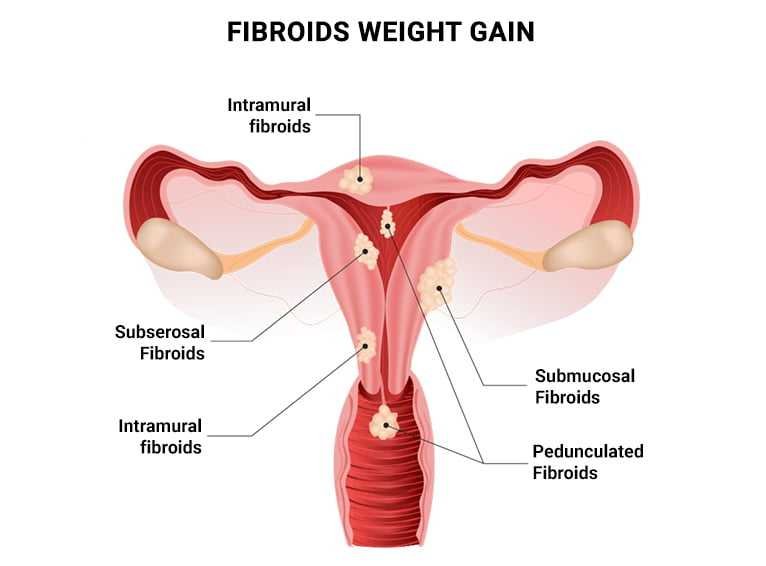
Yes, fibroids can sometimes lead to weight loss, but it’s quite rare. Typically, fibroids cause symptoms like heavy bleeding, pelvic pain, or bloating, not weight loss. However, in very unusual cases, large fibroids might interfere with appetite or digestion, potentially resulting in weight loss.
Fibroids are non-cancerous growths in the uterus, often causing discomfort and other symptoms, but they are not usually linked to weight loss. If you’re experiencing unexplained weight loss along with symptoms like pelvic pain or abnormal bleeding, it’s important to consult a healthcare professional. In most cases, fibroids tend to cause bloating and weight gain due to swelling or pressure on surrounding organs, rather than weight loss. Understanding the symptoms and causes helps in seeking the right diagnosis and treatment.

Can Fibroids Cause Weight Loss? Exploring the Connection
Understanding Uterine Fibroids
Fibroids are noncancerous growths that develop in the uterus. They are common and often occur during the reproductive years. Many women with fibroids experience symptoms like heavy bleeding, pelvic pressure, and a feeling of fullness.
What Are The Symptoms of Fibroids?
Symptoms can vary depending on the size and location of the fibroids. Common signs include heavy menstrual bleeding, pelvic pain, and frequent urination. Some women may also notice abdominal swelling or a feeling of pressure.
Can Fibroids Cause Weight Loss?
Many women wonder if fibroids can lead to weight loss. In most cases, fibroids do not cause weight loss and often lead to weight gain or bloating. However, in rare situations, fibroids might indirectly contribute to weight change.
How Do Fibroids Affect Body Weight?
Fibroids can cause the abdomen to enlarge, giving the appearance of weight gain. They typically do not cause weight loss unless complications like infection or other health issues occur.
When Might Weight Loss Occur?
Weight loss linked to fibroids is uncommon but possible if complications develop. For example, if fibroids cause severe symptoms leading to decreased appetite or illness, weight loss might happen. Still, these are unusual scenarios.
Medical Conditions That Might Be Confused With Fibroids
Other health issues can mimic fibroid symptoms, affecting weight. Conditions like ovarian cysts, uterine cancer, or infections might display overlapping signs but have different effects on weight.
Fibroids vs. Other Uterine Growths
– Ovarian cysts can sometimes cause abdominal swelling and weight fluctuations.
– Uterine cancer may lead to abnormal bleeding and weight changes.
– It’s important to see a doctor for accurate diagnosis.
Understanding How Fibroids Are Diagnosed
Doctors usually diagnose fibroids through physical exams and imaging tests. An ultrasound is most common, providing detailed images of the uterus.
Tests Used to Detect Fibroids
- Ultrasound
- MRI scans
- Pelvic exam
These tools help determine the size, number, and location of fibroids, guiding treatment options.
Can Fibroids Lead to Weight Loss? Analyzing the Evidence
Based on current research, fibroids are not linked to weight loss. They are more associated with bloating, discomfort, and sometimes weight gain.
What Does Research Say?
Studies indicate that fibroids may cause abdominal distension but rarely lead to weight loss. When weight loss occurs, it is usually due to other health problems rather than fibroids directly.
Potential Complications That Affect Weight
Some complications from fibroids can influence body weight indirectly, such as anemia or infections. These conditions may decrease appetite or cause fatigue, influencing weight.
Severe Bleeding and Anemia
Heavy bleeding caused by fibroids can lead to anemia, which might contribute to weight loss due to fatigue and reduced eating. However, this is not a direct effect of fibroids themselves.
Infections and Inflammation
Rarely, infected fibroids or related complications can cause systemic illness, potentially leading to weight loss. These situations require prompt medical attention.
Other Factors Influencing Weight Changes in Women with Fibroids
Hormonal imbalances, lifestyle, diet, and overall health play significant roles in a woman’s weight. Fibroids may coexist with these factors but do not directly cause weight loss.
Hormonal Changes
Fluctuations in estrogen and progesterone influence fibroid growth and overall body weight. Changes in these hormones can sometimes cause weight gain or loss, but not necessarily due to fibroids.
Diet and Lifestyle
Healthy eating and regular activity levels contribute to maintaining a healthy weight. Women with fibroids should focus on lifestyle factors for overall well-being.
When to See a Doctor
If you notice unexplained weight loss along with symptoms like pelvic pain or abnormal bleeding, seek medical advice. A healthcare professional can evaluate whether fibroids or other conditions are involved.
Signs That Require Medical Attention
- Unintentional weight loss
- Persistent pelvic pain
- Severe bleeding
- Signs of infection
Management and Treatment Options
Treatment depends on the size, symptoms, and impact of fibroids on a woman’s health. Options may range from watchful waiting to surgical procedures.
Conservative Approaches
Sometimes, no immediate treatment is necessary if fibroids are small and asymptomatic. Regular monitoring can be sufficient.
Medical Treatments
Medications like hormonal therapy can help shrink fibroids or reduce symptoms. These do not typically influence weight directly but can improve overall health.
Surgical Interventions
Procedures such as myomectomy or hysterectomy are used to remove fibroids when symptoms are severe. Surgery might cause temporary changes in weight due to recovery but does not cause long-term weight loss.
Understanding the Role of Lifestyle and Diet
Maintaining a balanced diet and regular exercise can help manage symptoms and promote overall health. While they do not directly affect fibroids, they support a healthy body.
Foods That May Help
- Fruits and vegetables rich in antioxidants
- Whole grains
- Lean proteins
- Foods high in fiber
Avoid excessive caffeine and processed foods, which may worsen symptoms for some women.
Exercise and Physical Activity
Regular moderate exercise can reduce stress and improve overall health. It also helps control weight and might alleviate some fibroid symptoms such as bloating.
In most cases, fibroids do not cause weight loss but are associated with symptoms like bloating, heaviness, or discomfort. If weight loss occurs alongside fibroid symptoms, a healthcare provider should evaluate the situation for other underlying conditions. Accurate diagnosis and appropriate treatment can help manage symptoms and improve quality of life.
Can You Lose Weight With Uterine Fibroids?
Frequently Asked Questions
Can large fibroids lead to sudden weight loss in women?
Large fibroids typically do not cause sudden weight loss. Instead, they may lead to symptoms like heavy bleeding, pelvic pressure, or bloating. Weight changes are usually gradual and often related to other factors such as changes in appetite or overall health. If you experience unexpected weight loss, consult a healthcare provider to determine the underlying cause.
Is weight loss a common symptom associated with fibroids?
Weight loss is not a common symptom of fibroids. Most women with fibroids notice symptoms like abnormal bleeding, abdominal swelling, or pelvic discomfort. While fibroids can increase abdominal size, they rarely cause weight loss unless other health issues are present. It’s important to evaluate other potential causes if weight loss occurs.
Could hormonal changes due to fibroids affect weight in any way?
Hormonal imbalances associated with fibroids might influence weight, primarily causing bloating or increased abdominal size, but they rarely lead to weight loss. Hormonal fluctuations can cause changes in appetite or fluid retention, which may impact weight, but significant weight loss usually points to other health concerns that require medical attention.
Are there any other health conditions related to fibroids that might cause weight loss?
While fibroids themselves do not typically cause weight loss, they may coexist with other health issues such as reproductive cancers, infections, or systemic illnesses. These conditions can sometimes trigger weight loss. If you notice unexplained weight changes along with fibroid symptoms, seek medical advice for a comprehensive evaluation.
Final Thoughts
In conclusion, fibroids typically do not cause weight loss. Most often, they lead to symptoms like heavy bleeding or pelvic discomfort instead of weight changes.
Can fibroids cause weight loss? It is unlikely, as they usually contribute to bloating or swelling that can lead to weight gain. If you experience unexplained weight loss, consult a healthcare professional to rule out other causes.
As an Amazon Associate, We earn from qualifying purchases. When you purchase a product through Amazon links on pulsefitguide.com, we may earn a small commission at no extra cost to you. This helps support the site and keep our content free.