

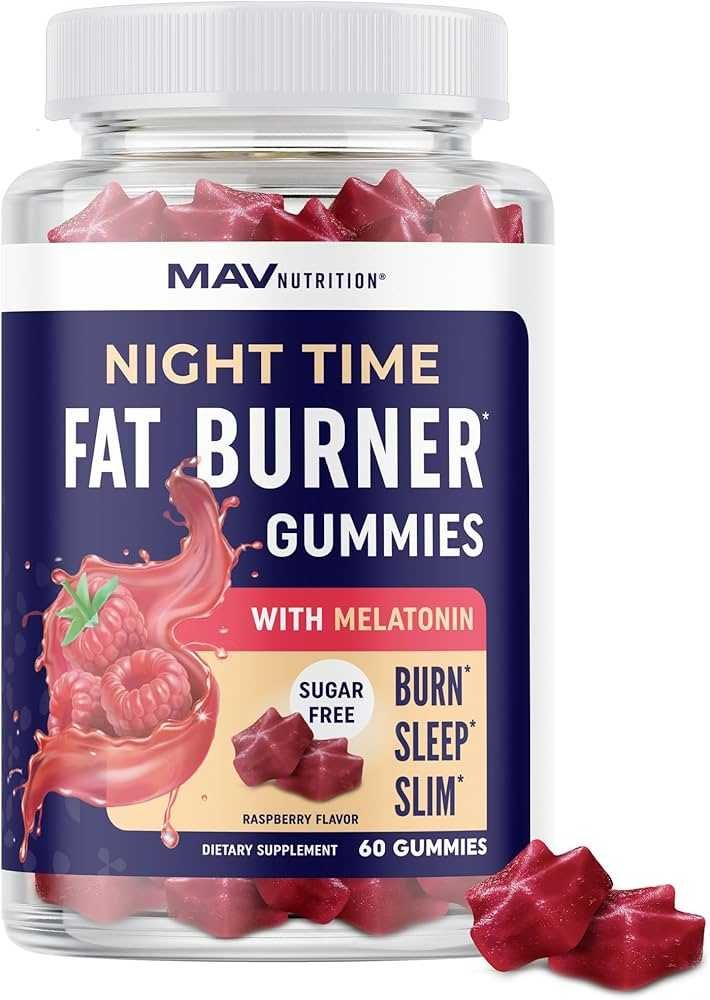
Yes, fat burners can sometimes cause constipation, especially if they contain ingredients that slow down digestion or reduce water absorption in the gut. It’s important to understand how these supplements work and the potential side effects that come with them. Many people turn to fat burners to help shed extra weight quickly, but they might not realize that some ingredients can disrupt normal bowel movements, leading to discomfort. Staying hydrated and maintaining a balanced diet can help mitigate these effects, but awareness is key. If you’re experiencing persistent constipation after starting a fat burner, it’s wise to consult a healthcare professional. Overall, while fat burners can boost weight loss efforts, their impact on digestion varies from person to person, highlighting the importance of mindful usage.
Some fat burners can cause constipation because they contain ingredients that may slow digestion or decrease water retention in the intestines. However, not everyone experiences this side effect, and it can often be managed with proper hydration and diet adjustments.
When considering fat burners to support weight loss, many wonder whether they might cause unwanted side effects like constipation. The truth is, some formulations may indeed have this impact, mainly due to ingredients that influence gut motility or liquid absorption. This can be frustrating, especially when you’re working hard to shed pounds. Understanding how these supplements work and recognizing the signs early can help you take steps to prevent or manage constipation. While some fat burners are formulated to avoid such issues, it’s essential to listen to your body and adjust your routine accordingly. Proper hydration, fiber intake, and consultation with healthcare providers can go a long way in making your weight loss journey smoother and more comfortable.

Can Fat Burners Make You Constipated?
Understanding Fat Burners and How They Work
Fat burners are supplements designed to help people lose weight faster. They often contain ingredients like caffeine, green tea extract, and other natural compounds. These ingredients aim to boost metabolism, suppress appetite, or increase fat burning during exercise. Many users wonder if these pills can cause side effects like constipation. To know this, it’s important to first understand how fat burners work inside your body.
Common Ingredients in Fat Burners and Their Effects
- Caffeine: A stimulant that increases alertness and can boost metabolism. It may cause dehydration if taken in large amounts.
- Green Tea Extract: Rich in antioxidants called catechins, which may help burn fat. It has a mild diuretic effect but is unlikely to cause constipation directly.
- Thermogenic Agents: Substances like capsaicin or synephrine increase body heat production and calorie burn. They usually don’t impact digestion directly.
- Laxatives or Fiber Additives: Some fat burners include ingredients aimed at promoting bowel movements, but these are specific to certain products.
Does Caffeine in Fat Burners Cause Constipation?
Caffeine is known to have a mild laxative effect in some people, which can actually help prevent constipation. However, for others, especially in high doses, caffeine can lead to dehydration. Dehydration reduces stool moisture, making bowel movements harder and possibly leading to constipation.
Why Dehydration Can Lead to Constipation
Dehydration occurs when your body loses more water than it takes in. Many fat burners, especially those with diuretic ingredients, can cause you to pee more often. Less water in your intestines means stool becomes dry and hard, making bowel movements difficult.
How Fiber and Digestive Health Play a Role
Fiber is essential for healthy digestion and regular bowel movements. Some fat burners contain added fiber, which can help prevent constipation. On the other hand, products lacking fiber or those that cause dehydration can increase the risk of constipation.
Other Factors That Influences Constipation Risk
- Diet: Eating low-fiber foods and not drinking enough water can increase constipation risk, regardless of supplements.
- Physical Activity: Lack of movement slows bowel movements.
- Medication Use: Some medications combined with fat burners can affect digestion.
Are Certain People More Vulnerable to Constipation from Fat Burners?
Some groups are more at risk, such as people with pre-existing digestive issues, the elderly, or those who are dehydrated. Individuals who already experience irregular bowel habits may find that fat burners exacerbate their condition.
Possible Side Effects of Fat Burners Related to Constipation
While many fat burners do not directly cause constipation, some ingredients or combinations might. For example:
- High doses of stimulants may dehydrate the body
- Low-fiber formulations may slow digestion
- Some products contain ingredients that disturb gut motility
Any of these factors could contribute to constipation as a side effect.
Tips to Minimize the Risk of Constipation While Using Fat Burners
- Stay Hydrated: Drink plenty of water throughout the day, especially when taking stimulants.
- Eat a High-Fiber Diet: Include fruits, vegetables, and whole grains to support digestion.
- Maintain Regular Exercise: Physical activity keeps bowel movements regular.
- Choose Products Carefully: Opt for fat burners that contain fiber and are free from harsh laxatives or dehydrating agents.
- Monitor Your Body: Pay attention to how your body reacts and consult a healthcare professional if constipation develops.
The Role of Hydration and Diet in Preventing Constipation
Proper hydration and diet are the most effective ways to prevent constipation. Water helps soften stool, making it easier to pass. A balanced diet rich in dietary fiber promotes healthy bowel movements, regardless of supplement use.
Comparing Fat Burners with and Without Laxative Effects
Some fat burners are designed to include laxative ingredients like senna or cascara. These are usually marketed for quick weight loss but can cause dependency and disrupt natural bowel function. Non-laxative fat burners focus on boosting metabolism without interfering with digestion.
Long-term Use and Risks of Constipation
Regular use of certain fat burners, especially those with stimulant components, can cause chronic dehydration or digestive upset. Long-term constipation can lead to discomfort, bloating, and other health issues if not addressed.
Summary of Key Points
Fat burners can influence bowel health depending on their ingredients and usage. Dehydration caused by stimulants increases constipation risk, but adequate water intake and a fiber-rich diet help prevent this. Be cautious of products with laxatives or harsh stimulants and always prioritize proper hydration and balanced nutrition.
Related Topics
- Best natural ways to boost metabolism
- How hydration affects weight loss
- Understanding the role of fiber in digestion
- Safe weight loss supplements and their effects
Chia Seeds and Digestion: Can They Really Cause Constipation? #shorts
Frequently Asked Questions
Can the ingredients in fat burners cause digestive discomfort?
Yes, some ingredients commonly found in fat burners, such as caffeine and certain herbal extracts, can stimulate the digestive system. This stimulation may lead to symptoms like constipation or irregular bowel movements in some individuals, especially if they are sensitive to these substances or do not consume enough water and fiber alongside the supplement.
How does dehydration from fat burners contribute to constipation?
Many fat burners contain diuretic ingredients that increase urine production, which can lead to dehydration. When the body loses too much water, stool becomes hard and difficult to pass, resulting in constipation. Staying well-hydrated while using fat burners can help mitigate this risk.
Can the decrease in appetite from fat burners affect bowel movements?
Fat burners that suppress appetite might reduce the overall intake of food and fluids. A lower intake of dietary fiber and liquids can slow down digestion and stool movement through the colon, potentially causing constipation. It is important to maintain a balanced diet and drink plenty of water while using these supplements.
Are there any specific fat burner ingredients that are more likely to cause constipation?
Some ingredients like glucomannan, a soluble fiber, may initially cause bloating or constipation if taken in large amounts or without enough water. Conversely, stimulants like caffeine can increase intestinal motility but may also lead to dehydration, which can result in constipation. Always check ingredient lists and consider your individual response when choosing a supplement.
What can I do to prevent constipation when using fat burners?
To reduce the risk of constipation, drink plenty of water, consume fiber-rich foods, and stay active. These practices help keep your digestive system functioning smoothly. If you notice persistent changes in bowel habits, consult a healthcare professional for personalized advice and consider adjusting your supplement regimen.
Final Thoughts
Fat burners can sometimes cause constipation due to ingredients like stimulants or synthetic additives. These substances may slow down digestion or dehydrate the body, leading to irregular bowel movements. Staying hydrated and eating high-fiber foods helps mitigate these effects.
In conclusion, can fat burners make you constipated? Yes, they can, especially if your body reacts negatively to certain ingredients. Monitoring your intake and maintaining a healthy diet can prevent discomfort.
As an Amazon Associate, We earn from qualifying purchases. When you purchase a product through Amazon links on pulsefitguide.com, we may earn a small commission at no extra cost to you. This helps support the site and keep our content free.