

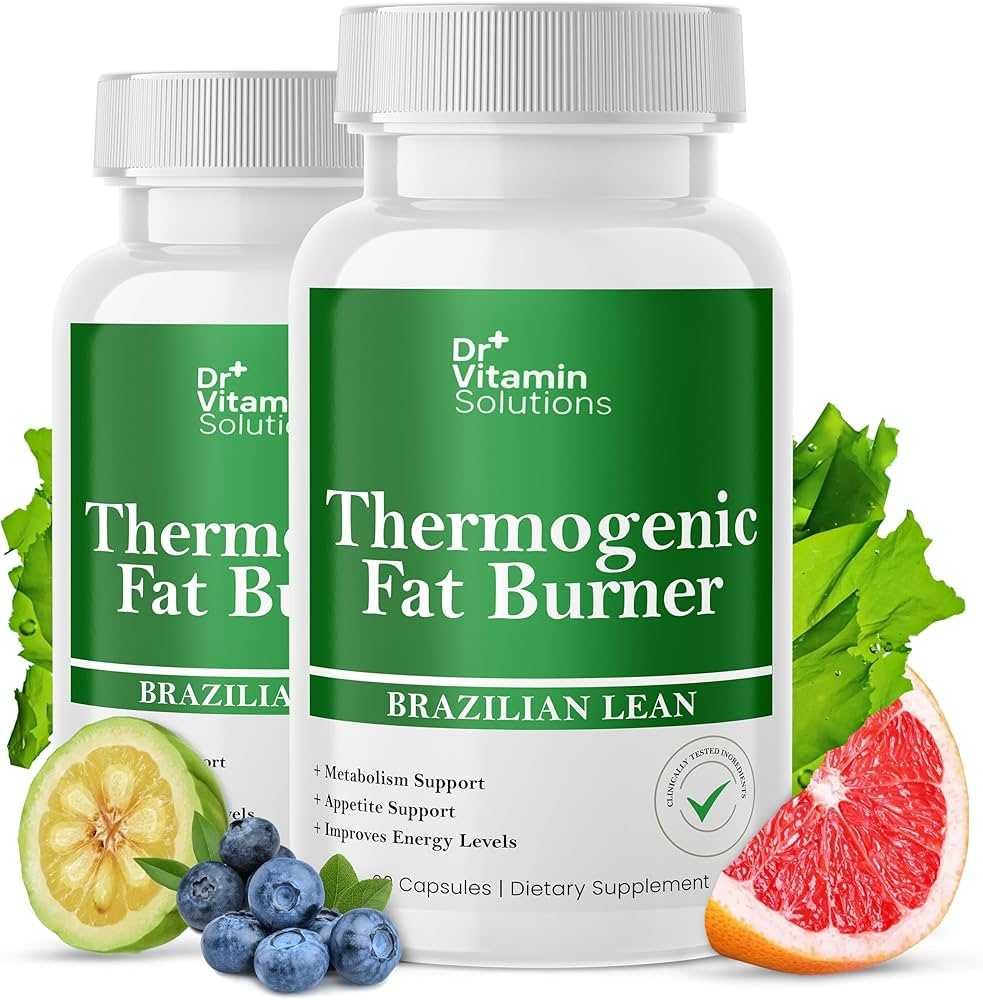
Yes, fat burners can sometimes make you bloated. This uncomfortable side effect occurs because some ingredients in fat burners, like stimulants or artificial additives, can cause water retention or digestive upset. While many people use these supplements to boost their weight loss efforts, they should be aware of potential bloating issues and choose products carefully.
Fat burners are popular among those looking to shed extra pounds quickly, but they aren’t without their quirks. Many users report feelings of bloating after starting the supplement, which can be discouraging when trying to see progress. Bloating can stem from digestive irritation, increased water retention, or the body reacting to certain stimulants. Knowing which ingredients may cause bloating and how to minimize it can help you make a smarter choice while still benefiting from these supplements. Ultimately, understanding your body’s response is key to using fat burners effectively without discomfort.

Can Fat Burners Make You Bloated? An In-Depth Look
Understanding What Fat Burners Are
Fat burners are supplements designed to help your body burn fat more efficiently. They often contain ingredients like caffeine, green tea extract, or CLA that boost metabolism. While many people use them to assist weight loss, there are questions about side effects like bloating.
Why Do People Experience Bloating?
Bloating happens when your stomach fills with gas or fluid, making it feel swollen or tight. Common causes include eating too quickly, consuming high-sodium foods, or digestive issues. Some ingredients in fat burners can also contribute to bloating, especially if your body reacts poorly.
Can Fat Burners Cause Bloating? The Connection
Many users report feeling bloated after starting fat burner supplements. This reaction depends on various factors, such as individual sensitivity and the ingredients in the supplement. Some components may increase water retention or gas, leading to a bloated feeling.
Ingredients in Fat Burners That May Lead to Bloating
Not all fat burners cause bloating, but certain ingredients are more likely to contribute, including:
- Caffeine: Acts as a stimulant but can cause dehydration and water retention in some users.
- Artificial sweeteners: Found in flavored fat burners, can cause gas and bloating in sensitive individuals.
- Diuretic ingredients: Sometimes included to reduce water weight but may cause fluctuations in fluid balance, leading to bloating.
- Fiber components: Some fat burners contain added fiber, which can cause gas and bloating if introduced suddenly or in high amounts.
How Individual Differences Affect Bloating
Everyone’s body reacts differently to supplements. Factors like digestion, allergies, or existing health issues influence whether fat burners cause bloating. People with sensitive stomachs or digestive disorders may experience more bloating.
Role of Hydration and Diet
Dehydration can lead your body to retain water, increasing bloating. Conversely, consuming too much salt can cause water retention. The way you eat your meals while taking fat burners significantly impacts whether you will feel bloated.
Evidence From User Experiences
User reviews often mention bloating after starting fat burners, especially during the first week. Some notice temporary bloating that subsides as their body adjusts. Others may experience persistent discomfort, indicating a need to stop or switch products.
Scientific Studies and Findings
Research indicates that certain ingredients common in fat burners can cause gastrointestinal discomfort. For example, high caffeine intake is linked to increased stomach acid and gas production. However, comprehensive studies directly connect fat burners with bloating are scarce.
Managing and Minimizing Bloating When Using Fat Burners
You can take steps to reduce bloating while using fat burners. Drinking plenty of water helps balance fluids and flush out excess sodium. Additionally, starting with a lower dose allows your body to adapt gradually.
Dietary Tips for Reducing Bloating
Consider these diet changes:
- Eat slowly to improve digestion
- Limit high-sodium foods and processed snacks
- Increase intake of fresh fruits and vegetables
- Maintain regular meal times to prevent overeating
Choosing the Right Fat Burner
Opt for products with transparent ingredient lists and minimal artificial additives. Read reviews and consult healthcare providers before starting any new supplement. Selecting a natural or organic fat burner might also lower the risk of bloating.
When to Stop Using Fat Burners Due to Bloating
If bloating persists or worsens, it’s best to stop using the supplement. Severe discomfort, persistent gas, or stomach pain are signs to seek medical advice. Remember, not all fat burners suit everyone, and your health comes first.
Alternatives to Fat Burners for Weight Loss
If fat burners cause bloating or other side effects, consider natural weight loss methods. These include:
- Eating balanced meals rich in fiber
- Engaging in regular physical activity
- Staying well-hydrated
- Getting enough sleep
Final Thoughts on Can Fat Burners Make You Bloated
While fat burners are popular, they can cause bloating in some people due to their ingredients or individual sensitivities. Understanding what ingredients may trigger bloating allows you to choose products wisely. Monitoring your body’s responses and making adjustments can help you use fat burners safely. It’s crucial to prioritize your health and consult health professionals if you experience persistent discomfort.
STOP EATING THIS IF YOU WANT TO LOSE BELLY FAT
Frequently Asked Questions
Could taking fat burners cause abdominal discomfort or bloating?
Yes, some fat burners contain ingredients that may increase gas or cause water retention, leading to a feeling of bloating or abdominal discomfort. This often depends on individual reactions and the specific formulation of the supplement.
Are there ingredients in fat burners that are known to promote bloating?
Certain ingredients like caffeine, sugar alcohols, and some herbal extracts can promote bloating in some individuals. These substances may irritate the digestive system or cause increased gas production, resulting in a bloated sensation.
How can the size and type of fat burner affect bloating?
Liquid or highly concentrated fat burners might cause more bloating compared to capsule forms, as they can introduce higher quantities of certain ingredients. Additionally, formulations with added fillers or artificial additives may contribute to water retention and bloating.
Can hydration levels influence bloating when using fat burners?
Proper hydration helps regulate fluid balance and reduces water retention, which can minimize bloating caused by fat burners. Conversely, dehydration may worsen feelings of bloating or discomfort.
Are there ways to reduce bloating while using fat burners?
Yes, drinking plenty of water, eating a balanced diet rich in fiber, and avoiding excessive salt intake can help reduce bloating. Monitoring your body’s response and choosing fat burners with fewer bloating-inducing ingredients can also make a difference.
Final Thoughts
Fat burners can cause bloating in some individuals due to ingredients like caffeine and artificial fillers. These substances may irritate the stomach or lead to water retention.
While they help boost metabolism, they do not always prevent bloating, and its occurrence varies from person to person.
In conclusion, can fat burners make you bloated? Yes, they can, especially if you have a sensitive stomach or consume them in excess. Be mindful of your body’s response when using these supplements.
As an Amazon Associate, We earn from qualifying purchases. When you purchase a product through Amazon links on pulsefitguide.com, we may earn a small commission at no extra cost to you. This helps support the site and keep our content free.