

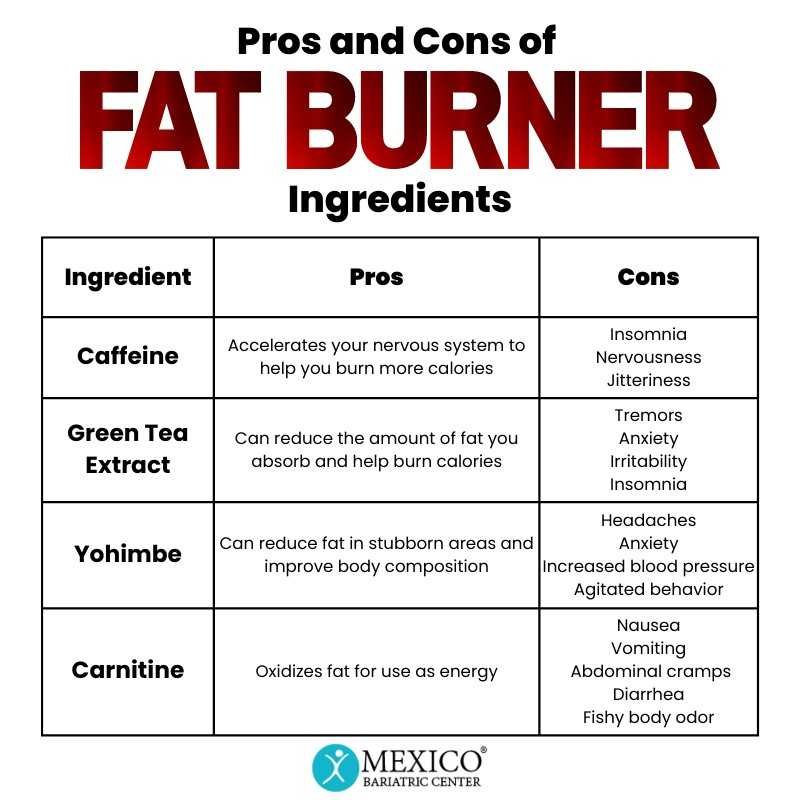
Yes, fat burners can sometimes cause nausea, especially if taken in excess or on an empty stomach. While many people use these supplements to boost weight loss, they can have side effects, including stomach discomfort or nausea.
Fat burners may cause nausea due to their stimulants or other ingredients that irritate the stomach lining, particularly if not taken properly. It’s important to understand the potential risks and how to use these supplements safely to avoid uncomfortable symptoms. If you’re considering using a fat burner, being aware of how it might affect your digestive system can help prevent unwanted side effects and ensure a smoother weight loss journey.

Can Fat Burners Cause Nausea? An In-Depth Look
Understanding Fat Burners and Their Ingredients
Fat burners are dietary supplements designed to help people lose weight by increasing metabolism, reducing appetite, or boosting energy levels. Many contain active ingredients like caffeine, green tea extract, conjugated linoleic acid (CLA), and Garcinia cambogia. While these ingredients can be effective, they can also lead to side effects such as nausea in some users.
Why Do Fat Burners Sometimes Cause Nausea?
Nausea from fat burners often occurs because of the stimulant ingredients like caffeine. These substances can irritate the stomach lining or increase acid production. Additionally, taking high doses or combining fat burners with other stimulants or medications may worsen this effect.
The Role of Caffeine in Nausea
Caffeine, a common component in many fat burning supplements, is a powerful stimulant. It stimulates the nervous system but can also increase stomach acid, leading to feelings of nausea. People sensitive to caffeine are more prone to experiencing nausea after taking fat burners containing high caffeine levels.
Green Tea Extract and Nausea
Green tea extract provides antioxidants but can also cause stomach upset if taken in excess. Its caffeine content and tannins may irritate the digestive tract, especially on an empty stomach. Consuming green tea extract with food can help reduce nausea.
Other Ingredients That Can Cause Nausea
Certain ingredients such as Garcinia cambogia, bitter orange extract, and synephrine have been linked to gastrointestinal discomfort. These compounds can increase stomach acid or cause other digestive issues, particularly if mismatched with individual sensitivities.
Factors Increasing the Risk of Nausea from Fat Burners
Several factors can heighten the chances of experiencing nausea when using fat burners. These include dosage, timing, individual sensitivities, and co-administration with other medications or supplements.
High Dosage and Overuse
Taking more than the recommended dose can overwhelm the stomach and cause nausea. Excessive intake of stimulants like caffeine increases the risk of gastrointestinal distress and other side effects.
Empty Stomach Usage
Consuming fat burners on an empty stomach makes digestive irritation more likely. Food acts as a buffer, protecting the stomach lining from harsh ingredients and reducing nausea.
Individual Sensitivity
Some people have a lower tolerance for certain ingredients and may experience nausea even at standard doses. Factors such as age, metabolism, and medical history influence individual responses.
Combination with Other Substances
Using fat burners alongside other stimulant medications, alcohol, or certain herbal supplements can amplify side effects. This interaction can also increase nausea risk.
Managing and Preventing Nausea from Fat Burners
There are several practical steps to reduce the likelihood of nausea when using fat burners. Proper usage and awareness of your body’s reactions are key in avoiding discomfort.
Follow Dosage Instructions Carefully
Always adhere to the manufacturer’s recommended dosage. Starting with a lower dose can help your body adjust without experiencing nausea.
Take Fat Burners with Food
Consuming supplements with a meal or snack can minimize stomach irritation. Avoid taking fat burners on an empty stomach to prevent nausea.
Stay Hydrated
Drinking plenty of water supports digestion and can lessen stomach discomfort. Proper hydration also helps the body process stimulants more efficiently.
Limit Caffeine Intake from Multiple Sources
If your supplement contains caffeine, avoid additional caffeine from coffee, tea, or energy drinks. Too much caffeine increases the risk of nausea and other side effects.
Choose Quality Supplements
Opt for reputable brands that do not contain unnecessary fillers or contaminants. High-quality products are less likely to cause adverse reactions.
Possible Alternatives for Weight Loss Without Nausea
If you find that fat burners consistently cause nausea, consider safer alternatives such as natural weight loss methods. These include a balanced diet, regular physical activity, and lifestyle changes.
Focus on Diet and Exercise
Eating nutritious foods and staying active help burn calories naturally. These methods rarely cause nausea when done properly.
Consult Healthcare Professionals
Before starting any supplement or weight loss program, speak with a healthcare professional. They can recommend safe options tailored to your health profile.
While fat burners can be effective for weight loss, they do carry a risk of causing nausea, especially if misused or if you have sensitivities. Paying attention to ingredient labels, following dosage instructions, and avoiding empty stomach use can help prevent this unpleasant side effect. Remember, always prioritize your health and consider safer, natural weight management methods when possible.
STOP EATING THIS IF YOU WANT TO LOSE BELLY FAT
Frequently Asked Questions
What ingredients in fat burners might lead to nausea?
Many fat burners contain stimulants like caffeine or other active compounds that can irritate the stomach lining. These ingredients can increase stomach acidity or cause gastrointestinal discomfort, leading to feelings of nausea in some users. Additionally, artificial additives or fillers may upset sensitive stomachs, especially when taken on an empty stomach.
Can taking fat burners on an empty stomach cause nausea?
Yes, taking fat burners without food can increase the likelihood of nausea. When your stomach is empty, the potent ingredients in these supplements may cause irritation or an upset stomach. To minimize this risk, it is advisable to consume fat burners with or after a meal, which helps buffer the stomach and reduce discomfort.
Are there individual factors that make some people more prone to nausea from fat burners?
Individual factors like personal sensitivity to certain ingredients, existing gastrointestinal conditions, or how quickly your body metabolizes supplements can influence nausea risk. Some people may experience stomach upset even with standard doses, especially if they have a history of digestive issues or are taking medications that interact with fat burner ingredients.
How can I reduce the chances of experiencing nausea while using fat burners?
Start with a lower dose to assess your tolerance before increasing intake. Always follow the recommended dosage instructions and avoid taking fat burners on an empty stomach. Drinking plenty of water and choosing products with natural or fewer artificial ingredients can also help reduce gastrointestinal discomfort. If nausea persists, consult a healthcare professional.
Are there specific types of fat burners that are less likely to cause nausea?
Some fat burners formulated with natural ingredients and free from harsh stimulants tend to cause fewer gastrointestinal issues. Products that contain natural extracts, like green tea or Garcinia cambogia, may be gentler on the stomach. However, individual reactions vary, so testing different formulations under medical guidance can help find options better suited for your body.
Final Thoughts
Fat burners can cause nausea as a common side effect, especially if taken on an empty stomach or in high doses. Ingredients like caffeine and stimulants often irritate the stomach lining, leading to discomfort.
Staying within recommended doses and taking fat burners with food can help reduce the risk. If nausea persists, consult a healthcare professional before continuing use.
In conclusion, can fat burners cause nausea? Yes, they can. Being aware of potential side effects helps you make informed choices for your health and weight loss journey.
As an Amazon Associate, We earn from qualifying purchases. When you purchase a product through Amazon links on pulsefitguide.com, we may earn a small commission at no extra cost to you. This helps support the site and keep our content free.