

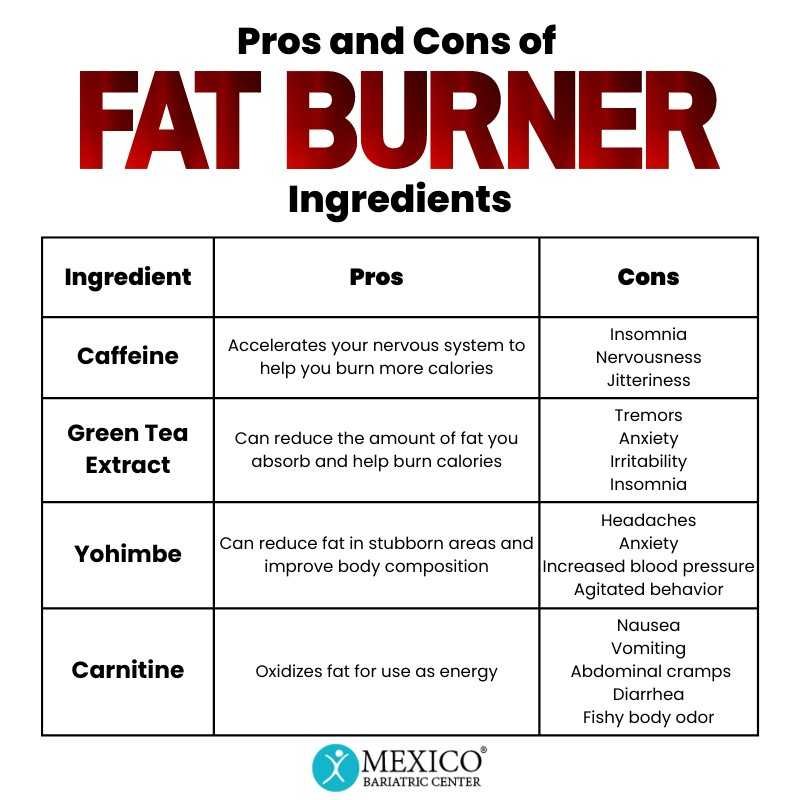
Yes, fat burners can cause headaches in some individuals, often due to ingredients like caffeine or other stimulants that affect blood flow and hydration levels. These headaches are typically a side effect of the body’s response to the supplement and can vary in intensity.
Fat burners are popular among those trying to shed extra pounds quickly, but they can sometimes lead to uncomfortable side effects such as headaches. This happens because many fat-burning supplements contain stimulants that increase energy but may also cause dehydration, blood vessel constriction, or fluctuations in blood sugar levels. If you’re considering using a fat burner, it’s important to be aware of these potential effects and monitor how your body responds. Managing hydration and starting with lower doses can help mitigate headache risks while you pursue your fitness goals.

Can Fat Burners Cause Headaches?
Understanding Fat Burners and Their Ingredients
Fat burners are supplements designed to help increase metabolism and promote fat loss. They often contain ingredients like caffeine, green tea extract, Garcinia cambogia, and synephrine. These components work in different ways, but many have one thing in common—they can influence the nervous system.
Why Do Some People Experience Headaches When Using Fat Burners?
Headaches are a common side effect reported by some users of fat burners. The main reason behind this is the presence of stimulants like caffeine and synephrine. These substances can cause blood vessels to constrict or dilate, leading to headache pain.
The Role of Caffeine in Causing Headaches
Caffeine is a key ingredient in many fat burners because it boosts energy and suppresses appetite. However, it can also trigger headaches, especially if someone consumes too much or suddenly stops intake. Caffeine affects blood flow in the brain, leading to either narrowing or widening of blood vessels.
How Caffeine Affects Headache Development
Excess caffeine causes dehydration, which can lead to headaches. When the body is dehydrated, blood volume decreases, making the brain temporarily shrink and pulling on surrounding tissues, causing pain. Conversely, withdrawal from caffeine can also cause headaches as the body adjusts to the absence of stimulation.
Garcinia Cambogia and Headaches
Garcinia cambogia is a popular ingredient that may cause headaches in some users. It influences serotonin levels and can affect brain chemistry, leading to headache in susceptible individuals. Some users also report gastrointestinal upset that may contribute to headache discomfort.
Synephrine and Its Effects on Headaches
Synephrine is a stimulant found in some fat burners, often used as a substitute for ephedrine. It can cause increased heart rate and blood pressure, which may trigger headaches. Those with pre-existing hypertension are especially vulnerable to synephrine-induced headaches.
Dehydration and Electrolyte Imbalance
Many fat burners enhance sweating and diuresis, leading to dehydration. When the body loses water and electrolytes, headaches often follow. Proper hydration is critical when using these supplements to minimize headache risk.
Signs of Dehydration to Watch For
- Dry mouth
- Dark urine
- Dizziness
- Fatigue
Other Factors Contributing to Headaches from Fat Burners
Besides ingredients, other factors can cause headaches when using fat burners. These include stress, lack of sleep, poor diet, or pre-existing health conditions.
Stress and Anxiety
Some ingredients can heighten anxiety or cause jitteriness, which may contribute to tension headaches. Stress can also make existing pain worse.
Lack of Sleep and Fat Burners
Fat burners containing stimulants can interfere with sleep patterns, leading to fatigue and headaches. Sleep deprivation often worsens headache severity.
Precautions to Take When Using Fat Burners
To reduce the risk of headaches, start with a lower dose and gradually increase if tolerated. Always follow the recommended dosage instructions provided by the manufacturer.
Importance of Staying Hydrated
Drink plenty of water before, during, and after taking fat burners. Proper hydration helps prevent dehydration-related headaches and supports overall well-being.
Consulting Healthcare Professionals
People with underlying health conditions or who are sensitive to stimulants should speak with a healthcare provider before starting fat burners. This minimizes adverse effects and reduces headache risk.
Managing Headaches Caused by Fat Burners
If headaches occur, reduce or stop supplement use and focus on hydration, rest, and proper nutrition. Over-the-counter pain relievers can help, but consult a doctor if headaches persist.
When to Seek Medical Attention
Persistent or severe headaches, especially with other symptoms like chest pain, dizziness, or vision changes, warrant immediate medical care. It’s essential to address underlying causes promptly.
Alternatives to Fat Burners That Minimize Headache Risks
Individuals looking to avoid headaches should consider natural methods such as balanced diet, regular exercise, and adequate sleep. These strategies can support weight loss without the side effects associated with supplements.
Natural Boosters for Fat Loss
- Increasing protein intake
- Engaging in cardio and strength training
- Staying consistent with sleep patterns
- Practicing stress management techniques
Summary
In summary, fat burners can cause headaches mainly due to stimulants like caffeine and synephrine. These ingredients affect blood flow, hydration, and brain chemistry, leading to headache in some users. Proper usage, hydration, and consultation with healthcare providers can help minimize these side effects.
Additional Considerations and Final Thoughts
It’s important to remember that everyone’s body reacts differently to fat burners. Some may experience headaches even at low doses, while others may tolerate higher amounts without issue. Listening to your body and adjusting supplement use accordingly is crucial.
Maintaining a balanced lifestyle, staying well-hydrated, and choosing natural weight loss strategies can help avoid headache problems. Always prioritize your health and seek professional advice if side effects like headaches become persistent or severe.
By understanding how fat burners work and their potential side effects, you can make informed choices that support your health and weight loss goals, while minimizing discomfort such as headaches.
2 SIMPLE Ways to Prevent Headaches While Intermittent Fasting
Frequently Asked Questions
Can taking fat burners lead to dehydration and cause headaches?
Yes, some fat burners contain ingredients like caffeine and diuretics that increase fluid loss, which can lead to dehydration. Dehydration often results in headaches, fatigue, and dizziness. It’s important to stay well-hydrated when using these supplements to minimize the risk of headaches caused by dehydration.
How do stimulant effects in fat burners contribute to headache development?
Many fat burners include stimulants such as caffeine that boost energy and suppress appetite. These stimulants can constrict blood vessels and elevate blood pressure, which may cause headaches, especially in individuals sensitive to caffeine or those who consume additional sources of stimulants. Monitoring intake can help reduce this risk.
Are there specific ingredients in fat burners that are more likely to cause headaches?
Certain ingredients like guarana, green tea extract, and excessive caffeine are more prone to triggering headaches. These substances stimulate the nervous system, which can lead to vasoconstriction and subsequent headache. Reading product labels and choosing formulations with moderation in stimulant content can help prevent this issue.
Can individual sensitivity affect whether fat burners cause headaches?
Yes, individual responses vary; some people are more sensitive to the ingredients in fat burners. Sensitivity to caffeine or other stimulants can lead to headaches even at lower doses. If you notice headaches after starting a fat burner, consider reducing the dosage or switching to a product with milder ingredients.
Is it possible for underlying conditions to make someone more susceptible to headaches from fat burners?
Individuals with existing health issues such as migraines, hypertension, or cardiovascular problems may experience more frequent or severe headaches when using fat burners. It’s advisable to consult a healthcare professional before starting any supplement, especially if you have underlying health conditions.
Final Thoughts
Fat burners can cause headaches as a side effect due to increased caffeine intake or dehydration. Many users report headaches when their bodies react to stimulants in these supplements. Staying well-hydrated and monitoring caffeine consumption can help prevent this issue.
In conclusion, can fat burners cause headaches? Yes, they can, especially if taken improperly or combined with other stimulants. Paying attention to ingredient lists and listening to your body helps reduce this risk.
As an Amazon Associate, We earn from qualifying purchases. When you purchase a product through Amazon links on pulsefitguide.com, we may earn a small commission at no extra cost to you. This helps support the site and keep our content free.