

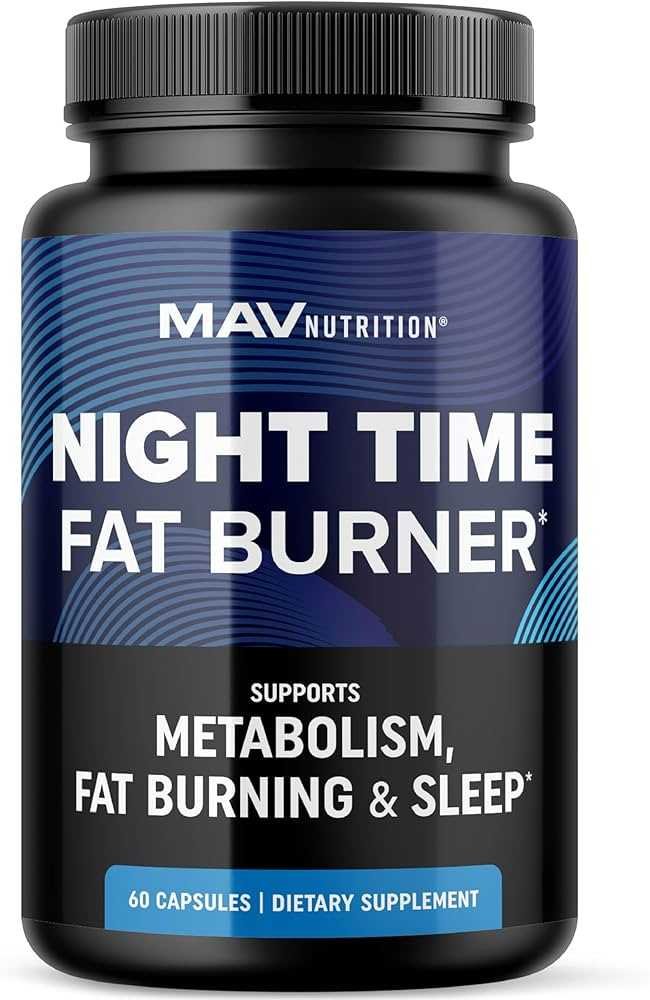
Yes, fat burners can potentially cause acid reflux in some individuals. These supplements often contain ingredients that may relax the lower esophageal sphincter or increase stomach acid, leading to heartburn or indigestion. However, not everyone will experience these side effects, and the severity can vary depending on the ingredients and individual sensitivity.
Fat burners may seem like a quick fix for weight loss, but they come with possible side effects, including acid reflux. Certain ingredients found in these supplements, such as stimulants or herbal extracts, can trigger or worsen acid reflux symptoms. If you’re considering using fat burners and are prone to acid reflux, it’s wise to consult with a healthcare professional. Understanding how these supplements interact with your digestive system can help you make informed choices about your weight loss journey and prevent discomfort along the way.

Can Fat Burners Cause Acid Reflux?
Many people turn to fat burners to help shed extra pounds and feel healthier. However, some users report experiencing acid reflux after taking these supplements. Understanding whether fat burners can cause acid reflux is important to make informed choices about your health.
What Are Fat Burners?
Fat burners are dietary supplements designed to boost metabolism, increase energy, and promote fat loss. They often contain a mix of ingredients such as caffeine, green tea extract, and herbs. These ingredients aim to help the body burn more calories and store less fat.
Common Ingredients in Fat Burners
Knowing what goes into fat burners can help identify potential causes of acid reflux. Common ingredients include:
- Caffeine: A stimulant that increases alertness and energy levels.
- Green Tea Extract: Contains antioxidants and has a mild stimulating effect.
- Yohimbine: Helps improve fat burning but can cause side effects.
- Capsaicin: Found in chili peppers, promotes thermogenesis.
- Garcinia Cambogia: Claimed to suppress appetite and block fat production.
How Do Fat Burners Affect the Digestive System?
The ingredients commonly found in fat burners can impact digestion and acid production. For example, caffeine stimulates the central nervous system, which may increase stomach acid. Similarly, other stimulants can irritate the stomach lining, leading to discomfort.
Can Fat Burners Cause Acid Reflux?
Yes, some fat burners may trigger acid reflux symptoms in certain individuals. The reason lies in their ingredients and their effects on the gastrointestinal tract. For example, stimulants like caffeine can relax the lower esophageal sphincter, allowing stomach acid to flow back into the esophagus.
Role of Caffeine in Inducing Acid Reflux
Caffeine is a known trigger for acid reflux because it can relax the muscles at the bottom of the esophagus. When this muscle relaxes excessively, it can cause stomach acid to escape upward. Additionally, caffeine increases stomach acid production, which may worsen reflux symptoms.
Impact of Other Stimulants and Ingredients
Ingredients such as yohimbine and capsaicin may also contribute to acid reflux. They can irritate the stomach lining, causing discomfort and increasing acid secretion. Some herbs in fat burners may have similar effects, especially if taken in high doses.
Factors Influencing Reflux Risk While Using Fat Burners
Several variables determine whether a person may experience acid reflux from fat burners. These include individual sensitivity, dosage, and other lifestyle factors.
Individual Sensitivity and Pre-existing Conditions
People with a history of acid reflux or gastroesophageal reflux disease (GERD) are more likely to experience symptoms. Their esophageal muscles may already be weak, and stimulants can exacerbate this issue.
Dosage and Duration of Use
Higher doses of fat burners increase the likelihood of side effects, including acid reflux. Prolonged use without proper monitoring can also lead to increased digestive discomfort.
Other Contributing Factors
Diet plays a role in reflux. Consuming fatty foods, spicy meals, or large portions alongside fat burners can amplify symptoms. Lifestyle habits such as smoking and alcohol intake further raise the risk.
How to Minimize the Risk of Acid Reflux When Using Fat Burners
If you decide to use fat burners, taking precautions can help reduce the chance of experiencing acid reflux. Proper use includes:
- Starting with a low dose to assess your body’s reaction.
- Taking supplements with food rather than on an empty stomach.
- Avoiding fat burners close to bedtime to prevent nighttime reflux.
- Staying upright for at least 30 minutes after taking the supplement.
- Reducing intake of other reflux triggers like spicy or greasy foods.
Alternatives to Fat Burners for Weight Loss
If fat burners cause discomfort, consider safer and gentler weight loss strategies. These include maintaining a balanced diet, engaging in regular physical activity, and consulting a healthcare professional.
Healthy Eating Habits
Focusing on whole foods such as fruits, vegetables, lean proteins, and whole grains helps naturally boost metabolism. Eating smaller, more frequent meals can prevent excessive acid production.
Exercise and Physical Activity
Regular exercise not only burns calories but also enhances digestion. Activities like walking, swimming, or cycling are effective and generally safe options.
Consulting Healthcare Providers
Before starting any supplement, it’s wise to speak with a healthcare provider, especially if you have a history of reflux or other health issues. They can recommend appropriate methods for weight management without risking discomfort or health complications.
Summary of Key Points
| Factor | Impact on Acid Reflux |
|---|---|
| Caffeine | Can relax esophageal muscles and increase stomach acid, triggering reflux |
| Herbal Ingredients | Some herbs may irritate the stomach lining, causing discomfort |
| Dosage | Higher doses pose a greater risk of acid reflux |
| Personal Sensitivity | Individuals with pre-existing reflux are at higher risk |
While not everyone will experience acid reflux from fat burners, understanding the ingredients and their effects helps you make safer choices. If you notice symptoms after starting a supplement, it’s best to stop use and consult a healthcare professional. Prioritizing natural methods of weight loss and a healthy lifestyle can also help you achieve your goals without unwanted side effects.
Is Your Fat Giving You Acid Reflux? #shorts
Frequently Asked Questions
Can ingredients in fat burners irritate the stomach and lead to acid reflux?
Yes, certain ingredients commonly found in fat burners, such as caffeine and herbal stimulants, can increase stomach acidity and irritate the lining of the esophagus. This irritation can trigger or worsen acid reflux symptoms, especially in individuals who are sensitive to these substances or already prone to acid-related issues.
How does caffeine in fat burners contribute to acid reflux?
Caffeine stimulates the production of stomach acid, which can overwhelm the digestive system and cause acid to flow back into the esophagus. This backflow results in a burning sensation and discomfort commonly associated with acid reflux. People sensitive to caffeine may notice more frequent or severe symptoms after consuming fat burners containing this stimulant.
Are there specific types of fat burners less likely to cause acid reflux?
Fat burners that do not contain stimulants like caffeine or herbal extracts may pose a lower risk of triggering acid reflux. Choosing formulations with natural ingredients such as fiber or thermogenic compounds that do not stimulate acid production can help minimize the likelihood of reflux symptoms. Always read labels carefully and consult with a healthcare professional if you have a history of acid-related issues.
Can taking fat burners with food reduce the risk of acid reflux?
Consuming fat burners with a meal can help buffer stomach acid and slow down its production, which may reduce the chances of acid reflux. Eating a small, balanced meal before taking these supplements can also help protect the esophageal lining and decrease irritation caused by stomach acids.
Should individuals with GERD avoid using fat burners altogether?
People diagnosed with GERD or frequent acid reflux should exercise caution when using fat burners. Some ingredients might exacerbate their symptoms or trigger flare-ups. It is best to consult a healthcare provider before adding these supplements to your routine to ensure they do not interfere with your condition or medications.
Are there alternative weight loss methods that cause less risk of acid reflux?
Yes, adopting a balanced diet, engaging in regular physical activity, and managing portion sizes typically pose less risk for acid reflux. Natural approaches like increasing fiber intake and avoiding trigger foods can support weight loss while minimizing adverse stomach effects. Always seek guidance from health professionals for personalized advice.
Final Thoughts
In conclusion, fat burners can sometimes cause acid reflux, especially if they contain stimulants or irritants. These ingredients may relax the esophageal sphincter or increase stomach acid, leading to discomfort. If you experience symptoms, consider adjusting your supplement intake or consulting a healthcare professional. Being aware of how fat burners affect you helps maintain your digestive health. Overall, can fat burners cause acid reflux—yes, they can, depending on their ingredients and your personal sensitivity.
As an Amazon Associate, We earn from qualifying purchases. When you purchase a product through Amazon links on pulsefitguide.com, we may earn a small commission at no extra cost to you. This helps support the site and keep our content free.