

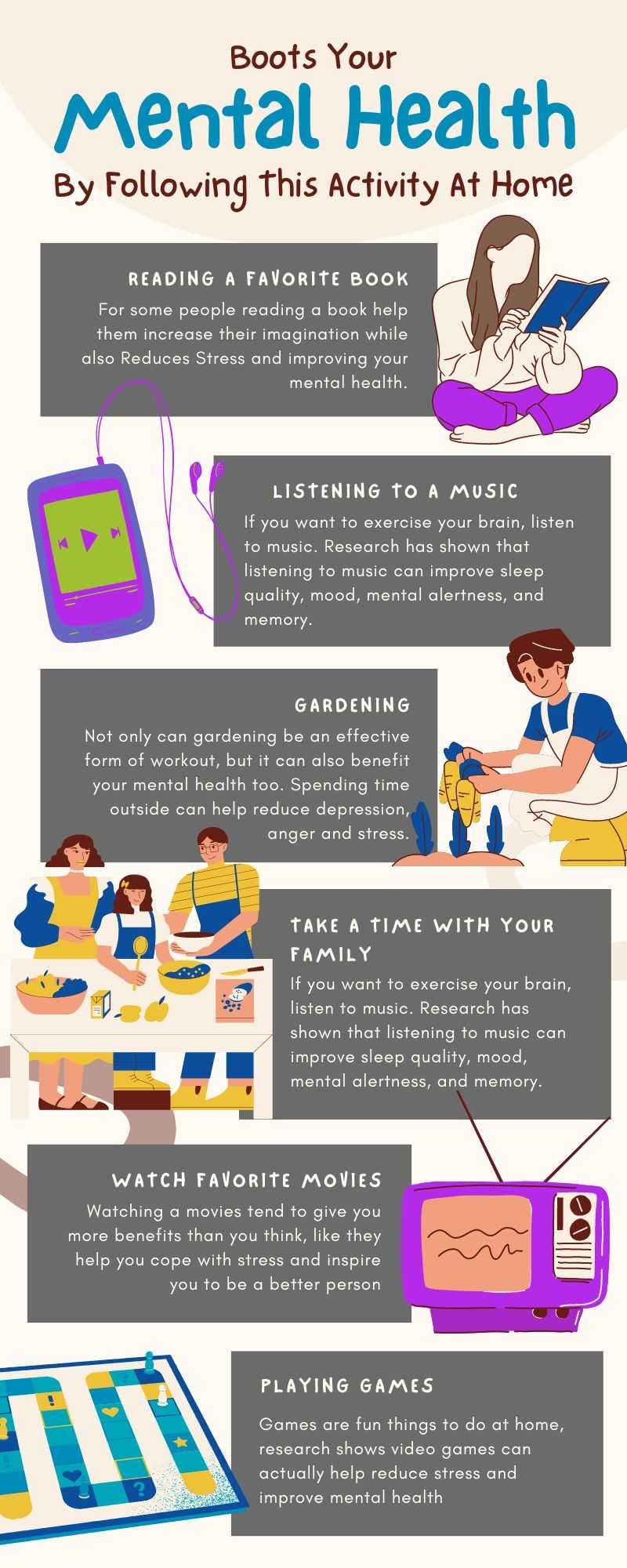
Yes, family workouts can significantly boost mental health, providing a fun and supportive way to reduce stress and strengthen emotional bonds. Engaging in physical activities together encourages laughter, teamwork, and a sense of accomplishment, all of which can alleviate feelings of anxiety and depression. Plus, exercising as a family creates positive routines and shared experiences that promote overall well-being.
Research shows that regular physical activity, especially when done with loved ones, helps release endorphins—nature’s mood lifters—and fosters a sense of community. For families juggling busy schedules and daily pressures, incorporating workouts can be a simple yet powerful strategy to improve mental health. By making exercise a family affair, everyone can enjoy the mental and emotional benefits while creating lasting memories and building a stronger connection.

Can family workouts help with mental health?
Understanding the connection between physical activity and mental health
Physical activity is not just good for the body but also essential for the brain. Regular movement helps release chemicals in the brain that improve mood and reduce stress. Engaging in family workouts creates a positive environment that supports mental well-being for everyone involved.
The benefits of family workouts for mental health
Participating in exercise as a family offers numerous mental health benefits. It encourages bonding, provides emotional support, and boosts self-esteem. These activities can help family members manage feelings of anxiety and depression more effectively.
How family workouts promote emotional bonding
Working out together strengthens emotional ties among family members. Shared activities create a sense of teamwork and mutual encouragement. This connection can lead to better communication and increased feelings of safety and belonging.
The role of shared goals in family exercise routines
Setting fitness goals as a family helps everyone stay motivated and accountable. Achieving these goals together fosters a sense of achievement and pride. It also instills habits of perseverance and resilience.
Types of family workouts that support mental health
Various activities suit different interests and fitness levels within a family. From simple daily walks to fun sports games, there’s a wide range of options to encourage regular participation.
Walking and hiking adventures
Walking is accessible and easy to incorporate into daily life. Going on nature hikes can also boost mood by connecting with the outdoors. The fresh air and scenic views promote relaxation and mental clarity.
Family dance sessions
Dancing is a playful way to get moving and lift spirits. Playing favorite music and dancing together creates joy and reduces stress. It also improves coordination and physical fitness.
Playing team sports
Sports like soccer, basketball, or volleyball encourage teamwork and social interaction. These activities teach patience, cooperation, and handling wins and losses graciously. They also help alleviate feelings of loneliness or social anxiety.
Yoga and mindfulness exercises for families
Practicing yoga or mindfulness as a family can improve emotional regulation. These activities promote relaxation, focus, and a sense of peace. Regular practice can support mental health by reducing anxiety levels.
Creating an effective family workout routine
Developing a routine that everyone enjoys is key to maintaining consistency. Keep activities varied and fun to sustain interest and enthusiasm.
Setting realistic goals
Start with simple, achievable targets tailored to each family member’s age and fitness level. Celebrate progress to build confidence and motivation.
Designing a schedule that fits everyone
Find a time that works for all, such as weekends or evenings. Consistency is critical, so maintaining a regular schedule helps establish healthy habits.
Involving children in planning
Let kids choose activities they enjoy to increase their engagement. Involvement in planning encourages responsibility and ownership of their health.
Overcoming common challenges in family exercise routines
Obstacles like busy schedules or lack of motivation can hinder family workouts. Address these challenges with practical solutions.
Maintaining motivation
Create fun challenges or rewards to keep everyone motivated. Sharing progress and celebrating small victories foster a positive mindset.
Managing differing fitness levels
Adjust activities to accommodate all age groups and abilities. Emphasize participation and effort over competition.
Dealing with time constraints
Incorporate short workouts into daily routines, such as quick stretching or active breaks. Even 10-minute sessions count towards overall mental health benefits.
The role of parents and caregivers in promoting mental health through exercise
Parents set an example that influences children’s attitudes towards physical activity. Showing enthusiasm and commitment encourages kids to stay active.
Leading by example
Engage actively in workouts and share your positive experiences. Demonstrating enjoyment reinforces the importance of staying active for mental health.
Providing emotional support
Encourage and praise efforts, regardless of skill level. Emotional support helps build confidence and resilience.
Creating a positive environment
Ensure activities are fun and pressure-free. A supportive atmosphere enhances the mental health benefits of family workouts.
The impact of regular family exercise on mental health over time
Consistent physical activity fosters long-term mental health improvements. Families that stay active together often experience better emotional stability, reduced stress, and stronger relationships.
Building habits that last
Regular family workouts cultivate a routine, making physical activity an integral part of daily life. Habits formed early can last into adulthood.
Reducing mental health issues
Over time, consistent exercise can decrease risks of mental health problems such as depression and anxiety. The activity supports the brain’s ability to handle stress better.
Enhancing overall family well-being
A commitment to exercise promotes healthier lifestyles. It encourages better sleep, improved mood, and a positive outlook on life.
Related topics to explore for mental health and family fitness
- Nutrition and mental health: How healthy eating complements exercise in boosting mood.
- Sleep and physical activity: The connection between rest, exercise, and emotional well-being.
- Stress management techniques for families: Combining workouts with relaxation strategies.
- Incorporating technology in family fitness: Using apps, videos, and online challenges to stay motivated.
Engaging in family workouts offers more than physical benefits; it creates a supportive environment that nurtures mental health. Sharing activities builds emotional bonds, promotes positive habits, and helps manage stress effectively. Making exercise a family priority can lead to happier, healthier lives, both physically and emotionally.
Family Survival Guide | Exercise For Mental Health
Frequently Asked Questions
How can family workouts positively influence children’s mental health?
Engaging in family workouts provides children with a sense of support and belonging, which can boost their self-esteem and reduce feelings of anxiety or depression. Regular physical activity also helps children develop healthy coping mechanisms for stress and promotes the release of endorphins, creating a more positive outlook on life.
What are some ways family exercise routines boost emotional well-being for all members?
Participating in exercise as a family fosters strong bonds and improves communication, leading to better emotional support systems. It encourages shared experiences and goals, which can enhance feelings of happiness and resilience. Additionally, physical activity helps reduce stress hormones, promoting overall mental stability for each family member.
Can family workouts help reduce stress levels in adults?
Yes, engaging in physical activities with family members helps adults manage daily stress better by providing a distraction and opportunity for relaxation. Exercising together allows adults to share their concerns and receive encouragement, further easing tension and fostering a sense of calm and connection.
How often should families participate in workouts to see mental health benefits?
Ideally, families should aim for at least three to four sessions per week, each lasting around 30 minutes. Consistency is key to experiencing noticeable improvements in mental health, as regular activity helps regulate mood and reduces anxiety over time.
Are there specific types of exercises that are more beneficial for mental health in family settings?
Cardiovascular activities like walking, biking, or dancing tend to be especially effective because they increase heart rate and boost endorphin levels. Group activities that promote interaction, such as team sports or outdoor adventures, also enhance social bonds and emotional well-being among family members.
Final Thoughts
Family workouts foster stronger emotional bonds and boost motivation, creating a positive environment for everyone. Physical activity releases endorphins, which improve mood and reduce stress. Sharing these moments encourages open communication and emotional support within the family.
Can family workouts help with mental health? Yes, they promote habits that enhance well-being and resilience. Engaging in regular activity together helps manage anxiety and depression, contributing to a healthier mental state overall.
As an Amazon Associate, We earn from qualifying purchases. When you purchase a product through Amazon links on pulsefitguide.com, we may earn a small commission at no extra cost to you. This helps support the site and keep our content free.