

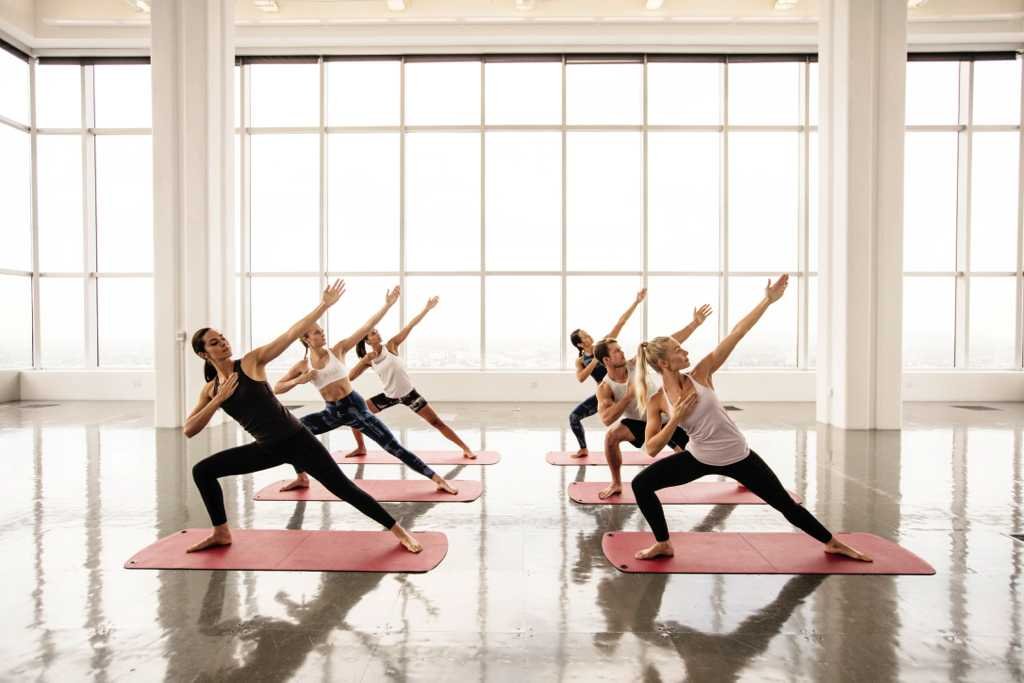
Maintaining a harmonious body balance and seamless body flow is essential for overall well-being and vitality. When your body moves effortlessly and your energy feels balanced, daily life becomes more enjoyable and less draining. The key lies in understanding how to tune your body’s systems to work together smoothly.
Achieving optimal body balance and flow involves integrating mindful movement, proper nutrition, and relaxation techniques into your routine. These practices help align your physical and mental states, reducing stress and enhancing flexibility. When your body moves with ease, it not only boosts your physical health but also elevates your mental clarity, creating a cycle of well-being that benefits every aspect of your life. This article will explore practical ways to improve your body’s natural flow and establish a balanced, harmonious state that keeps you feeling energized and centered.

Understanding Body Balance and Body Flow: The Key to Well-Being
Achieving good **body balance** and **body flow** is essential for health and happiness. When your body is in harmony, movements become smooth, and stress decreases. These concepts are connected to physical health, mental clarity, and overall vitality. Exploring how to improve both can lead to a more energetic and balanced life.
What Is Body Balance?
**Body balance** refers to the coordination of muscles, bones, and joints to keep you upright and steady. It involves both physical strength and stability, allowing you to perform daily activities. Good balance prevents falls and injuries, especially as you age.
The Importance of Maintaining Body Balance
Stable balance keeps you safe and reduces the risk of accidents. It also enhances athletic performance and helps in recovery from injuries. Maintaining balance is a continuous process that requires regular practice and awareness.
Factors Affecting Body Balance
- Muscle strength: Weak muscles can cause instability.
- Inner ear function: The vestibular system helps detect motion and position.
- Vision: Well-functioning eyesight assists in maintaining orientation.
- Neurological health: Proper nerve signals coordinate movements.
What Is Body Flow?
**Body flow** describes the smooth, effortless movement of muscles and joints. It reflects the natural rhythm of your body, often linked to vitality and relaxation. When body flow is optimal, movements feel fluid and natural.
Relevancy of Body Flow in Daily Life
When your body flows well, you can perform tasks without strain or stiffness. It contributes to better posture and reduces muscle tension. Optimizing body flow encourages a sense of calm and physical ease.
How Body Flow Affects Mental State
Moving with proper flow can improve focus and reduce stress. It makes you feel more connected to your body and environment. Good body flow supports mental clarity and emotional stability.
Connection Between Body Balance and Body Flow
These two concepts are closely linked; good body balance creates a foundation for better body flow. Conversely, smooth movement encourages muscle strength and stability, strengthening overall balance.
Synergistic Benefits
- Reduced risk of injury: Improved balance and flow lower slips and falls.
- Enhanced athletic performance: Movement efficiency increases.
- Quicker recovery: The body heals faster when movements are natural and controlled.
- Stress reduction: Movement that flows freely calms the mind and relaxes muscles.
Practices to Improve Body Balance
Balance Exercises
Simple exercises like standing on one leg or using balance boards strengthen stabilizer muscles. Incorporate yoga poses like Tree Pose or Warrior III for enhanced stability. Regular practice helps build confidence and physical resilience.
Core Strengthening
A strong core is vital for balance. Exercises such as planks, bridges, and abdominal workouts support the spine and pelvis. Strengthening core muscles improves posture and reduces risk of falls.
Stretching and Flexibility
Regular stretching loosens tight muscles, allowing for better movement. Focus on hamstrings, calves, and hip flexors, which influence overall balance. Flexibility enhances body flow during daily activities and exercise.
Practices to Enhance Body Flow
Mind-Body Movements
Engaging in practices like Tai Chi or Qigong promotes slow, controlled movements. These exercises enhance coordination and help develop fluid motion. They also encourage mindful awareness of body sensations.
Dance and Movement Therapy
Dance encourages natural movement patterns that improve body rhythm. It can also boost confidence and emotional well-being. Moving to music helps synchronize body flow with rhythm.
Breathing Techniques
Deep, diaphragmatic breathing relaxes muscles and supports smooth movement. Controlled breathing fosters a sense of calm and improves oxygen flow, vital for maintaining body flow.
Nutrition and Lifestyle’s Role in Body Balance and Body Flow
Proper Nutrition
A balanced diet rich in vitamins and minerals provides the energy and nutrients necessary for muscle and joint health. Hydration keeps tissues supple, supporting flexibility and flow.
Sleep and Rest
Good sleep is crucial for muscle repair and mental clarity. Adequate rest reduces fatigue that can impair balance and movement. Restful sleep helps maintain overall vitality.
Stress Management
Chronic stress tightens muscles and hampers coordination. Stress reduction techniques like meditation and mindfulness foster a relaxed state that supports natural body flow.
Integrating Body Balance and Body Flow into Daily Life
Routine Practices
Daily stretching, mindful movement, and breathing exercises reinforce both balance and flow. Consistency leads to lasting improvements and a healthier body-mind connection.
Creating a Supportive Environment
Ensure your workspace and home are safe, well-lit, and free of clutter. Proper footwear and ergonomic furniture help maintain good posture and prevent strain during movement.
Monitoring Progress and Adjustments
Track your improvements and adjust your routines accordingly. Listening to your body and seeking expert guidance when necessary can optimize outcomes.
Related Topics to Explore
- Yoga: Practices specifically designed to boost balance and flow.
- Physical therapy: Targeted exercises for restoring movement harmony.
- Mindfulness and meditation: Mental techniques to support physical well-being.
- Ergonomics: How proper workspace design improves body mechanics.
By understanding and nurturing both **body balance** and **body flow**, you create a foundation for improved health and wellness. Regular practice, awareness, and a holistic approach can help you live more comfortably and energetically every day.
LES MILLS | New BODYBALANCE
Frequently Asked Questions
How does body flow contribute to overall physical well-being?
Body flow enhances overall physical health by promoting better circulation, flexibility, and balance. When the body’s energy moves smoothly, it reduces tension and stress, leading to improved posture and stronger muscles. Regularly supporting body flow helps prevent injuries and boosts recovery after activity.
What are some common techniques used to improve body flow?
Practices such as yoga, tai chi, and specific stretching routines effectively improve body flow. These techniques focus on slow, controlled movements that open up energy channels and strengthen muscles. Incorporating deep breathing exercises also helps facilitate smoother energy movement throughout the body.
How can maintaining a balanced body flow impact mental health?
A balanced body flow can positively influence mental health by reducing stress and promoting relaxation. When energy moves freely, it decreases mental tension and enhances clarity. Regularly practicing exercises that support body flow can lead to better mood, increased focus, and overall emotional resilience.
What role does posture play in maintaining a healthy body flow?
Good posture supports the natural movement of energy within the body. Proper alignment ensures that muscles and joints work efficiently, preventing blockages that can disrupt body flow. Maintaining upright and relaxed posture helps sustain energy balance and reduces discomfort or fatigue.
Can lifestyle choices affect the body’s natural flow of energy?
Yes, lifestyle choices such as diet, stress management, and physical activity significantly influence energy flow. A balanced diet, regular exercise, and adequate rest help keep energy moving smoothly. Conversely, high stress levels and poor habits can create blockages, hindering overall body function.
Final Thoughts
Body balance body flow emphasizes the importance of harmony within physical movements and mental focus. When your body flows smoothly, your overall well-being improves and daily activities become easier.
Maintaining this balance requires mindful practice and consistent effort. It helps reduce stress, enhances flexibility, and boosts energy levels.
In conclusion, embracing the concept of body balance body flow enhances both physical health and mental clarity, leading to a more energized and centered life.
As an Amazon Associate, We earn from qualifying purchases. When you purchase a product through Amazon links on pulsefitguide.com, we may earn a small commission at no extra cost to you. This helps support the site and keep our content free.