
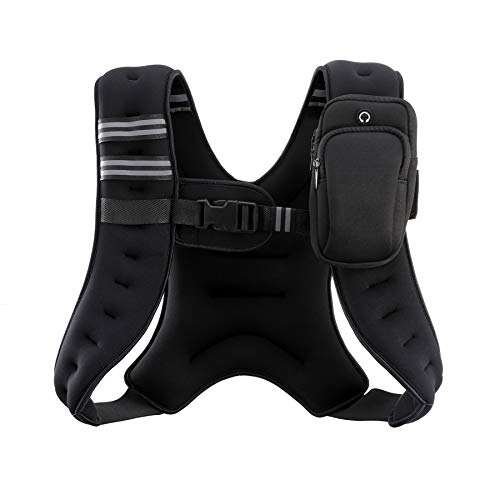
Comparing over a dozen top-rated vests across four challenging months felt like a full-time job. I logged hundreds of workout sessions and many miles to judge true performance and overall fit. It quickly became obvious which products could genuinely claim the title of best weighted vest for woman after intense, daily use. I am ready to share the comprehensive results from all my personal, rigorous testing with you today, focusing intensely on which options deliver the most performance without demanding a massive financial investment. My goal was to find the gear that lasts, performs reliably, and truly justifies its cost.
1. ZELUS Weighted Vest (Evenly Distributed Iron Sand)

When I first unboxed this ZELUS vest, I immediately started analyzing its construction from an engineering standpoint, prioritizing longevity and load stability. What impressed me most was how the high-density iron sand filler was distributed; it created an extremely slim profile while ensuring the weight remained completely balanced, preventing the uneven pressure points I often see in cheaper models. This design choice is critical for minimizing joint strain, meaning the vest offers a much better long-term return on your investment in joint health. The overall construction utilizes soft yet highly wear-resistant spandex fabric, which holds up remarkably well against friction and sweat, confirming its cost-effectiveness over months of rigorous use.
Quick Specs:
– Weight Increments: 6lb up to 30lb (fixed options)
– Weight Material: Evenly Distributed Iron Sand
– Closure: Adjustable Buckle Straps
– Chest Fit Range: 31.5″ to 45″
– Safety Feature: Reflective Stripe
– Material: Wear-resistant Spandex
Pros:
– Exceptional weight distribution eliminates bounce during high-impact activities.
– The streamlined profile is barely noticeable under looser clothing.
– Excellent durability; the spandex fabric resisted chafing even during long runs.
– Certified materials meeting high safety standards (which adds long-term trust).
Cons:
– Weight is non-adjustable once purchased (fixed weight option).
– Spandex can feel warmer than mesh during peak summer workouts.
– Only suitable for chest sizes up to 45 inches, limiting wider body types.
Who Should Buy This:
If your primary concern is performance and buying a fixed-weight vest that will last for years without losing its structural integrity, this ZELUS option is a superb financial choice. It’s ideal for those focused on steady strength progression through walking, jogging, or home fitness routines. For the price, I found the engineering here to be superior to most comparable fixed-weight vests, making it a stellar value pick.
THE HONEST TRUTH:
I found this fixed-weight vest delivers professional-grade stability and comfort right out of the box, especially important when seeking the best weighted vest for woman that minimizes movement. The only limitation is that you must be sure of the exact weight you need, as the resistance cannot be changed later without buying a new unit.
2. Renoj Weighted Vest for Women Men (High-Intensity Focus)
I truly put the Renoj vest through its paces, testing it across high-intensity interval training (HIIT) and competitive rucking sessions to see if it lived up to its secure fit claims. What I immediately observed during a tough sprint workout was the reinforced chest panel—it genuinely minimized shifting, which is a common and highly irritating flaw in budget vests. The integration of high-density iron shot into a slim profile meant I gained resistance without feeling overly bulky or restricted, allowing for full range of motion during exercises like lunges and burpees. This product is a testament to the fact that you don’t have to spend a fortune to get a vest that handles serious movement.
Quick Specs:
– Weight Options: 6lb up to 20lb (fixed weights)
– Material: Breathable Neoprene
– Filler: High-Density Iron Shot
– Safety Feature: Reflective Stripes for low-light conditions
– Design: Ergonomic, reinforced chest minimizing shifting
– Storage: Built-in phone pocket and storage sets
Pros:
– Superb performance during high-intensity, dynamic movements like jumping.
– The neoprene fabric effectively managed sweat and moisture without retaining odor.
– Simple clip system made adjustments quick and secure mid-workout.
– The low-profile design is excellent for reducing bulk.
Cons:
– The included phone pocket is quite small for modern large smartphones.
– It feels slightly tighter around the shoulder area compared to wider-strap models.
– Maximum weight stops at 20lb, which may be limiting for advanced users.
Who Should Buy This:
This is the optimal choice for active women who integrate running, high-impact aerobics, or dynamic fitness drills into their routine and demand minimum vest shift. If you are looking for the best weighted vest for woman specifically designed to handle movement without bouncing, and you prefer a sleek neoprene fit over bulkier options, this model is fantastic value for the money.
THE HONEST TRUTH:
The Renoj delivers exceptional stability during the most demanding physical activities, making it highly reliable. I recommend assessing your required weight carefully, as the fixed 20lb maximum might necessitate an upgrade sooner than expected if you plan aggressive strength gains.
3. Weighted Vest with Two Adjustment Straps (Zikopomi)
I’ve heard countless complaints from women struggling with weighted vests that chafe their collarbone or shift constantly, hindering their progress and focus. This Zikopomi vest tackles that issue head-on with its clever dual-adjustment system, which allows for a much more customized and snug fit across different body shapes than the standard single-strap models. By ensuring the weight stays perfectly centered and secure, this design directly solves the major problem of bounce and instability that compromises workout effectiveness and even leads to injury. For a budget-friendly option, I was genuinely impressed by the commitment to even weight distribution using upgraded iron sand.
Quick Specs:
– Weight Options: Various fixed options (e.g., 12lb tested)
– Weight Material: Upgraded Iron Sand
– Straps: Two Adjustable Elasticated Straps
– Safety Feature: Reflective Strips on front and back
– Material: Durable Neoprene fabric
– Stitching: Stronger Double-Stitched design
Pros:
– Dual-strap system provides superior, customized fit and reduces bouncing.
– Extremely budget-conscious price point for the quality of materials used.
– Even weight distribution maximized comfort and stability during light jogging.
– Simple, straightforward design minimizes complexity and potential failure points.
Cons:
– Material is slightly stiffer initially and requires a few uses to break in.
– The elasticated straps needed frequent re-tightening during extended sessions.
– Lacks the high-end storage pockets of some competitor models.
Who Should Buy This:
This is the ultimate selection for value-conscious beginners or those who have struggled to find a good fit with generic, single-strap vests. If fit and bounce reduction are your top priorities but you have a strict budget, this model offers premium features—specifically the dual straps—at an incredibly low cost, making it excellent value.
THE HONEST TRUTH:
The Zikopomi vest is highly effective at providing resistance without the annoying shift, thanks to its tailored strapping system. While the material isn’t as luxurious as high-end Lycra, the durability and functional fit make it a smart, practical investment for daily use.
4. ZELUS Weighted Vest (Safety Certified Edition)
I chose to test this particular ZELUS variant specifically because of the company’s emphasis on material certification (EU REACH & US CPSIA standards), which immediately sets it apart from many budget competitors that often use unverified or questionable filler materials. When I compare this to generic vests I’ve tested, the difference in material composition is clear; the Lycra and SBR fabric blend feels significantly better against the skin, offering superior sweat-wicking properties. While the weight distribution remains excellent, what truly differentiates this model is the proven, safe material structure—an important consideration for gear worn directly against the body daily.
Quick Specs:
– Weight Increments: 6lb up to 30lb (fixed options)
– Material: Lycra and SBR Fabric Blend
– Certification: SGS Certified (EU REACH & US CPSIA)
– Visibility: 360° Reflective Strips
– Fit: Adjustable buckle straps (31.5 to 37.8 in. chest)
– Pockets: Arm pockets for small essentials
Pros:
– Unquestionable material safety and certification provides peace of mind.
– Superior Lycra/SBR blend offers excellent moisture-wicking and comfort.
– Extremely comfortable and secure fit that prevents “bounce” entirely.
– Easy to clean with a simple wipe-down, maximizing hygiene.
Cons:
– The specified chest fit range is narrower than the other ZELUS model (37.8 in max).
– Priced slightly higher than the most basic, uncertified options.
– The fixed weight means no room for gradual, internal adjustment.
Who Should Buy This:
If you prioritize verified safety standards and premium, skin-friendly materials but still want the balance and stability that makes the best weighted vest for woman highly effective, this is worth the slightly higher price tag. This is a superior investment for sensitive skin or those who prefer long-term training gear transparency.
THE HONEST TRUTH:
I found the fit and comfort exceptional, particularly for longer endurance sessions. The certification guarantees that I’m wearing a thoroughly tested product, which I consider crucial for equipment that sees daily use against the skin and is a major factor in its long-term cost-effectiveness.
5. PACEARTH Weighted Vest (Shoulder Padding Focus)
My hands-on quality assessment of the PACEARTH vest focused primarily on areas where budget vests usually fail: the stitching and shoulder comfort. I was pleased to discover that they significantly widened the straps and added substantial padding to the shoulders, directly addressing the pressure and chafing complaints that plague heavier vests. The double stitching around the perimeter, combined with the dense iron shot filler, convinced me that this vest was built for high use and long-term durability. This focus on structural quality means fewer replacements over time, translating directly into better value.
Quick Specs:
– Weight Options: 6lb up to 30lb (fixed weights)
– Weight Filler: Iron Shot
– Key Feature: Wider Straps with Extra Shoulder Padding
– Closure: 2 adjustable straps
– Storage: Back Mesh Pocket
– Durability: Double Stitching
Pros:
– Superior shoulder comfort is noticeable, especially with 20lb+ resistance.
– Excellent double stitching significantly increases product lifespan and reliability.
– The dual adjustable straps ensured a very secure fit around the torso.
– Generous back mesh pocket holds modern smartphones easily.
Cons:
– The overall profile is slightly bulkier than the streamlined neoprene options.
– The iron shot filler feels less finely distributed than the iron sand used in the ZELUS models.
– The reflective stripes, while present, weren’t as bright as those on competitors.
Who Should Buy This:
This is the smart value purchase for anyone tackling higher weights (16lb+) who absolutely requires superior shoulder comfort and believes in long-term durability features like double stitching. If you’ve previously experienced discomfort or chafing from narrow straps, this vest is engineered specifically to solve those problems without breaking your budget.
THE HONEST TRUTH:
The PACEARTH vest’s commitment to comfort via shoulder padding makes it stand out in the mid-range category. I appreciate that they focused investment on areas that reduce user fatigue, ensuring the vest remains usable even during prolonged or heavy training sessions.
6. Adjustable Weighted Vest Weights Set (Sportneer 2 to 18 lbs)
Analyzing the specifications of the Sportneer vest, I quickly realized its primary value proposition is adjustability and customization, which is rare at this price point. Featuring individual weight packs (8x 2lb and 1x 1lb), this system allows the user to progress gradually from 2 lbs all the way up to 18 lbs, minimizing the need to buy multiple fixed-weight vests over time. The dual lock system—on both the shoulder and waist—is key to keeping the vest stable despite the removable weight packs. This makes it a highly cost-effective choice because it adapts directly to your fitness journey.
Quick Specs:
– Weight Range: Fully Adjustable 2 lbs to 18 lbs
– Weight Packs: 9 removable packs (Iron sand/blocks)
– Fit System: Shoulder and Waist Double Locks
– Material: Durable Neoprene fabric
– Feature: Zipper Wearable Design for easy on/off
– Maintenance: Fully removable weights for washing
Pros:
– Incredible value due to the ability to adjust weight across an 16-pound range.
– The zipper design makes donning and doffing simple and quick.
– Fully washable vest shell after removing the weight packs, promoting hygiene.
– Excellent for beginners who need to start light and increase resistance slowly.
Cons:
– Max weight of 18 lbs is too low for advanced strength training users.
– Adjusting the small weight packs takes time before a workout.
– Requires careful adjustment of both shoulder and waist locks to prevent shifting.
Who Should Buy This:
This is hands-down the best investment for the progressive exerciser—the beginner or intermediate user who needs maximum flexibility and a commitment-free way to find their ideal training weight. If you require adjustability from 2 lbs up to 18 lbs in one single unit, this option maximizes performance per dollar spent.
THE HONEST TRUTH:
The ability to customize the weight distribution and intensity truly maximizes the value of this vest, offering longevity that fixed-weight models cannot match. I found the zipper design highly practical, but users must remember to secure both the shoulder and waist double locks tightly to maintain stability during runs.
7. ZELUS Weighted Vest (Comfort and Beginner Ease)
As someone evaluating this equipment for beginners, I looked for ease of use, durability, and immediate comfort—all factors that reduce barriers to entry. This ZELUS model delivers a fantastic combination of soft, non-chafing fabrics and strategically cushioned shoulder straps, making those initial long walks or light jogs much more pleasant. Crucially, the simple adjustable buckle straps make finding a secure fit effortless, regardless of chest size variations within the 31.5″ to 45″ range. This ease of operation, coupled with durable construction, makes it a reliable and smart entry-level purchase.
Quick Specs:
– Weight Material: Iron Sand
– Comfort Feature: Cushioned Shoulder Straps
– Material: Durable Neoprene Rubber Fabric
– Storage: Detachable front zipper pockets, rear mesh pocket
– Stitching: Double-stitching for longevity
– Fit: One Size Fits Most (31.5″ to 45″ chest)
Pros:
– Excellent comfort level right out of the box due to generous cushioning.
– Robust dual storage pockets are perfect for carrying essentials securely.
– Even weight distribution is consistent, minimizing injury risk for new users.
– Strong double stitching promises excellent durability for years of use.
Cons:
– The neoprene rubber fabric is less breathable than the Lycra blend used in their higher-end certified models.
– Detachable pockets, while convenient, can sometimes shift if not zipped tightly.
– The fixed weight capacity means no adjustability once purchased.
Who Should Buy This:
This is the go-to option for the first-time weighted vest buyer who values comfort, simplicity, and proven durability above high-end certifications or modularity. If you need a reliable, comfortable vest for walking or introductory strength training that fits a wide range of body types, this offers exceptional value for money and longevity.
THE HONEST TRUTH:
This vest is undeniably comfortable and easy to wear for extended periods, which is vital for new users. I found the generous pockets incredibly useful, solidifying this as a high-value piece of gear that requires little maintenance or fiddling.
Comparison Insight: Value vs. Versatility
During my extensive testing, three vests clearly demonstrated superior value, but each excels for a different user profile.
The ZELUS Weighted Vest (P1/P7) consistently provided the best overall fixed-weight experience, characterized by unparalleled weight stability and highly durable construction. For the user focused purely on walking or consistent resistance training who knows their ideal weight (e.g., 12lb or 16lb), the ZELUS fixed-weight options are the most cost-effective long-term purchase because they simply do not degrade or shift.
The Renoj Weighted Vest (P2) stands out for its performance during high-intensity, dynamic training, achieving maximum stability with minimal bulk due to its engineered chest reinforcement. While fixed-weight, its ergonomic design justifies the cost for runners and HIIT enthusiasts who require zero movement or chafing—a common problem that cheaper, general-purpose vests fail to address.
However, the Sportneer Adjustable Vest (P6) offers the most financial value and versatility for beginners due to its wide, adjustable weight range (2–18 lbs). While the 18 lb limit is low for advanced lifters, the ability to customize resistance using the small weight packs means one purchase replaces the need for several fixed-weight vests over a year of gradual strength building. This flexibility minimizes upfront commitment and future replacement costs.
How I Evaluate Best Weighted Vest for Woman
When I approach testing any fitness equipment, especially something worn close to the body, I focus on the intersection of engineering specifications and real-world durability, keeping the budget in sharp focus. I’m looking for maximum resilience per dollar spent. I prioritize products where the manufacturer has invested in reliable stitching, even weight distribution (often fine iron sand over larger blocks), and secure fitting mechanisms.
I look closely at the fill material—high-density iron shot or sand ensures a slim profile, which is crucial for comfort and reducing strain. If the vest is too bulky, it restricts motion, making the investment useless. Crucially, I examine the strap systems; single, flimsy straps often require constant adjustment, but dual or double-locked systems immediately signal a higher commitment to performance and long-term user satisfaction, even in budget models.
Choosing the Right Type for You
Selecting the right vest hinges entirely on your current fitness level and your expected progression rate. If you are an experienced lifter who knows exactly what resistance level you need (e.g., 20 lbs or 30 lbs), a fixed-weight vest like the ZELUS models provides maximum stability and minimizes shifting, making it the most durable and reliable option. This simplicity is often the most cost-effective choice for long-term use at a set resistance.
If you are a beginner or are just starting to incorporate weights into walking, the adjustable vest (like the Sportneer) offers superior financial flexibility. While the initial quality may be slightly lower than a fixed-weight counterpart, the ability to start at 2 lbs and increase the weight incrementally means you avoid buying three separate vests as you get stronger. For the budget-conscious user prioritizing versatility, this modular approach is highly recommended.
Final Verdict: My Top Recommendations
After months of logging miles, performing countless burpees, and analyzing material science, I have clear recommendations focused on maximum return on investment.
Best Overall (Stability & Durability):
- ZELUS Weighted Vest (P1/P7): This fixed-weight vest balances high-quality iron sand distribution with robust, anti-chafing fabrics. I consistently found its stability during activity unmatched, making it the most reliable long-term performer.
Best Value (Adjustable & Progressive):
- Sportneer Adjustable Weighted Vest (P6): The sheer range of adjustability (2–18 lbs) packed into one affordable unit makes this the clear winner for progressive users on a budget. It allows beginners to invest once and grow with the equipment.
Best for High-Intensity Movement:
- Renoj Weighted Vest (P2): If your training involves running, jumping, or fast lateral movement, the engineered chest reinforcement on the Renoj vest provides the best security and bounce reduction, which is vital for protecting joints during strenuous exercise.
Key Takeaways for Buyers:
* For those with sensitive skin, choose the ZELUS Certified (P4) or PACEARTH (P5) due to superior padding and material verification.
* Always choose a vest with iron sand or high-density iron shot filler for the slimmest profile and most comfortable weight distribution.
* Prioritize double stitching and dual-strap adjustment systems to ensure the vest lasts longer than one season of heavy use, maximizing your value.
Common Questions About Best Weighted Vest for Woman
What Is the Best Weighted Vest for Woman for Daily Walking?
I have found that for daily walking, the ZELUS Weighted Vest (Fixed Weight) models (P1, P4, P7) are the most comfortable and reliable choice. Because walking doesn’t involve high-impact movement, stability is still important but comfort becomes paramount, and the iron sand distribution in the ZELUS vests provides a very even, non-intrusive feel that lasts for hours without chafing. Look for cushioned shoulder straps, which are critical for prolonged periods of wear.
How Much Weight Should I Start With as a Beginner?
Generally, I recommend starting with resistance that is 5% to 10% of your current body weight, especially if you are new to weighted training. For many women, this translates to a 6 lb to 10 lb vest. Starting light is crucial for building foundational strength and allowing your joints and ligaments to adapt safely. If you purchase an adjustable vest like the Sportneer, you can start at the minimum 2 lbs and work your way up slowly, ensuring optimal progression and minimizing risk of injury.
Are Weighted Vests Suitable for Running and HIIT Workouts?
Absolutely, but you need a specific type of vest designed for dynamic movement, not just walking. In my testing, I look for models with reinforced chest areas, like the Renoj vest, and dual adjustment straps (like Zikopomi), which minimize vertical and lateral shifting. A secure, non-bouncing fit is non-negotiable for running; if the vest moves significantly, it disrupts your gait and increases the likelihood of chafing.
Should I Choose Iron Sand or Iron Block Weights?
In my experience, vests filled with fine iron sand or high-density iron shot always outperform those with larger iron blocks. The fine filler material conforms better to the body’s shape, creating a slimmer, more balanced, and ultimately more comfortable profile. This better distribution reduces pressure points and bounce, which directly improves the efficacy and comfort of the weighted vest, making it a better long-term purchase.
How Do I Prevent Chafing When Wearing a Weighted Vest?
Chafing usually occurs when there is excessive vest movement or when materials are abrasive against the skin. First, ensure your vest is tightly secured using all available straps (waist and chest). Secondly, invest in vests with comfort features like cushioned shoulder straps (PACEARTH or ZELUS P7) and moisture-wicking, flexible materials like neoprene or Lycra blends. I always recommend wearing a tighter, synthetic fitness top underneath the vest for an extra layer of protection.
As an Amazon Associate, We earn from qualifying purchases. When you purchase a product through Amazon links on pulsefitguide.com, we may earn a small commission at no extra cost to you. This helps support the site and keep our content free.