
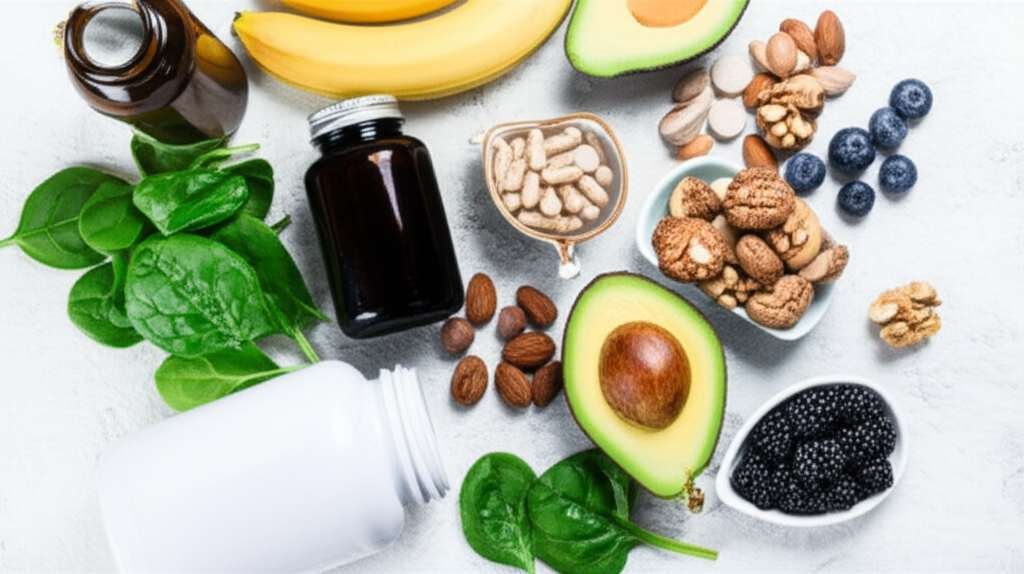
Quick Summary: Want to boost your PCOS weight loss? Focus on these amazing supplements: Inositol, Omega-3s, Vitamin D, and Magnesium. They help balance hormones, reduce inflammation, and support your journey to feeling great!
Feeling a bit stuck with your weight loss, especially with PCOS? It’s totally normal to feel that way. Sometimes, it feels like an uphill battle, right? You’re tired, maybe a little unmotivated, and not sure where to even begin. But guess what? You’re not alone, and it doesn’t have to be so complicated. We’re going to break down some super helpful supplements that can give your PCOS weight loss a real boost. Get ready to feel more energized and see some amazing results! Let’s dive in and find what works for you!
What Exactly Are PCOS and Weight Loss Challenges?
Okay, so let’s chat about PCOS. It stands for Polycystic Ovary Syndrome. It’s a common condition that can mess with your hormones. This can lead to a bunch of things, like irregular periods, acne, and yes, making weight loss feel way harder. Your body might store fat more easily, and it can be tougher to build muscle. It’s like your body is working against you, and that’s frustrating!
When you have PCOS, your body might not use insulin as well as it should. This is called insulin resistance. Insulin is a hormone that helps your cells get energy from the food you eat. When it doesn’t work right, your body can make too much insulin. This extra insulin can tell your ovaries to make more male hormones, like testosterone. High testosterone can cause those PCOS symptoms you might know about, like acne or extra hair growth. It also makes it harder for your body to break down fat and can lead to weight gain, especially around your belly.

So, you’re trying to lose weight, but it feels like you’re stuck. You’re eating okay, maybe you’re even moving a bit, but the scale just isn’t budging. This is super common for people with PCOS. It’s not your fault! It’s just how PCOS can affect your body’s metabolism and hormone balance. But don’t get discouraged. There are ways to help your body out. That’s where some smart supplement choices can come in handy.
Why Supplements Can Help Your PCOS Journey
Think of supplements as your friendly helpers. They’re not magic pills, but they can work with your healthy lifestyle. They can help support your body in ways that make weight loss and feeling good a little bit easier. They can help calm down inflammation, improve how your body uses insulin, and get those hormones back in a better balance. This can make a big difference in how you feel and how your body responds to your efforts to lose weight.
When your hormones are a bit more balanced, and your body is working better, you’ll likely have more energy. You might find it easier to get through your workouts and stick to healthier eating habits. Plus, feeling less inflamed can make you feel more comfortable and ready to take on your fitness goals. It’s all about giving your body the best support possible to help you shine!
Top Supplements for PCOS Weight Loss
Let’s get to the good stuff! These are some of the most talked-about and research-backed supplements that can really help with PCOS weight loss. Remember, it’s always a good idea to chat with your doctor or a registered dietitian before starting any new supplement, especially if you have PCOS or any other health conditions. They can help you pick the right ones and the right doses for you.
1. Inositol: The PCOS Superstar
If you hear about one supplement for PCOS, it’s probably Inositol. It’s a type of B-vitamin that’s super important for your cells. For women with PCOS, it’s a real game-changer because it can help improve how your body responds to insulin.
How does it work? Inositol helps insulin do its job better. When insulin works well, your body doesn’t need to make as much of it. This can help lower those male hormone levels that cause PCOS symptoms. Lowering insulin and testosterone can make it easier for your ovaries to work properly and can help reduce cravings for sugary foods. That means less binge eating and more steady energy!
There are two forms of inositol: Myo-inositol and D-chiro-inositol. They often work best when taken together. You’ll find them in supplements specifically made for PCOS. Many women report seeing improvements in their cycles, reduced acne, and yes, easier weight loss when taking inositol. It’s like giving your body’s hormone signals a much-needed tune-up!
2. Omega-3 Fatty Acids: Fighting Inflammation
You know those healthy fats found in fish like salmon? Those are Omega-3s! They are incredibly important for your overall health, and they are especially good for PCOS. One of the biggest issues with PCOS is inflammation, and Omega-3s are fantastic at fighting it.
When your body is inflamed, it can make it harder to lose weight and can worsen PCOS symptoms. Omega-3s help calm down this inflammation. They can also help improve your heart health, which is really important because women with PCOS can have a higher risk of heart problems. Some studies even show that Omega-3s can help improve insulin sensitivity, making that insulin work better in your body.
You can get Omega-3s from eating fatty fish a couple of times a week. But if you’re not a big fish fan, or you want to make sure you’re getting enough, a good quality fish oil or algae-based Omega-3 supplement is a great option. Look for supplements that contain EPA and DHA, which are the most beneficial types of Omega-3s.
3. Vitamin D: More Than Just Sunshine
Vitamin D is often called the “sunshine vitamin” because our bodies make it when we’re exposed to sunlight. But many people, especially those with PCOS, are deficient in Vitamin D. And this vitamin does so much more than just help our bones!
Vitamin D plays a role in hormone regulation and can help improve insulin sensitivity. This is huge for PCOS! It can also help reduce inflammation and might even help with mood. Feeling a bit down or low energy is common with PCOS, and Vitamin D can give you a natural lift. Some research suggests that having enough Vitamin D can help with weight management and reduce the symptoms of PCOS.
Since it can be hard to get enough Vitamin D from sunlight alone, especially in certain climates or during winter, a supplement is often recommended. Your doctor can test your Vitamin D levels to see if you need a supplement and what dose is right for you. Getting your levels up can make a noticeable difference in how you feel and support your weight loss efforts.
4. Magnesium: The Calming Mineral
Magnesium is a mineral that’s involved in over 300 bodily processes! It’s super important for everything from muscle and nerve function to blood sugar control. Many people don’t get enough magnesium from their diet, and this can be a problem for those with PCOS.
Why is it so good for PCOS? Magnesium can help improve insulin sensitivity, meaning your body uses insulin more effectively. This can help manage blood sugar levels and reduce those frustrating cravings. It also plays a role in reducing inflammation and can help with stress and sleep. When you sleep better and feel less stressed, weight loss becomes much easier. Magnesium is also known for its calming effect, which can be a lifesaver when you’re trying to manage PCOS symptoms.
You can find magnesium in leafy green vegetables, nuts, seeds, and whole grains. But if you’re not eating enough of these foods, a supplement can be really beneficial. There are different forms of magnesium, like magnesium glycinate or citrate, which are generally well-absorbed and gentle on the stomach. It’s a simple addition that can have big benefits!
5. Berberine: A Natural Insulin Helper
Berberine is a compound found in several plants. It’s been used in traditional medicine for a long time and is getting a lot of attention for its effects on blood sugar and metabolism. Think of it as a natural way to help your body manage insulin.
Berberine has been shown in studies to be as effective as some common diabetes medications at improving insulin sensitivity and lowering blood sugar levels. This is fantastic for PCOS because insulin resistance is a key player. By helping your body use insulin better, berberine can help reduce cravings, decrease fat storage, and support weight loss. It can also help lower testosterone levels, which can ease PCOS symptoms.
Because berberine can be quite potent, it’s especially important to talk to your doctor before taking it, especially if you are on any medications. They can help you determine if it’s a good fit for you and at what dose. It’s a powerful tool when used correctly!
How to Choose the Right Supplements
Picking supplements can feel a little overwhelming with so many options out there. But let’s break it down into easy steps. Remember, we’re looking for helpers, not magic bullets!
- Talk to Your Doctor First: This is the most important step! Your doctor knows your health history and can tell you if a supplement is safe for you. They can also help you figure out the right dose.
- Look for Quality Brands: Not all supplements are created equal. Choose brands that are known for their quality and purity. Look for third-party testing seals, like USP or NSF, which mean the product has been checked for quality and safety.
- Start with One or Two: Don’t go crazy and start taking ten new things at once! Pick one or two supplements that you think will help you the most, based on your symptoms and what we’ve discussed. Give your body time to adjust.
- Consider Your Specific Needs: Are you struggling with cravings? Inositol might be your first pick. Feeling inflamed? Omega-3s are great. Low energy? Vitamin D could be key. Tailor your choices to what you need most right now.
- Be Patient: Supplements don’t work overnight. It can take a few weeks or even a couple of months to notice a difference. Stick with it, and trust the process.
Incorporating Supplements into Your Daily Routine
Making supplements part of your day should be super simple. We want it to feel like a natural habit, not a chore. Here’s how to make it easy:
- Set Reminders: Use your phone or a sticky note to remind you when to take your supplements. Link it to something you already do, like brushing your teeth or eating breakfast.
- Keep Them Visible: Store your supplements where you can see them. If they’re hidden away in a cabinet, you might forget about them.
- Take with Food (Usually): Most supplements are best taken with a meal to help with absorption and prevent an upset stomach. Check the label for specific instructions.
- Bundle Them Up: If you’re taking multiple supplements, consider using a daily pill organizer. It keeps everything together and makes it easy to see if you’ve taken them.
Beyond Supplements: The Power of Lifestyle
Supplements are awesome helpers, but they work best when they’re part of a healthy lifestyle. Think of them as giving your healthy habits an extra boost. Your diet and exercise are still the core of your weight loss journey!
Nourishing Your Body: Simple PCOS-Friendly Eating
What you eat makes a huge difference. For PCOS, focusing on foods that help balance blood sugar and reduce inflammation is key. This means:
- Lots of Veggies: Load up on colorful vegetables. They’re packed with nutrients and fiber, which helps you feel full and keeps blood sugar steady. Think broccoli, spinach, bell peppers, and sweet potatoes.
- Lean Proteins: Chicken, fish, beans, lentils, and tofu are great choices. Protein helps you feel satisfied and supports muscle growth.
- Healthy Fats: Avocados, nuts, seeds, and olive oil are your friends. They help with hormone production and reduce inflammation.
- Whole Grains: Opt for quinoa, brown rice, and oats over white bread and pasta. They provide fiber and sustained energy.
- Limit Processed Foods and Sugary Drinks: These can spike your blood sugar and make PCOS symptoms worse.
Here’s a quick idea for a PCOS-friendly meal:
| Meal | Simple Idea |
|---|---|
| Breakfast | Scrambled eggs with spinach and a side of berries. |
| Lunch | Large salad with grilled chicken or chickpeas, mixed greens, cucumber, tomatoes, and an olive oil dressing. |
| Dinner | Baked salmon with roasted broccoli and a small serving of quinoa. |
| Snack | A handful of almonds or an apple with almond butter. |
Moving Your Body: Fun Ways to Burn Fat
Exercise is crucial for PCOS weight loss. It helps improve insulin sensitivity, burns calories, and builds muscle, which boosts your metabolism. You don’t need to do anything crazy! Consistency is key.
Here are some fantastic ways to get moving:
- Strength Training: Building muscle is a game-changer for metabolism. Aim for 2-3 sessions per week. Think squats, lunges, push-ups (even on your knees!), and lifting weights.
- Cardio: Great for burning calories and improving heart health. Brisk walking, jogging, cycling, or dancing are all excellent choices. Aim for at least 150 minutes of moderate-intensity cardio per week.
- HIIT (High-Intensity Interval Training): Short bursts of intense exercise followed by brief rest periods. This is super effective for burning fat. Try doing 1-2 HIIT workouts per week.
- Yoga or Pilates: These are wonderful for flexibility, core strength, and stress reduction. They can also help with mind-body connection, which is great for managing PCOS.
Let’s look at a sample weekly fitness plan. Remember, this is just a template, feel free to adjust it to what you enjoy!
| Day | Activity | Focus |
|---|---|---|
| Monday | Strength Training | Full Body (Squats, Push-ups, Rows) |
| Tuesday | Cardio | 30-minute brisk walk or jog |
| Wednesday | Rest or Light Activity | Gentle walk, stretching, or yoga |
| Thursday | Strength Training | Upper Body & Core (Plank, Bicep Curls, Overhead Press) |
| Friday | HIIT | 20-minute circuit (e.g., jumping jacks, burpees, high knees) |
| Saturday | Cardio or Fun Activity | 30-45 minute bike ride, dance class, or hike |
| Sunday | Rest or Light Activity | Yoga, stretching, or a leisurely walk |
For more fantastic fitness tips and workout ideas, check out the ACE Fitness website. They have tons of great resources!
Sleep and Stress: Your Secret Weapons
Don’t underestimate the power of good sleep and managing stress! When you’re stressed or not sleeping well, your body releases hormones like cortisol. High cortisol can increase appetite, make you crave unhealthy foods, and promote fat storage, especially around your belly. This is extra tough with PCOS.
Try to:
- Prioritize Sleep: Aim for 7-9 hours of quality sleep each night. Create a relaxing bedtime routine and make your bedroom a sleep sanctuary.
- Manage Stress: Find what works for you. This could be meditation, deep breathing exercises, spending time in nature, journaling, or talking to a friend.
Common Mistakes to Avoid
It’s easy to fall into common traps when you’re starting out. Let’s make sure you avoid these!
- Relying Only on Supplements: Remember, supplements are helpers. They won’t replace a healthy diet and regular exercise.
- Expecting Overnight Results: Weight loss is a journey, not a race. Be patient and consistent.
- Not Staying Hydrated: Water is essential for metabolism and overall health. Drink plenty of water throughout the day!
- Comparing Yourself to Others: Everyone’s body is different. Focus on your progress and what makes you feel good.
- Skipping Meals or Severely Restricting Calories: This can backfire, slowing down your metabolism and making you feel deprived.
Frequently Asked Questions (FAQ)
Got more questions? No worries, I’ve got you covered!
How long does it take to see results from supplements?
It really varies! Some people notice changes in energy or cravings within a few weeks. For more significant results like weight loss, it can take 2-3 months of consistent use along with diet and exercise. Be patient with your amazing body!
What’s the best time to take supplements for PCOS?
Most supplements are best taken with food to help your body absorb them and avoid an upset stomach. Your doctor can give you specific advice, but often taking them with breakfast or dinner works well.
Do I need a gym to lose weight with PCOS?
Absolutely not! You can get a great workout at home. Bodyweight exercises, resistance bands, and even just going for walks are super effective. A gym can be nice, but it’s not required for success.
How can I stay motivated every day?
Find an accountability buddy, set small achievable goals, celebrate your wins (big or small!), and focus on how much better you feel – more energy, better mood. Remember why you started!
What should I eat before or after exercise?
Before exercise, a small snack with carbs and a little protein can give you energy. Think a banana or a small handful of nuts. After exercise, focus on protein and carbs to help your muscles recover. A smoothie with protein powder and fruit, or chicken breast with sweet potato, works great!
How much water should I drink daily?
A good general rule is about 8 cups (64 ounces) a day. But you might need more if you’re exercising a lot or it’s hot. Listen to your body – thirst is your cue!
How many rest days should I take?
Rest days are super important for muscle recovery and preventing burnout. Aim for 1-2 full rest days per week, or incorporate active recovery like gentle walks or stretching on those days. Listen to your body – if you feel exhausted, take a break!
You’ve Got This!
Starting your PCOS weight loss journey can feel like a big step, but you’re already doing it by learning and seeking out what works. Supplements like Inositol, Omega-3s, Vitamin D, and Magnesium can be incredible allies, helping your body find its balance and making weight loss feel more achievable. But remember, they work best when they support your healthy eating and regular movement.
Every small choice you make – from adding a supplement to your morning routine to choosing a nutritious meal or going for a walk – adds up. You’re building healthier habits, one step at a time. Be kind to yourself, celebrate your progress, and trust that you have the power to feel amazing and reach your goals. You’ve got this – one step, one day at a time!
As an Amazon Associate, We earn from qualifying purchases. When you purchase a product through Amazon links on pulsefitguide.com, we may earn a small commission at no extra cost to you. This helps support the site and keep our content free.