

Quick Summary: There’s no single “best medicine” for PCOS weight loss. Focus on lifestyle changes like diet and exercise, and consult your doctor about medications like Metformin or GLP-1 agonists if needed. These can help manage insulin resistance and support your weight loss journey.
Hello there! If you’re navigating the world of PCOS and feeling a bit overwhelmed by the weight loss aspect, you’re definitely not alone.
It can feel like an uphill battle when your body seems to be working against you. But don’t worry, understanding PCOS weight loss is the first big step, and I’m here to break it down for you in a way that makes sense.
We’ll explore how PCOS affects your weight and, more importantly, what practical, science-backed strategies can help you achieve your goals. Think of this as your friendly guide, full of clear steps and encouraging advice.
Ready to learn how to manage your PCOS and work towards a healthier weight? Let’s dive in!
Understanding PCOS and Weight Loss
Polycystic Ovary Syndrome (PCOS) is a hormonal disorder that affects many people with ovaries. It’s a complex condition, and one of its most common challenges is weight management.
This isn’t about willpower; it’s about understanding the specific ways PCOS can make weight loss harder. Key factors include hormonal imbalances, insulin resistance, and inflammation, all of which can influence how your body stores fat and uses energy.
The good news is that by understanding these mechanisms, we can develop targeted strategies that work with your body, not against it. Let’s explore the science behind it simply.
Hormonal Imbalances and Weight Gain
In PCOS, hormone levels can be out of sync. High levels of androgens (often called “male hormones” like testosterone) are common, leading to symptoms like acne or excess hair growth. But they also play a role in how your body stores fat.
Additionally, changes in hormones like LH (Luteinizing Hormone) and FSH (Follicle-Stimulating Hormone) can affect ovulation and menstrual cycles. These hormonal shifts can indirectly impact metabolism and appetite regulation, making it easier to gain weight and harder to lose it.
Insulin Resistance: The Common Culprit
Insulin is a hormone that helps your cells absorb sugar (glucose) from your bloodstream for energy. Insulin resistance means your cells don’t respond well to insulin, so your body has to produce more to get the job done. This is incredibly common in PCOS, affecting up to 70% of individuals.
When you have excess insulin circulating, it signals your body to store more fat, especially around the abdomen. It can also increase hunger and cravings, particularly for carbohydrates, creating a challenging cycle for weight loss.
Inflammation and PCOS
Many people with PCOS experience low-grade chronic inflammation throughout their bodies. This inflammation can further contribute to insulin resistance and hormonal imbalances, creating a domino effect that hinders weight loss efforts.
Think of inflammation as a constant, low-level stress on your system. This stress can disrupt normal bodily functions, including metabolism and appetite control, making it harder to shed extra pounds.
The Role of Medication in PCOS Weight Loss
While lifestyle changes are the cornerstone of managing PCOS and weight loss, medication can be a powerful tool for some individuals. It’s crucial to remember that medications are not a magic bullet; they work best when combined with diet, exercise, and other healthy habits.
The “best medicine” is highly individual and depends on your specific symptoms and health profile. Always discuss these options with your doctor or a qualified healthcare provider.
Metformin: The Go-To for Insulin Resistance
Metformin is a medication commonly prescribed for type 2 diabetes, but it’s also a frequent choice for managing PCOS, especially when insulin resistance is present. It works by improving your body’s sensitivity to insulin and reducing the amount of glucose your liver produces.
By helping to regulate blood sugar levels, Metformin can indirectly aid in weight loss. Some studies suggest it can lead to modest weight loss, and it may also help reduce cravings and improve energy levels. It’s important to note that weight loss with Metformin is often gradual and requires consistent lifestyle changes.
How it helps:
- Improves insulin sensitivity.
- Reduces glucose production by the liver.
- Can lead to modest weight loss in some individuals.
- May help decrease appetite and cravings.
Metformin is generally well-tolerated, but common side effects can include digestive issues like nausea, diarrhea, or stomach upset. Starting with a low dose and gradually increasing it can help minimize these.
GLP-1 Receptor Agonists: A Newer Approach
GLP-1 receptor agonists are a class of medications that have gained significant attention for their effectiveness in weight loss, including for individuals with PCOS. These medications mimic a hormone that helps regulate blood sugar and slow down digestion.
By slowing digestion, they help you feel fuller for longer, which naturally reduces your food intake. They also improve insulin secretion and reduce glucagon secretion, further helping to manage blood sugar.
Examples of GLP-1 agonists include Liraglutide (Saxenda), Semaglutide (Ozempic, Wegovy), and Tirzepatide (Mounjaro). These medications have shown significant weight loss results in clinical trials, often more so than Metformin alone.
Benefits of GLP-1 Agonists for PCOS:
- Promote satiety (feeling full).
- Slow gastric emptying.
- Improve blood sugar control.
- Can lead to substantial weight loss.
- May improve some PCOS symptoms.
These medications are typically administered via injection and require careful medical supervision. Potential side effects can include nausea, vomiting, and diarrhea. They are often prescribed when other weight loss strategies haven’t been effective.
Other Medications to Consider
While Metformin and GLP-1 agonists are prominent, other medications might be discussed with your doctor depending on your specific PCOS symptoms:
- Orlistat (Xenical, Alli): This medication works by blocking the absorption of dietary fat. It can lead to weight loss but often comes with gastrointestinal side effects.
- Birth Control Pills: While primarily used to manage irregular periods and hormonal acne, some birth control pills can indirectly help with weight management by regulating hormones. However, they don’t directly cause weight loss and can sometimes lead to weight gain in some individuals.
- Spironolactone: This medication is often used to treat androgen excess symptoms like acne and hair growth. It can also help with fluid retention, which might make you feel lighter.
It’s essential to have an open conversation with your healthcare provider about the risks and benefits of any medication for your unique situation. They can help you determine the most appropriate treatment plan.
Lifestyle Strategies: Your Foundation for Success
Medications can be helpful, but they are most effective when combined with a solid foundation of healthy lifestyle habits. These are the pillars of sustainable PCOS weight loss and overall well-being.
Think of these as your daily tools to manage your hormones, improve your body’s response to insulin, and boost your metabolism naturally. They are affordable, accessible, and empowering.
Nutrition: Fueling Your Body Wisely
What you eat has a profound impact on PCOS symptoms and weight. The goal is to stabilize blood sugar, reduce inflammation, and provide your body with the nutrients it needs.
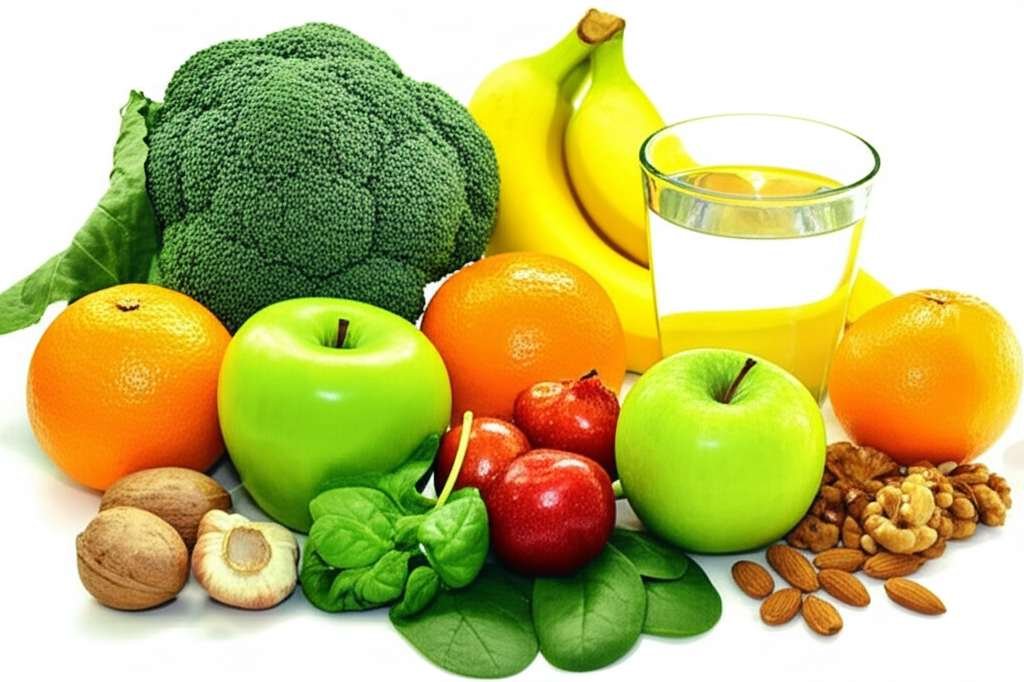
Focus on whole, unprocessed foods. This approach helps manage insulin levels, reduces cravings, and supports a healthy metabolism. Here’s a breakdown of key dietary principles:
1. Prioritize Lean Protein
Protein is fantastic for satiety, meaning it helps you feel full longer. It also helps stabilize blood sugar levels after meals, preventing sharp spikes and crashes.
Great sources include:
- Chicken and turkey breast
- Fish (salmon, tuna, cod)
- Eggs
- Tofu and tempeh
- Legumes (beans, lentils)
- Greek yogurt
Aim to include a source of lean protein with every meal and snack. This simple habit can significantly curb hunger and reduce overall calorie intake.
2. Embrace Healthy Fats
Don’t fear fats! Healthy fats are essential for hormone production and reducing inflammation. They also contribute to feeling satisfied after eating.
Choose these healthy fats:
- Avocado
- Nuts and seeds (almonds, walnuts, chia seeds, flaxseeds)
- Olive oil
- Fatty fish (like salmon)
Incorporating these fats into your diet can help improve insulin sensitivity and support your weight loss journey. Just be mindful of portion sizes, as fats are calorie-dense.
3. Choose Complex Carbohydrates
Carbohydrates are not the enemy, but the type of carbohydrate matters significantly with PCOS. Opt for complex carbs that are high in fiber. Fiber slows down digestion, preventing rapid blood sugar spikes and helping you feel full.
Focus on:
- Whole grains (quinoa, brown rice, oats, whole wheat pasta)
- Vegetables (especially non-starchy ones like broccoli, spinach, peppers, carrots)
- Fruits (berries, apples, pears – in moderation due to natural sugars)
- Legumes (beans, lentils)
Limit refined carbohydrates like white bread, pastries, sugary cereals, and white pasta, as these can quickly raise blood sugar and exacerbate insulin resistance.
4. Load Up on Fiber
Fiber is a superhero for PCOS weight loss! It aids digestion, helps control blood sugar, and promotes satiety. Aim for at least 25-30 grams of fiber per day.
High-fiber foods include:
- Vegetables (all kinds!)
- Fruits (especially berries, apples with skin)
- Whole grains
- Legumes (beans, lentils, chickpeas)
- Nuts and seeds
Increasing your fiber intake can make a significant difference in managing hunger and improving your overall metabolic health.
5. Hydration is Key
Drinking enough water is fundamental for metabolism, digestion, and overall health. Sometimes, thirst can be mistaken for hunger, so staying hydrated can help manage appetite.
Aim for at least 8 glasses of water per day. Herbal teas and sparkling water are also great options. Limit sugary drinks, as they contribute to inflammation and blood sugar spikes.
Sample PCOS-Friendly Meal Ideas
Here’s a glimpse of what a day of PCOS-friendly eating might look like:
| Meal | Example Meal Idea | Key Components |
|---|---|---|
| Breakfast | Scrambled eggs with spinach and avocado | Protein (eggs), healthy fats (avocado), fiber (spinach) |
| Lunch | Large salad with grilled chicken or chickpeas, mixed greens, cucumber, bell peppers, olive oil vinaigrette | Lean protein, high fiber (vegetables), healthy fats (olive oil) |
| Snack | A small handful of almonds or a Greek yogurt with berries | Healthy fats/protein or protein/fiber |
| Dinner | Baked salmon with roasted broccoli and a small serving of quinoa | Lean protein, healthy fats (salmon), high fiber (broccoli), complex carbs (quinoa) |
Exercise: Moving Your Body for Hormonal Balance
Regular physical activity is incredibly beneficial for managing PCOS and supporting weight loss. It helps improve insulin sensitivity, reduce stress, and boost your metabolism.
The best exercise plan is one you enjoy and can stick with. A combination of aerobic exercise and strength training is ideal.
1. Aerobic Exercise (Cardio)
Cardio workouts are excellent for burning calories and improving cardiovascular health. They also help your body use insulin more effectively.
Examples:
- Brisk walking
- Jogging or running
- Cycling
- Swimming
- Dancing
- Zumba classes
Aim for at least 150 minutes of moderate-intensity aerobic activity per week. This could be 30 minutes, five days a week.
2. Strength Training (Resistance Training)
Building muscle mass is crucial because muscle tissue burns more calories at rest than fat tissue. Strength training can also improve insulin sensitivity and boost your metabolism.
Examples:
- Lifting weights (dumbbells, barbells)
- Using resistance bands
- Bodyweight exercises (squats, lunges, push-ups, planks)
- Yoga or Pilates (which often incorporate strength-building poses)
Incorporate strength training at least two days per week, focusing on major muscle groups. You can find many beginner-friendly routines online, like those from reputable sources like the NHS.
3. Consistency is Key
Don’t aim for perfection; aim for consistency. Even short bursts of activity throughout the day can make a difference. Find activities you genuinely enjoy to make it a sustainable part of your life.
Stress Management and Sleep
PCOS can be stressful, and chronic stress can negatively impact hormones and weight. Similarly, poor sleep disrupts hormones that regulate appetite and can increase cravings.
Stress Reduction Techniques:
- Mindfulness and Meditation: Even a few minutes a day can help calm your nervous system.
- Deep Breathing Exercises: Simple yet effective for immediate stress relief.
- Yoga or Tai Chi: Combines movement with relaxation.
- Spending Time in Nature: A walk in the park can do wonders.
- Engaging in Hobbies: Doing something you love can be a great stress reliever.
Prioritizing Sleep:
Aim for 7-9 hours of quality sleep per night. Establish a regular sleep schedule, create a relaxing bedtime routine, and make your bedroom a sleep sanctuary.
Prioritizing these often-overlooked aspects of health can significantly support your PCOS weight loss journey and improve your overall quality of life.
Putting It All Together: Your Personalized Plan
Now that you have a good understanding of PCOS, potential medications, and lifestyle strategies, it’s time to think about creating a plan that works for YOU.
Remember, this is a marathon, not a sprint. Be patient and kind to yourself throughout the process. Your journey is unique, and what works for one person might not be the perfect fit for another.
Step 1: Consult Your Doctor
This is the most crucial first step. Discuss your weight concerns and PCOS symptoms with your healthcare provider. They can:
- Confirm your PCOS diagnosis and check for other underlying conditions.
- Perform blood tests to assess your hormone levels and insulin resistance.
- Discuss potential medication options (like Metformin or GLP-1 agonists) based on your health profile.
- Refer you to specialists like a registered dietitian or endocrinologist if needed.
A collaborative approach with your doctor ensures you’re making informed decisions about your health.
Step 2: Set Realistic Goals
Instead of focusing solely on a number on the scale, set broader health goals. For example:
- “I want to be able to walk for 30 minutes without feeling exhausted.”
- “I want to reduce my sugar cravings.”
- “I want to have more regular menstrual cycles.”
- “I want to feel more energetic throughout the day.”
Small, achievable goals build momentum and confidence. Aim for gradual weight loss of 1-2 pounds per week, which is considered sustainable and healthy. The CDC provides excellent resources on healthy weight loss principles.
Step 3: Implement Dietary Changes
Start by making one or two sustainable dietary changes at a time. Don’t try to overhaul your entire diet overnight.
- Week 1: Focus on adding more vegetables to every meal.
- Week 2: Replace sugary drinks with water or herbal tea.
- Week 3: Ensure each meal has a good source of lean protein.
Gradually incorporate more changes, focusing on whole, unprocessed foods. Consider working with a registered dietitian specializing in PCOS for personalized meal planning.
Step 4: Build an Exercise Routine
Begin with activities you enjoy and can manage. If you’re new to exercise, start slow.
- Beginner: Start with 15-20 minute brisk walks 3-4 times a week.
- Intermediate: Gradually increase duration and intensity, adding strength training exercises.
Find an accountability partner or join a fitness group if that helps motivate you. Consistency is more important than intensity when you’re starting out.
Step 5: Prioritize Sleep and Stress Management
Integrate stress-reducing activities into your daily routine. This could be 10 minutes of meditation, a short walk, or listening to calming music.
Work on establishing good sleep hygiene. Consistent bedtimes and wake-up times can significantly improve sleep quality. Small, consistent efforts in these areas can lead to big improvements.
Step 6: Track Your Progress and Adjust
Keep a journal to track your food intake, exercise, sleep, and how you’re feeling. This can help you identify patterns and understand what works best for your body.
Don’t get discouraged by occasional setbacks. Weight loss is rarely linear. Review your progress regularly and be willing to adjust your plan as needed. Celebrate your successes, no matter how small!
Frequently Asked Questions (FAQ)
Q1: Can I lose weight with PCOS without medication?
Yes, absolutely! Many individuals with PCOS achieve significant weight loss and symptom management through consistent lifestyle changes, including diet, exercise, stress management, and adequate sleep. Medication can be a helpful tool for some, but it’s not always necessary.
Q2: What are the biggest dietary mistakes to avoid with PCOS?
Common mistakes include relying heavily on refined carbohydrates (white bread, sugar), not eating enough protein and fiber, consuming too many processed foods, and not staying adequately hydrated. These can all lead to blood sugar spikes and hinder weight loss.
Q3: How much weight loss is needed to see improvements in PCOS symptoms?
Even a modest weight loss of 5-10% of your body weight can lead to significant improvements in PCOS symptoms, including insulin sensitivity, hormonal balance, and menstrual regularity. Focus on sustainable changes rather than rapid weight loss.
Q4: Is intermittent fasting good for PCOS?
Intermittent fasting (IF) can be beneficial for some individuals with PCOS by helping to improve insulin sensitivity and promote weight loss. However, it’s not suitable for everyone. Some people find IF can exacerbate stress or hormonal imbalances. It’s best to discuss IF with your doctor or a registered dietitian to see if it’s a good fit for your specific needs.
Q5: Should I avoid all carbs if I have PCOS?
No, you don’t need to avoid all carbohydrates. The key is to choose complex, high-fiber carbohydrates (like whole grains, vegetables, and fruits) and limit refined, sugary carbohydrates. This helps manage blood sugar levels more effectively.
Q6: How long does it take to see results from lifestyle changes for PCOS weight loss?
Results vary for everyone. You might start noticing improvements in energy levels and reduced cravings within a few weeks. More significant changes in weight and hormonal balance often take a few months of consistent effort. Patience and persistence are key.
Conclusion
Managing weight with PCOS can feel challenging, but it’s absolutely achievable. You’ve learned that while there isn’t one single “best medicine” that fits everyone, a combination of approaches can be incredibly effective.
Medications like Metformin and GLP-1 agonists can be powerful allies, especially for addressing insulin resistance and promoting satiety, but they work best as part of a broader strategy. The true foundation of PCOS weight loss lies in sustainable lifestyle changes: nourishing your body with whole foods, moving it regularly, managing stress, and prioritizing sleep.
Remember to work closely with your healthcare provider to personalize your plan. Celebrate your progress, be patient with yourself, and focus on building healthy habits that support your long-term well-being. You’ve got this!
As an Amazon Associate, We earn from qualifying purchases. When you purchase a product through Amazon links on pulsefitguide.com, we may earn a small commission at no extra cost to you. This helps support the site and keep our content free.