
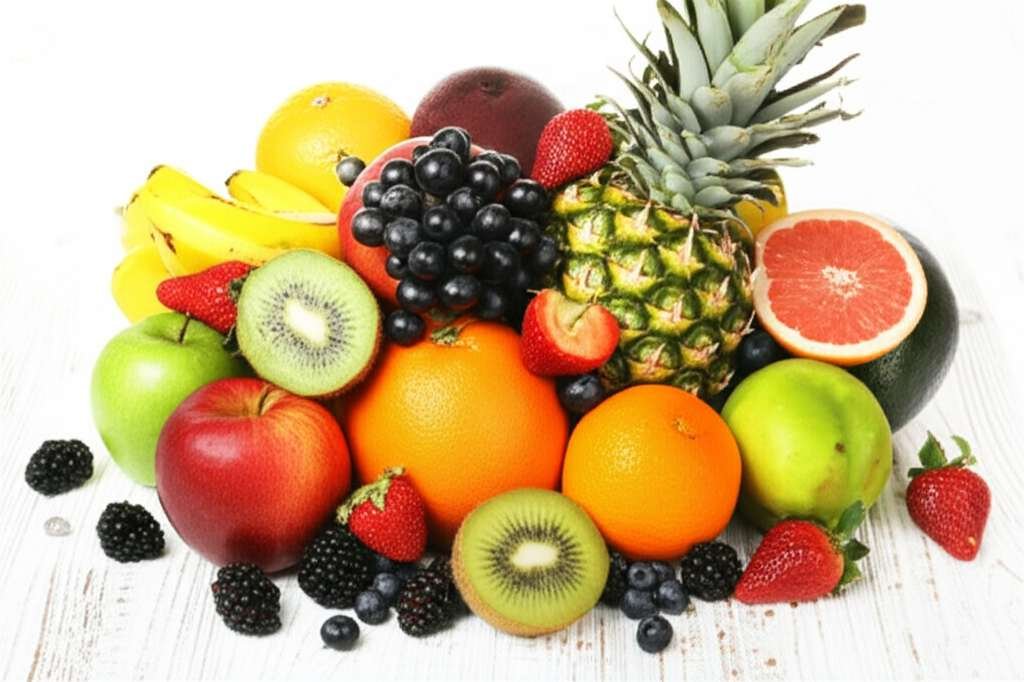
Best fruits for weight loss and diabetes are low-glycemic, high-fiber options like berries, apples, pears, and citrus. They help manage blood sugar, promote fullness, and provide essential nutrients, making them excellent choices for a healthy diet.
Feeling confused about what you can and can’t eat when you’re trying to lose weight or manage diabetes? You’re not alone! Many people find it hard to navigate the world of healthy eating, especially when it comes to fruits.
It’s a common frustration because fruits are so good for you, but sometimes we worry they might be too high in sugar. We want to enjoy them without sabotaging our health goals.
But what if I told you there are delicious fruits that can actually help you on both fronts? We’re going to break it down simply, step by step, so you can feel confident about adding the right fruits to your plate.
Get ready to discover which fruits are your allies in weight loss and diabetes management. Let’s dive in!
Why Fruits Are Great for Weight Loss and Diabetes Management

Fruits are nutritional powerhouses, packed with vitamins, minerals, fiber, and antioxidants. These components play a crucial role in supporting both weight loss and blood sugar control. For weight loss, the high fiber and water content in most fruits helps you feel fuller for longer, reducing overall calorie intake. For diabetes management, fruits with a lower glycemic index (GI) release sugar into the bloodstream more slowly, preventing sharp spikes and crashes.
The key is understanding that not all fruits are created equal when it comes to their impact on your body. The glycemic index is a helpful tool, but it’s not the only factor. Fiber, portion size, and how the fruit is consumed (whole vs. juice) all matter significantly.
By choosing the right fruits and enjoying them in moderation, you can harness their benefits without compromising your health goals. We’ll explore the best options and how to incorporate them into your diet.
Understanding Glycemic Index (GI) and Glycemic Load (GL)
Before we jump into the “best” fruits, let’s quickly understand two important terms: Glycemic Index (GI) and Glycemic Load (GL). These help us figure out how a food affects our blood sugar levels.
The Glycemic Index (GI) ranks how quickly a carbohydrate-containing food raises blood glucose levels after it’s eaten. Foods are ranked on a scale of 0 to 100. Low-GI foods digest slowly and cause a lower, slower rise in blood sugar. High-GI foods digest quickly and cause a faster, higher rise in blood sugar.
The Glycemic Load (GL) takes the GI one step further. It considers not just how quickly a carbohydrate raises blood sugar, but also how much carbohydrate is in a typical serving of that food. GL is calculated by: (GI of the food × grams of carbohydrate in a serving) / 100. A lower GL is generally better for blood sugar control.
For weight loss and diabetes, we generally want to focus on fruits that have a low to moderate GI and GL. This means they won’t cause rapid sugar spikes, helping you feel more satisfied and keeping your energy levels stable.
The Best Fruits for Weight Loss & Diabetes
Now for the exciting part! Here are some of the top fruit choices that are fantastic for both weight loss and managing diabetes. These fruits offer a great balance of flavor, nutrients, and beneficial effects on your body.
1. Berries (Strawberries, Blueberries, Raspberries, Blackberries)
Berries are often hailed as superfoods, and for good reason! They are low in calories and carbohydrates, and incredibly high in fiber and antioxidants. Their natural sweetness is satisfying without causing major blood sugar fluctuations.
- Why they’re great: High in fiber, low GI, packed with antioxidants (like anthocyanins, which give them their vibrant colors and have anti-inflammatory properties).
- Weight Loss Benefit: The fiber helps you feel full, making it easier to eat less overall.
- Diabetes Benefit: Slow sugar release prevents spikes.
- How to enjoy: Add them to yogurt, oatmeal, smoothies, or eat them plain as a snack.
2. Apples
An apple a day might truly keep the doctor away, especially for those managing weight and diabetes. Apples are a good source of fiber, particularly soluble fiber like pectin, which is beneficial for digestion and blood sugar control.
- Why they’re great: Good source of fiber (especially pectin), relatively low GI, contain beneficial plant compounds.
- Weight Loss Benefit: The fiber and water content contribute to satiety.
- Diabetes Benefit: Pectin can help slow down sugar absorption.
- How to enjoy: Eat them whole with the skin on for maximum fiber. Slice them for snacks, or add to salads and oatmeal.
3. Pears
Similar to apples, pears are a wonderful source of dietary fiber and are relatively low on the glycemic index. They offer a pleasant sweetness and a satisfying texture.
- Why they’re great: High in fiber, low to moderate GI, contain vitamins C and K.
- Weight Loss Benefit: High fiber content aids in feeling full and satisfied.
- Diabetes Benefit: Helps in maintaining stable blood sugar levels due to slow sugar release.
- How to enjoy: Enjoy them fresh, skin on, for the most fiber. They also pair well with cheese or can be added to salads.
4. Citrus Fruits (Oranges, Grapefruits, Lemons, Limes)
Citrus fruits are famous for their vitamin C content and refreshing taste. They are also relatively low in sugar and high in fiber, making them excellent choices.
- Why they’re great: High in Vitamin C, good source of fiber, low GI.
- Weight Loss Benefit: Low in calories and high in fiber can help with appetite control.
- Diabetes Benefit: The fiber helps moderate blood sugar response.
- How to enjoy: Eat whole oranges or grapefruits. Use lemon and lime juice in water, dressings, or to flavor dishes.
5. Cherries
These small, sweet fruits pack a powerful punch of nutrients and antioxidants. They have a lower GI compared to many other fruits, making them a good option for those watching their sugar intake.
- Why they’re great: Contain anthocyanins (antioxidants), moderate GI, good source of Vitamin C.
- Weight Loss Benefit: Satisfy sweet cravings with fewer calories and more nutrients.
- Diabetes Benefit: May help improve insulin sensitivity and reduce inflammation.
- How to enjoy: Eat fresh cherries, or add them to oatmeal or salads. Tart cherry juice (unsweetened) can also be beneficial.
6. Peaches and Plums
These stone fruits are delicious, hydrating, and offer a good amount of fiber. They are generally low on the glycemic index, making them a safe and tasty choice.
- Why they’re great: Good source of fiber, vitamins A and C, low GI.
- Weight Loss Benefit: Their fiber and water content promote fullness.
- Diabetes Benefit: Contribute to stable blood sugar levels.
- How to enjoy: Eat them fresh, as they are, or add to yogurt or salads.
7. Avocado
While often thought of as a vegetable, avocado is botanically a fruit! It’s unique because it’s high in healthy monounsaturated fats and very low in carbohydrates. This makes it incredibly beneficial for blood sugar and weight management.
- Why they’re great: High in healthy fats, very low in net carbs, excellent source of fiber, potassium, and vitamins.
- Weight Loss Benefit: The healthy fats and fiber promote significant satiety, helping to curb hunger.
- Diabetes Benefit: Healthy fats do not raise blood sugar and can help improve insulin sensitivity.
- How to enjoy: Mash on toast, add to salads, make guacamole, or blend into smoothies for a creamy texture.
Fruits to Enjoy in Moderation
While the fruits listed above are generally excellent choices, some fruits are higher in natural sugars and can impact blood sugar more significantly. This doesn’t mean you have to avoid them entirely, but it’s wise to enjoy them in smaller portions and be mindful of your overall carbohydrate intake.
These fruits can still be part of a healthy diet, especially when consumed as part of a balanced meal. Pair them with protein or healthy fats to slow down sugar absorption. Always consider your individual blood sugar response.
Here are some fruits that are great in moderation:
- Bananas: Especially ripe ones have a higher GI. Unripe or slightly green bananas have more resistant starch, which is better for blood sugar.
- Mangoes: Delicious and sweet, but higher in sugar.
- Grapes: Easy to overeat and can lead to a quicker rise in blood sugar.
- Pineapple: Contains natural sugars that can impact blood glucose.
- Dried Fruits (Raisins, Dates, Figs): The water is removed, concentrating the sugars and making them much higher in sugar and calories per serving.
Portion Control is Key
Even the best fruits need to be eaten in appropriate portions, especially when managing diabetes or aiming for weight loss. A “serving” of fruit is typically about the size of a tennis ball or a fist.
For example, a standard serving of fruit might look like:
- 1 medium apple or pear
- 1 cup of berries
- ½ a medium banana
- ¼ cup of dried fruit
It’s also important to remember that fruit juice, even 100% juice, lacks the fiber of whole fruit and can lead to rapid blood sugar spikes. It’s almost always better to eat the whole fruit whenever possible.
Consulting with a registered dietitian or healthcare provider can help you determine the ideal portion sizes and fruit intake for your specific needs and health goals. The American Diabetes Association offers valuable resources on nutrition and diabetes management.
How to Incorporate These Fruits into Your Diet
Adding these beneficial fruits into your daily routine is easier than you might think! The goal is to make healthy choices convenient and enjoyable.
Breakfast Boost
Start your day right by adding berries to your oatmeal or whole-grain cereal. A small amount of sliced apple or pear can also add sweetness and fiber. If you enjoy smoothies, blend in a handful of spinach with your favorite low-GI fruits like berries or half a banana.
Smart Snacks
Instead of reaching for processed snacks, opt for a piece of whole fruit. An apple with a tablespoon of almond butter, a small handful of berries, or a few slices of pear make for satisfying and nutritious snacks that help keep hunger at bay.
Lunchtime Additions
Add a few berries or apple slices to your salad for a touch of sweetness and crunch. A small portion of avocado can add healthy fats and creaminess to sandwiches or salads.
Dinner Delights
While less common, some fruits can complement dinner. Grilled peaches or plums can be a delicious side dish, and a small serving of berries can make a light dessert.
Hydration with a Twist
Infuse your water with slices of lemon, lime, or berries for a flavorful and refreshing drink without added sugar. This can help you drink more water throughout the day, which is beneficial for weight loss.
Fruits and Fiber: A Powerful Combination
We’ve talked a lot about fiber, and for good reason! Fiber is a superstar nutrient for both weight loss and diabetes management. It’s the indigestible part of plant foods that offers several key benefits:
- Promotes Satiety: Fiber absorbs water and expands in your stomach, making you feel fuller for longer. This can significantly reduce your overall calorie intake by curbing cravings and preventing overeating.
- Slows Sugar Absorption: Soluble fiber, in particular, slows down the rate at which sugar is absorbed into your bloodstream. This leads to more stable blood glucose levels, preventing the sharp spikes and crashes associated with high-sugar foods.
- Aids Digestion: Fiber keeps your digestive system running smoothly, preventing constipation and promoting a healthy gut microbiome.
- May Improve Insulin Sensitivity: Some research suggests that a diet rich in fiber can help improve how your body responds to insulin.
Fruits are naturally rich in fiber, especially when you eat the skin. For example, the skin of an apple or pear contains a significant amount of its total fiber content. When you choose whole fruits over fruit juices, you’re getting the full fiber benefit.
According to the National Institute on Aging, increasing dietary fiber intake can have numerous health benefits, including better weight management and improved control of blood sugar levels.
Nutritional Comparison Table
Here’s a quick look at how some of these popular fruits stack up in terms of calories, carbohydrates, and fiber per standard serving. Remember that these are approximate values and can vary slightly.
| Fruit | Serving Size | Calories (approx.) | Total Carbohydrates (g) | Fiber (g) | Glycemic Index (approx.) |
|---|---|---|---|---|---|
| Strawberries | 1 cup, sliced | 53 | 13 | 3 | 41 (Low) |
| Blueberries | 1 cup | 84 | 21 | 4 | 53 (Medium) |
| Raspberries | 1 cup | 64 | 15 | 8 | 32 (Low) |
| Apple (with skin) | 1 medium | 95 | 25 | 4 | 36 (Low) |
| Pear (with skin) | 1 medium | 103 | 27 | 6 | 38 (Low) |
| Orange | 1 medium | 62 | 15 | 3 | 43 (Low) |
| Grapefruit | ½ medium | 52 | 13 | 2 | 25 (Low) |
| Avocado | ½ medium | 160 | 9 | 7 | 15 (Very Low) |
| Banana | 1 medium | 105 | 27 | 3 | 51 (Medium) |
| Grapes | 1 cup | 104 | 27 | 1 | 59 (Medium) |
This table highlights why berries, apples, pears, citrus, and avocados are often recommended. They offer a good amount of fiber for relatively fewer carbohydrates and calories, with a lower impact on blood sugar.
Important Considerations for Diabetics
If you have diabetes, managing your blood sugar is paramount. While fruits are healthy, it’s crucial to be aware of how they fit into your overall meal plan. Here are some key points:
- Monitor Blood Glucose: Pay attention to how your body responds to different fruits and portion sizes. Regularly checking your blood sugar can provide valuable insights.
- Pair with Protein/Fat: Eating fruit with a source of protein (like nuts, seeds, or yogurt) or healthy fat (like avocado) can help slow down sugar absorption and prevent spikes.
- Timing Matters: Consider eating fruit as part of a meal rather than on an empty stomach, especially if you’re sensitive to sugar.
- Hydration: Drink plenty of water. Sometimes thirst can be mistaken for hunger.
- Individualize: What works for one person with diabetes might not work for another. Your doctor or a registered dietitian can help you create a personalized meal plan.
The National Institute of Diabetes and Digestive and Kidney Diseases (NIDDK) provides comprehensive guidance on diet and nutrition for people with diabetes.
Frequently Asked Questions (FAQs)
Q1: Can I eat fruit if I have diabetes?
Yes, absolutely! People with diabetes can and should eat fruit. The key is to choose fruits with a lower glycemic index and moderate portion sizes. Whole fruits are best, as they contain fiber, which helps manage blood sugar levels.
Q2: Which fruits should I avoid if I have diabetes?
It’s not about complete avoidance, but rather moderation. Fruits very high in sugar and with a high glycemic index, like ripe bananas, mangoes, grapes, and dried fruits, should be consumed in smaller quantities and monitored for their effect on your blood sugar.
Q3: Is fruit juice good for weight loss or diabetes?
Generally, no. Fruit juice, even 100% juice, is stripped of its beneficial fiber. This means the sugars are absorbed very quickly, leading to blood sugar spikes. It’s always better to eat the whole fruit.
Q4: How many servings of fruit should I eat per day?
This varies based on individual needs, activity levels, and diabetes management goals. A common recommendation is 2-3 servings of fruit per day. It’s best to consult with a healthcare provider or registered dietitian for personalized advice.
Q5: Can eating fruit help me lose weight?
Yes, fruits can be very helpful for weight loss! They are typically low in calories and high in fiber and water, which promote feelings of fullness and can help reduce overall calorie intake. Choosing lower-sugar fruits is most effective.
Q6: Are avocados fruits? And why are they good for weight loss and diabetes?
Yes, avocados are botanically considered fruits! They are exceptional because they are rich in healthy monounsaturated fats and fiber, with very few carbohydrates. These components help you feel full for hours, stabilize blood sugar, and improve insulin sensitivity, making them a top choice for weight management and diabetes.
Q7: What does “low glycemic index” mean for fruit?
A low glycemic index (GI) means that a fruit causes a slower, more gradual rise in your blood sugar levels after you eat it. This is beneficial for preventing sugar spikes and crashes, which is important for both weight management and diabetes control.
Conclusion
Navigating the world of healthy eating, especially with weight loss and diabetes in mind, can feel like a puzzle. But by understanding which fruits are your allies, you can make delicious and smart choices that support your goals.
Fruits like berries, apples, pears, citrus, and avocados are packed with fiber, vitamins, and antioxidants, offering a natural sweetness that satisfies without causing drastic blood sugar fluctuations. They help you feel full, manage your weight, and keep your blood sugar on a more even keel.
Remember that portion control is vital, even with the best fruits. Enjoying them whole, with their skin on, and perhaps paired with a protein or healthy fat, will maximize their benefits.
Don’t be afraid to experiment and find what works best for you. By incorporating these nutrient-dense fruits into your diet, you’re taking a significant step towards a healthier, more energized you. Keep up the great work!
As an Amazon Associate, We earn from qualifying purchases. When you purchase a product through Amazon links on pulsefitguide.com, we may earn a small commission at no extra cost to you. This helps support the site and keep our content free.