
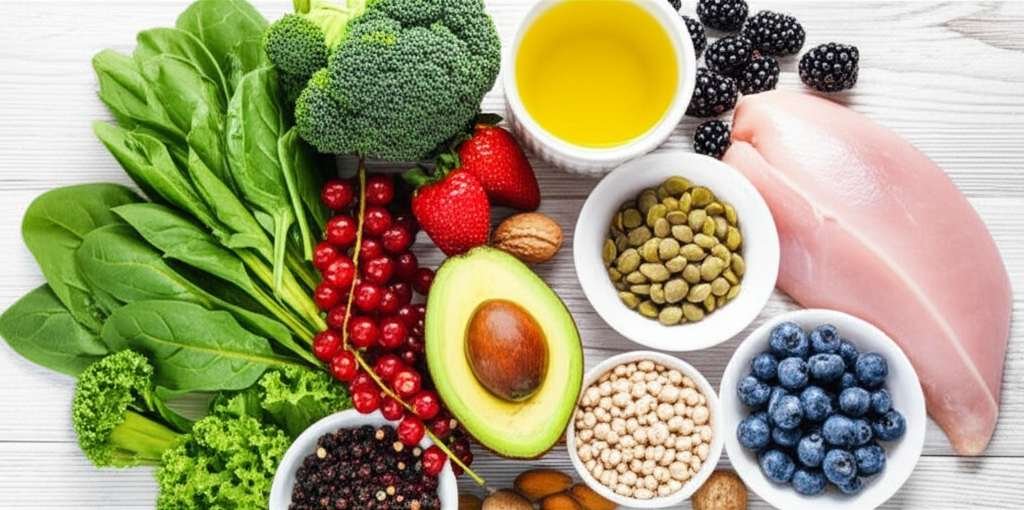
The best diet for PCOS weight loss focuses on managing insulin resistance and inflammation through whole foods, lean protein, healthy fats, and fiber-rich carbohydrates. This approach helps balance hormones, reduce symptoms, and promote sustainable weight loss without restrictive dieting.
Dealing with Polycystic Ovary Syndrome (PCOS) can feel like a puzzle, especially when it comes to weight. Many women with PCOS find it harder to lose weight, and that can be really frustrating. You’re not alone in this struggle.
But here’s some good news: understanding PCOS and how it affects your body is the first step to finding solutions that actually work. It’s about making smart, simple choices that support your health and help you reach your weight goals.
This guide is designed to break down the science into easy-to-understand steps. We’ll explore what makes PCOS weight loss unique and how you can create a diet plan that feels good and delivers results.
<h2>Understanding PCOS and Weight Loss</h2>
<p>Polycystic Ovary Syndrome, or PCOS, is a hormonal imbalance that affects many women of reproductive age. One of the most common challenges associated with PCOS is difficulty with weight management. This isn’t about willpower; it’s about how PCOS affects your body’s hormones and metabolism.</p>
<p>The key player here is insulin. Many women with PCOS have a condition called insulin resistance. This means your body’s cells don’t respond well to insulin, a hormone that helps convert sugar from your food into energy. When your cells resist insulin, your body produces more of it, leading to high insulin levels.</p>
<p>High insulin levels can signal your ovaries to produce more male hormones, called androgens. This hormonal imbalance is what causes many PCOS symptoms, including irregular periods, acne, excess hair growth, and, importantly, increased fat storage, particularly around the abdomen. It can also make it harder for your body to break down fat.</p>
<h2>Why is Weight Loss Tricky with PCOS?</h2>
<p>The cycle of insulin resistance and hormonal imbalance creates a challenging environment for weight loss. When your body is constantly producing extra insulin, it can promote fat storage and make it difficult for your body to burn fat for energy. This can lead to weight gain that feels stubborn and hard to shift, even with diet and exercise.</p>
<p>Furthermore, PCOS can sometimes be linked to inflammation. Chronic inflammation can also play a role in weight gain and make weight loss efforts less effective. It’s a complex interplay of factors that can make you feel like you’re fighting an uphill battle.</p>
<p>But understanding these challenges is empowering. It means we can target our approach to address the root causes of weight difficulties in PCOS. Instead of generic weight loss advice, we can focus on strategies that specifically support hormonal balance and improve insulin sensitivity.</p>
<h2>The Pillars of a PCOS-Friendly Diet</h2>
<p>The “best diet for PCOS weight loss” isn’t a fad diet; it’s a sustainable way of eating that addresses the underlying hormonal issues. The goal is to reduce insulin resistance, manage inflammation, and provide your body with the nutrients it needs to function optimally. This approach focuses on whole, unprocessed foods.</p>
<h3>1. Prioritize Low Glycemic Index (GI) Foods</h3>
<p>Think of the glycemic index (GI) as a ranking of foods based on how quickly they raise your blood sugar levels. Foods with a low GI are digested slowly, leading to a gradual rise in blood sugar and insulin. This is crucial for managing insulin resistance in PCOS.</p>
<p>By choosing low-GI foods, you help prevent sharp spikes in insulin, which can otherwise promote fat storage and androgen production. This strategy is a cornerstone of effective PCOS weight management.</p>
<h4>Low GI Foods to Embrace:</h4>
<ul>
<li><strong>Non-starchy vegetables:</strong> Broccoli, spinach, kale, peppers, zucchini, tomatoes, and green beans.</li>
<li><strong>Most fruits:</strong> Berries, apples, pears, cherries, and peaches (in moderation).</li>
<li><strong>Whole grains:</strong> Oats, quinoa, barley, brown rice, and whole wheat pasta (in moderation).</li>
<li><strong>Legumes:</strong> Lentils, chickpeas, black beans, and kidney beans.</li>
<li><strong>Healthy fats:</strong> Avocado, nuts, seeds, and olive oil.</li>
</ul>
<h3>2. Focus on Lean Protein</h3>
<p>Protein is your best friend when managing PCOS and weight. It helps you feel full and satisfied for longer, reducing cravings and the urge to overeat. Protein also plays a vital role in muscle building, and more muscle means a higher metabolism, which helps burn more calories even at rest.</p>
<p>Incorporating lean protein at every meal can help stabilize blood sugar levels, further supporting insulin management. It’s a simple yet powerful strategy to keep you on track.</p>
<h4>Excellent Lean Protein Sources:</h4>
<ul>
<li>Chicken breast</li>
<li>Turkey</li>
<li>Fish (salmon, tuna, cod)</li>
<li>Eggs</li>
<li>Tofu and tempeh</li>
<li>Legumes (beans, lentils)</li>
<li>Greek yogurt</li>
</ul>
<h3>3. Include Healthy Fats</h3>
<p>Don’t fear fats! Healthy fats are essential for hormone production and absorption of fat-soluble vitamins. They also contribute to satiety, making your meals more satisfying and helping to prevent overeating. Focusing on the right kinds of fats can actually support weight loss and reduce inflammation.</p>
<p>Monounsaturated and polyunsaturated fats are particularly beneficial. They can help improve insulin sensitivity and have anti-inflammatory properties, which are key benefits for women with PCOS.</p>
<h4>Top Healthy Fat Choices:</h4>
<ul>
<li>Avocado</li>
<li>Nuts (almonds, walnuts, pecans)</li>
<li>Seeds (chia seeds, flaxseeds, pumpkin seeds)</li>
<li>Olive oil</li>
<li>Fatty fish (salmon, mackerel, sardines)</li>
</ul>
<h3>4. Boost Your Fiber Intake</h3>
<p>Fiber is a superhero nutrient for PCOS. It slows down the absorption of sugar into your bloodstream, which helps prevent blood sugar spikes and keeps your insulin levels stable. This is a direct win against insulin resistance.</p>
<p>Fiber also aids digestion, promotes a feeling of fullness, and can help reduce cholesterol levels. Aiming for a variety of fiber sources will give you the most benefits.</p>
<h4>Fiber-Rich Foods to Add:</h4>
<ul>
<li>Vegetables (especially leafy greens, broccoli, Brussels sprouts)</li>
<li>Fruits (berries, apples with skin, pears)</li>
<li>Whole grains (oats, quinoa, brown rice)</li>
<li>Legumes (beans, lentils, chickpeas)</li>
<li>Nuts and seeds</li>
</ul>
<h3>5. Hydration is Key</h3>
<p>Drinking enough water is fundamental for overall health and can support your weight loss journey. Water helps with digestion, nutrient transport, and can even boost your metabolism slightly. Sometimes, feelings of hunger can actually be thirst.</p>
<p>Staying well-hydrated can help manage appetite and ensure your body is functioning efficiently. Aim for at least 8 glasses (about 2 liters) of water per day, and more if you’re active.</p>
<h3>6. Limit Processed Foods, Sugary Drinks, and Refined Carbs</h3>
<p>These foods are the biggest culprits when it comes to spiking blood sugar and insulin levels. They offer little nutritional value and can actively worsen insulin resistance and inflammation, making weight loss even harder.</p>
<p>Cutting back on or eliminating these items is one of the most impactful changes you can make for your PCOS health and weight management. It’s not about perfection, but about making conscious choices most of the time.</p>
<h4>Foods to Minimize or Avoid:</h4>
<ul>
<li>Sugary drinks (soda, fruit juices, sweetened teas/coffees)</li>
<li>Sweets and desserts (cakes, cookies, candy)</li>
<li>White bread, white pasta, white rice</li>
<li>Processed snacks (chips, crackers, pastries)</li>
<li>Fried foods</li>
</ul>
<h2>Putting It All Together: Meal Planning for PCOS Weight Loss</h2>
<p>Creating a PCOS-friendly meal plan doesn’t have to be complicated. The key is to build balanced meals that incorporate the principles we’ve discussed. Think of each meal as an opportunity to nourish your body and support your hormonal health.</p>
<p>A good rule of thumb is to fill half your plate with non-starchy vegetables, a quarter with lean protein, and a quarter with healthy fats or complex carbohydrates. This simple visual guide can make meal prep much easier.</p>
<h3>Sample Meal Ideas</h3>
<p>Here are some ideas to get you started. Remember, these are flexible and can be adapted to your preferences.</p>
<h4>Breakfast Ideas:</h4>
<ul>
<li>Scrambled eggs with spinach and avocado.</li>
<li>Greek yogurt with berries and a sprinkle of chia seeds.</li>
<li>Oatmeal (made with water or unsweetened almond milk) topped with nuts and cinnamon.</li>
</ul>
<h4>Lunch Ideas:</h4>
<ul>
<li>Large salad with grilled chicken or salmon, mixed greens, colorful vegetables, and an olive oil-based dressing.</li>
<li>Lentil soup with a side of whole-grain bread (check GI).</li>
<li>Tuna salad (made with Greek yogurt or avocado instead of mayo) served in lettuce cups or with whole-grain crackers.</li>
</ul>
<h4>Dinner Ideas:</h4>
<ul>
<li>Baked salmon with roasted broccoli and a small portion of quinoa.</li>
<li>Chicken stir-fry with plenty of vegetables (use low-sodium soy sauce or tamari) served over brown rice.</li>
<li>Turkey meatballs in a tomato sauce with zucchini noodles or a small serving of whole wheat pasta.</li>
</ul>
<h4>Snack Ideas:</h4>
<ul>
<li>A handful of almonds or walnuts.</li>
<li>Apple slices with almond butter.</li>
<li>Vegetable sticks (carrots, celery, bell peppers) with hummus.</li>
<li>A hard-boiled egg.</li>
</ul>
<h2>The Role of Carbohydrates in PCOS Weight Loss</h2>
<p>Carbohydrates are often a source of confusion, but they are an important part of a balanced diet. For PCOS, the type and amount of carbohydrates you consume are key. Focusing on complex carbohydrates with a low glycemic index is essential.</p>
<p>These complex carbs provide sustained energy and fiber, unlike refined carbohydrates that cause rapid blood sugar and insulin spikes. By choosing wisely, you can still enjoy carbohydrates while managing your PCOS symptoms and supporting weight loss.</p>
<table>
<caption>Carbohydrate Choices for PCOS Weight Loss</caption>
<thead>
<tr>
<th>Choose More Of:</th>
<th>Choose Less Of:</th>
</tr>
</thead>
<tbody>
<tr>
<td>Whole grains (oats, quinoa, brown rice, barley)</td>
<td>Refined grains (white bread, white pasta, white rice)</td>
</tr>
<tr>
<td>Legumes (beans, lentils, chickpeas)</td>
<td>Sugary cereals</td>
</tr>
<tr>
<td>Starchy vegetables (sweet potatoes, corn, peas – in moderation)</td>
<td>Pastries, cookies, cakes</td>
</tr>
<tr>
<td>Fruits (whole fruits are best)</td>
<td>Sugary drinks, fruit juices</td>
</tr>
</tbody>
</table>
<h3>Portion Control is Important</h3>
<p>Even with healthy complex carbohydrates, portion size matters. Overconsumption of any food, including healthy ones, can lead to excess calorie intake and hinder weight loss. Learning appropriate portion sizes for carbohydrates can help you manage your energy intake effectively.</p>
<p>A registered dietitian can provide personalized guidance on carbohydrate intake based on your individual needs and activity levels. You can also find resources on recommended serving sizes from reputable health organizations.</p>
<h2>Beyond Diet: Lifestyle Factors for PCOS Weight Loss</h2>
<p>While diet is a powerful tool, a holistic approach that includes other lifestyle changes can significantly enhance your PCOS weight loss journey. These factors work synergistically with a healthy diet to improve your overall health and well-being.</p>
<h3>1. Regular Physical Activity</h3>
<p>Exercise is incredibly beneficial for PCOS. It helps improve insulin sensitivity, which is a primary goal in managing the condition. Physical activity also aids in burning calories, building muscle mass, reducing stress, and improving mood.</p>
<p>Aim for a combination of aerobic exercises (like brisk walking, jogging, cycling, or swimming) and strength training. Strength training is particularly important as it builds muscle, which boosts your metabolism and helps your body use glucose more effectively.</p>
<h3>2. Stress Management</h3>
<p>Chronic stress can wreak havoc on your hormones, including those involved in PCOS and weight management. Stress triggers the release of cortisol, a hormone that can increase appetite and promote fat storage, especially around the belly. Finding healthy ways to manage stress is crucial.</p>
<p>Consider practices like mindfulness, meditation, yoga, deep breathing exercises, spending time in nature, or engaging in hobbies you enjoy. Even short periods of relaxation can make a difference.</p>
<h3>3. Quality Sleep</h3>
<p>Getting enough quality sleep is vital for hormone regulation and appetite control. When you’re sleep-deprived, your body produces more ghrelin (the hunger hormone) and less leptin (the satiety hormone), leading to increased cravings and a greater tendency to overeat.</p>
<p>Aim for 7-9 hours of uninterrupted sleep per night. Establish a consistent sleep schedule, create a relaxing bedtime routine, and ensure your bedroom is dark, quiet, and cool.</p>
<h3>4. Mindful Eating</h3>
<p>Mindful eating involves paying attention to your hunger and fullness cues, savoring your food, and eating without distractions. This practice can help you develop a healthier relationship with food, prevent overeating, and better recognize your body’s signals.</p>
<p>Try to eat slowly, chew your food thoroughly, and put your fork down between bites. Notice the taste, texture, and smell of your food. This can lead to greater satisfaction with smaller portions.</p>
<h2>When to Seek Professional Help</h2>
<p>While this guide provides a strong foundation, remember that PCOS is a complex condition. For personalized advice and support, it’s highly recommended to consult with healthcare professionals.</p>
<p>A registered dietitian or nutritionist specializing in PCOS can help you create a tailored meal plan that meets your unique needs and preferences. They can also provide guidance on portion sizes, nutrient timing, and how to navigate specific dietary challenges.</p>
<p>Your doctor or an endocrinologist can help manage your PCOS symptoms with medication if necessary and monitor your overall health. Working as a team with your healthcare providers ensures you receive comprehensive care.</p>
<h2>Frequently Asked Questions About PCOS Weight Loss</h2>
<h3>Q1: Is it possible to lose weight with PCOS?</h3>
<p>Yes, absolutely! While it can be more challenging due to hormonal factors like insulin resistance, sustainable weight loss is achievable with the right dietary approach and lifestyle changes. Focusing on whole foods, lean protein, healthy fats, and fiber is key.</p>
<h3>Q2: Do I need to cut out all carbs?</h3>
<p>No, you don’t need to eliminate all carbohydrates. The focus should be on choosing low-glycemic index (GI) complex carbohydrates like whole grains, legumes, and non-starchy vegetables. These provide energy and fiber without causing drastic blood sugar spikes, unlike refined carbs.</p>
<h3>Q3: What are the best foods to eat for PCOS weight loss?</h3>
<p>Prioritize lean proteins (chicken, fish, tofu), healthy fats (avocado, nuts, seeds, olive oil), and plenty of non-starchy vegetables. Whole grains and legumes are also beneficial for their fiber content. These foods help manage insulin resistance and promote satiety.</p>
<h3>Q4: Are there any specific diets that are proven effective for PCOS?</h3>
<p>Diets that focus on managing insulin resistance and inflammation are generally most effective. This includes approaches like the low-GI diet, the Mediterranean diet, and the DASH diet, all of which emphasize whole, unprocessed foods. The principles outlined in this guide align with these effective dietary patterns.</p>
<h3>Q5: How much exercise is recommended for PCOS weight loss?</h3>
<p>A combination of aerobic and strength training is ideal. Aim for at least 150 minutes of moderate-intensity aerobic activity (like brisk walking) per week, plus 2-3 days of strength training. Consistency is more important than intensity, especially when starting out.</p>
<h3>Q6: Can supplements help with PCOS weight loss?</h3>
<p>Some supplements like inositol, vitamin D, and omega-3 fatty acids may offer benefits for PCOS symptoms and weight management, but it’s crucial to discuss these with your doctor or a registered dietitian before taking them. They are meant to complement, not replace, a healthy diet and lifestyle.</p>
<h3>Q7: How long does it take to see results?</h3>
<p>Weight loss is a journey, and results vary for everyone. Focus on making sustainable lifestyle changes rather than quick fixes. You might start noticing improvements in energy levels and symptom management within a few weeks, while more significant weight loss may take months. Be patient and consistent.</p>
<h2>Conclusion</h2>
<p>Navigating the best diet for PCOS weight loss might seem daunting at first, but it’s entirely achievable with the right knowledge and a supportive approach. By focusing on whole, nutrient-dense foods, you can effectively manage insulin resistance, reduce inflammation, and create a body environment that favors healthy weight loss.</p>
<p>Remember, this isn’t about restrictive eating or quick fixes. It’s about building sustainable habits that nourish your body, balance your hormones, and empower you to feel your best. Embrace the journey, be kind to yourself, and celebrate every step forward.</p>
<p>By implementing the strategies discussed – prioritizing low-GI foods, lean proteins, healthy fats, and ample fiber, while also managing stress, prioritizing sleep, and staying active – you are setting yourself up for long-term success. You’ve got this!</p>

As an Amazon Associate, We earn from qualifying purchases. When you purchase a product through Amazon links on pulsefitguide.com, we may earn a small commission at no extra cost to you. This helps support the site and keep our content free.