

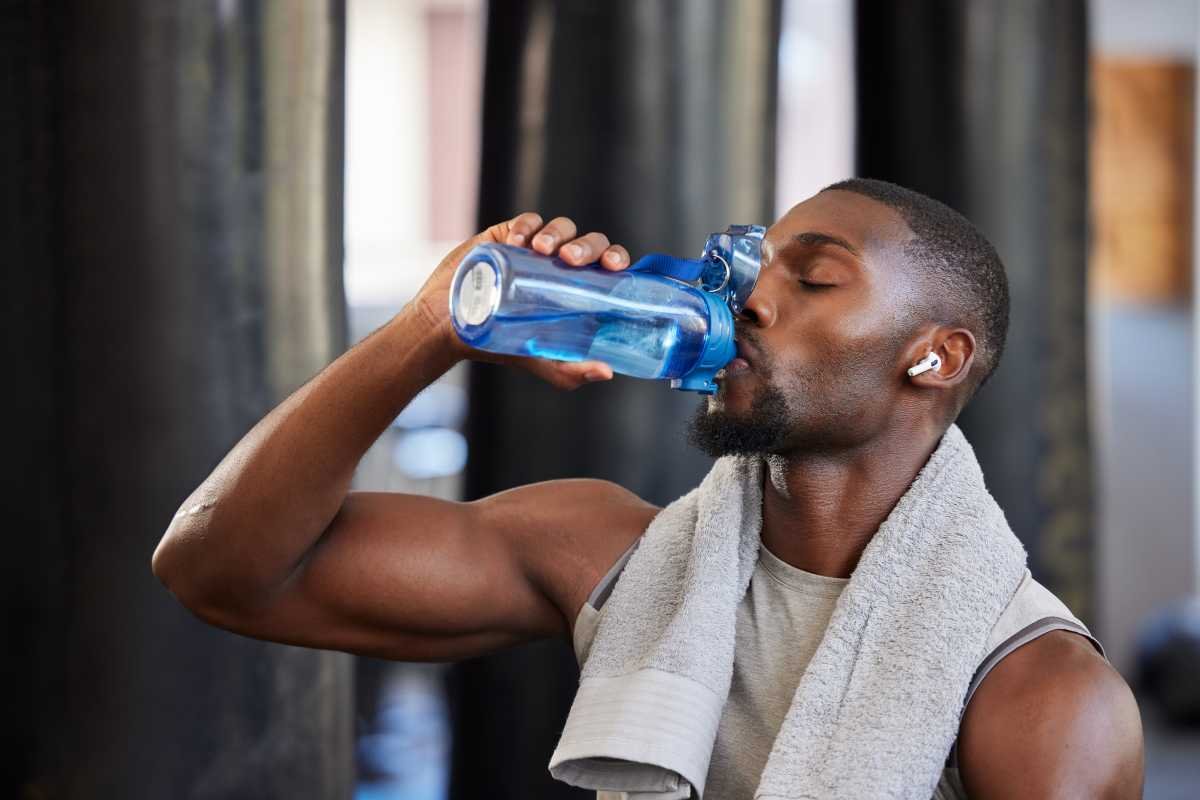
Pour optimiser votre récupération après l’effort, il est essentiel d’éviter l’alcool. Consommer de l’alcool après une séance d’entraînement peut ralentir la réparation musculaire, déshydrater votre corps et diminuer vos progrès. La meilleure stratégie pour maximiser les bénéfices de votre entraînement est de privilégier l’hydratation et une alimentation équilibrée, en laissant l’alcool de côté. En évitant l’alcool après l’effort, vous favorisez une récupération plus rapide, réduisez les risques de blessure et améliorez vos performances à long terme. La clé est de faire des choix intelligents pour soutenir votre corps dans sa réparation et son renforcement.
L’éviter d’alcool après une séance d’exercice n’est pas seulement une question d’éliminer une boisson, mais de soutenir activement votre corps dans sa récupération. L’alcool peut compromettre les processus naturels de réparation musculaire et augmenter la déshydratation, ce qui ralentit les progrès. En remplaçant l’alcool par de l’eau ou des boissons riches en électrolytes, vous donnez à votre corps les meilleures chances de récupérer rapidement et efficacement. Faites de votre bien-être une priorité en adoptant des habitudes qui favorisent une récupération saine et durable.
Après une séance d’entraînement intense, il est tentant de se détendre avec une boisson alcoolisée, mais cela nuit sérieusement à la récupération. L’alcool affecte la synthèse des protéines, la reconstitution des réserves de glycogène et l’équilibre hydrique, indispensables à la réparation musculaire. En évitant l’alcool, vous permettez à votre corps de se remettre plus vite, d’éviter la fatigue prolongée et de réduire les risques de blessures. La récupération ne doit pas être compromise par des choix qui peuvent sembler insignifiants mais qui ont un impact considérable sur vos progrès.

Avoiding alcohol after workouts for better recovery
Why Alcohol Can Harm Your Post-Workout Recovery
Alcohol can slow down your body’s ability to heal after exercise. It affects important processes like muscle repair and muscle growth. Drinking alcohol after a workout can lead to increased soreness and longer recovery times. This can prevent you from reaching your fitness goals as quickly as possible.
Impact of Alcohol on Muscle Repair and Growth
Muscle repair happens when your body rebuilds damaged muscle fibers. Alcohol interferes with protein synthesis, which is key for repairing muscles. It can also cause dehydration, making it harder for muscles to recover and grow stronger. As a result, regular drinking after workouts can reduce your gains and weaken your muscles over time.
Effects of Alcohol on Hydration
After working out, your body loses water through sweat. Alcohol acts as a diuretic, making you urinate more and losing vital fluids. This can lead to dehydration, which is bad for recovery. Proper hydration helps reduce muscle soreness and supports nutrient delivery for healing.
How Alcohol Impacts Sleep Quality
Sleep is essential for recovery because it allows your body to repair tissues and build strength. Alcohol might make you feel sleepy initially, but it actually decreases sleep quality. Poor sleep can impair muscle recovery, lessen energy levels, and slow down progress.
Alcohol and Nutrient Absorption
Consuming alcohol after a workout can hinder your body from absorbing important nutrients like vitamins, minerals, and amino acids. These nutrients are vital for muscle repair and energy replenishment. Without them, your recovery process slows down, making it harder to bounce back quickly.
Consequences of Alcohol on Immune Function
Heavy drinking can weaken your immune system, making you more vulnerable to infections and illnesses. After a workout, your immune system is already working hard to recover. Alcohol can suppress immune responses, delaying recovery and increasing the chance of getting sick.
Weight Management and Alcohol Consumption
Alcohol contains empty calories, meaning it provides energy but no nutrients. Drinking alcohol after exercise can increase your caloric intake, which might hinder weight loss or maintenance efforts. It can also promote fat storage, especially when combined with poor nutrition choices post-workout.
Understanding the Psychological Aspect
Many people associate social drinking with relaxation or celebration. However, it can become a habit that undermines your fitness progress. Staying committed to avoiding alcohol after workouts can be challenging but is crucial for consistent recovery and overall health.
Strategies to Avoid Alcohol After Workouts
- Plan Your Recovery Meals: Focus on consuming protein-rich foods, fruits, and vegetables to support muscle repair.
- Stay Hydrated: Drink plenty of water or electrolyte drinks post-exercise to replenish fluids lost through sweat.
- Find Alternative Relaxation Methods: Engage in activities like stretching, meditation, or light walks instead of drinking alcohol.
- Set Clear Goals: Remind yourself of your fitness targets and how alcohol consumption can slow progress.
- Stay Accountable: Share your commitment with friends or a fitness buddy for encouragement.
Potential Benefits of Choosing Not to Drink Post-Workout
- Faster Muscle Recovery: Reduced muscle soreness and improved strength gains.
- Better Hydration: Maintaining optimal fluid levels for overall health and performance.
- Improved Sleep Quality: Deeper, more restorative sleep that aids recovery.
- Enhanced Nutrient Absorption: Better utilization of vitamins and minerals necessary for healing.
- Stronger Immune System: Reduced risk of illness and infections.
How to Celebrate Your Progress Without Alcohol
Instead of celebrating with drinks, try other rewarding activities. Treat yourself to a new workout outfit, a massage, or a healthy meal. These choices support your goals and keep you motivated without compromising your recovery.
Related Topics to Consider for Better Fitness Results
- Balanced Nutrition for Athletes: Incorporate the right mix of carbs, proteins, and fats to fuel your workouts and recovery.
- Effective Hydration Strategies: Learn how to stay properly hydrated before, during, and after exercise.
- Rest and Sleep Optimization: Develop habits that promote quality sleep for optimal recovery.
- Stress Management Techniques: Practice mindfulness or yoga to reduce stress, which can impact recovery.
Summary
Avoiding alcohol after workouts is vital for faster muscle recovery, better hydration, and overall health. It prevents delays in muscle repair, reduces soreness, and supports your fitness progress. Making conscious choices to skip alcohol can lead to more consistent results and a healthier lifestyle. Keep in mind, small changes in your routine can make a big difference in how quickly you recover and reach your goals.
How Does ALCOHOL Impact Fat Loss, Muscle & Testosterone? (What The Science Says)
Frequently Asked Questions
How does alcohol affect muscle recovery after exercise?
Alcohol interferes with the body’s ability to repair muscle tissue by reducing protein synthesis and increasing inflammation. It can also dehydrate the body, which hampers nutrient delivery to muscles and slows down the recovery process. Consuming alcohol after workouts can lead to increased soreness and longer recovery times.
What are the potential dehydration effects of drinking alcohol post-exercise?
Alcohol acts as a diuretic, which promotes fluid loss and can worsen dehydration caused by sweating during exercise. Dehydration impairs the body’s capacity to recover efficiently, decreases muscle function, and increases the risk of cramps and fatigue. Staying hydrated is crucial for optimal recovery, so it’s best to avoid alcohol after working out.
In what ways does alcohol consumption impact hydration and electrolyte balance?
Alcohol consumption disrupts electrolyte balance by increasing urine production, leading to the loss of essential minerals like sodium, potassium, and magnesium. This imbalance can cause muscle weakness, cramping, and fatigue, making recovery more difficult. Maintaining proper hydration and electrolyte levels supports quicker healing after physical activity.
Are there better alternatives to alcohol for socializing after a workout?
Yes, opt for non-alcoholic beverages such as infused water, herbal teas, or sports drinks that help replenish lost fluids and electrolytes. These options support recovery and keep hydration levels optimal while allowing you to enjoy social interactions without compromising your body’s healing process.
How does alcohol intake influence sleep quality after exercise?
Consuming alcohol can disrupt sleep patterns by reducing REM sleep and causing sleep fragmentation. Poor sleep quality impairs the body’s ability to repair muscles and recover energy reserves. Avoiding alcohol after workouts helps ensure restful sleep, which is vital for effective recovery.
Final Thoughts
Avoiding alcohol after workouts for better recovery enhances your muscle repair and reduces inflammation. Alcohol can impair protein synthesis, slowing down your progress. Staying hydrated by choosing water or electrolyte drinks supports quicker recovery. Making mindful choices immediately after exercise boosts your overall fitness results.
As an Amazon Associate, We earn from qualifying purchases. When you purchase a product through Amazon links on pulsefitguide.com, we may earn a small commission at no extra cost to you. This helps support the site and keep our content free.