

Fat burners can seem like a quick fix for weight loss, but are they actually safe? The answer depends on the product and how you use it, as some may pose health risks, while others are generally safe when taken responsibly. It’s important to understand the ingredients and consult with a healthcare professional before starting any supplement.
In short, fat burners can be safe if used correctly and under medical supervision, but they’re not a magic solution and should be part of a balanced approach to health that includes proper diet and exercise. Always research thoroughly and be cautious of products that promise instant results. Your safety should always come first rather than trying to achieve rapid weight loss through potentially risky supplements.
Many people turn to fat burners hoping for a boost in their weight loss journey, but it’s crucial to consider their safety and effectiveness. While some formulations are made with natural ingredients and pose minimal risks, others may contain stimulants or chemicals that could cause adverse effects, especially if misused. Understanding the ingredients, consulting healthcare providers, and focusing on sustainable lifestyle changes are key to making informed decisions about fat burners. Remember, quick fixes aren’t worth risking your health—trust in safe, proven methods for lasting results.

Are Fat Burners Safe to Take?
Understanding What Fat Burners Are
Fat burners are dietary supplements designed to help people lose weight by increasing metabolism, reducing appetite, or promoting fat breakdown. They often contain natural ingredients like green tea extract, caffeine, and Garcinia cambogia, or synthetic compounds. Many users turn to fat burners hoping for a quick boost in their weight loss journey, but safety remains a key concern.
How Do Fat Burners Work?
Most fat burners work by stimulating the central nervous system, which can boost energy levels and increase calorie burning. Some ingredients also target fat cells directly to promote lipolysis, the process of breaking down stored fat. While these effects can support weight loss efforts, they can also cause side effects if not used properly.
Are Fat Burners Safe for Everyone?
Fat burner safety depends on individual health factors and specific supplement ingredients. People with underlying health issues like heart disease, high blood pressure, or diabetes should consult a doctor before using these products. Pregnant or breastfeeding women are advised to avoid fat burners unless prescribed by a healthcare professional.
Common Ingredients in Fat Burners and Their Safety
Understanding the ingredients can help determine safety levels. Here are some common compounds found in fat burners:
- Caffeine: A stimulant that boosts energy and metabolism. While generally safe in moderate doses, excessive caffeine can cause jitteriness, rapid heartbeat, or sleep problems.
- Green Tea Extract: Rich in antioxidants, it may aid fat loss with minimal side effects. Large doses are typically safe but can cause stomach upset in some.
- Garcinia Cambogia: Promotes appetite suppression through hydroxycitric acid. Evidence of its safety is mixed, with some reports of liver issues in rare cases.
- Yohimbine: A stimulant that can increase fat breakdown but may cause anxiety, high blood pressure, or dizziness.
- Forskolin: Believed to promote fat loss, although research is limited, and safety data is insufficient for long-term use.
Potential Side Effects of Fat Burners
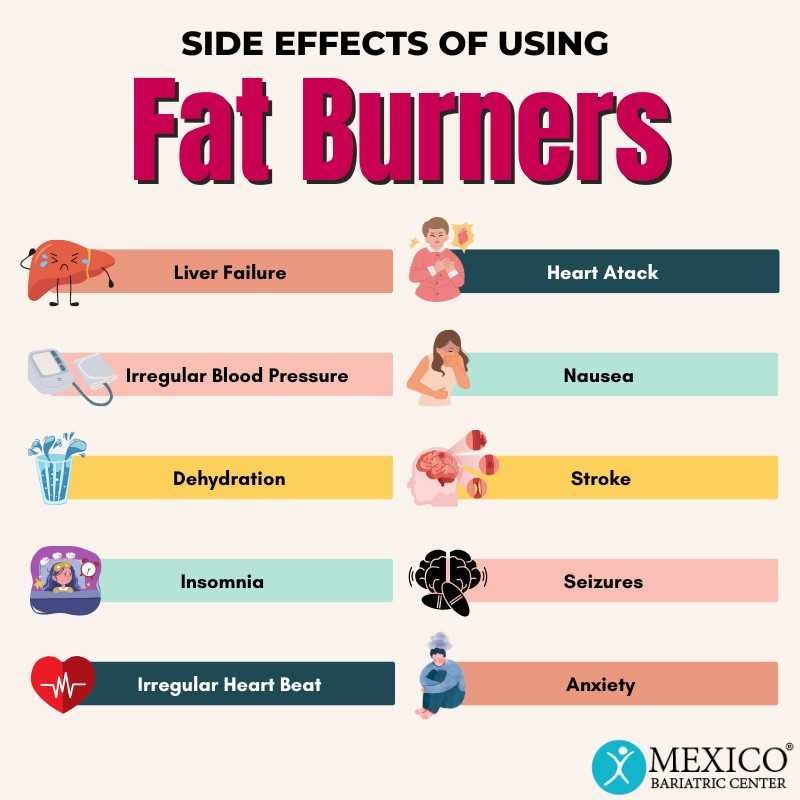
While some users experience benefits with minimal issues, others may encounter adverse effects such as:
- Increased heart rate and blood pressure
- Insomnia or restlessness
- Stomach discomfort or nausea
- Headaches or dizziness
- Unusual sweating or dehydration
Prolonged or high-dosage use can elevate health risks, especially in sensitive individuals.
Are There Risks of Using Fat Burners Without Medical Guidance?
Using fat burners without consultation can be risky. Unsupervised intake may lead to interactions with medications or underlying health conditions. It’s important to follow recommended dosages and seek advice if you experience side effects.
How to Use Fat Burners Responsibly
To maximize safety, consider these tips:
- Always read labels carefully and follow dosing instructions
- Start with the lowest effective dose to assess your reaction
- Avoid combining multiple fat burners or stimulants
- Limit intake late in the day to prevent sleep issues
- Maintain a balanced diet and regular exercise routine
Natural Alternatives to Fat Burners
If safety is a concern, natural methods can support weight loss:
- Eating a healthy, balanced diet rich in whole foods
- Engaging in regular physical activity like walking or strength training
- Staying well-hydrated with water
- Getting enough sleep to regulate hormones that control appetite
- Using herbal teas like green tea or oolong for gentle metabolic support
Long-term Use and Effectiveness of Fat Burners
Research indicates that fat burners are most effective when combined with lifestyle changes. Long-term reliance on supplements without maintaining healthy habits can lead to disappointment or health issues. Sustainable weight management depends on consistent diet and exercise over time.
Summary of Safety Considerations
In conclusion, the safety of fat burners varies widely based on ingredients, dosage, individual health, and usage habits. While some ingredients are generally safe in moderation, others pose risks, particularly if misused. Always prioritize consultation with a healthcare provider before adding these supplements to your routine.
Final Thoughts on Are Fat Burners Safe to Take?
Fat burners can be safe for some individuals when used responsibly and in moderation. However, they are not a magic solution and should complement healthy lifestyle habits. Being informed about ingredients, potential side effects, and proper usage helps ensure safety. Remember, personalized advice from healthcare professionals can guide you toward the safest and most effective weight loss options.
The Truth on Fat Burner Supplements
Frequently Asked Questions
What are the potential risks associated with taking fat burners?
Fat burners can cause side effects such as increased heart rate, high blood pressure, insomnia, and digestive issues. Some ingredients may also interact with medications or pre-existing health conditions. It is essential to consult a healthcare professional before using these supplements, especially if you have underlying health concerns or are on medication.
How do the ingredients in fat burners affect safety?
Many fat burners contain stimulants like caffeine, which can elevate heart rate and lead to jitteriness or anxiety in some individuals. Other ingredients, such as herbal extracts or proprietary blends, may have unknown effects or cause allergic reactions. Understanding the ingredients and their respective safety profiles helps users make informed decisions and minimizes potential health risks.
Can fat burners be safely used with a healthy diet and exercise plan?
While combining fat burners with a balanced diet and regular exercise can support weight loss efforts, they should not replace healthy habits. Using these supplements responsibly and under medical supervision ensures you are not over-relying on them, reducing the risk of adverse effects. Always prioritize natural methods before considering supplements.
Are there age restrictions or health conditions that limit fat burner use?
Yes, certain age groups, like teenagers and seniors, should avoid fat burners unless prescribed by a healthcare professional. Individuals with heart problems, high blood pressure, or other chronic conditions need to be cautious. A doctor’s advice ensures safe use tailored to your specific health profile.
How can I determine if a fat burner is safe for me?
Check for products that have been tested or certified by reputable organizations. Read labels thoroughly, research ingredient safety, and consider consulting a healthcare provider. Personal health history and current medications also influence safety, making professional guidance an important step before starting any supplement.
Final Thoughts
In conclusion, are fat burners safe to take? It depends on the product and individual health. While some fat burners can be effective, they may also pose risks if misused or if they contain harmful ingredients. Always consult a healthcare professional before starting any supplement. Prioritize a balanced diet and regular exercise for safe, sustainable weight management.
As an Amazon Associate, We earn from qualifying purchases. When you purchase a product through Amazon links on pulsefitguide.com, we may earn a small commission at no extra cost to you. This helps support the site and keep our content free.