

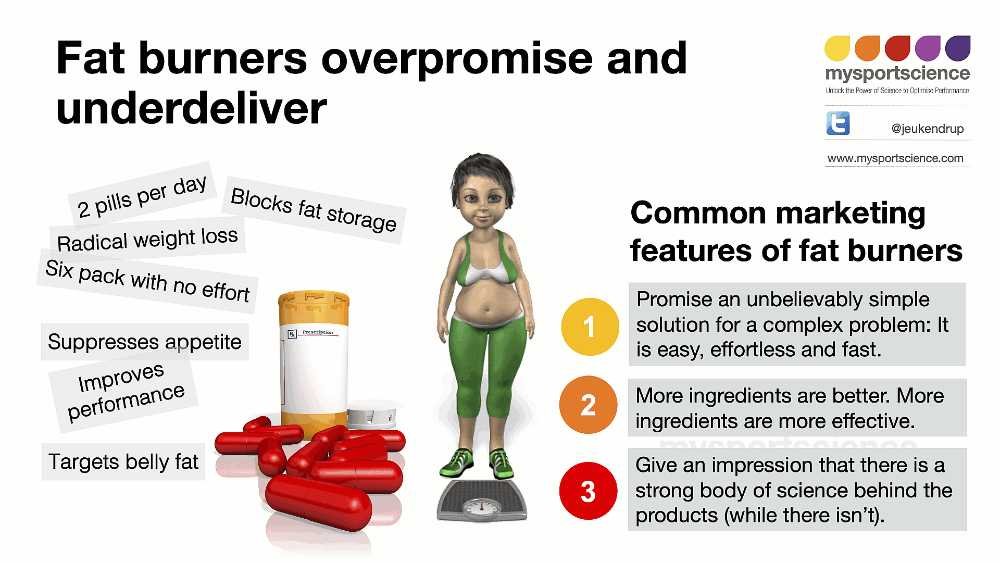
Fat burners can seem like a quick fix for weight loss, but do they really deliver on their promises? The short answer is: they can help some people shed a few pounds, but they are not magic pills and should be used alongside a healthy diet and exercise. While certain ingredients may boost metabolism or suppress appetite temporarily, their overall effectiveness varies from person to person. It’s important to understand that no supplement alone can replace lifestyle changes. If you’re considering using fat burners, it’s wise to be informed about their benefits and limitations, and to approach them as part of a broader weight management plan.
Weight loss is a complex journey, and fat burners are just one piece of the puzzle. Many individuals turn to these supplements hoping for quick results, but real progress typically involves a combination of balanced eating, regular physical activity, and consistent effort. Some fat burners may provide a slight advantage by increasing energy or reducing hunger, but they are not a substitute for hard work and healthy habits. It’s essential to stay cautious and manage expectations, focusing on sustainable changes for long-term success.

Are Fat Burners Effective? A Deep Dive into Their Role in Weight Loss
Understanding What Fat Burners Are
Fat burners are supplements designed to help people lose weight by increasing the body’s ability to burn fat. They often contain ingredients like caffeine, green tea extract, and thermogenic agents. Some are marketed as quick fixes, promising rapid weight loss with minimal effort. However, their effectiveness varies greatly depending on individual factors and product quality.
How Do Fat Burners Work in the Body?
Most fat burners aim to boost metabolism, suppress appetite, or increase energy expenditure. They can activate the central nervous system, leading to higher calorie burn throughout the day. Some also target fat breakdown directly by encouraging lipolysis—the process where stored fat is converted into usable energy. Understanding these mechanisms helps determine whether fat burners are truly beneficial or just hype.
Role of Caffeine and Green Tea Extract
Caffeine, a common ingredient in fat burners, stimulates the nervous system, leading to increased alertness and higher calorie burn. Green tea extract contains catechins that may enhance fat oxidation. While these ingredients can support weight loss efforts, their effects are generally modest without lifestyle changes.
Thermogenic Ingredients and Their Impact
Thermogenics are substances that generate heat and increase energy expenditure. Common thermogenic agents include capsaicin and synephrine. They may temporarily boost metabolism but often come with side effects such as increased heart rate or jitters. Their long-term efficacy remains uncertain.
The Evidence Behind Fat Burners’ Effectiveness
Studies on fat burners reveal mixed results. Some research shows slight weight loss benefits when combined with diet and exercise. However, many products lack rigorous clinical testing, making it difficult to confirm their true effectiveness. Consumers should approach fat burners with realistic expectations.
Scientific Studies and Findings
A number of trials indicate that fat burners can lead to a few extra pounds lost over several weeks. For instance, a study published in the “Journal of Obesity” found that participants taking a combination supplement experienced a modest reduction in body fat. Yet, these effects often plateau and are not significant without lifestyle modifications.
Placebo Effect and Real Results
Some weight loss observed in studies may be partly due to the placebo effect—believing the supplement works can influence outcomes. Real, sustained weight loss typically requires consistent diet and physical activity, with fat burners playing only a supplemental role.
Are Fat Burners Safe to Use?
Safety is a crucial factor when considering fat burners. Not all products are regulated equally, and some may contain undisclosed or harmful ingredients. Side effects like increased heart rate, anxiety, or digestive issues can occur, especially with high doses or sensitive individuals.
Potential Risks and Side Effects
Common side effects include jitteriness, insomnia, and elevated blood pressure. People with underlying health conditions or those taking medications should consult healthcare providers before use. Long-term safety data is limited, so caution is advised.
Regulation and Quality Concerns
In many countries, dietary supplements like fat burners are less tightly regulated than pharmaceuticals. This means some products might contain contaminants or ingredients not listed on labels. Choosing reputable brands with third-party testing can reduce risks.
Do Fat Burners Help in Achieving Long-Term Weight Loss?
Fat burners may provide a slight edge in short-term weight loss, but they are not a cure-all. Sustainable results depend on lifestyle changes like healthy eating and regular exercise. Relying solely on supplements without behavioral adjustments often leads to disappointing outcomes.
Combining Fat Burners with Diet and Exercise
Using fat burners alongside a balanced diet and consistent workout routine can enhance weight loss efforts. They might boost motivation or energy levels, making it easier to stick to healthy habits. However, they should never replace fundamental lifestyle changes.
Importance of Healthy Lifestyle Choices
The foundation of effective weight management remains proper nutrition, regular physical activity, and adequate sleep. Fat burners may offer temporary support but cannot compensate for poor habits or inactivity.
Alternative Natural Methods to Support Weight Loss
Natural approaches like increased water intake, high-fiber foods, and regular exercise can be effective and safe. Some herbs, such as cayenne pepper and ginger, may slightly boost metabolism naturally. These methods often have fewer risks and long-term benefits.
Healthy Eating Habits
Eating a balanced diet rich in vegetables, lean proteins, and healthy fats supports weight loss. Portion control and mindful eating prevent overeating and promote satiety.
Exercise and Physical Activity
Consistent activity helps burn calories and increase muscle mass, which improves metabolism. Combining cardio with strength training offers the best results for fat loss and overall health.
Summary: Should You Use Fat Burners?
While fat burners can provide a modest boost for weight loss, they are not magic solutions. Their true value depends on product quality, individual health, and supportive lifestyle habits. Always prioritize safe, sustainable methods and consult healthcare professionals before starting any supplement regimen.
Key Takeaways
- Most fat burners have limited and variable effects.
- Ingredients like caffeine and green tea may offer small benefits.
- Safety concerns exist, especially with unregulated products.
- Long-term weight loss relies mainly on diet and exercise.
- Use fat burners as supplementary tools, not primary solutions.
Related Topics
- Best exercises for fat loss
- Healthy diet plans for weight management
- Natural supplements that support metabolism
- Understanding metabolism and calorie burning
The Truth on Fat Burner Supplements
Frequently Asked Questions
What factors influence the effectiveness of fat burners?
The effectiveness of fat burners depends on several factors including individual metabolism, diet, exercise routine, and consistency in usage. Some ingredients may boost metabolism or suppress appetite, but their actual impact varies from person to person. Maintaining a balanced diet and regular physical activity enhances the results obtained from fat burners.
Can fat burners replace a healthy lifestyle?
No, fat burners are not substitutes for healthy habits. They can support weight management efforts, but they work best when combined with proper nutrition and regular exercise. Relying solely on fat burners without making lifestyle changes often leads to minimal or temporary results.
Are there any side effects associated with fat burners?
Yes, some fat burners contain stimulants or other ingredients that may cause side effects such as increased heart rate, insomnia, or digestive issues. It’s important to choose products carefully and consult a healthcare professional before starting any supplement, especially if you have underlying health conditions.
Do fat burners have long-term benefits or only short-term effects?
Most fat burners primarily support short-term weight loss by boosting metabolism or reducing appetite. For sustainable results, users need to adopt healthy eating habits and regular exercise. Relying solely on fat burners does not lead to lasting weight management without lifestyle adjustments.
How quickly can someone expect to see results from using fat burners?
Results vary based on individual factors and adherence to a fitness regimen. Some users notice changes within a few weeks, while others may require longer periods to see significant effects. Consistent use combined with healthy habits often leads to better and faster outcomes.
Final Thoughts
Fat burners can support weight loss efforts but aren’t magic solutions. Their effectiveness varies depending on individual factors and product quality.
While they may boost metabolism slightly or reduce appetite, sustainable weight loss relies on a balanced diet and regular exercise.
Are fat burners effective? They can aid your journey but should complement a healthy lifestyle, not replace it.
As an Amazon Associate, We earn from qualifying purchases. When you purchase a product through Amazon links on pulsefitguide.com, we may earn a small commission at no extra cost to you. This helps support the site and keep our content free.