

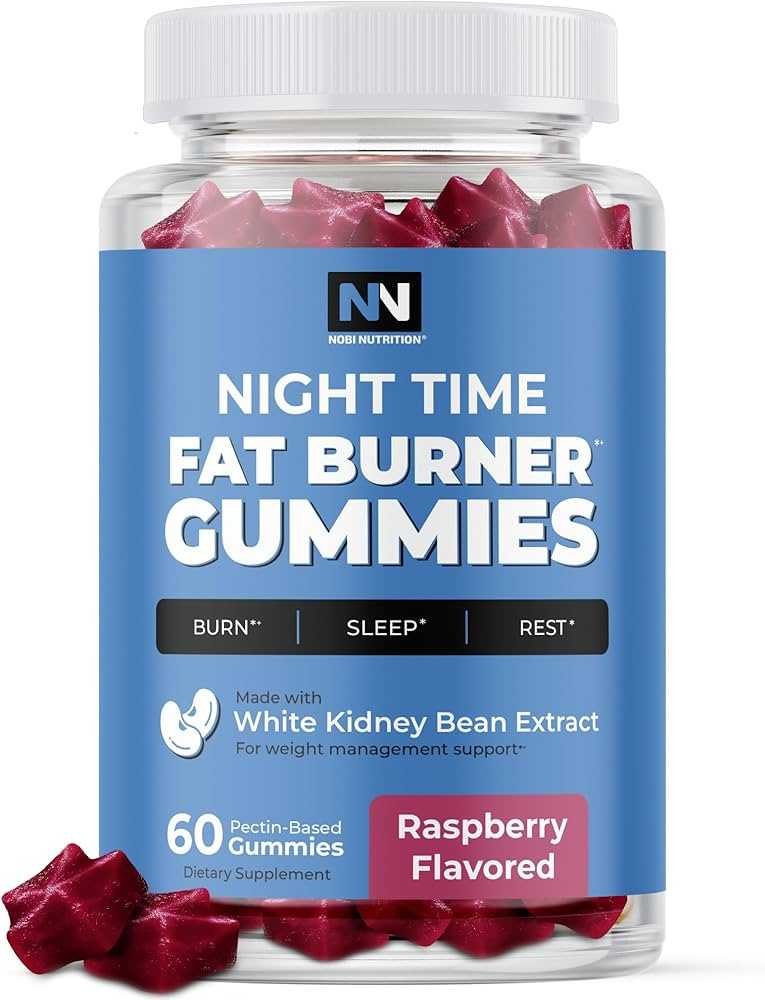
Fat burners can be tempting when you’re eager to shed pounds quickly, but the question remains: are they safe? The quick answer is that while some fat burners may offer benefits, many carry potential risks and side effects, especially if used improperly or without medical guidance. It’s important to understand what you’re putting into your body before relying on these supplements.
In short, fat burners are not universally bad, but they can be risky and are not a substitute for a healthy diet and regular exercise. Some formulations may cause adverse effects, and their effectiveness varies from person to person. Being informed and cautious is key when considering these products to ensure you’re making safe choices on your weight loss journey.
Starting a weight loss journey often leads people to explore quick fixes like fat burners. With so many options claiming rapid results, it’s easy to get caught up in the hype. However, understanding the potential dangers and benefits of fat burners is crucial before incorporating them into your routine. These supplements are designed to boost metabolism, suppress appetite, or increase energy, but not all are created equal. Some contain ingredients that may cause adverse reactions, interact with medications, or have long-term health implications. While they might offer a minor boost, relying solely on fat burners without addressing diet and exercise can be risky. Making informed decisions about your health involves weighing the potential benefits against the possible side effects and consulting with healthcare professionals before use.

Are Fat Burners Bad for You? An In-Depth Look
What Are Fat Burners? A Quick Overview
Fat burners are supplements designed to help people lose weight by speeding up their metabolism or reducing appetite. They often contain a mix of natural ingredients like caffeine, green tea extract, or cayenne pepper. Many individuals turn to these products to accelerate their weight loss journey.
How Do Fat Burners Work? The Science Behind Them
Most fat burners work by increasing your body’s energy expenditure. They may boost your metabolic rate, enhance fat oxidation, or suppress hunger. However, the effectiveness of these supplements can vary greatly from person to person.
Are Fat Burners Effective or Just a Myth?
Some studies suggest that fat burners can aid weight loss when combined with proper diet and exercise. Yet, many products have limited scientific backing and might not deliver the promised results. It’s crucial to approach these supplements with cautious optimism.
Potential Risks and Side Effects of Fat Burners
While some ingredients are generally safe, others can cause side effects. Common adverse effects include increased heart rate, high blood pressure, insomnia, and jitteriness. In some cases, fat burners have led to more severe health issues like liver damage or cardiovascular problems.
Ingredients That Can Be Harmful
- Caffeine: Excessive intake can cause tremors, anxiety, and sleep disturbances.
- Synephrine: Used in some products as a substitute for ephedrine, which has been linked to heart problems.
- Yohimbine: May lead to high blood pressure and rapid heartbeat.
Are Fat Burners Safe for Everyone?
Not everyone should use fat burners. Pregnant women, nursing mothers, individuals with heart conditions, or those taking certain medications should avoid these supplements. Consulting a healthcare professional before use is always recommended.
The Role of Natural Alternatives
Natural remedies like proper diet, regular physical activity, and adequate sleep remain the safest ways to lose weight. Supplements should never replace healthy habits but may support your efforts when used responsibly.
Healthy Lifestyle Tips for Weight Loss
- Focus on whole foods like fruits, vegetables, and lean proteins.
- Stay hydrated with plenty of water throughout the day.
- Engage in consistent physical activity, including both cardio and strength training.
- Get enough sleep each night to support metabolic health.
The Importance of Reading Labels and Choosing Quality Products
Not all fat burners are created equal. Always check for reputable brands with transparent ingredient lists. Avoid products with undisclosed or artificial additives that might be harmful.
Legal and Regulatory Aspects
In many countries, dietary supplements are not strictly regulated. This lack of oversight can lead to the sale of products containing banned or dangerous ingredients. Always buy from certified sources to ensure safety.
Consulting Health Professionals
Before starting any supplement, talk to a doctor or a registered dietitian. They can provide personalized advice based on your health history and goals. This step can help you avoid potential interactions or adverse effects.
Summary of Key Points
– Fat burners may offer some benefits but come with risks.
– Not all ingredients are safe; some can cause serious health issues.
– Natural weight loss strategies are safer and more sustainable.
– Always choose high-quality products and seek professional guidance.
Related Topics to Explore
- How to Create a Balanced Weight Loss Plan
- The Role of Exercise in Burning Fat
- Understanding Your Body’s Metabolism
- Healthy Eating Habits for Long-Term Results
- How to Recognize Safe Dietary Supplements
Understanding whether fat burners are bad for you depends on many factors, including their ingredients, your health status, and how they are used. While some may provide quick results, the potential health risks make it essential to proceed with caution. Prioritizing natural, sustainable methods remains the best way to achieve and maintain a healthy weight over time.
The Truth on Fat Burner Supplements
Frequently Asked Questions
What are the potential side effects of using fat burners regularly?
Regular use of fat burners can lead to side effects such as increased heart rate, elevated blood pressure, insomnia, and digestive issues. Some ingredients may cause adverse reactions, especially if taken in large amounts or without medical supervision. It’s essential to understand these risks and consult a healthcare professional before adding fat burners to your routine.
Can fat burners cause dependency or addiction?
While fat burners are not traditionally addictive, some contain stimulants like caffeine that may lead to dependence if used excessively. Relying heavily on these supplements can result in tolerance, meaning you may need higher doses to achieve the same effect, which can be risky. Use fat burners responsibly and follow recommended guidelines.
Are there any health conditions that make fat burners unsafe for certain people?
Yes, individuals with heart problems, hypertension, or metabolic disorders should be cautious. Fat burners can exacerbate existing health issues or interact negatively with medications. Always consult a healthcare provider before starting any supplement, especially if you have underlying health conditions.
Do fat burners have long-term effects on health?
The long-term effects of fat burners are not well understood, and prolonged use may pose health risks. Some ingredients could strain your liver or kidneys or disrupt hormonal balance. To minimize risks, consider using fat burners only temporarily and under medical supervision.
Are natural fat burners safer than synthetic ones?
Natural fat burners typically contain herbs and plant extracts and may present fewer risks than synthetic options. However, natural does not always mean safe; some herbal ingredients can cause allergic reactions or interact with medications. Always research ingredients and consult a professional before use.
Final Thoughts
Fat burners can be tempting for quick weight loss, but they might carry risks. Some contain stimulants that can cause side effects like increased heart rate or anxiety. It’s important to consider your health before using these supplements.
Consult with a healthcare professional to evaluate if fat burners suit your needs. Natural methods like diet and exercise remain safer and more sustainable.
In conclusion, are fat burners bad for you? It depends on the ingredients and usage. Use them cautiously, and prioritize a balanced approach to health.
As an Amazon Associate, We earn from qualifying purchases. When you purchase a product through Amazon links on pulsefitguide.com, we may earn a small commission at no extra cost to you. This helps support the site and keep our content free.