

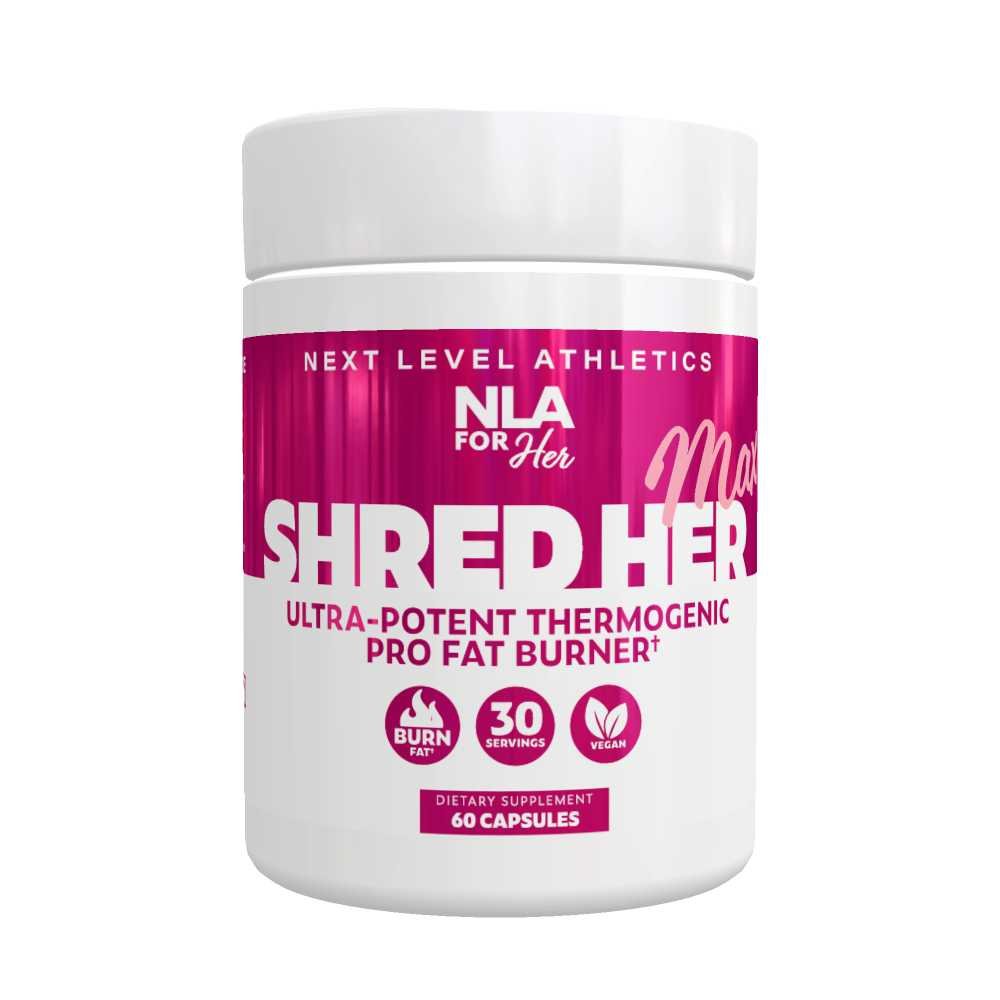
Fat burners can seem like an easy fix for weight loss, but are they really safe or effective? The quick answer is that while some fat burners may offer short-term benefits, they often come with potential risks and side effects. It’s important to approach these supplements with caution and prioritize healthier, sustainable methods for weight management.
In short, fat burners are not inherently bad, but they aren’t a magic solution either. Their safety and effectiveness depend on the ingredients used and individual health conditions. Using them responsibly and combining them with a balanced diet and exercise is key. Over-reliance or misuse can lead to unwanted side effects, making it essential to be well-informed before trying them out.
Starting a weight loss journey can be tempting, especially with the promise of quick results from fat burners. However, understanding their pros and cons is crucial for making smart choices. Many people wonder if these supplements are harmful or just a harmless shortcut. The truth is that some fat burners can cause health issues if misused, while others may have minimal risks when used responsibly. It’s vital to weigh the potential benefits against the possible dangers and consider natural, proven methods first. Ultimately, sustainable weight loss is best achieved through healthy eating, regular activity, and sometimes, expert medical advice.

Are Fat Burners Bad? A Complete Look at Their Risks and Benefits
Understanding Fat Burners
Fat burners are supplements designed to boost metabolism and help burn fat more efficiently. Many people use them to support weight loss goals, especially when dieting and exercising alone aren’t enough. These products often contain ingredients like caffeine, green tea extract, and herbal compounds.
How Do Fat Burners Work?
Fat burners typically aim to increase your body’s energy expenditure. They can do this by stimulating your central nervous system, which raises your heart rate and calorie burn. Some also suppress appetite, helping you eat less without feeling hungry.
Common Ingredients in Fat Burners
Different products contain a variety of active ingredients, including:
- Caffeine: boosts energy and metabolism
- Green tea extract: provides antioxidants and fat-burning compounds
- Clenbuterol: a controversial stimulant sometimes found illegally
- Yohimbine: may aid in fat breakdown
- L-Carnitine: supports fat transport in cells
Understanding these ingredients can help you evaluate whether a fat burner is suitable for you.
Possible Benefits of Fat Burners
Some users report noticeable weight loss when combining fat burners with proper diet and exercise. They can provide a quick boost in energy, making workouts more effective. Certain ingredients also have antioxidant properties that support overall health.
Are Fat Burners Really Effective?
Research shows that some ingredients like caffeine and green tea extract can modestly increase metabolic rate. However, fat burners are not a magic solution and their results vary among individuals. They work best when used alongside a balanced diet and regular physical activity.
Risks and Side Effects of Fat Burners
While many fat burners are considered safe in moderation, they come with potential risks. Side effects can include increased heart rate, high blood pressure, jitteriness, and sleep disturbances. Overuse or combining multiple products can escalate these risks.
Potential Health Concerns
Certain ingredients may cause adverse effects, especially in sensitive individuals or those with underlying health issues. For example, stimulants like caffeine can lead to anxiety or heart palpitations. Additionally, some unregulated products might contain harmful substances.
Legal and Safety Issues
Not all fat burners are legally approved or regulated by health authorities. Some contain banned substances or undisclosed ingredients. It’s important to choose products from reputable sources to reduce health risks.
Who Should Avoid Fat Burners?
Pregnant women, nursing mothers, and individuals with heart conditions or hypertension should steer clear of fat burners. People sensitive to stimulants or with a history of mental health issues should consult a healthcare professional before use. Always prioritize safety and professional advice.
Natural Alternatives to Fat Burners
There are many natural ways to support weight loss without supplements. Focus on a nutritious diet rich in fruits, vegetables, and lean proteins. Regular exercise, adequate sleep, and stress management are also crucial.
Tips for Safe and Effective Weight Loss
Combining healthy habits with patience leads to sustainable results. Set realistic goals and track your progress. Remember that no supplement replaces a balanced lifestyle and consistent effort.
Final Thoughts on Are Fat Burners Bad?
Fat burners can be helpful for some, but they are not without risks. It is essential to understand the ingredients, potential side effects, and your own health status. When used responsibly and alongside healthy habits, they may support your weight loss journey. Always consult a healthcare provider before starting any new supplement to ensure safety.
By knowing what to expect and being cautious, you can make informed choices about incorporating fat burners into your fitness routine. Prioritize your health, and remember that sustainable weight loss depends primarily on long-term lifestyle changes rather than quick fixes.
The Truth on Fat Burner Supplements
Frequently Asked Questions
Are fat burners safe to use regularly without consulting a healthcare professional?
Using fat burners without consulting a healthcare provider can pose health risks. Some ingredients may interact with medications or underlying health conditions. Always speak with a healthcare professional before adding any supplement to your routine to ensure safety and appropriateness based on your individual health status.
Can relying on fat burners lead to nutritional deficiencies?
Yes, depending solely on fat burners can sometimes cause nutritional imbalances. Many fat burners suppress appetite or alter metabolism without providing essential nutrients. It’s important to maintain a balanced diet and not rely exclusively on supplements for weight management.
Are there any long-term health effects associated with fat burner use?
Some fat burners contain stimulants or other active ingredients that may have adverse long-term effects, such as increased heart rate, sleep disturbances, or heart issues. Long-term safety data is limited for many of these products, so continuous use without medical supervision can be risky.
Do fat burners effectively promote sustainable weight loss?
Fat burners may provide a temporary boost in energy and metabolism, but they are not a substitute for healthy eating and regular exercise. Sustainable weight loss typically requires lifestyle changes rather than reliance on supplements alone.
What are the common side effects associated with fat burner consumption?
Many users experience side effects such as jitters, increased heart rate, insomnia, or gastrointestinal discomfort. These effects often depend on the ingredients and individual sensitivity. It’s crucial to understand the potential risks before starting any supplement regimen.
Final Thoughts
In conclusion, are fat burners bad? Not necessarily, but they can pose risks if misused or relied upon solely. While some may find them helpful for quick results, natural approaches like diet and exercise often yield safer, sustainable outcomes. Always consult a healthcare professional before adding fat burners to your routine. Prioritize your health and weigh the benefits against potential risks to make informed decisions.
As an Amazon Associate, We earn from qualifying purchases. When you purchase a product through Amazon links on pulsefitguide.com, we may earn a small commission at no extra cost to you. This helps support the site and keep our content free.