

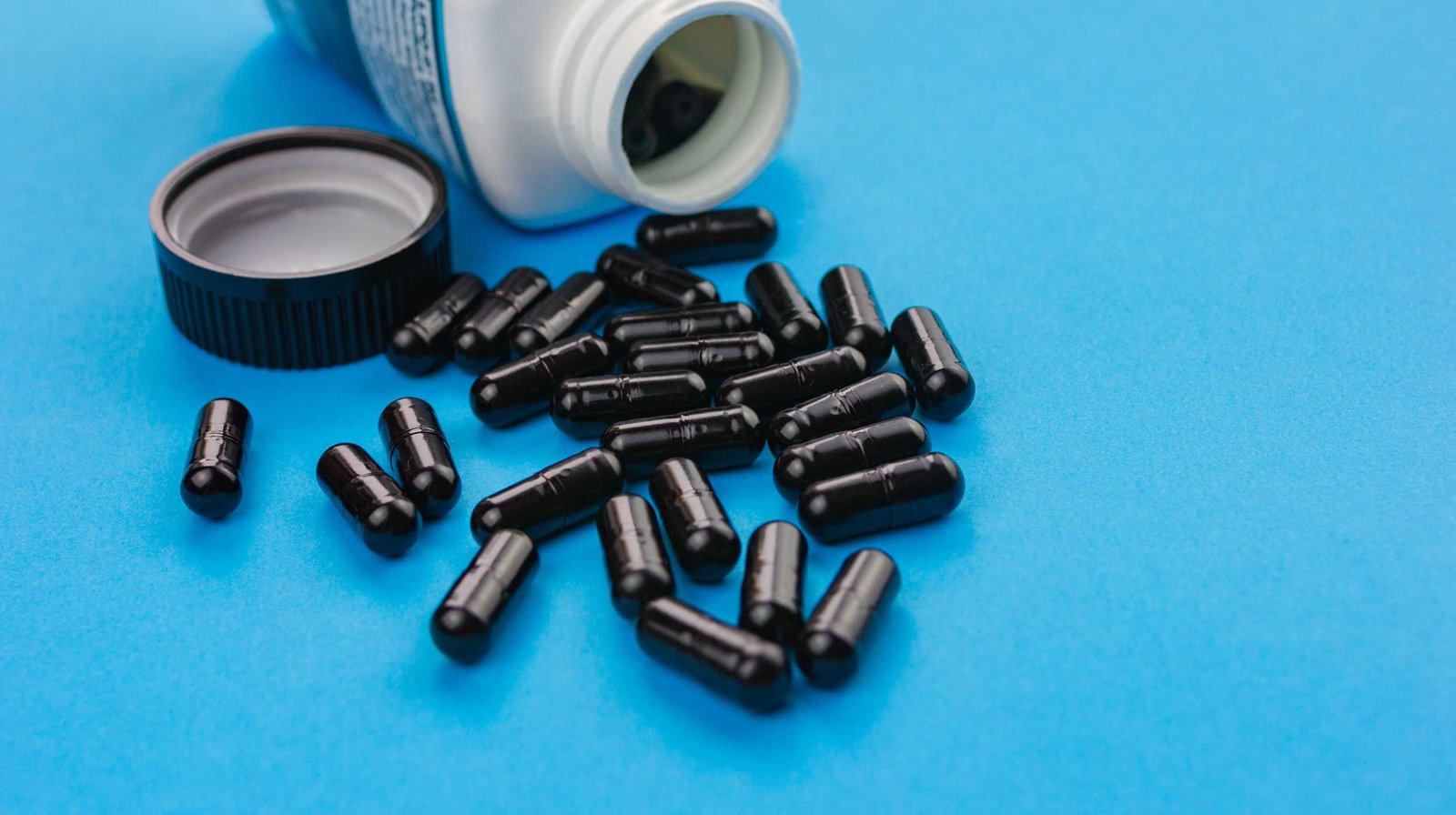
Fat burners can seem like a quick fix for losing weight, but do they really deliver what promises? The truth is, most fat burners are not magic pills—they’re often a waste of money that won’t help you achieve your goals without proper diet and exercise. While some ingredients may offer minor benefits, the overall effectiveness is questionable and often overstated by marketing. Instead of relying solely on supplements, focusing on a balanced diet, regular physical activity, and consistent lifestyle habits is a smarter and more sustainable approach to weight loss. If you’re considering fat burners, it’s essential to understand their limitations and prioritize proven methods for long-term results. In this article, we’ll explore whether fat burners are worth your investment and provide insights on how to approach your weight loss journey wisely.

Are Fat Burners a Waste of Money?
What Are Fat Burners and How Do They Work?
Fat burners are dietary supplements designed to help people lose weight quickly. They often contain ingredients like caffeine, green tea extract, or herbal compounds that claim to boost metabolism. These ingredients aim to increase calorie burning and suppress appetite, making it easier to reduce body fat.
Effectiveness of Fat Burners: What Does the Science Say?
Research on fat burners shows mixed results. Some ingredients like caffeine can temporarily boost metabolism, but the overall impact is usually small. Many studies suggest that fat burners alone do not lead to significant weight loss without diet and exercise. This makes their actual effectiveness questionable.
Are Fat Burners a Waste of Money?
For many people, fat burners do not deliver the promised results. The high cost of these supplements, combined with their limited effectiveness, makes them a poor investment for weight loss. Instead, focusing on balanced eating and regular physical activity often produces better results.
Potential Risks and Side Effects
While some fat burners appear safe, others can cause side effects like increased heart rate, high blood pressure, or sleep issues. Certain ingredients may interact with medications or worsen health conditions. It’s important to consult a doctor before using any supplement.
Understanding the Role of Diet and Exercise
Healthy weight loss depends on what you eat and how active you are. No supplement can replace a nutritious diet and consistent exercise routine. Combining these habits is the most reliable way to shed pounds and stay healthy.
Why Do People Still Use Fat Burners?
Many people turn to fat burners because they want quick results. The allure of rapid fat loss can be tempting, especially when combined with marketing claims promising fast success. However, quick fixes rarely lead to sustainable weight management.
Alternatives to Fat Burners
Instead of relying on supplements, consider natural methods:
- Adopt a balanced diet rich in fruits, vegetables, lean proteins, and whole grains
- Engage in regular physical activity like walking, biking, or swimming
- Stay consistent with your health goals over time
- Seek guidance from healthcare providers or dietitians for personalized plans
The Cost of Fat Burners Compared to Their Benefits
Fat burners can be costly, with monthly expenses adding up quickly. When considering their limited benefits, many experts argue that money spent on supplements could be better invested in gym memberships or healthier food choices. This approach often yields more significant and lasting results.
How to Identify Quality Supplements
If you still want to try fat burners, look for:
- Products with transparent ingredient lists
- Third-party testing or certification for safety
- Positive reviews from trusted sources
- Recommendations from healthcare professionals
However, remember that no supplement is a magic solution for weight loss.
Common Misconceptions About Fat Burners
Many believe fat burners are a quick shortcut to weight loss. Others think they can compensate for poor diet and lack of exercise. Neither is true, and relying solely on these supplements often leads to disappointment.
Long-Term Results and Sustainability
Healthy weight loss requires changes you can maintain over time. Relying heavily on fat burners can undermine this, as they do not promote healthy habits. Focus on creating a sustainable lifestyle for lasting success.
Summary: Are Fat Burners Worth It?
Most evidence suggests that fat burners are a poor investment. Their limited effectiveness and potential health risks outweigh any short-term benefits. Real weight loss comes from consistent habits, balanced nutrition, and regular activity.
Related Topics
Explore related areas to improve your health journey:
- Healthy eating habits for weight loss
- Effective workout routines for beginners
- Understanding metabolism and how it affects weight
- The importance of sleep and stress management in weight control
In conclusion, fat burners rarely live up to their promises. Investing time and effort into proven methods like proper nutrition and exercise usually provides better, safer, and more sustainable results. Remember, there is no quick fix—lasting health and fitness come from consistent, healthy choices.
Are Fat Burners a Waste of Money?
Frequently Asked Questions
Are fat burners effective in helping with weight loss?
Fat burners may provide some support in losing weight, but their effectiveness varies from person to person. They often work best when combined with a balanced diet and regular exercise. Relying solely on these supplements without making lifestyle changes usually results in minimal or temporary results.
Can fat burners cause any health risks?
Some fat burners contain stimulants or other ingredients that can cause side effects such as increased heart rate, insomnia, or digestive issues. Individuals with pre-existing health conditions should consult a healthcare professional before using these supplements. It’s important to choose products from reputable sources and follow recommended dosages.
Are natural fat burners better than synthetic ones?
Natural fat burners, like green tea extract or caffeine, often present fewer risks and side effects compared to synthetic options. However, their impact on weight loss is typically milder. Regardless of the type, users should set realistic expectations and focus on holistic approaches to weight management.
Do fat burners help maintain weight loss over time?
Fat burners may assist with initial weight loss, but maintaining results depends largely on lifestyle choices. Long-term success requires consistent healthy eating habits and regular physical activity. Supplements alone cannot sustain weight loss indefinitely.
Are fat burners necessary for weight loss or can I succeed without them?
You can achieve weight loss without fat burners by focusing on proper nutrition and consistent exercise. These supplements are optional and should complement healthy habits, not replace them. Building sustainable routines offers the best chance for lasting results.
Final Thoughts
Fat burners often promise quick weight loss, but their effectiveness remains questionable. Many contain ingredients that have little scientific backing, making their benefits dubious.
Investing in a balanced diet and consistent exercise proves far more effective than relying on supplements.
Are fat burners a waste of money? Likely so, since they rarely deliver the results they claim. Focus on sustainable habits for long-term success instead.
As an Amazon Associate, We earn from qualifying purchases. When you purchase a product through Amazon links on pulsefitguide.com, we may earn a small commission at no extra cost to you. This helps support the site and keep our content free.