


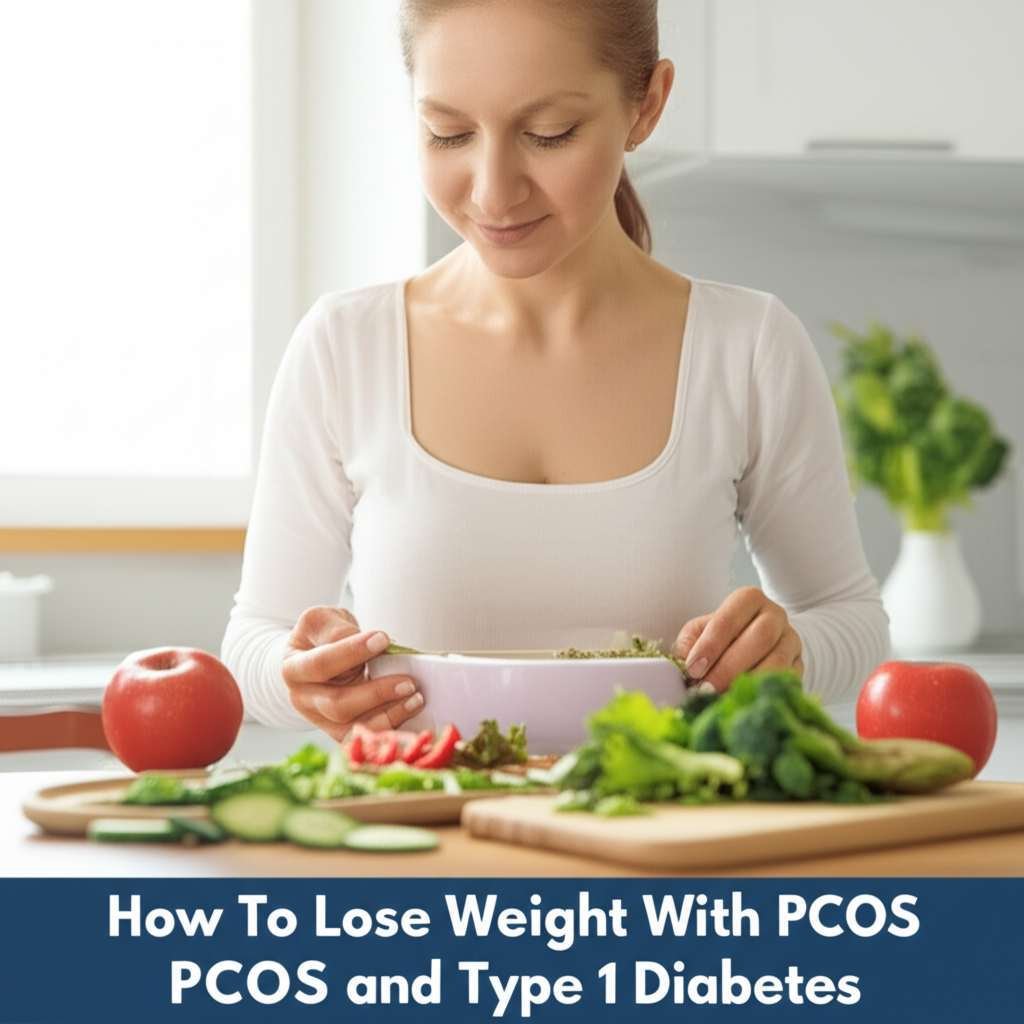
Losing weight with PCOS and Type 1 Diabetes is totally doable! Focus on simple, consistent steps with food and movement, and you’ll see amazing results. You’ve got this!
Hey there, amazing people! Feeling a little tired or unsure where to start with your fitness goals, especially when managing PCOS and Type 1 Diabetes? I get it. It can feel like a lot to juggle. But guess what? You absolutely have the power to make awesome changes for your health! We’re going to break it all down into super simple, easy-to-follow steps. Get ready to feel stronger, more energetic, and totally proud of yourself. Let’s get this party started!
Let’s Kickstart Your Weight Loss Journey!
Losing weight with PCOS and Type 1 Diabetes is all about finding a balance that works for you. It’s not about perfection, it’s about progress. We’ll focus on small, smart changes that add up to big wins. Ready to dive in?
Understand Your Body: PCOS & Type 1 Diabetes
It’s super helpful to know a little bit about how PCOS and Type 1 Diabetes affect your body. This helps us make smarter choices! PCOS can affect hormones, sometimes making weight loss a bit trickier. Type 1 Diabetes means your body doesn’t make insulin, so managing blood sugar is key. When we work with these, instead of against them, we unlock amazing results!
Smart Eating for Amazing Results
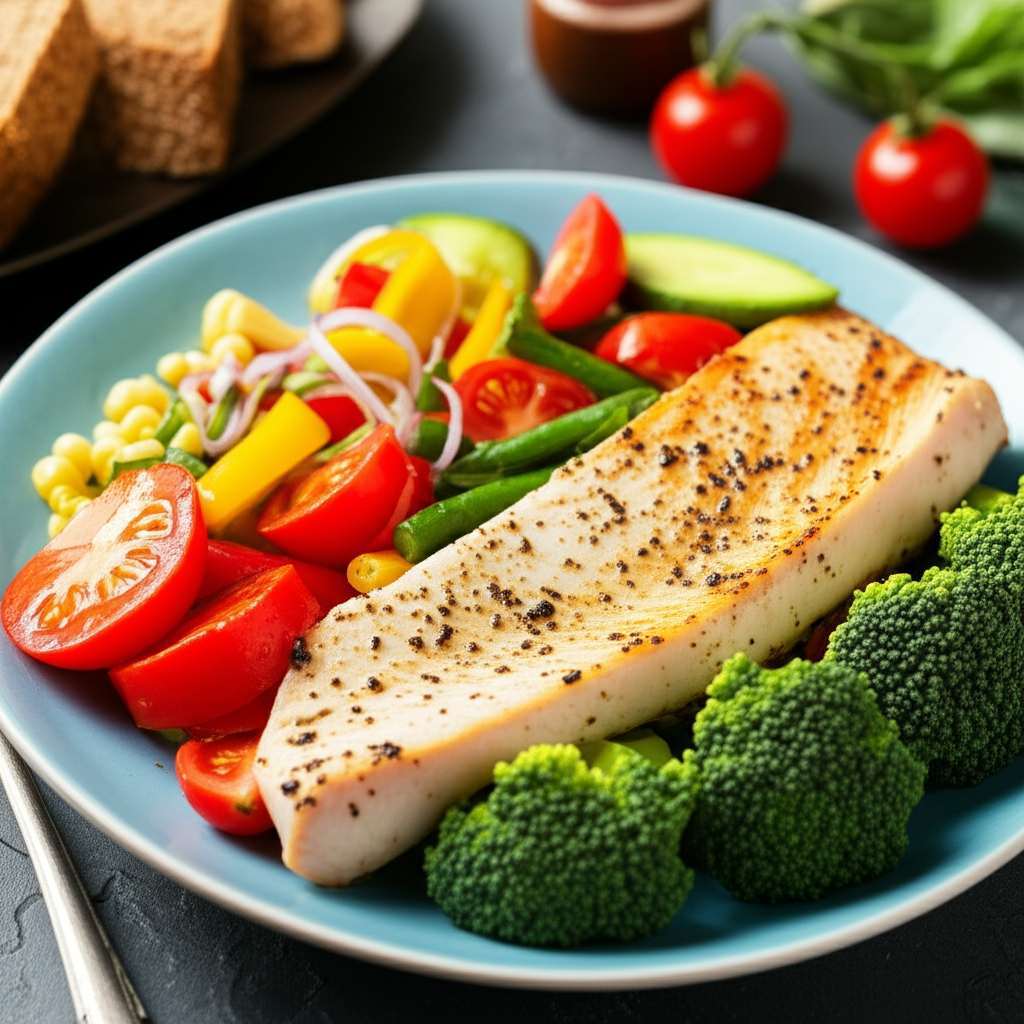
What you eat is a huge part of your weight loss journey. We want foods that help manage blood sugar and keep you feeling full and energized. Think of it as fueling your body with the good stuff!
Focus on Whole Foods
Whole foods are your best friends. These are foods that are as close to their natural state as possible. They’re packed with nutrients and fiber.
- Veggies: Load up on colorful veggies like broccoli, spinach, bell peppers, and carrots.
- Fruits: Berries, apples, and pears are great choices. Enjoy them in moderation!
- Lean Proteins: Chicken, fish, beans, lentils, and tofu help you feel full.
- Healthy Fats: Avocados, nuts, seeds, and olive oil are super important.
- Whole Grains: Oats, quinoa, and brown rice give you sustained energy.
Watch Your Carbs (Smartly!)
For both PCOS and Type 1 Diabetes, being mindful of carbohydrates is important. This doesn’t mean cutting them out! It means choosing the right kinds and watching portion sizes. Focus on complex carbs that release energy slowly.
Hydration Station!
Drinking enough water is crucial. It helps with metabolism, keeps you feeling full, and is vital for overall health. Aim for at least 8 glasses a day, maybe more if you’re active!
Simple Meal Ideas
Here are some easy meal ideas to get you started. They’re balanced and delicious!
- Breakfast: Oatmeal with berries and a sprinkle of nuts. Or, scrambled eggs with spinach and whole-wheat toast.
- Lunch: A big salad with grilled chicken or chickpeas, lots of veggies, and a light vinaigrette. Or, lentil soup with a side of whole-grain crackers.
- Dinner: Baked salmon with roasted broccoli and quinoa. Or, lean turkey chili loaded with beans and veggies.
- Snacks: A handful of almonds, Greek yogurt with a few berries, or a hard-boiled egg.
Move Your Body for Fat Burning
Getting active is key to burning fat and improving insulin sensitivity. We’ll find ways to move that you actually enjoy!
Start Slow and Steady
If you’re new to exercise, don’t feel like you need to run a marathon tomorrow. Start with what feels good. Even short bursts of activity make a difference.
Combine Different Types of Exercise
A mix of cardio, strength training, and flexibility is the winning combo. This helps burn calories, build muscle (which boosts metabolism!), and keeps you flexible.
| Workout Type | What it is | Why it’s Great | Beginner Tips |
|---|---|---|---|
| Cardio | Gets your heart pumping! Think brisk walking, jogging, cycling, swimming. | Burns calories, improves heart health, helps blood sugar control. | Start with 20-30 minutes, 3-4 times a week. Find an activity you love! |
| Strength Training | Building muscle using weights, resistance bands, or your own body weight. | Boosts metabolism (burns more calories even at rest!), improves body composition. | Start with 2-3 times a week. Focus on major muscle groups. Bodyweight squats and push-ups are great! |
| HIIT (High-Intensity Interval Training) | Short bursts of intense exercise followed by brief recovery periods. | Super effective for burning fat in a shorter time. Can improve insulin sensitivity. | Start with shorter HIIT sessions (10-15 minutes) once a week. Listen to your body! |
| Flexibility & Mobility | Stretching and gentle movements. Think yoga or Pilates. | Improves range of motion, reduces stiffness, can help with stress. | Incorporate into your routine daily or a few times a week. Great for recovery. |
Your First Steps to Moving More
Let’s make exercise a fun part of your day!
- Walk It Out: Start with a 15-20 minute brisk walk each day.
- Bodyweight Basics: Try a few squats, lunges, and push-ups (on your knees is totally fine!).
- Dance Party: Put on your favorite music and dance for 10-15 minutes. Seriously, it’s a workout!
- Stretching Time: Dedicate 5 minutes to stretching after your walk or workout.
Sample Weekly Workout Plan
Here’s a sample plan to give you an idea. Remember to adjust it to fit your energy levels and preferences!
| Day | Activity | Notes |
|---|---|---|
| Monday | Brisk Walk (30 mins) + Stretching | Focus on enjoying the fresh air! |
| Tuesday | Bodyweight Strength Training (20 mins) | Squats, lunges, push-ups, planks. Feel the power! |
| Wednesday | Active Rest or Light Cardio (e.g., leisurely bike ride, yoga) | Listen to your body. |
| Thursday | Cardio (e.g., jogging, swimming, dancing – 30 mins) | Get that heart rate up! |
| Friday | Bodyweight Strength Training (20 mins) | Repeat Tuesday’s routine or try new moves. |
| Saturday | Longer Walk or Fun Activity (45-60 mins) | Hiking, exploring a new park, or playing a sport. |
| Sunday | Rest or Gentle Stretching | Your body needs to recover. |
Mindful Habits for Lasting Change
It’s not just about food and exercise. Little daily habits can make a huge difference!
Prioritize Sleep
Getting enough quality sleep is crucial for hormone balance, appetite control, and overall recovery. Aim for 7-9 hours per night. Make your bedroom a sleep sanctuary!
Manage Stress
High stress can impact blood sugar and make weight loss harder. Find what helps you relax: deep breathing, meditation, a warm bath, or listening to music.
Monitor Your Blood Sugar
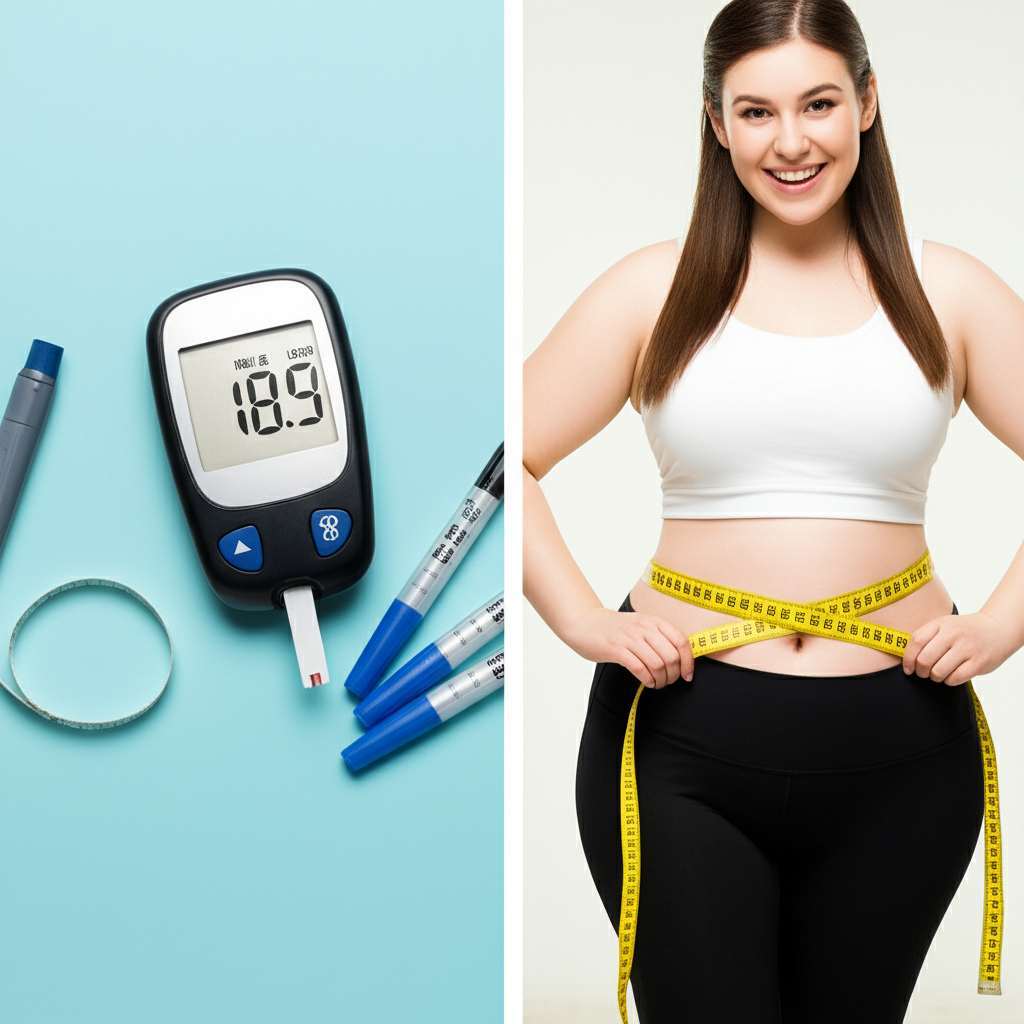
Regularly checking your blood sugar is vital, especially when starting a new diet or exercise plan. This helps you understand how different foods and activities affect you. Always follow your doctor’s recommendations for monitoring.
Consistency Over Intensity
It’s better to do a little bit consistently than to go all-out one day and then quit. Small, regular efforts build momentum.
Track Your Progress (The Fun Way!)
Seeing how far you’ve come is super motivating! You can track workouts, meals, or how you feel. A simple journal or a fitness app works wonders.
| Date | Weight (Optional) | Energy Level (1-5) | Workout Done? | Notes |
|---|---|---|---|---|
| Jan 15 | [Your Weight] | 4 | Yes (Walk) | Felt great after my walk! |
| Jan 16 | [Your Weight] | 3 | Yes (Strength) | A bit tired today, but pushed through. |
| Jan 17 | [Your Weight] | 5 | No (Rest Day) | Good recovery day. |
Common Pitfalls to Avoid
We all stumble sometimes, but knowing what to look out for can help you get back on track faster!
- Skipping Meals: This can mess with blood sugar and lead to overeating later.
- All-or-Nothing Thinking: One “off” meal or missed workout doesn’t ruin everything. Just get back to your plan!
- Ignoring Your Body: Pushing too hard when you’re exhausted or unwell can lead to injury or burnout.
- Comparing Yourself to Others: Your journey is unique! Focus on your own progress.
- Not Enough Protein or Fiber: These help with fullness and blood sugar control.
Frequently Asked Questions
How long does it take to burn fat?
It varies for everyone! You might notice changes in how you feel within a few weeks, but significant fat loss takes consistent effort over months. Focus on building healthy habits, and the results will follow!
What’s the best time to work out?
The best time is whenever you can consistently do it! Some people feel more energetic in the morning, while others prefer evenings. Experiment and see what fits your schedule and energy levels best.
Do I need a gym to lose weight?
Absolutely not! You can achieve amazing results with bodyweight exercises, resistance bands, and outdoor activities like walking or running. Your home or local park can be your gym!
How can I stay motivated every day?
Set small, achievable goals. Celebrate every win, big or small! Find an accountability buddy, remind yourself of your “why,” and try different activities to keep things interesting.
What should I eat before or after exercise?
Before exercise, a small snack with carbs and protein can give you energy (like a banana or a small handful of nuts). After exercise, aim for a meal or snack that includes protein and carbs to help your muscles recover (like Greek yogurt or chicken with veggies).
How much water should I drink daily?
A good general guideline is about 8 glasses (64 ounces) per day. If you exercise or live in a hot climate, you’ll likely need more. Listen to your body’s thirst signals!
How many rest days should I take?
Rest days are super important for muscle repair and preventing burnout. Aim for 1-2 rest days per week, especially when starting out. Active recovery like light stretching or a gentle walk on rest days is also great!
You’re Doing Great!
See? Losing weight with PCOS and Type 1 Diabetes is totally within your reach. It’s about making smart, consistent choices that nourish your body and help you feel fantastic. Remember, every step you take, every healthy meal you choose, and every time you move your body is a victory. Be patient with yourself, celebrate your progress, and keep that amazing energy going!
You’ve got this — one step, one day at a time!
As an Amazon Associate, We earn from qualifying purchases. When you purchase a product through Amazon links on pulsefitguide.com, we may earn a small commission at no extra cost to you. This helps support the site and keep our content free.
