



Yes, you absolutely can help reverse fatty liver with the right diet! Small, smart food changes can lead to big wins for your liver and your overall health. Let’s get you feeling great!
Hey there, fitness friends! Ever feel a little sluggish, like you’re just not running on all cylinders? Maybe you’ve heard about fatty liver and wondered if it’s something you can tackle. Well, you’re in the right place! I’m Jordan, your guide to making fitness fun and simple. Today, we’re diving into a super important topic: how your diet can work wonders for fatty liver. Think of this as your friendly pep talk and a clear roadmap to feeling healthier, from the inside out. We’re going to break it down into easy steps so you can start making changes today. Ready to feel amazing? Let’s do this!
What’s This Fatty Liver Buzz All About?
So, what exactly is fatty liver? It’s when there’s too much fat built up in your liver. Your liver is a powerhouse organ that helps your body digest food, store energy, and remove toxins. When it gets overloaded with fat, it can’t do its job as well. This can lead to feeling tired and can even cause bigger health issues down the road. But here’s the awesome news: your liver is incredibly resilient!
Can Fatty Liver Be Reversed With Diet? You Bet!
The big question: Can fatty liver be reversed with diet? The answer is a resounding YES! This is where you have so much power. By making smart choices about what you eat, you can actually help your liver heal and get back to its best. It’s not about drastic changes overnight; it’s about consistent, healthy habits that make a real difference.
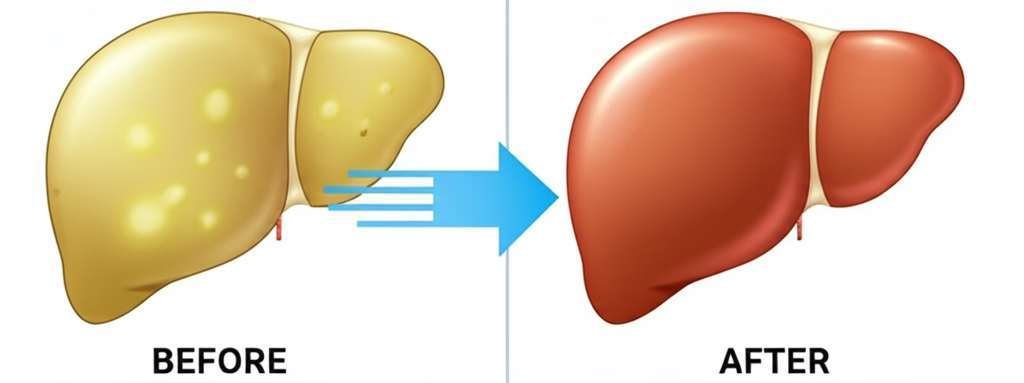
Your Diet Power-Up Plan for a Happy Liver
Let’s get down to the good stuff – what you can eat to give your liver a helping hand. It’s all about focusing on whole, healthy foods that nourish your body.
Foods to Load Up On!
Think of these as your liver’s best friends. They’re packed with goodness and help fight inflammation.
Colorful Fruits and Veggies: Berries, apples, leafy greens like spinach and kale, broccoli, carrots – the more colors, the better! They’re full of antioxidants.
Healthy Fats: Avocados, nuts, seeds, and olive oil are fantastic. They help reduce inflammation.
Lean Proteins: Fish (especially fatty fish like salmon), chicken, turkey, and beans provide essential protein without too much saturated fat.
Whole Grains: Oats, quinoa, brown rice, and whole wheat bread give you energy and fiber.
Legumes: Lentils, chickpeas, and beans are nutritional powerhouses, rich in fiber and protein.
Foods to Chill Out On (or Skip!)
These foods can make it harder for your liver to do its job. Cutting back is key!
Sugary Drinks: Soda, fruit juices with added sugar, and sweetened teas are big culprits.
Fried and Processed Foods: Think fast food, chips, cookies, and pastries. They’re often high in unhealthy fats and sugar.
Refined Carbs: White bread, white rice, and sugary cereals can spike your blood sugar.
Red Meat and Processed Meats: Bacon, sausage, and fatty cuts of red meat can be hard on your liver.
Alcohol: This is a big one. Limiting or avoiding alcohol is crucial for liver health.
Step-by-Step: Making Your Diet Work for You
Ready to put this into action? Here’s how to make it happen, step by step.
Step 1: Start Small with Your Plate
Don’t try to change everything at once! Pick one or two things to focus on this week.
Swap your morning sugary cereal for oatmeal with berries.
Add a side salad to your lunch instead of fries.
Choose water over soda at dinner.
Step 2: Hydration Station!
Drinking enough water is super important for flushing out toxins and keeping your body running smoothly. Aim for at least 8 glasses a day.
Step 3: Get Cooking!
When you cook at home, you control exactly what goes into your food. It’s easier to keep things healthy!
Try simple baked chicken with roasted vegetables.
Whip up a quick lentil soup.
Make a big batch of quinoa to use in meals throughout the week.
Step 4: Read Those Labels!
Get familiar with what’s in your packaged foods. Look out for added sugars and unhealthy fats.
Step 5: Listen to Your Body
Pay attention to how different foods make you feel. Notice your energy levels and digestion.
Simple Meal Ideas to Get You Going
Here are some easy meal ideas that are great for your liver and taste delicious!
Breakfast Boosters
Oatmeal with sliced almonds and a sprinkle of cinnamon.
Scrambled eggs with spinach and a side of whole-wheat toast.
Greek yogurt with mixed berries and chia seeds.
Lunchtime Wins
Large salad with grilled chicken or chickpeas, lots of veggies, and an olive oil vinaigrette.
Lentil soup with a side of whole-grain crackers.
Tuna salad (made with Greek yogurt instead of mayo) on whole-wheat bread with lettuce and tomato.
Dinner Delights
Baked salmon with steamed broccoli and quinoa.
Chicken stir-fry with lots of colorful vegetables and brown rice.
Turkey chili loaded with beans and veggies.
Fat-Burning Workouts to Complement Your Diet
While diet is king for fatty liver, exercise is your royal partner! Moving your body helps burn fat, improve insulin sensitivity, and boost your overall health. It’s a win-win!
Here’s a look at different types of workouts that can help you burn fat:
| Workout Type | What it is | Why it’s great for fat burning | Beginner Tip |
|---|---|---|---|
| Cardio (Aerobic) | Activities that get your heart pumping, like brisk walking, jogging, cycling, swimming. | Burns calories during the workout and improves heart health. | Start with 20-30 minutes of brisk walking 3-4 times a week. |
| HIIT (High-Intensity Interval Training) | Short bursts of intense exercise followed by brief recovery periods. | Burns a lot of calories in a short time and can boost your metabolism even after you finish. | Try 30 seconds of jumping jacks followed by 30 seconds of rest, repeated 5-10 times. |
| Strength Training | Using weights, resistance bands, or your own body weight to build muscle. | Muscle burns more calories at rest than fat, so building muscle increases your metabolism. | Start with bodyweight exercises like squats, lunges, and push-ups (on your knees if needed). |
Your Daily Movement Checklist
Consistency is key! Aim to incorporate movement into your day, even if it’s not a full workout.
Take the stairs instead of the elevator.
Go for a walk during your lunch break.
Do some stretching while watching TV.
Park further away from your destination.
Common Mistakes to Sidestep
It’s easy to stumble sometimes, but knowing what to avoid can help you stay on track.
Going too hard, too fast: Start slow and build up gradually.
Skipping meals: This can backfire and make you overeat later.
Focusing only on exercise: Diet and exercise work best together!
Giving up after one slip-up: Everyone has off days. Just get back on track with your next meal or workout.
Not drinking enough water: Dehydration can slow down your metabolism.
Tracking Your Progress: Small Wins Matter!
Seeing how far you’ve come is super motivating! You don’t need fancy apps; a simple notebook works great.
Here’s a peek at a simple progress tracker:
| Date | What I Ate (Key Meals) | Movement (e.g., Walk, Workout) | How I Felt (Energy/Mood) | Notes |
|---|---|---|---|---|
| Oct 26 | Oatmeal, Salad w/ Chicken, Baked Salmon | 30 min brisk walk | Good energy! | Drank 8 glasses of water. |
| Oct 27 | Scrambled Eggs, Lentil Soup, Turkey Chili | 15 min stretching | A bit tired, but okay. | Need to add more veggies tomorrow. |
| Oct 28 | Yogurt w/ berries, Tuna Salad sandwich, Chicken Stir-fry | 35 min walk | Feeling much better! | Excited about dinner! |
Frequently Asked Questions (FAQs)
Got questions? I’ve got friendly answers!
How long does it take to see results from diet changes for fatty liver?
It varies for everyone, but many people start to feel better within a few weeks! For more significant changes in liver fat, it can take a few months of consistent effort. Keep going!
What’s the best time to work out for fat burning?
Honestly, the best time is whenever you can make it happen! Some find morning workouts boost their energy for the day, while others prefer evenings. Consistency is more important than timing.
Do I need a gym to lose weight and improve my liver health?
Nope! You can achieve amazing results with bodyweight exercises at home, walks outdoors, and smart food choices. A gym can be helpful, but it’s definitely not a requirement.
How can I stay motivated every day?
Set small, achievable goals. Celebrate your wins, no matter how small! Find a workout buddy, try new healthy recipes, and remind yourself why you started. You’re doing great!
What should I eat before or after exercise?
Before: A small, easily digestible snack like a banana or a handful of almonds about an hour before is good. After: Focus on protein and some healthy carbs to help your muscles recover, like Greek yogurt or chicken breast with veggies.
How much water should I drink daily?
A good general goal is about 8 glasses (64 ounces) a day. Listen to your body – if you’re thirsty, drink up! More exercise or hot weather might mean you need even more.
How many rest days should I take?
Rest days are super important for muscle recovery and preventing burnout! For beginners, 1-2 rest days per week is a good start. Your body needs time to repair and get stronger.
Bringing It All Together: Your Journey to a Healthier You!
See? Reversing fatty liver with diet and exercise is totally doable! It’s about making smart, consistent choices that add up. You don’t need to be perfect; you just need to keep moving forward.
Remember, every healthy meal you choose and every bit of movement you do is a step in the right direction. Be patient with yourself, celebrate your progress, and know that you are capable of amazing things.
You’ve got this — one step, one day at a time!
As an Amazon Associate, We earn from qualifying purchases. When you purchase a product through Amazon links on pulsefitguide.com, we may earn a small commission at no extra cost to you. This helps support the site and keep our content free.
