


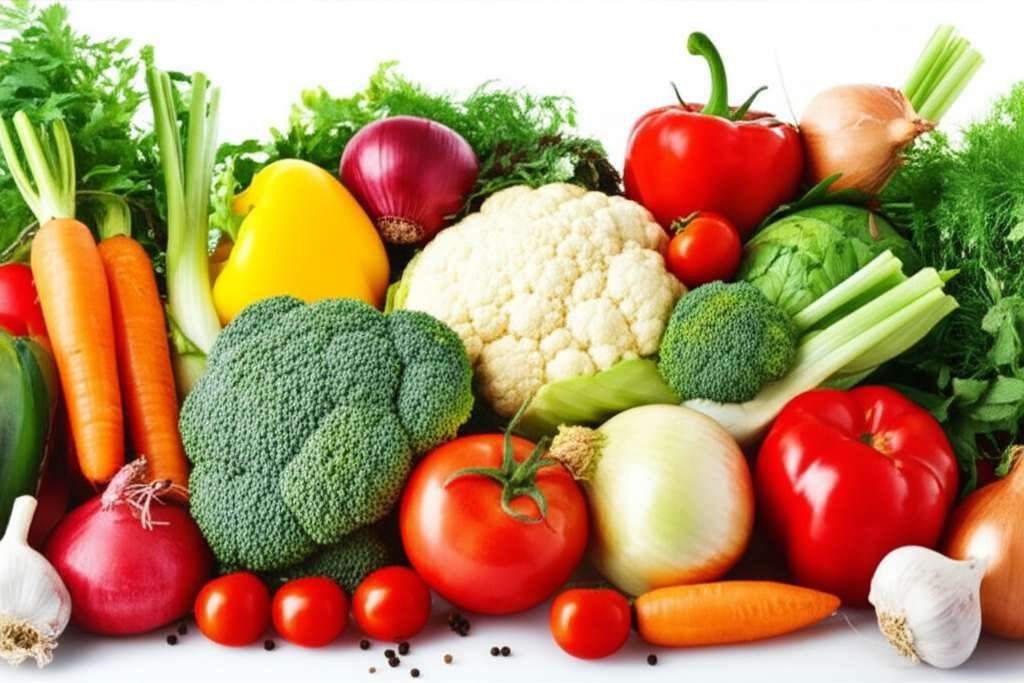
Quick Summary: Eating the right veggies can totally help your liver feel better and boost your energy! Focus on leafy greens, cruciferous veggies, and colorful options. They’re packed with good stuff to help your body heal and you feel amazing. Let’s get those greens in!
Hey Team! Let’s Talk Liver Health
Feeling a bit sluggish lately? Maybe your energy levels are low, or you just don’t feel your best. It’s super common, and guess what? What you eat plays a HUGE role. Today, we’re diving into something that can make a real difference for your liver and your overall well-being.
We’re going to keep it simple and fun. No complicated science here! Just easy-to-follow tips about delicious vegetables that can help your liver. You’ll learn exactly what to add to your plate to feel more energetic and healthy.
Ready to power up your plate and feel fantastic? Let’s get started on this yummy journey!
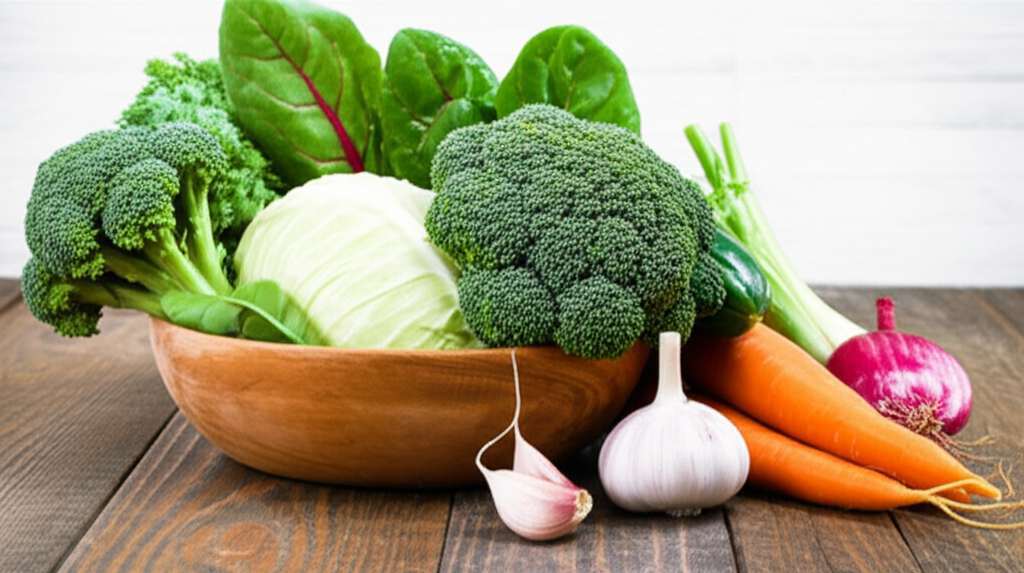
Why Veggies Are Your Liver’s Best Friend
Think of your liver as your body’s amazing cleanup crew. It works hard to filter things out and keep you going. Sometimes, it needs a little extra support, especially if it’s feeling overloaded. That’s where veggies come in!
They are loaded with vitamins, minerals, and fiber. These are like the super tools your liver needs to do its best work. Plus, they help reduce inflammation and give your body the nutrients it craves.
Eating more vegetables is one of the simplest ways to support your liver. It’s like giving it a big, healthy hug from the inside out!
The Superstar Veggies Your Liver Will Love
We’ve got some awesome players on our team today! These veggies are packed with power to help your liver. Let’s meet them!
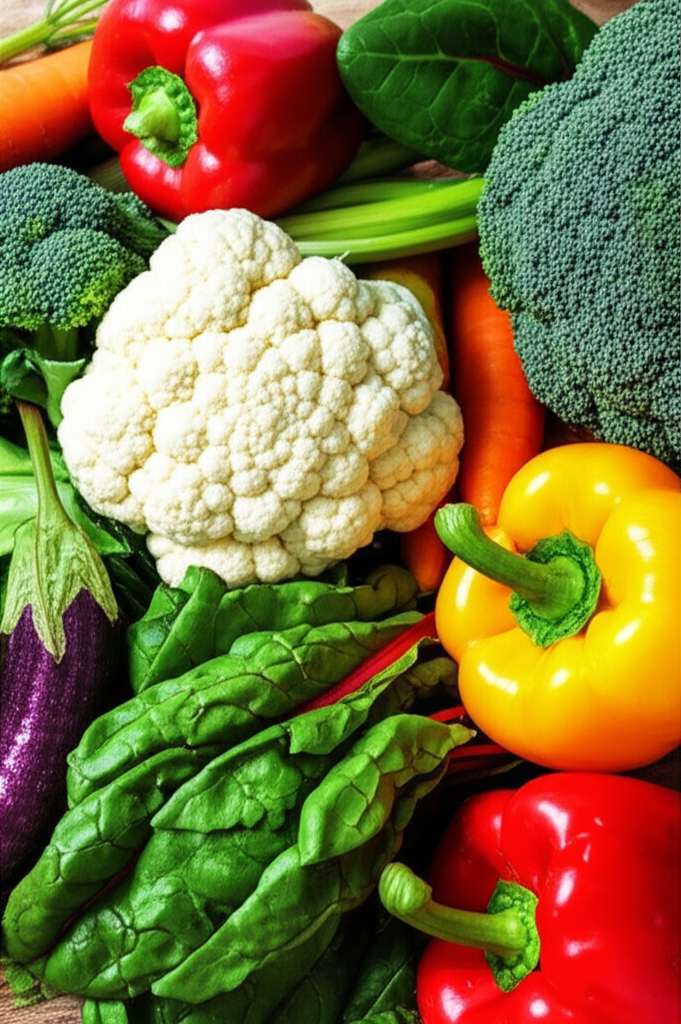
Leafy Greens: The Powerhouses
Leafy greens are like the superheroes of the vegetable world. They are low in calories and bursting with nutrients.
Spinach: This is a winner! Spinach is rich in antioxidants. It helps protect your liver cells from damage. Plus, it’s super versatile – throw it in smoothies or salads!
Kale: Another fantastic choice. Kale is full of vitamins A, C, and K. It also has compounds that can help detoxify your liver.
Arugula: With its peppery kick, arugula is great for salads. It helps boost your liver’s detoxification enzymes.
Swiss Chard: This colorful veggie is packed with vitamins and minerals. It supports overall liver function and health.
Just a few handfuls of these greens each day can make a big impact. Don’t worry if you’re not a salad lover yet. We’ll find ways to make them delicious!
Cruciferous Crew: The Detox Champions
This group of veggies is famous for its detoxifying powers. They help your body process and remove toxins more efficiently.
Broccoli: A crowd favorite! Broccoli contains compounds that help your liver function better. It’s great steamed, roasted, or even raw.
Cauliflower: Similar to broccoli, cauliflower is a cruciferous superstar. It supports your liver’s natural cleansing processes.
Brussels Sprouts: Don’t let their small size fool you! Brussels sprouts are packed with goodness. They aid in liver detoxification. Roasting them makes them wonderfully sweet.
Cabbage: Whether it’s green, red, or savoy, cabbage is a liver-loving veggie. It helps your body get rid of waste products.
These veggies might have a strong smell when cooked, but their benefits are undeniable! Try roasting them to bring out their natural sweetness.
Colorful Wonders: The Antioxidant Boosters
Don’t forget the vibrant colors! Brightly colored vegetables are often packed with antioxidants. These fight off harmful free radicals that can stress your liver.
Carrots: Sweet and crunchy, carrots are full of beta-carotene. Your body turns this into vitamin A, which is great for your liver.
Sweet Potatoes: These are not just delicious; they are also rich in antioxidants and fiber. They support liver health and energy levels.
Bell Peppers: Especially red and yellow ones! They are loaded with vitamin C, a powerful antioxidant.
Beets: Beets have a unique compound that supports liver detoxification. They can also help improve blood flow.
Adding a variety of colors to your meals makes them more appealing and nutrient-dense. Aim for a rainbow on your plate!
Other Liver-Friendly Stars
There are a few more veggies that deserve a shout-out for their liver-supporting qualities.
Asparagus: This spring favorite is a natural diuretic. It helps flush out toxins from your body.
Garlic: Yes, it’s a vegetable! Garlic contains sulfur compounds that help your liver detoxify. It also has allicin and selenium, which are great for liver health.
Onions: Similar to garlic, onions are rich in sulfur compounds. They help your liver cleanse itself.
Artichokes: These unique veggies contain cynarin and silymarin. These compounds are known to protect and regenerate liver cells.
Don’t be shy about adding these to your meals. A little bit goes a long way in supporting your health!
How to Add More Veggies to Your Day (The Easy Way!)
I know what you might be thinking: “This sounds great, but how do I actually eat all these vegetables?” Don’t worry, we’re going to make it super simple. It’s all about small, consistent steps.
Start Your Day Green
Smoothies: Blend a handful of spinach or kale into your morning smoothie. You often can’t even taste it, especially with fruit!
Oatmeal Boost: Stir some finely chopped spinach into your oatmeal as it cooks. It wilts down and adds nutrients without changing the flavor much.
Lunchtime Power-Ups
Salad Game Strong: Build a base of leafy greens. Add chopped carrots, bell peppers, and maybe some beets. Top with lean protein for a complete meal.
Soup Savvy: Add extra chopped carrots, celery, or spinach to canned or homemade soups. It’s an easy way to boost the veggie content.
Dinner Delights
Side Dish Superstar: Make a simple steamed or roasted vegetable the star of your side dish. Broccoli, asparagus, or Brussels sprouts are perfect.
Veggie-Packed Pasta Sauce: Grate zucchini or carrots into your tomato sauce. They blend right in and add extra goodness.
Stir-Fry Fun: Load up your stir-fries with a variety of colorful veggies like bell peppers, broccoli, and onions.
Snack Smart
Crunch Time: Keep baby carrots, celery sticks, or bell pepper strips handy for a crunchy snack. Pair them with hummus for extra flavor and protein.
Edamame: These are fantastic! They are a great source of plant-based protein and fiber.
Making Veggies Taste Amazing: Tips and Tricks
Sometimes, people shy away from vegetables because they think they’re bland. Not true! With a little creativity, veggies can be absolutely delicious.
Roasting is Your Friend
Roasting vegetables like broccoli, cauliflower, Brussels sprouts, and carrots brings out their natural sweetness. Toss them with a little olive oil, salt, pepper, and your favorite herbs. Roast at around 400°F (200°C) until tender and slightly browned.
Seasoning Secrets
Don’t underestimate the power of herbs and spices!
Garlic powder and onion powder add instant flavor.
Herbs like rosemary, thyme, and basil are fantastic.
A squeeze of lemon juice can brighten up any vegetable.
A pinch of red pepper flakes can add a nice kick.
Healthy Dips and Sauces
Pairing veggies with healthy dips can make them more appealing.
Hummus is a great choice, packed with protein and fiber.
Guacamole is full of healthy fats.
A light vinaigrette or a yogurt-based dip can also work well.
Don’t Fear the Garlic and Onions!
These aromatics are flavor builders. Sautéing them before adding other ingredients can transform a simple dish. They also offer fantastic health benefits for your liver.
Sample Meal Ideas for a Happy Liver
Let’s put it all together with some simple meal ideas. These are just suggestions to get you started!
Breakfast
Green Power Smoothie: 1 cup spinach, 1/2 banana, 1/2 cup berries, 1 scoop protein powder, 1 cup unsweetened almond milk.
Veggie Scramble: 2 eggs scrambled with a handful of chopped spinach, mushrooms, and onions. Serve with a side of sliced tomatoes.
Lunch
Big Salad: Mixed greens topped with grilled chicken or chickpeas, shredded carrots, cucumber, bell peppers, and a light lemon-herb vinaigrette.
Lentil Soup with Greens: A hearty lentil soup with added chopped kale or spinach stirred in at the end.
Dinner
Baked Salmon with Roasted Broccoli and Sweet Potato: Season salmon with lemon and herbs. Roast broccoli and sweet potato cubes with olive oil and spices.
Chicken and Veggie Stir-Fry: Chicken breast strips stir-fried with broccoli florets, sliced bell peppers, onions, and snap peas in a light soy-ginger sauce. Serve with brown rice.
Snacks
Apple slices with almond butter.
A handful of almonds and a few carrot sticks.
* Greek yogurt with a sprinkle of berries.
Your Liver-Friendly Veggie Cheat Sheet
Here’s a quick look at some of the top veggies and why they’re great. This can help you make choices at the grocery store!
| Vegetable | Key Benefits for Liver | Easy Ways to Eat Them |
|---|---|---|
| Spinach | Antioxidants, protects liver cells | Smoothies, salads, wilted into soups/stews |
| Broccoli | Detoxification support, liver enzymes | Steamed, roasted, stir-fries |
| Kale | Vitamins A, C, K, detox support | Smoothies, salads, baked chips |
| Carrots | Beta-carotene, antioxidant | Raw snacks, roasted, salads, soups |
| Beets | Liver detoxification, blood flow | Roasted, juiced, added to salads |
| Garlic | Sulfur compounds, detoxification | Seasoning for almost any savory dish |
| Artichokes | Liver cell regeneration, protection | Steamed, roasted, added to dips |
Frequently Asked Questions (FAQs)
Got more questions? No problem! Here are some common ones I get.
How long does it take to see results from eating more vegetables?
It’s different for everyone! You might start feeling more energetic in a few days or weeks. For bigger changes, consistency is key. Keep up the great work, and your body will thank you!
What’s the best time to eat vegetables?
Anytime is a good time! The most important thing is to include them in your meals throughout the day. Aim for them at breakfast, lunch, and dinner.
Do I need a gym to improve my liver health with diet?
Nope! You can make amazing progress with your diet right at home. While exercise is super important for overall health, focusing on nutrient-rich foods like vegetables is a fantastic starting point.
How can I stay motivated to eat veggies every day?
Find recipes you love! Try new cooking methods. Get a friend or family member to join you. Celebrate small wins, like trying a new vegetable or sticking to your plan for a week. You’re doing great just by trying!
What should I eat before or after exercising for liver health?
Focus on balanced meals. Before exercise, a light snack with some carbs and protein is good. After exercise, a meal with protein and veggies helps your body recover. Don’t overthink it; just eat well!
How much water should I drink daily?
Water is essential for flushing out toxins! Aim for at least 8 cups (about 2 liters) of water per day. More if you’re exercising or it’s hot. Listen to your body’s thirst signals.
How many rest days should I take when focusing on diet and exercise?
Rest is crucial for recovery! While diet is key for liver health, if you’re also exercising, listen to your body. Aim for 1-2 rest days per week when you’re starting out. Your muscles and your liver need time to repair and rebuild.
Keep That Positive Energy Flowing!
You’ve got this! Making changes to support your liver health doesn’t have to be complicated or overwhelming. It’s all about making smart, delicious choices, like adding more of these amazing vegetables to your plate.
Remember, progress isn’t about perfection. It’s about taking small, consistent steps. Every healthy meal, every glass of water, and every bit of effort you put in counts. You are building a stronger, healthier you, one bite at a time.
Keep that positive energy going, celebrate your victories, and know that you’re doing an amazing job. You’ve got this — one step, one day at a time!
As an Amazon Associate, We earn from qualifying purchases. When you purchase a product through Amazon links on pulsefitguide.com, we may earn a small commission at no extra cost to you. This helps support the site and keep our content free.
