



Want to burn fat and see amazing results? It’s simpler than you think! Focus on burning more calories than you eat, and you’ll be on your way to a healthier, happier you. Let’s get started!
Hey there, fitness friends! Feeling a little tired or unsure about where to start with your fitness journey? Maybe you’re looking to shed some extra pounds or just feel stronger and more energized. I get it! It can seem like a lot when you’re just beginning. But guess what? It doesn’t have to be complicated. We’re going to break down exactly how your body burns fat and what that means for you. Get ready to feel motivated because we’re making fitness fun and totally doable, right from your own home or your favorite gym. Let’s dive into how you can start seeing those amazing results you’ve been dreaming of!
Your Body’s Amazing Fat-Burning Engine
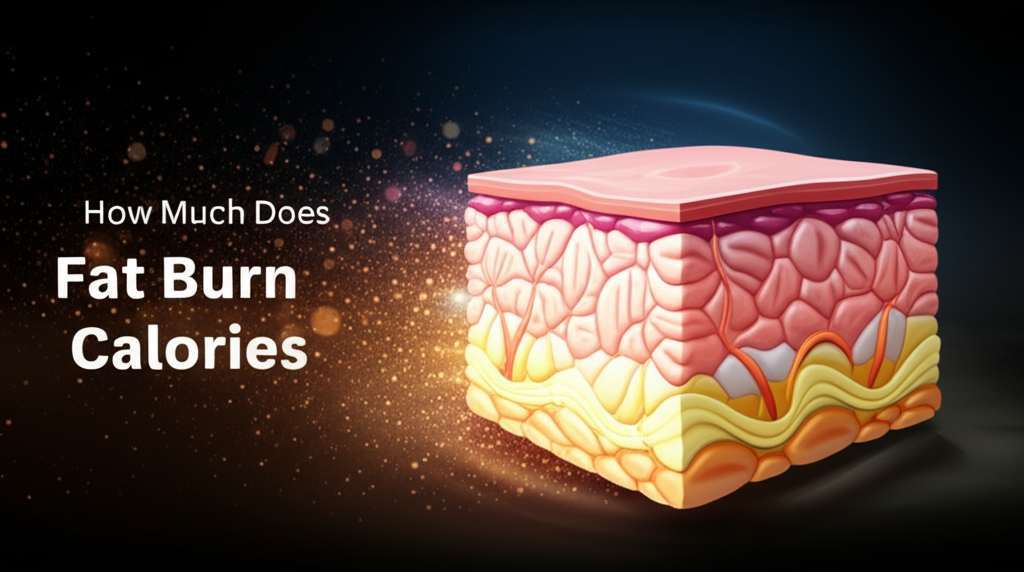
Think of your body like a super-efficient engine. When you move, it burns fuel. That fuel comes from the food you eat, and when you have extra fuel, your body stores it as fat. The goal of burning fat is to tap into those stored reserves. How much fat you burn depends on a few simple things. It’s all about using more energy (calories) than you take in. Sounds easy, right? We’ll show you exactly how to do it.
Understanding Calories: The Simple Scoop
Calories are just units of energy. You get them from food and drinks. Your body uses calories for everything it does – from breathing and thinking to walking and working out. If you eat more calories than your body uses, the extra ones get stored as fat. If you use more calories than you eat, your body starts using that stored fat for energy. That’s how you burn fat!
How Many Calories Does Fat Burn?
This is the million-dollar question, and the answer is pretty cool. It’s not about a specific number of calories per gram of fat burned that you need to memorize. Instead, it’s about creating a calorie deficit. A good rule of thumb is that about 3,500 calories equals one pound of fat. So, if you want to lose one pound of fat, you need to create a deficit of roughly 3,500 calories.
Creating Your Calorie Deficit: The Winning Formula
To create that deficit, you have two main tools:
- Eat Less: Making smarter food choices and eating a bit less.
- Move More: Burning extra calories through exercise and daily activity.
The magic happens when you combine both!
Energize Your Workouts for Maximum Fat Burn
Different types of workouts burn calories differently. Some are quick bursts, others are steady burns. Let’s look at some great options to get you moving and burning!
Cardio Power: Get Your Heart Pumping!
Cardio is fantastic for burning calories while you’re doing it. It also boosts your metabolism, meaning you keep burning calories even after you finish!

- Brisk Walking: A great way to start! Aim for 30 minutes most days.
- Jogging/Running: Burns more calories than walking and builds endurance.
- Cycling: Indoors or outdoors, cycling is a full-body calorie burner.
- Swimming: Easy on your joints and a powerful calorie burner.
- Dancing: Put on your favorite tunes and dance your way to fat loss!
Strength Training: Build Muscle, Burn More Fat
You might think strength training is just for building muscles, but it’s also a fat-burning superstar! Muscle tissue burns more calories at rest than fat tissue. So, the more muscle you have, the more calories you burn throughout the day, even when you’re just chilling on the couch.
- Bodyweight Exercises: Squats, lunges, push-ups, and planks.
- Lifting Weights: Use dumbbells, resistance bands, or gym machines.
- Kettlebell Swings: A dynamic exercise that works many muscles at once.
HIIT It! High-Intensity Interval Training
HIIT involves short bursts of intense exercise followed by brief recovery periods. It’s super effective for burning calories in a short amount of time and gives you that “afterburn” effect, where your body continues to burn calories for hours after your workout.
- Example HIIT Combo: 30 seconds of jumping jacks, 30 seconds of rest. Repeat 10 times.
- Another Combo: 45 seconds of burpees, 15 seconds of rest. Repeat 8 times.
Table: Fat-Burning Workouts at a Glance
Here’s a quick look at how different activities stack up. Remember, these are estimates and can vary based on your intensity and body weight!
| Activity | Calories Burned (per 30 mins, approx.) | Best For |
|---|---|---|
| Brisk Walking | 150-200 | Beginners, low impact, daily activity |
| Jogging | 250-350 | Cardio endurance, steady fat burn |
| Cycling (moderate) | 200-300 | Leg strength, cardio, low impact |
| Strength Training (full body) | 150-250 | Muscle building, metabolism boost |
| HIIT | 300-400+ | Quick, intense calorie burn, afterburn effect |
Calories burned are approximate and can vary greatly based on individual factors like weight, intensity, and metabolism.
Fueling Your Fat Burn: Smart Eating Habits
What you eat is just as important as how much you move. Focusing on nutrient-dense foods helps you feel full, provides energy for workouts, and supports your body’s fat-burning processes.
Simple Meal Ideas for Fat Loss
These are easy to make and packed with goodness!
- Breakfast Power-Up: Oatmeal with berries and a sprinkle of nuts. Or, scrambled eggs with spinach and whole-wheat toast.
- Lunchtime Liftoff: A big salad with grilled chicken or beans, loaded with colorful veggies. Or, lentil soup with a side of whole-grain crackers.
- Dinner Delights: Baked salmon with roasted broccoli and sweet potato. Or, lean turkey chili with a side of quinoa.
- Snack Smart: An apple with a tablespoon of peanut butter. A handful of almonds. Greek yogurt with a few berries.
Foods That Help You Burn Fat
These foods can give your fat-burning efforts a little extra boost!
- Lean Proteins: Chicken breast, fish, beans, lentils, tofu. They keep you full and require more energy to digest.
- Fiber-Rich Foods: Vegetables, fruits, whole grains. They help you feel satisfied and regulate blood sugar.
- Healthy Fats: Avocados, nuts, seeds, olive oil. They are important for hormone production and satiety.
- Spicy Foods: Peppers can slightly boost your metabolism for a short period.
- Green Tea: Contains compounds that may help boost metabolism.
Making Fat Burning a Daily Habit
Consistency is key! Turning these healthy habits into your daily routine makes a huge difference.
Your Daily Fat-Burning Routine
Let’s build a simple day that supports your goals.
- Morning: Start with a glass of water. Do 15-20 minutes of light cardio or stretching. Eat a protein-rich breakfast.
- Midday: Go for a brisk walk during your lunch break. Choose a balanced lunch.
- Afternoon: Have a healthy snack if you’re hungry.
- Evening: Enjoy a lean protein and veggie dinner. Do a 20-30 minute strength training session or another cardio workout.
- Before Bed: Drink some water. Relax and get ready for a good night’s sleep – it’s crucial for recovery and fat loss!
Small Changes, Big Results: Daily Wins
It’s not about doing everything perfectly, but about making progress every day.
- Drink an extra glass of water.
- Take the stairs instead of the elevator.
- Add one more serving of vegetables to your meal.
- Go for a 10-minute walk after dinner.
- Swap sugary drinks for water or herbal tea.
Common Fat-Burning Mistakes to Dodge
We all make mistakes, but knowing them helps us avoid them!
- Not Eating Enough: This can slow down your metabolism and lead to energy crashes.
- Skipping Meals: This can make you overeat later and disrupt your blood sugar.
- Overdoing Exercise: Too much intense exercise without rest can lead to burnout and injury.
- Relying Only on Cardio: Forgetting strength training means missing out on muscle-building benefits.
- Ignoring Sleep: Poor sleep messes with hunger hormones and recovery.
- Not Drinking Enough Water: Water is essential for metabolism and feeling full.
Table: Sample Weekly Workout Plan for Beginners
This is a suggestion to get you started. Feel free to swap days or exercises based on what you enjoy and what works for your schedule!
| Day | Focus | Activity | Duration |
|---|---|---|---|
| Monday | Cardio | Brisk Walking or Cycling | 30 minutes |
| Tuesday | Strength | Bodyweight circuit (squats, lunges, push-ups, plank) | 25 minutes |
| Wednesday | Active Rest | Gentle stretching or light yoga | 20 minutes |
| Thursday | Cardio | Jogging or Dancing | 30 minutes |
| Friday | Strength | Dumbbell exercises (bicep curls, shoulder press, rows) | 25 minutes |
| Saturday | HIIT | Bodyweight HIIT (e.g., jumping jacks, high knees, burpees) | 15-20 minutes |
| Sunday | Rest | Complete rest or a leisurely walk | – |
Your Fat-Burning FAQs, Answered!
Got questions? I’ve got answers! Let’s clear up some common beginner queries.
How long does it take to burn fat?
It varies for everyone! But you can start seeing changes in how you feel within a week or two by creating a consistent calorie deficit. Visible results often take a few weeks to a couple of months, depending on how much you want to lose and how dedicated you are. Remember, it’s a journey, not a race!
What’s the best time to work out?
The best time is whenever you can make it happen consistently! Some people love morning workouts to kickstart their day, while others prefer evenings to de-stress. Listen to your body and find what fits your lifestyle. The most important thing is to do it!
Do I need a gym to lose weight?
Nope! You can absolutely burn fat and get fit without a gym. Bodyweight exercises, walking, running, cycling outdoors, and home workouts with simple equipment like resistance bands can be incredibly effective. Your living room can be your gym!
How can I stay motivated every day?
Find an accountability buddy, set small, achievable goals, track your progress (even non-scale victories!), reward yourself for milestones, and remember why you started. Mix up your workouts to keep things interesting. And always be kind to yourself – some days are tougher than others!
What should I eat before or after exercise?
Before exercise, a small snack with carbs for energy (like a banana or a few crackers) about 30-60 minutes prior is great. After exercise, focus on protein and carbs to help your muscles recover and rebuild – think chicken breast with sweet potato, or Greek yogurt with fruit. Hydration is key before, during, and after!
How much water should I drink daily?
A good starting point is about 8 cups (64 ounces) a day. However, you’ll need more if you’re exercising, it’s hot, or you’re in a dry climate. Listen to your body; thirst is a sign you need to drink up! Water is super important for metabolism and feeling full.
How many rest days should I take?
Rest days are super important for muscle repair and preventing burnout! For beginners, aiming for 1-2 rest days per week is a good idea. You can still do light activities like walking or stretching on those days. Listen to your body – if you feel tired or sore, take an extra rest day!
You’ve Got This!
See? Burning fat and getting results isn’t some mystical secret. It’s about making smart choices with your food and your movement, day after day. Remember those 3,500 calories making up a pound of fat? By creating a consistent calorie deficit through exercise and balanced eating, you are absolutely capable of tapping into your body’s fat stores and transforming your health.
Every step you take, every healthy meal you choose, every workout you complete is a victory. Celebrate those small wins! You’re building a stronger, healthier you, and that’s something to be incredibly proud of. Keep moving, keep fueling your body with good stuff, and keep that positive energy going. You’ve got this — one step, one day at a time!
As an Amazon Associate, We earn from qualifying purchases. When you purchase a product through Amazon links on pulsefitguide.com, we may earn a small commission at no extra cost to you. This helps support the site and keep our content free.
