


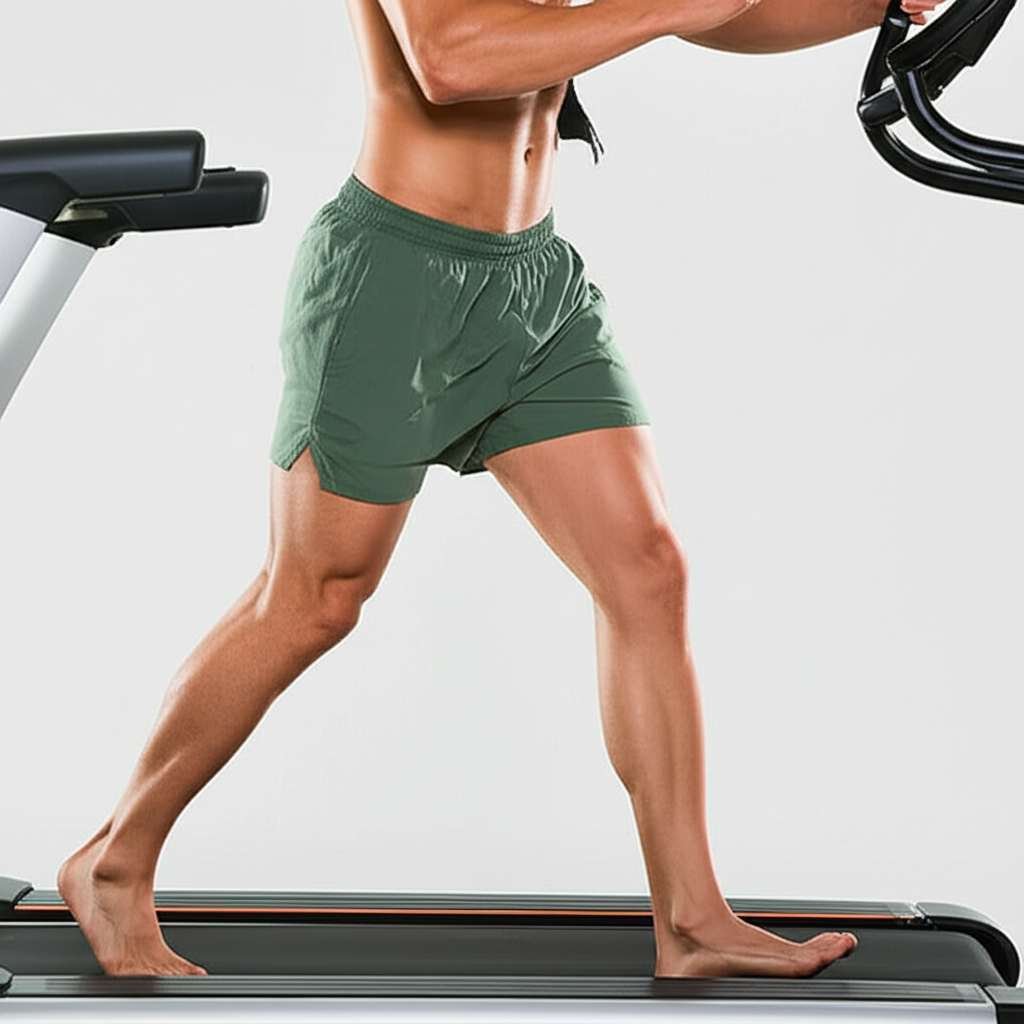
Killer Cardio vs. Strength: Your Ultimate Fat Loss Guide!
Hey fitness friends! Wondering which workout rocks for shedding fat? Both cardio and strength training are awesome! The real secret? Doing a smart mix of both, tailored just for YOU. Let’s find your perfect fat-burning combo and get moving with a smile!
Feeling a little stuck when it comes to losing those extra pounds? You’re not alone! Many of us look at fitness and feel a bit overwhelmed. There are so many different exercises, and it’s tough to know where to start. But guess what? It doesn’t have to be complicated! We’re going to break down how to get that fat burning in a way that’s fun and totally doable.
Think of me as your workout buddy, here to guide you. We’ll keep things super simple and positive. No fancy jargon, just clear steps you can follow today. Ready to feel more energized and see amazing results? Let’s dive in and discover your personal fat-loss superpower!
What’s the Big Deal with Fat Loss?
Okay, so we all want to lose fat, right? But what does that really mean? Fat loss is about reducing your body’s stored fat. This makes you feel lighter, healthier, and more confident. It’s not about starving yourself or doing impossible workouts. It’s about moving your body in smart ways and fueling it right.

When we talk about “effective” for fat loss, we mean methods that help you burn calories and boost your metabolism. This means your body uses more energy, even when you’re resting. We’ll explore two main ways to do this: cardio and strength training. Both have their own superpowers!
Cardio: Your Heart’s Best Friend for Burning Fat
Cardio, also known as aerobic exercise, is all about getting your heart rate up and keeping it there. Think running, swimming, cycling, or even dancing! It’s fantastic for burning calories during your workout. The more intense your cardio, the more calories you’ll torch.
Cardio is amazing for your heart health, too. It strengthens your heart muscle and improves blood circulation. This makes everyday activities feel easier and gives you more energy. Plus, it’s a great stress reliever!
Why Cardio Rocks for Fat Burning
- Burns lots of calories while you’re doing it.
- Boosts your mood and fights stress.
- Improves your heart and lung health.
- Can be done almost anywhere!
Killer Cardio Moves to Try
Let’s get your heart pumping! Here are some fun cardio options:
- Brisk Walking: Easy to start, just pick up the pace! Aim for a pace where you can talk but not sing.
- Jogging/Running: A classic! Start slow and gradually increase your speed and distance.
- Cycling: Indoors or outdoors, cycling is a great low-impact option.
- Swimming: A full-body workout that’s super kind to your joints.
- Dancing: Put on your favorite music and move! Zumba or a dance class can be a blast.
- Jumping Jacks: A quick way to get your heart rate up anywhere.
- High-Knees: Run in place, bringing your knees up high.
How Much Cardio is Enough?
For general health, aiming for 150 minutes of moderate-intensity cardio or 75 minutes of vigorous-intensity cardio per week is a great goal. For fat loss, you might need a bit more, or you can increase the intensity. Listen to your body and start where you feel comfortable!
Strength Training: Building Your Fat-Burning Furnace
Now, let’s talk about strength training. This is where you use weights, resistance bands, or your own body weight to build muscle. Think squats, push-ups, lunges, and lifting dumbbells.
Why is muscle so important for fat loss? Because muscle is metabolically active! This means your muscles burn calories even when you’re not working out. The more muscle you have, the higher your resting metabolism. So, building muscle is like building a fat-burning furnace that works 24/7!
Why Strength Training is a Fat-Loss MVP
- Increases your metabolism for all-day calorie burn.
- Helps you sculpt and tone your body.
- Improves bone health and prevents injuries.
- Makes everyday tasks easier and gives you strength.
Awesome Strength Moves for Beginners
Let’s build some strength! Start with these:
- Bodyweight Squats: Stand with feet shoulder-width apart. Lower your hips as if sitting in a chair, keeping your chest up.
- Push-Ups: Start on your knees if regular push-ups are too tough. Keep your body in a straight line and lower your chest towards the floor.
- Lunges: Step forward with one leg, bending both knees to 90 degrees. Push back to start.
- Plank: Hold your body in a straight line on your forearms and toes. Engage your core!
- Glute Bridges: Lie on your back with knees bent. Lift your hips off the floor, squeezing your glutes.
- Dumbbell Rows: If you have weights, hinge at your hips and pull the weights towards your chest.
How Often Should You Lift?
Aim to do strength training 2–3 times per week, with at least one rest day in between. Focus on working major muscle groups. You can start with bodyweight exercises and gradually add weights as you get stronger.
Cardio vs. Strength: The Ultimate Showdown for Fat Loss
So, what’s the winner? The truth is, it’s not really a competition! Both cardio and strength training are incredibly effective for fat loss, but they work in different ways.
Cardio is king for burning calories during your workout. It’s your immediate calorie-burning powerhouse. Strength training is your long-term fat-burning champion. It builds muscle, which keeps your metabolism high even when you’re not exercising.
The most effective strategy for fat loss is usually a combination of both. This approach gives you the best of both worlds: immediate calorie burn from cardio and a boosted metabolism from strength training.
Workout Types and Their Fat-Burning Power
Let’s break down how different types of workouts stack up for burning fat:
| Workout Type | Primary Fat Burning Mechanism | Best For | Beginner Friendly? |
|---|---|---|---|
| Steady-State Cardio (e.g., Brisk Walking, Jogging) | High calorie burn during the workout. | Improving endurance, burning immediate calories, stress relief. | Yes! Very. |
| High-Intensity Interval Training (HIIT) | Very high calorie burn during and after workout (EPOC – Excess Post-exercise Oxygen Consumption). | Maximizing calorie burn in short time, boosting metabolism. | Moderate. Start slow, listen to your body. |
| Strength Training (e.g., Weightlifting, Bodyweight) | Builds muscle, which increases resting metabolic rate. Burns calories during the workout too. | Increasing metabolism long-term, toning body, building strength. | Yes! With proper form. |
| Circuit Training (Mixing Cardio & Strength) | Combines immediate calorie burn with muscle engagement. | Efficient full-body workout, good calorie burn. | Yes! Can be modified. |
HIIT: The Quick and Powerful Fat Burner
You might have heard of HIIT. This stands for High-Intensity Interval Training. It involves short bursts of very intense exercise followed by brief recovery periods. Think sprinting for 30 seconds, then walking for 30 seconds, and repeating.
HIIT is incredibly effective for fat loss because it burns a lot of calories in a short amount of time. Plus, your body continues to burn calories for hours after the workout is over to recover! This is called the “afterburn effect” or EPOC.
A Simple HIIT Workout to Try
Here’s a quick HIIT routine you can do at home:
- Warm-up: 5 minutes of light jogging in place, arm circles, and leg swings.
-
Round 1:
- Jumping Jacks: 30 seconds
- Rest: 15 seconds
- High Knees: 30 seconds
- Rest: 15 seconds
- Butt Kicks: 30 seconds
- Rest: 15 seconds
- Round 2: Repeat Round 1.
- Round 3: Repeat Round 1.
- Cool-down: 5 minutes of stretching.
Important: HIIT is intense! If you’re new to exercise, start with steady-state cardio and build up your fitness first. Always listen to your body and don’t push too hard too soon.
Putting It All Together: Your Fat-Loss Game Plan
The best way to lose fat is to create a balanced fitness plan. This means including both cardio and strength training. It also means paying attention to what you eat!
Think of your fitness journey like building a house. Cardio is like laying the foundation and building the walls – it gets a lot done quickly. Strength training is like adding the insulation and structural support – it makes everything stronger and more efficient long-term.
Sample Weekly Plan for Beginners
Here’s a sample plan to get you started. Remember, this is just a guide. Adjust it to fit your life!
| Day | Activity | Focus |
|---|---|---|
| Monday | 30-40 min Brisk Walking or Light Jogging | Cardio |
| Tuesday | Full Body Strength Training (Bodyweight or light weights) | Strength |
| Wednesday | Rest or Active Recovery (light stretching, gentle walk) | Recovery |
| Thursday | 30-40 min Cycling or Swimming | Cardio |
| Friday | Full Body Strength Training | Strength |
| Saturday | Fun Activity (dancing, hiking, sports) or Longer Walk | Cardio/Fun |
| Sunday | Rest | Recovery |
Fueling Your Fat Loss
Exercise is only part of the puzzle. What you eat plays a HUGE role in fat loss. Focus on whole, unprocessed foods.
- Lean Proteins: Chicken, fish, beans, lentils, tofu. They help you feel full and build muscle.
- Healthy Fats: Avocado, nuts, seeds, olive oil. Good for your body and help with satiety.
- Complex Carbs: Oats, quinoa, brown rice, sweet potatoes, lots of veggies. Give you energy.
- Fruits: Berries, apples, bananas. Packed with vitamins and fiber.
Try to limit sugary drinks, processed snacks, and excessive fried foods. Small, consistent changes in your diet can make a big difference!
Common Mistakes to Avoid on Your Fat-Loss Journey
It’s easy to stumble when you’re starting out. Here are a few common pitfalls to watch out for:
- Doing Too Much Too Soon: Jumping into intense workouts without building up can lead to injury and burnout. Start slow and gradually increase intensity and duration.
- Ignoring Strength Training: Relying only on cardio means you miss out on the long-term metabolism-boosting benefits of muscle.
- Not Eating Enough: Severe calorie restriction can slow your metabolism and make you feel tired and grumpy. Focus on nutrient-dense foods.
- Skipping Rest Days: Your body needs time to recover and rebuild. Overtraining can be counterproductive.
- Focusing Only on the Scale: Your weight can fluctuate. Pay attention to how your clothes fit, your energy levels, and how strong you feel!
- Comparing Yourself to Others: Everyone’s journey is unique. Celebrate your own progress!
Frequently Asked Questions (FAQs)
How long does it take to burn fat?
Fat loss is a journey! You’ll start to see changes and feel better within a few weeks, but significant results take consistent effort over months. Focus on building healthy habits, and the results will follow.
What’s the best time to work out for fat loss?
The best time is whenever you can consistently do it! Some people find morning workouts help them feel energized all day. Others prefer evening sessions to de-stress. Listen to your body and your schedule.
Do I need a gym to lose weight?
Absolutely not! You can get an amazing workout at home with just your body weight or some simple equipment like resistance bands. Parks and outdoor spaces are also great gyms!
How can I stay motivated every day?
Find activities you enjoy! Set small, achievable goals. Track your progress. Find a workout buddy or join a supportive online community. Remind yourself why you started! Celebrate small wins!
What should I eat before or after exercise?
Before: A small, easily digestible snack like a banana or a handful of almonds about an hour before can give you energy. After: Focus on a meal or snack with protein and carbs within an hour or two to help with recovery, like Greek yogurt with berries or chicken and rice.
How much water should I drink daily?
A good general guideline is about 8 glasses (64 ounces) a day, but you might need more if you exercise intensely or in hot weather. Water is crucial for everything your body does!
How many rest days should I take?
Rest days are super important for muscle repair and preventing burnout. Aim for 1-2 full rest days per week, or incorporate active recovery days with light activities like stretching or walking.
Your Fitness Journey Starts NOW!
So, what’s more effective for fat loss: cardio or strength? The answer is a powerful combination of both, fueled by smart nutrition and consistency! Cardio burns calories now, and strength training builds a metabolism that burns calories later.
Don’t get bogged down by perfection. Focus on progress. Every walk, every squat, every healthy meal is a step in the right direction. You’ve got this – one step, one day at a time!
As an Amazon Associate, We earn from qualifying purchases. When you purchase a product through Amazon links on pulsefitguide.com, we may earn a small commission at no extra cost to you. This helps support the site and keep our content free.
