


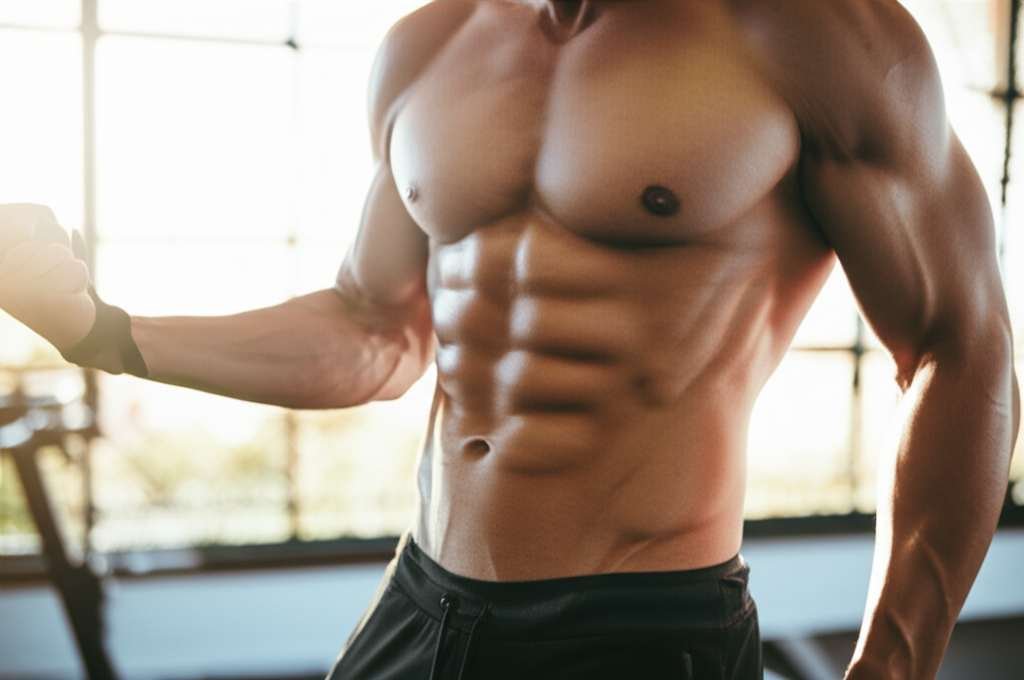
Your muscles are fat-burning machines! The more muscle you build, the more calories your body burns all day, even when you’re resting. It’s your body’s secret weapon for shedding those extra pounds. Let’s unlock its power together!
Hey there, fitness friends! Feeling a little lost on your weight-loss journey? Maybe you’re tired of feeling sluggish, or you’re just not sure where to begin with all those confusing fitness tips out there. I get it! It can feel overwhelming. But guess what? It doesn’t have to be complicated. We’re going to break down one of the coolest secrets to burning fat, and it all starts with your muscles. Ready to discover how your body can become a fat-burning powerhouse, even when you’re just chilling? Let’s dive in and make fitness fun and easy!
Why Muscle is Your Fat-Burning Best Friend
So, you’re wondering, “Why does muscle burn fat?” It’s a super important question, and the answer is actually pretty awesome. Think of your muscles like tiny, super-efficient engines inside your body. These engines need fuel to work, and that fuel comes from the calories you eat.
Your Metabolism: The Body’s Calorie Burner
Your metabolism is basically how your body uses energy to do everything – from breathing and thinking to running and jumping. The more muscle you have, the higher your metabolism is. This means your body burns more calories just to keep those muscles running. It’s like upgrading your car’s engine to get better gas mileage, but in reverse – you’re burning more fuel (calories)!
Muscle vs. Fat: A Burning Battle
Muscle and fat are very different. Fat is stored energy, kind of like a backup battery. Muscle is active tissue that uses energy. Even when you’re not working out, your muscles are busy doing their job. They need calories to maintain themselves, repair themselves, and just exist. This constant need for energy is what helps burn fat.
More Muscle, More Burn, Even at Rest!
Here’s the amazing part: muscle tissue is more metabolically active than fat tissue. This means a pound of muscle burns more calories per day than a pound of fat, even when you’re sleeping! So, the more lean muscle you build, the more calories your body will burn 24/7. It’s like giving your body a metabolism boost that lasts all day long.
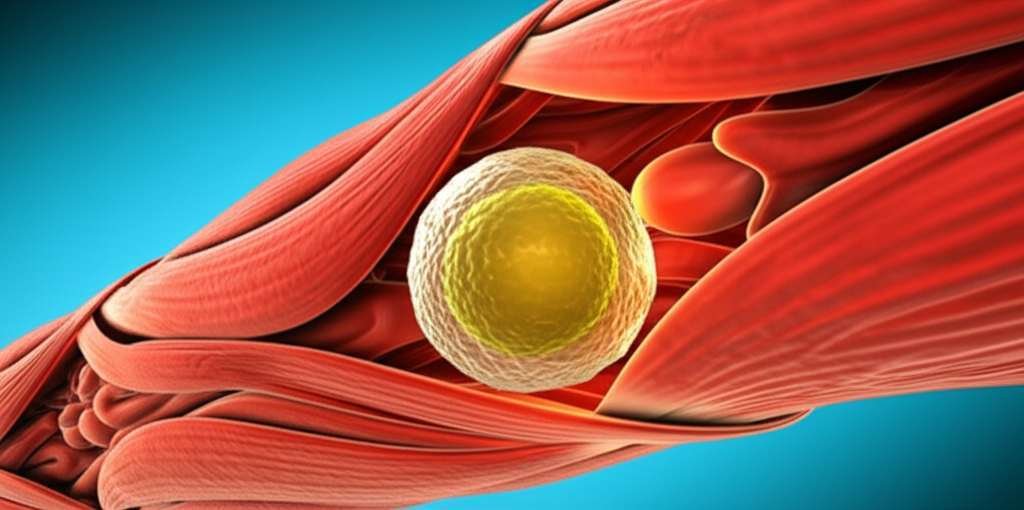
How to Build Muscle for Maximum Fat Burn
Building muscle isn’t just about lifting super heavy weights (though that can help!). It’s about challenging your muscles in ways that make them grow stronger and bigger. This is called muscle hypertrophy.
Strength Training is Key
The best way to build muscle is through strength training. This involves using resistance to make your muscles work harder. This resistance can come from:
- Weight machines at the gym
- Free weights like dumbbells and barbells
- Resistance bands
- Your own body weight (think push-ups, squats, lunges)
When you lift weights or do bodyweight exercises, you create tiny tears in your muscle fibers. Your body then repairs these tears, making the muscles stronger and slightly larger. This process is how you build more muscle mass.
Don’t Forget Protein!
Protein is the building block of muscles. After you work out, your muscles need protein to repair and grow. Make sure you’re eating enough protein throughout the day. Good sources include:
- Chicken and turkey
- Fish
- Lean beef
- Eggs
- Dairy products like Greek yogurt and cottage cheese
- Beans and lentils
- Tofu and tempeh
Aim to include a protein source with most of your meals and snacks.
Rest and Recovery are Crucial
Your muscles don’t grow while you’re working out; they grow when you’re resting and recovering! It’s during this downtime that your body repairs the muscle fibers. Make sure you’re getting enough sleep and giving your muscles time to recover between strength training sessions.
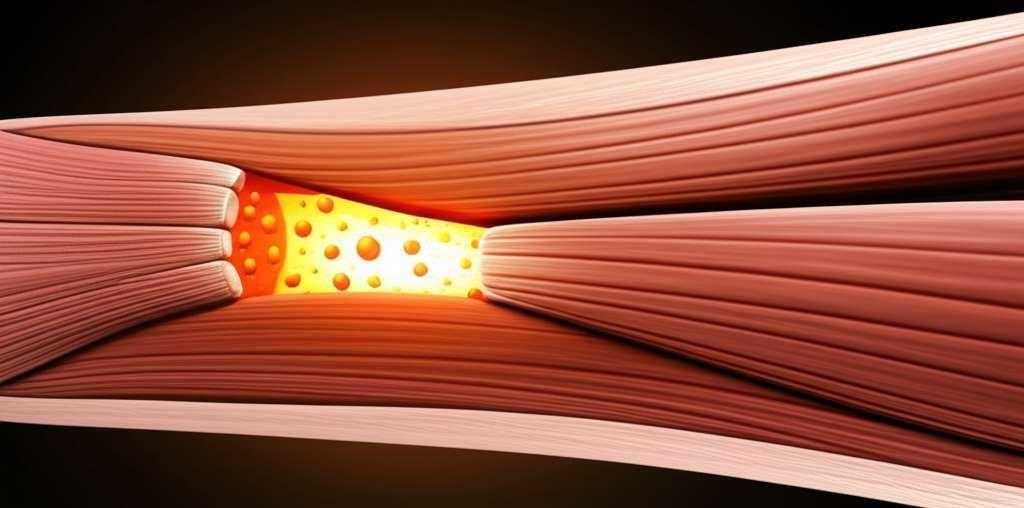
The Power of Compound Exercises
Some exercises are super-efficient because they work multiple muscle groups at once. These are called compound exercises. They help you build more muscle and burn more calories in less time.
Here are some fantastic compound exercises to try:
- Squats: Works your quads, hamstrings, glutes, and core.
- Deadlifts: Engages your back, hamstrings, glutes, and traps.
- Bench Press: Targets your chest, shoulders, and triceps.
- Overhead Press: Works your shoulders, triceps, and upper chest.
- Rows: Great for your back, biceps, and forearms.
- Lunges: Hits your quads, hamstrings, glutes, and improves balance.
These moves are like a full-body workout all rolled into one!
HIIT and Cardio: Still Important Players
While strength training is king for building muscle, don’t forget about cardio! High-Intensity Interval Training (HIIT) and other forms of cardio are still super valuable for burning calories and improving your overall fitness.
HIIT for a Quick Burn
HIIT workouts involve short bursts of intense exercise followed by brief recovery periods. This type of training is fantastic for burning a lot of calories in a short amount of time and can even keep your metabolism elevated for hours after you finish.
Steady-State Cardio
Activities like jogging, cycling, swimming, or brisk walking are great for burning calories and improving heart health. While they might not build as much muscle as strength training, they contribute to your overall calorie deficit, which is essential for fat loss.
Here’s a quick look at how different types of exercise can help:
| Workout Type | Primary Benefit for Fat Loss | How it Helps Build Muscle | Example Activities |
|---|---|---|---|
| Strength Training | Builds muscle, which boosts resting metabolism | Directly stimulates muscle growth | Lifting weights, bodyweight exercises, resistance bands |
| HIIT | Burns high calories in short time, EPOC (afterburn effect) | Can stimulate muscle growth, especially if bodyweight exercises are used | Sprints, burpees, jump squats, jump rope intervals |
| Steady-State Cardio | Burns calories during the activity, improves endurance | Minimal muscle building, can sometimes lead to muscle loss if not balanced with protein and strength | Jogging, cycling, swimming, brisk walking |
Nutrition: Fueling Your Fat-Burning Engine
You can’t out-train a bad diet! What you eat plays a huge role in both building muscle and burning fat.
Balanced Meals are Best
Focus on whole, unprocessed foods. This means plenty of:
- Lean proteins: Chicken, fish, eggs, beans, tofu
- Healthy fats: Avocados, nuts, seeds, olive oil
- Complex carbohydrates: Oats, brown rice, quinoa, sweet potatoes, fruits, vegetables
These foods provide the nutrients your body needs to build muscle and the energy to fuel your workouts.
Watch Your Portions
Even healthy foods have calories. Be mindful of portion sizes. If your goal is to lose fat, you’ll likely need to be in a calorie deficit, meaning you consume fewer calories than you burn.
Hydration is Your Friend
Drinking enough water is crucial for many bodily functions, including metabolism and muscle recovery. Aim for at least 8 glasses of water a day, and more if you’re exercising heavily.
Simple Daily Habits for Fat Loss
Consistency is key! Small, daily habits can add up to big results.
Here are some easy habits to incorporate:
- Move More: Take the stairs, go for a walk during breaks, park further away.
- Plan Your Meals: A little meal prep can save you from unhealthy choices.
- Prioritize Sleep: Aim for 7-9 hours of quality sleep each night.
- Hydrate: Keep a water bottle with you and sip throughout the day.
- Track Your Progress: Seeing how far you’ve come is super motivating!
Common Mistakes to Avoid on Your Journey
It’s easy to make mistakes when you’re starting out. Here are a few common ones to watch out for:
- Focusing only on cardio: You might be burning calories, but you’re missing out on the muscle-building, metabolism-boosting benefits of strength training.
- Not eating enough protein: Your muscles need protein to repair and grow.
- Overtraining: Your body needs rest to recover and build muscle. Pushing too hard can lead to injury and burnout.
- Skipping strength training: This is the most direct way to build the muscle that burns fat.
- Expecting overnight results: Fat loss and muscle gain take time and consistency. Be patient with yourself!
Putting It All Together: A Sample Plan
Here’s a simple example of how you might structure your week to build muscle and burn fat. Remember, this is just a template, and you should adjust it to fit your own schedule and fitness level!
| Day | Focus | Example Activities |
|---|---|---|
| Monday | Lower Body Strength | Squats, Lunges, Glute Bridges, Calf Raises. 3 sets of 10-12 reps. |
| Tuesday | Cardio / Active Recovery | 30-40 minutes of brisk walking, light cycling, or yoga. |
| Wednesday | Upper Body Strength | Push-ups (or knee push-ups), Rows, Overhead Press, Bicep Curls. 3 sets of 10-12 reps. |
| Thursday | HIIT | 20 minutes of High-Intensity Interval Training (e.g., burpees, mountain climbers, jumping jacks). |
| Friday | Full Body Strength | Combine exercises from Monday and Wednesday, focusing on form. Or try a full-body circuit. |
| Saturday | Rest or Light Activity | Gentle walk, stretching, or complete rest. |
| Sunday | Rest | Relax and recharge! Your muscles are recovering. |
This plan gives you a good mix of strength training to build muscle and cardio to burn calories. It also includes essential rest days!
Frequently Asked Questions
Got more questions? I’ve got answers!
Q: How long does it take to burn fat?
A: Great question! Everyone is different, but you can start seeing changes in a few weeks. Consistent effort over months is what leads to lasting fat loss. Focus on making healthy habits your new normal!
Q: What’s the best time to work out?
A: The best time is whenever you can actually do it consistently! Some people love morning workouts to feel energized, while others prefer evenings to de-stress. Find what works for your schedule and energy levels!
Q: Do I need a gym to lose weight?
A: Absolutely not! You can get a fantastic workout at home with just your body weight, resistance bands, or even household items. The most important thing is to move your body and challenge yourself.
Q: How can I stay motivated every day?
A: Motivation can come and go, but discipline is what keeps you going. Set small, achievable goals. Find an accountability buddy. Celebrate your wins, no matter how small! Remember why you started.
Q: What should I eat before or after exercise?
A: Before, a light snack with some carbs and protein about 1-2 hours before can give you energy (like a banana or a small yogurt). After, focus on a meal or snack with protein and carbs within an hour or two to help your muscles recover.
Q: How much water should I drink daily?
A: A good general guideline is about 8 cups (around 2 liters) a day. If you exercise a lot, sweat a lot, or live in a hot climate, you’ll need more. Listen to your body’s thirst cues!
Q: How many rest days should I take?
A: Rest days are super important! Aim for 1-2 dedicated rest days per week. Your muscles need this time to repair and grow stronger. Active recovery like light walking is also great on rest days.
You’ve Got This!
So there you have it! Understanding why muscle burns fat is a game-changer. It’s not just about looking good; it’s about building a stronger, healthier, more efficient body from the inside out. By focusing on building lean muscle through strength training, fueling your body with good nutrition, and staying consistent with your efforts, you’re setting yourself up for amazing success.
Remember, every workout, every healthy meal choice, every time you choose to move is a step forward. Progress isn’t about perfection; it’s about showing up for yourself day after day. You’re building a stronger you, and that’s something to be incredibly proud of. Keep that energy high, stay positive, and embrace the journey! You’ve got this — one step, one day at a time!
As an Amazon Associate, We earn from qualifying purchases. When you purchase a product through Amazon links on pulsefitguide.com, we may earn a small commission at no extra cost to you. This helps support the site and keep our content free.
