


Quick Summary: Fat burn is the process of your body using stored fat for energy. Fat loss is the reduction of total body fat mass. While fat burn is a key component of fat loss, focusing solely on “burning fat” can be misleading. True fat loss requires a consistent calorie deficit achieved through diet and exercise for sustainable results.
Ever felt a little lost when people talk about “burning fat” or “losing fat”? It’s a common confusion, and honestly, the terms can sound pretty similar. This can make starting your health journey feel a bit overwhelming. But don’t worry, understanding the difference is simpler than you think!
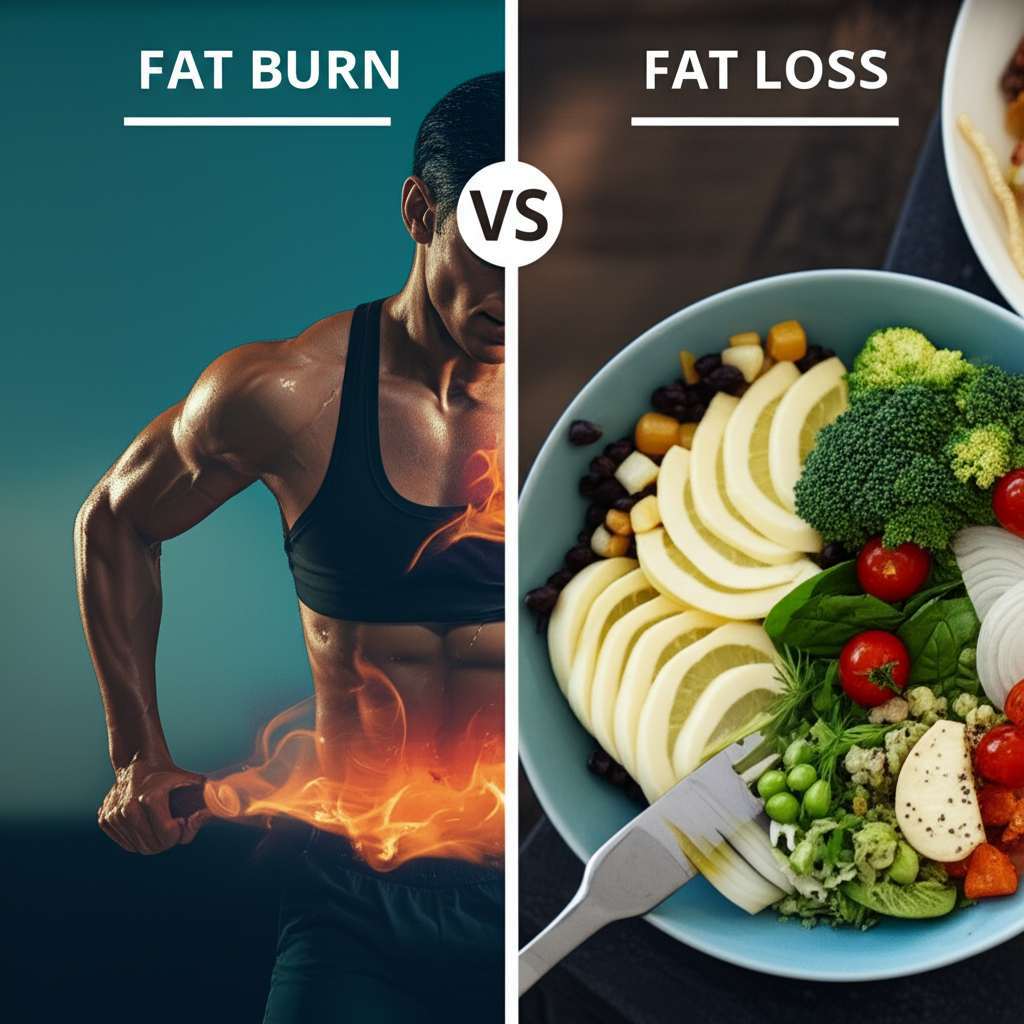
Think of it like this: your body is a super-smart engine. It has different ways of getting the fuel it needs. “Fat burn” is about how efficiently that engine uses its stored fuel. “Fat loss” is about making sure there’s less of that fuel stored overall.
We’re going to break down exactly what these terms mean, why they matter, and how you can achieve real, lasting fat loss. You’ll get practical, easy-to-follow steps that fit into your life, no matter your starting point. Ready to get clear on your goals and feel confident about your progress?
Fat Burn vs. Fat Loss: What’s the Real Difference?
Let’s clear the air right away. While they sound alike, “fat burn” and “fat loss” aren’t the same thing. Understanding this distinction is the first step to making smart choices for your health and fitness goals.
Imagine your body as a house with a pantry full of food. “Fat burn” is like your body reaching into the pantry and using some of that stored food (fat) for immediate energy. “Fat loss” is about emptying the pantry of excess food so there’s less stored overall.
You can “burn” fat for energy during a workout, but if you eat more calories than you burn later, you might not achieve significant “fat loss.” We’re going to explore how these two concepts work together and how to focus on what truly matters for a healthier you.
Understanding “Fat Burn”
“Fat burn” refers to the metabolic process where your body accesses and uses stored adipose tissue (fat) for energy. This happens when your body needs fuel, and it’s particularly active during certain types of exercise and when you’re in a calorie deficit.
When you engage in physical activity, especially moderate-intensity cardio or strength training, your body taps into its fat stores. It breaks down triglycerides (the form of fat stored in your body) into fatty acids and glycerol, which are then used as fuel for your muscles and organs.
It’s important to know that your body uses a mix of fuel sources – carbohydrates, protein, and fat – depending on the intensity and duration of your activity. While “fat burning zones” are often discussed, your body is always burning a combination of fuels, but the proportion of fat used can change.
The Science of Fat Oxidation
The process by which your body burns fat is called oxidation. This is a complex series of chemical reactions that convert fatty acids into energy (ATP). For fat oxidation to occur effectively, your body needs to be in a state where it’s actively seeking energy sources beyond what’s immediately available from recent meals.
Key factors influencing fat oxidation include:
- Energy Balance: When you consume fewer calories than your body expends (a calorie deficit), your body is more likely to tap into stored fat for energy.
- Hormones: Hormones like adrenaline and glucagon play a role in signaling the release of stored fat for use.
- Exercise Intensity and Duration: Lower to moderate intensity exercise, especially for longer durations, tends to rely more on fat as a fuel source compared to very high-intensity bursts which primarily use carbohydrates.
For a deeper dive into how your body uses energy, you can explore resources from reputable health organizations like the National Institute of Diabetes and Digestive and Kidney Diseases (NIDDK), which provides comprehensive information on weight management and metabolism.
Understanding “Fat Loss”
“Fat loss,” on the other hand, is the outcome. It’s the actual reduction in the total amount of fat your body carries. This happens when you consistently expend more calories than you consume over time, forcing your body to use stored fat reserves to meet its energy needs.
Achieving fat loss means a decrease in the size of your fat cells and/or the number of fat cells. This leads to a lower body fat percentage and often a visible change in body composition, such as a slimmer waistline or more defined muscles.
While fat burning is a crucial part of the equation, fat loss is the broader, long-term goal that signifies a healthier body composition. It’s about creating a sustainable energy deficit that leads to a reduction in your overall fat mass.
The Role of Calorie Deficit
The cornerstone of fat loss is a calorie deficit. This means that over a period, you are burning more calories than you are eating. When this happens, your body needs to find energy from somewhere, and it turns to your stored fat.
A healthy and sustainable calorie deficit is typically around 500-750 calories per day, which can lead to a weight loss of about 1-1.5 pounds per week. This rate is generally considered safe and effective by health professionals. Rapid weight loss can sometimes lead to muscle loss and other health issues.
Creating this deficit involves a combination of reducing calorie intake through diet and increasing calorie expenditure through physical activity. It’s not about starving yourself, but about making smarter, more mindful choices.
Why the Distinction Matters for Your Goals
Knowing the difference between fat burn and fat loss helps you set realistic expectations and choose the right strategies. Focusing only on “fat burn” can be a bit like running on a treadmill – you’re burning calories in the moment, but if you don’t manage your overall intake, you won’t see lasting changes in your body composition.
True fat loss is about a sustained decrease in body fat. This impacts your health in many positive ways, from improving cardiovascular health to boosting your confidence. It’s the outcome that reflects a healthier, more balanced body.
Let’s look at why this clarity is so important for beginners. You want to feel like you’re making progress, and understanding the “why” behind the “what” makes all the difference. It empowers you to make informed decisions about your diet and exercise.
Common Misconceptions
Many people believe that certain exercises or foods can magically “target” fat loss in specific areas. For instance, doing endless crunches to lose belly fat. While exercise is vital, spot reduction (losing fat from one specific area) is largely a myth.
Another misconception is that “fat-burning” foods or supplements can do all the work. While some foods might slightly boost metabolism, they are not a substitute for a consistent calorie deficit and a balanced diet. The most effective approach involves a holistic strategy.
We need to focus on the big picture: creating an environment where your body is encouraged to use stored fat for energy consistently, leading to a reduction in overall body fat.
The Power of Sustainable Habits
Fat loss isn’t a quick fix; it’s a journey built on sustainable habits. This means finding a way of eating and moving that you can stick with long-term, not just for a few weeks. This approach ensures that the fat loss you achieve is maintained.
When you build habits around healthy eating, regular physical activity, and adequate sleep, you create a positive feedback loop. Your body becomes more efficient, you feel more energetic, and the process of fat loss becomes more natural and less of a struggle.
Think of it as building a strong foundation for your health. This foundation supports not just weight management but overall well-being for years to come.
How to Achieve Effective Fat Loss (Not Just Fat Burn)
To achieve genuine fat loss, you need to create a consistent calorie deficit. This is best achieved through a combination of smart nutrition and regular physical activity. Let’s break down the practical steps.
Remember, the goal is to lose body fat while preserving muscle mass, which is crucial for metabolism and overall health. This means focusing on nutrient-dense foods and incorporating strength training alongside cardio.
Here’s your step-by-step guide to making fat loss a reality.
Step 1: Calculate Your Calorie Needs
The first step is to figure out how many calories you need to maintain your current weight. This is often called your Total Daily Energy Expenditure (TDEE). You can use online calculators that take into account your age, sex, weight, height, and activity level.
Once you have your TDEE, you can create a calorie deficit. For sustainable fat loss, aim for a deficit of 500-750 calories per day. This means eating 500-750 calories less than your TDEE.
For example, if your TDEE is 2200 calories, aiming for a deficit of 500 calories means consuming around 1700 calories per day. It’s important not to go too low, as this can be detrimental to your health and metabolism.
You can find reliable TDEE calculators on websites like Calculator.net, which offer a straightforward way to get an estimate.
Step 2: Focus on Nutrient-Dense Foods
What you eat is incredibly important. Prioritize whole, unprocessed foods that provide essential nutrients and keep you feeling full and satisfied. These foods are often lower in calories but higher in volume and nutrients.
Include plenty of lean proteins, vegetables, fruits, and healthy fats in your diet. These foods provide the building blocks for muscle, essential vitamins and minerals, and fiber that aids digestion and satiety.
Here’s a breakdown of key food groups to focus on:
- Lean Proteins: Chicken breast, turkey, fish, lean beef, eggs, tofu, beans, lentils. Protein is satiating and helps preserve muscle mass during fat loss.
- Non-Starchy Vegetables: Broccoli, spinach, kale, peppers, zucchini, cauliflower, asparagus. These are low in calories, high in fiber and nutrients.
- Fruits: Berries, apples, oranges, bananas. Offer vitamins, minerals, fiber, and natural sweetness.
- Healthy Fats: Avocados, nuts, seeds, olive oil. Important for hormone production and satiety, but consume in moderation due to calorie density.
- Whole Grains (in moderation): Oats, quinoa, brown rice, whole wheat bread. Provide complex carbohydrates for energy and fiber.
Step 3: Incorporate Regular Physical Activity
Exercise plays a dual role in fat loss: it burns calories, contributing to your deficit, and it helps build or maintain muscle mass, which keeps your metabolism high.
A balanced exercise routine includes both cardiovascular exercise and strength training. Aim for a mix that you enjoy and can stick with.
Cardiovascular Exercise (Cardio)
Cardio is excellent for burning calories and improving heart health. Aim for at least 150 minutes of moderate-intensity cardio or 75 minutes of vigorous-intensity cardio per week.
Examples of cardio include:
- Brisk walking
- Jogging or running
- Cycling
- Swimming
- Dancing
- Hiking
Incorporating activities you genuinely enjoy makes it much easier to stay consistent. Try different things until you find what clicks for you!
Strength Training
Strength training is crucial for building and preserving muscle mass. Muscle tissue is metabolically active, meaning it burns more calories at rest than fat tissue. The more muscle you have, the higher your resting metabolic rate.
Aim for 2-3 strength training sessions per week, targeting all major muscle groups. You can use weights, resistance bands, or even your own body weight.
Examples of strength exercises include:
- Squats
- Lunges
- Push-ups
- Plank
- Dumbbell rows
- Overhead press
If you’re new to strength training, consider working with a trainer or following beginner-friendly programs to learn proper form and avoid injury. The American Council on Exercise (ACE) offers excellent resources for getting started with strength training.
Step 4: Prioritize Sleep and Stress Management
These often-overlooked factors significantly impact fat loss. Poor sleep and high stress levels can disrupt hormones that regulate appetite and fat storage, making it harder to lose weight.
Aim for 7-9 hours of quality sleep per night. Create a relaxing bedtime routine and ensure your bedroom is dark, quiet, and cool.
For stress management, find techniques that work for you, such as meditation, deep breathing exercises, yoga, spending time in nature, or engaging in hobbies.
When your body is well-rested and less stressed, it’s in a much better state to manage energy effectively and support fat loss goals.
Step 5: Track Your Progress (Smartly)
Monitoring your progress helps you stay motivated and make necessary adjustments. However, it’s important to track more than just the number on the scale.
Consider tracking:
- Body Measurements: Waist, hips, arms, and thighs.
- How Your Clothes Fit: This can be a great indicator of fat loss.
- Energy Levels: Are you feeling more energetic throughout the day?
- Workout Performance: Are you getting stronger or improving your endurance?
- Body Fat Percentage: If accessible, this provides a direct measure of fat loss.
The scale can fluctuate daily due to water retention, food intake, and other factors. Relying solely on it can be discouraging. Focus on the trends over weeks and months.
Fat Burn vs. Fat Loss: A Comparison Table
To summarize the key differences and help you visualize the concepts, here’s a table comparing fat burn and fat loss:
| Feature | Fat Burn | Fat Loss |
|---|---|---|
| Definition | The process of using stored fat for immediate energy. | The reduction in total body fat mass over time. |
| Mechanism | Mobilization and oxidation of fatty acids. | Consistent calorie deficit leading to the use of stored fat. |
| Focus | Metabolic process during activity or specific states. | Overall body composition change and health improvement. |
| Outcome | Temporary energy source utilization. | Sustainable decrease in body fat percentage. |
| Achieved By | Exercise, fasting, certain metabolic states. | Dietary changes (calorie deficit) + Exercise + Lifestyle habits. |
| Timeframe | Can occur in short bursts. | Requires consistent effort over weeks and months. |
Common Questions About Fat Burn and Fat Loss
Here are some frequently asked questions to further clarify the concepts and address common concerns for beginners:
Q1: Can I “target” fat loss from specific areas, like my belly?
A1: Unfortunately, spot reduction is largely a myth. While you can strengthen abdominal muscles through exercises like crunches, you can’t choose where your body loses fat first. Fat loss occurs systemically, meaning your body decides where to draw fat from based on genetics and other factors. Focus on overall fat loss, and you’ll eventually see changes in all areas.
Q2: Do I need to do long cardio sessions to burn fat?
A2: Not necessarily! While cardio is great for burning calories, your body uses a mix of fuel sources. Strength training is also very effective for fat loss because it builds muscle, which boosts your metabolism. A combination of moderate cardio and regular strength training is often the most effective approach for sustainable fat loss.
Q3: What’s the best time of day to exercise for fat loss?
A3: The “best” time is the time you’ll actually do it consistently! Some studies suggest exercising in a fasted state (like in the morning before breakfast) might encourage more fat utilization, but the overall calorie deficit created throughout the day is far more important. Choose a time that fits your schedule and energy levels.
Q4: Are “fat-burning” supplements effective?
A4: Most “fat-burning” supplements have limited scientific evidence to support their claims. While some ingredients might slightly increase metabolism, they are not a magic bullet. The most effective and safest way to achieve fat loss is through a consistent calorie deficit achieved with a balanced diet and regular exercise.
Q5: How much weight loss per week is considered healthy?
A5: Health professionals generally recommend a sustainable weight loss rate of 1-2 pounds per week. This is typically achieved by creating a daily calorie deficit of 500-1000 calories. Losing weight too quickly can lead to muscle loss, nutrient deficiencies, and is often harder to maintain long-term.
Q6: Should I cut out all carbs to lose fat?
A6: No, you don’t need to eliminate carbs entirely. Carbohydrates are your body’s primary source of energy. The key is to choose complex, whole-grain carbohydrates (like oats, quinoa, and vegetables) over refined ones (like white bread and sugary snacks) and to manage your portion sizes. They play a vital role in fueling your workouts and providing fiber.
Q7: How long does it take to see results from fat loss efforts?
A7: This varies greatly depending on your starting point, consistency, and the size of your calorie deficit. However, most people begin to notice positive changes in how their clothes fit and their energy levels within 2-4 weeks. Significant body composition changes might take a few months of consistent effort.
Conclusion
Understanding the difference between “fat burn” and “fat loss” is a game-changer for anyone starting their health and fitness journey. While fat burn is the process of using fat for energy, fat loss is the desired outcome – a reduction in your overall body fat. Focusing on sustainable fat loss through a balanced approach is key to achieving lasting results and improving your health.
Remember, this journey is about building healthy habits that fit into your life. By calculating your calorie needs, prioritizing nutrient-dense foods, incorporating both cardio and strength training, managing stress, and getting enough sleep, you’re setting yourself up for success. Don’t get discouraged by the scale alone; celebrate the non-scale victories that show you’re getting healthier and stronger.
You’ve got this! Take it one step at a time, be patient with yourself, and enjoy the process of becoming a healthier, more confident you. Keep learning, keep moving, and keep fueling your body with goodness, and you’ll be well on your way to achieving your fat loss goals.
As an Amazon Associate, We earn from qualifying purchases. When you purchase a product through Amazon links on pulsefitguide.com, we may earn a small commission at no extra cost to you. This helps support the site and keep our content free.
