


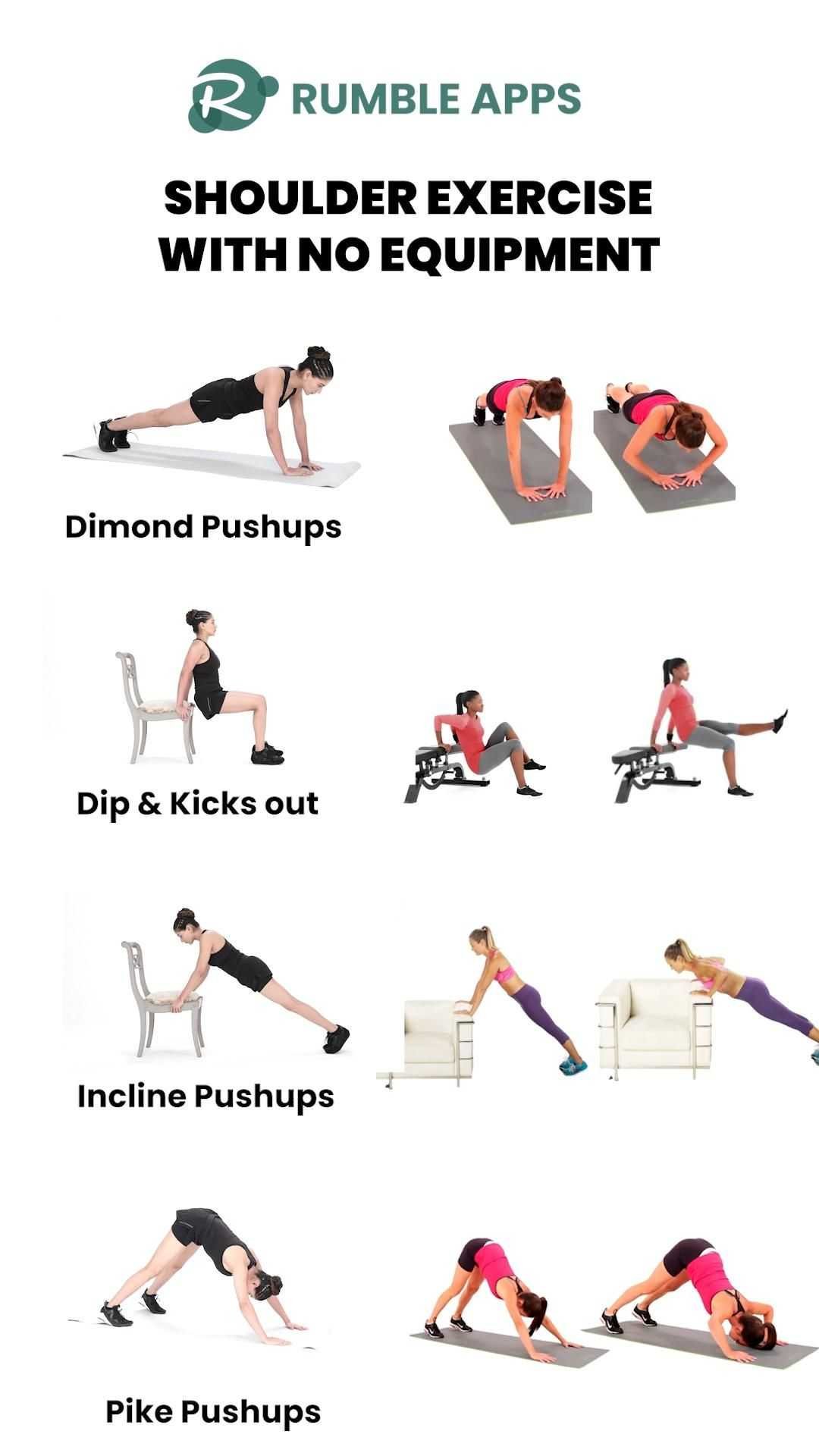
Looking to sculpt your shoulders without stepping into a gym or needing any equipment? The best no equipment workout for shoulders involves simple yet effective movements that target all three heads of the deltoids, helping you build strength and definition anywhere, anytime. You don’t need weights or machines—just your body and a little determination. Here’s a quick solution: incorporate exercises like pike push-ups, shoulder taps, and arm circles into your routine for maximum results. These moves are perfect for fitting into a busy schedule and can be done at home, in a park, or even during a break at work. With consistency, you’ll notice improved shoulder stability, strength, and a more sculpted look without any fancy gear.
To strengthen your shoulders without equipment, focus on bodyweight exercises that challenge stability and push your muscles to work hard. Movements like pike push-ups, plank to shoulder taps, and dynamic arm circles effectively engage all shoulder muscles. These exercises are easy to perform, versatile, and perfect for creating a balanced, toned look without needing prolonged gym sessions. Whether you’re a beginner or looking to maintain your fitness on the go, this no equipment shoulder workout is your answer to staying fit and strong anywhere.

Best No Equipment Workout for Shoulders
Introduction to Shoulder Workouts Without Equipment
Working out your shoulders without equipment is easy, effective, and perfect for those who want to exercise at home or on the go. You don’t need weights or machines to build strength and improve shoulder mobility. These exercises focus on body weight, leveraging gravity and movement to target shoulder muscles. Incorporating these routines into your weekly exercise plan can help you develop stronger, more flexible shoulders over time.
Understanding Shoulder Anatomy and Target Muscles
Knowing which muscles you target helps in designing effective workouts. The main shoulder muscles are the anterior deltoid, lateral deltoid, and posterior deltoid. These muscles work together to allow a wide range of arm movements. Additionally, the rotator cuff muscles provide stability and support for shoulder joints. Focusing on all these muscles ensures balanced development and reduces injury risk.
Core Principles of No Equipment Shoulder Workouts
Bodyweight exercises for shoulders should follow a few key principles. First, proper form is essential to prevent injuries and maximize effectiveness. Second, controlling the movement speed helps engage muscles better and improves strength. Finally, integrating different angles and exercise variations prevents workout plateaus and ensures comprehensive shoulder development.
Warm-Up Exercises for Shoulder Preparation
A good warm-up prepares your muscles and joints for exercise and reduces injury risk. Quick dynamic moves like arm circles, shoulder rolls, and arm swings increase blood flow. Spending about five minutes on warm-up exercises can improve performance and make your workout more effective.
Best No Equipment Shoulder Exercises
To target all shoulder muscles, include a variety of movements. The following exercises are great options:
1. Arm Circles
Stand with arms extended to the sides. Rotate arms in small circles forward, gradually increasing size. Repeat for 30 seconds, then reverse direction. This move warms shoulder joints and activates deltoids.
2. Shoulder Taps
Start in a high plank position. Tap your right shoulder with your left hand, then switch sides. Keep hips stable and core engaged. Aim for 3 sets of 15 taps per side to strengthen shoulders and core.
3. Pike Push-Ups
Begin in a downward dog position with hips high. Bend elbows to lower your head toward the ground, then push back up. This exercise targets the front and side deltoids while also working the triceps and upper chest.
4. Wall Angels
Stand with your back flat against a wall, arms raised to make a goalpost shape. Slowly raise and lower arms, keeping contact with the wall. This move improves shoulder mobility and strengthens the stabilizers.
5. Reverse Plank
Sit with legs extended and hands behind hips. Lift hips off the ground, forming a straight line from head to heels. Hold for 20–30 seconds, engaging shoulder and back muscles to support your body.
Progressing Your Workout for Better Results
As your shoulder strength improves, increase intensity by adding more repetitions or longer holds. You can also combine exercises into circuits for a more challenging workout. For example, alternate between shoulder taps and pike push-ups with minimal rest. Regular progression helps in gaining strength and endurance.
Additional Tips for Effective Shoulder Training
Ensure you breathe steadily during exercises and avoid holding your breath. Focus on slow, controlled movements to maximize muscle engagement. Rest days are vital for muscle recovery, so schedule at least one or two days off between workout sessions. Incorporate stretching post-workout to maintain flexibility and prevent stiffness.
Designing a No Equipment Shoulder Workout Routine
Create a balanced routine by selecting exercises from the list above. For example, perform three sets of each move with 30 seconds rest in between. Aim for a workout duration of about 20–30 minutes, two to three times per week. Consistency is key to seeing improvements in shoulder strength and mobility.
Benefits of No Equipment Shoulder Workouts
Bodyweight exercises are convenient and cost-effective, requiring no special equipment. They promote functional movement, enhance joint stability, and improve posture. Additionally, these workouts can be easily modified to suit different fitness levels, making them accessible to everyone.
Additional Exercises and Variations
For added variety, include movements like plank shoulder taps, Y raises (lying face down and lifting arms in a Y shape), and dynamic stretches. These variations target different muscles and keep your workouts engaging. Experimenting with different angles and motions can help break through plateaus.
Safety Tips and Common Mistakes to Avoid
Always warm up properly before starting. Focus on proper form rather than speed or quantity. Avoid shrugging shoulders or overextending neck muscles during exercises. If you experience pain, stop immediately and reassess your form or consult a professional.
Incorporating Shoulder Workouts into Your Weekly Routine
Balance your shoulder exercises with other workouts targeting different muscle groups. Include rest days to allow for recovery. A typical weekly plan might involve two dedicated shoulder sessions, complemented with cardio and core workouts for overall fitness.
Related Topics for Broader Shoulder Fitness
To maximize shoulder health and strength, consider integrating upper back, chest, and arm exercises. Activities like swimming, yoga, or Pilates can support shoulder mobility and stability. Proper nutrition and hydration also play a role in muscle recovery and performance.
Building strong, flexible shoulders without equipment is achievable with consistent effort and the right exercises. Incorporate a variety of movements to target all muscles around the shoulder joint. Remember to warm up, focus on form, and progress gradually for the best results. With dedication, you can enjoy healthier shoulders and better overall upper body strength.
Shoulder Workout Without Equipment ❌
Frequently Asked Questions
What are effective bodyweight exercises to strengthen shoulder muscles?
Push-up variations, such as pike push-ups and handstand push-ups against a wall, target shoulder muscles effectively. Incorporating plank to downward dog transitions also engages the shoulders. These exercises rely solely on your body weight and help in building shoulder strength and stability without equipment.
How can I improve shoulder mobility with no-equipment routines?
Incorporate dynamic arm circles, shoulder rolls, and arm cross stretches into your routine. These movements loosen tight muscles and enhance flexibility. Performing these regularly can lead to better shoulder mobility, reduce stiffness, and prevent injuries during other activities.
What are some tips for maximizing shoulder engagement during no equipment workouts?
Focus on maintaining proper form and controlled movements to ensure targeted engagement of shoulder muscles. Engage your core to stabilize your body and avoid compensating with other muscle groups. Additionally, slow down the pace to increase the intensity and effectiveness of each movement.
Are there specific exercises to prevent shoulder injuries while working out without equipment?
Yes, include exercises like scapular push-ups and shoulder blade squeezes to strengthen the stabilizing muscles around your shoulders. These movements help improve posture, enhance joint stability, and lower the risk of strains or injuries during more intense activities.
How often should I perform no-equipment shoulder workouts for optimal results?
Perform shoulder exercises two to three times each week, allowing at least one rest day between sessions. Consistency, combined with proper technique and gradual progression, helps in developing strength and maintaining shoulder health over time.
Final Thoughts
A well-rounded no equipment workout for shoulders can boost strength and endurance. Focus on bodyweight exercises like push-ups, pike push-ups, and arm circles to target different shoulder muscles. Incorporate these movements regularly to see improvements without needing any gear. Consistency is key to building shoulder stability and mobility. The best no equipment workout for shoulders offers an effective way to stay active anywhere, anytime, making it perfect for busy schedules.
As an Amazon Associate, We earn from qualifying purchases. When you purchase a product through Amazon links on pulsefitguide.com, we may earn a small commission at no extra cost to you. This helps support the site and keep our content free.
