



Burning fat can indirectly lead to more gas, but it’s not the fat itself. It’s often a side effect of changes in your diet and digestion as your body shifts to using fat for energy. We’ll break down why this happens and how to manage it.
Ever notice a little extra… gas… when you start that new diet or fitness plan? You’re not alone! It’s a common, and sometimes embarrassing, question many people have when they begin their weight loss journey.
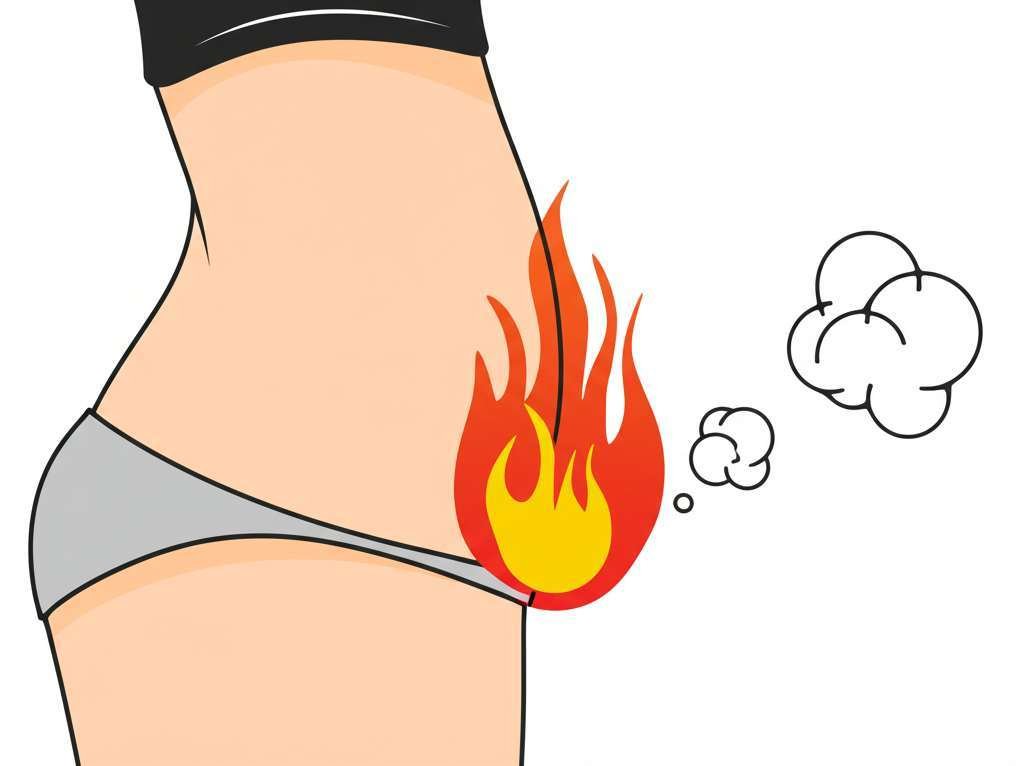
It can feel confusing when you’re trying to do something good for your body, only to experience a less-than-pleasant side effect. But don’t worry, it’s usually a normal part of the process.
Let’s dive into what’s really happening in your body and how you can feel more comfortable as you get healthier. We’ll break it down step-by-step, making it super easy to understand.
The “Shocking Truth”: It’s Not Fat, It’s Your Gut!
So, does burning fat actually cause farting? The short answer is: not directly. When your body burns fat for energy, it’s a process called ketosis (if you’re on a very low-carb diet) or simply using stored energy. This metabolic shift itself doesn’t magically produce more gas.
The real culprits are usually the changes you make to achieve fat burning: your diet and how your digestive system responds. Think of it like this: when you change the fuel going into your car, you might notice some differences in how it runs, right? Your body is similar!
Understanding these changes can help you manage any… unwanted emissions… that might pop up. We’ll explore the main reasons why you might experience more gas during weight loss.
Why Your Diet Changes Might Be Causing More Gas
When you’re aiming to burn fat, you’re often making significant changes to what you eat. These dietary shifts are the primary reason for any increase in flatulence. Let’s look at the common dietary changes and how they affect your digestion.
1. Increased Fiber Intake
Many weight loss plans encourage eating more fruits, vegetables, and whole grains. These foods are packed with fiber, which is fantastic for your health! Fiber helps you feel full, aids digestion, and keeps your blood sugar stable.
However, your gut bacteria love to munch on fiber. As they break down these complex carbohydrates, they produce gases like hydrogen, methane, and carbon dioxide as a byproduct. If you suddenly ramp up your fiber intake, your gut bacteria might go into overdrive, leading to more gas.
What to do: Gradually increase your fiber intake over a few weeks. This gives your digestive system time to adjust. Drinking plenty of water also helps fiber move smoothly through your system, reducing gas.
2. Swapping Carbs for Protein and Fat
Some popular diets, like keto or low-carb plans, reduce carbohydrate intake and increase protein and fat. While this can be effective for fat burning, it can also change how your digestive system works.
When you eat less carbs, your body starts using fat for fuel. Your gut microbiome (the trillions of bacteria in your gut) also shifts. Some people experience digestive changes, including gas, as their gut adapts to processing more fats and proteins and fewer carbohydrates.
Additionally, some protein sources, like beans and lentils, are also high in fiber and can contribute to gas. Dairy products, if you’re consuming more of them, can also be a source of gas for those who are lactose intolerant or sensitive.
What to do: If you’re increasing protein, make sure you’re choosing a variety of sources. If you suspect dairy is an issue, try lactose-free options or plant-based alternatives. For fiber-rich protein sources like beans, rinsing them well before cooking can help reduce gas-producing compounds.
3. Artificial Sweeteners and Sugar Alcohols
Many people trying to cut calories or carbs turn to diet drinks, sugar-free snacks, or artificial sweeteners. Some of these, particularly sugar alcohols like sorbitol, xylitol, and mannitol, are not fully absorbed by your body.
When these pass into your large intestine, gut bacteria ferment them, producing gas. They can also draw water into your intestines, which can lead to bloating and diarrhea in some individuals. Always check the ingredient list on your food and drinks.
What to do: Limit your intake of products containing sugar alcohols. If you use artificial sweeteners, try to moderate your consumption and see if it makes a difference.
4. Eating Faster or Larger Meals
When you’re focused on weight loss, you might find yourself eating more quickly to feel full sooner, or you might be eating larger volumes of nutrient-dense food. Both can lead to swallowing more air.
Swallowing air, a process called aerophagia, is a common cause of gas and bloating. This extra air needs to escape somewhere, and often it does so through… well, you know.
What to do: Slow down when you eat. Chew your food thoroughly. This not only aids digestion but also helps you recognize when you’re full, preventing overeating and reducing swallowed air.
How Your Body’s Shift to Fat Burning Might Contribute
Beyond diet, the actual metabolic shift your body undergoes to burn fat can play a subtle role. It’s less about the fat itself and more about the overall process of your body adapting to new energy sources.
1. Gut Microbiome Adaptation
Your gut is home to trillions of bacteria, fungi, and other microbes, collectively known as the gut microbiome. These microbes play a huge role in digestion, nutrient absorption, and even your immune system. When you change your diet significantly for weight loss, you’re also changing the food available for these microbes.
The gut microbiome can adapt to different diets. If your diet shifts to include more fats and proteins and fewer processed carbohydrates, the types of bacteria in your gut will change. This transition period can sometimes lead to temporary increases in gas as the new microbial community establishes itself and processes the new food sources.
A healthy gut is crucial for overall well-being, and research into the gut microbiome is a rapidly growing field. The National Institute of Diabetes and Digestive and Kidney Diseases (NIDDK) provides excellent resources on the importance of gut health and digestion.
What to do: Be patient. Allow your gut time to adjust. Incorporating probiotic-rich foods like yogurt (if you tolerate dairy) or kefir can help support a healthy gut microbiome during these transitions.
2. Increased Metabolism and Energy Production
When your body effectively burns fat, it’s producing more energy. This process involves breaking down fatty acids, which is a complex biochemical process. While not a direct cause of gas, a more active metabolism means more internal activity.
Sometimes, increased metabolic activity can lead to subtle changes in digestive processes. For instance, if your body is efficiently breaking down food and using energy, this can influence the rate at which food moves through your digestive tract. Changes in transit time can affect how much gas is produced or how it’s expelled.
What to do: Focus on a balanced approach to weight loss that includes lean protein, healthy fats, and complex carbohydrates alongside plenty of vegetables. This supports a healthy metabolism without overwhelming your system.
Managing Gas and Bloating During Weight Loss
Experiencing more gas can be uncomfortable, but there are practical ways to manage it so it doesn’t derail your progress or your confidence. The key is to address the root causes.
Practical Tips for a More Comfortable Journey:
- Hydrate Wisely: Drink plenty of water throughout the day. This helps your digestive system function smoothly and can reduce constipation, which often contributes to gas.
- Chew Thoroughly: Take your time eating and chew each bite well. This breaks down food more effectively and reduces the amount of air you swallow.
- Listen to Your Body: Pay attention to which foods seem to cause more gas. Keeping a food diary can be incredibly helpful in identifying trigger foods.
- Gradual Changes: If you’re increasing fiber or making big dietary shifts, do it slowly. This gives your gut time to adapt.
- Consider Probiotics: Fermented foods or probiotic supplements can help balance your gut bacteria, potentially reducing gas. Consult with a healthcare professional before starting supplements.
- Gentle Movement: Light exercise, like walking, can stimulate your digestive system and help move gas through your body.
- Avoid Gas-Producing Habits: Try to limit chewing gum, drinking through straws, and consuming carbonated beverages, as these can increase swallowed air.
Understanding the Science: Digestion and Gas Production
Let’s get a little more technical, but keep it simple! Gas in your digestive system comes from two main sources: swallowed air and the fermentation of undigested food in your intestines by bacteria.
Swallowed Air (Aerophagia)
When you eat or drink, you naturally swallow small amounts of air. This is normal. However, certain habits increase the amount of air you swallow:
- Eating or drinking quickly.
- Chewing gum.
- Sucking on hard candies.
- Drinking carbonated beverages.
- Smoking.
- Ill-fitting dentures.
This swallowed air is mostly nitrogen and oxygen. It usually makes its way out through burping. If it travels further down, it can contribute to flatulence.
Bacterial Fermentation in the Gut
This is where most of the gas comes from. Your large intestine contains a vast community of bacteria that help break down food that your body couldn’t digest on its own. This is especially true for complex carbohydrates like fiber.
When bacteria ferment these undigested carbohydrates, they produce various gases, including hydrogen, carbon dioxide, and methane. The specific gases produced depend on the types of bacteria present and the types of food they are fermenting.
Some foods are notorious for causing gas due to their carbohydrate composition:
| Food Category | Examples | Why They Can Cause Gas |
|---|---|---|
| Legumes | Beans, lentils, peas | Contain complex sugars (oligosaccharides) that are hard to digest and ferment in the gut. |
| Certain Vegetables | Broccoli, cauliflower, Brussels sprouts, cabbage, onions | High in fiber and sulfur compounds, which produce gas during fermentation. |
| Whole Grains | Oats, wheat, barley | Contain fiber and complex carbohydrates that gut bacteria ferment. |
| Dairy Products | Milk, cheese, ice cream | Contain lactose; people with lactose intolerance lack the enzyme to break it down, leading to fermentation and gas. |
| Fruits | Apples, pears, peaches | Contain natural sugars and fiber that can be fermented. |
When you’re burning fat, you might be eating more of the fiber-rich vegetables and whole grains, or perhaps experimenting with plant-based proteins like beans. This increased intake of fermentable carbohydrates is a primary reason for increased gas production.
When to Seek Professional Advice
While occasional gas and bloating are normal during dietary changes, persistent or severe symptoms could indicate something else. It’s always a good idea to consult with a healthcare professional if you experience:
- Severe or persistent abdominal pain.
- Unexplained weight loss (beyond your intended goal).
- Changes in bowel habits, such as chronic constipation or diarrhea.
- Blood in your stool.
- Nausea or vomiting.
- Significant bloating that doesn’t improve.
A doctor or a registered dietitian can help rule out any underlying medical conditions, such as Irritable Bowel Syndrome (IBS), celiac disease, or food intolerances, and provide personalized advice for managing your digestive health.
Frequently Asked Questions (FAQ)
Q1: If I’m burning fat, will I definitely fart more?
Not necessarily! While many people experience an increase in gas when changing their diet for fat loss, it’s not a guarantee. It depends heavily on your individual digestive system and the specific dietary changes you make. Some people adjust very well.
Q2: Is farting a sign that my fat-burning diet is working?
Farting itself isn’t a direct indicator that fat burning is happening. It’s more a sign that your digestive system is reacting to changes in your diet, such as increased fiber or different macronutrient ratios. Fat burning is primarily determined by your calorie deficit and metabolic rate.
Q3: Can eating more protein cause more gas?
Yes, it can! While protein is essential for weight loss and muscle maintenance, some protein-rich foods, like beans and lentils, are also high in fiber. Additionally, if you’re not used to digesting larger amounts of protein, your gut may take time to adjust, potentially leading to more gas.
Q4: What are the best foods to eat if I want to reduce gas while losing weight?
Focus on easily digestible foods and introduce fiber gradually. Good options include lean meats, fish, eggs, cooked vegetables (like spinach, zucchini, and carrots), and small portions of fruits like bananas and melons. Fermented foods like plain yogurt (if tolerated) can also help. Cooked grains like white rice or oats might be better tolerated than whole grains initially.
Q5: Are there any supplements that can help with gas during weight loss?
Some people find relief with digestive enzymes or probiotics. Digestive enzymes can help break down food components that might otherwise cause gas. Probiotics can help balance gut bacteria. However, it’s best to talk to a doctor or dietitian before starting any new supplements to ensure they are appropriate for you and won’t interfere with your health goals.
Q6: How long does it usually take for gas issues to improve?
For most people, digestive adjustments related to diet changes take anywhere from a few days to a few weeks. If you introduce dietary changes gradually and stay hydrated, your body often adapts relatively quickly. If gas persists for months or is accompanied by other concerning symptoms, it’s worth discussing with a healthcare provider.
Q7: Does burning fat itself produce a smell?
No, the process of burning fat for energy does not produce a smell. The gases produced by your digestive system have their own characteristics, and while some gases (like those containing sulfur) can have an odor, this is related to the fermentation of food by gut bacteria, not the fat being burned.
Conclusion: Embrace the Journey, Manage the Gas
So, to wrap it all up: while burning fat isn’t the direct cause of increased farting, the dietary and digestive changes that come along with a fat-loss journey often are. It’s a normal part of your body adapting to new fuel sources and a healthier way of eating.
Remember, the goal is sustainable weight loss and a healthier you. Don’t let a little extra gas discourage you! By understanding what’s happening in your gut and implementing some simple strategies—like gradually increasing fiber, slowing down your meals, staying hydrated, and listening to your body—you can significantly reduce discomfort.
Think of it as a temporary phase as your body gets stronger and healthier. Celebrate the small victories, stay consistent with your healthy habits, and know that you’re on the right track. You’ve got this!
As an Amazon Associate, We earn from qualifying purchases. When you purchase a product through Amazon links on pulsefitguide.com, we may earn a small commission at no extra cost to you. This helps support the site and keep our content free.
