


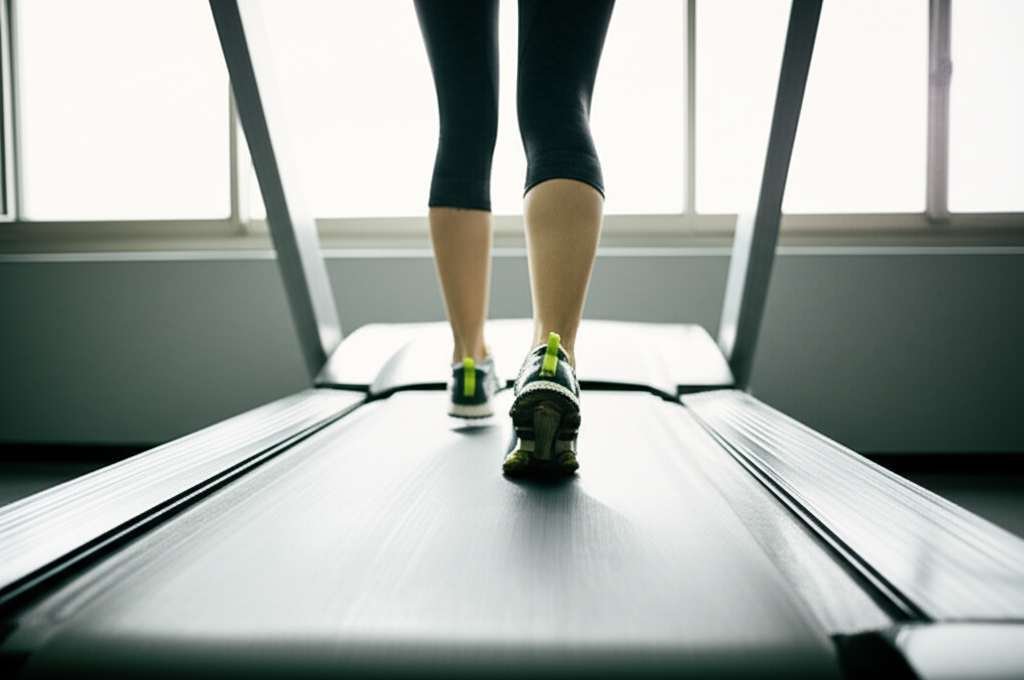
Quick Summary: To achieve the best fat burning on a treadmill, focus on varying intensity through interval training, increasing incline, and maintaining a consistent pace during steady-state cardio. Combining these with proper nutrition is key for effective and sustainable results.
Feeling a bit stuck with your treadmill workouts? You’re not alone! Many people find that while they’re putting in the effort, the fat burning results they’re hoping for aren’t quite showing up. It can be confusing when you’re trying to lose weight and aren’t sure if you’re using your treadmill effectively.
But here’s the good news: making your treadmill sessions more effective for burning fat is totally achievable. It doesn’t require complicated routines or super intense workouts from day one. We’ll break down exactly how to maximize your fat burn, step-by-step.
Get ready to discover simple, science-backed strategies that will make your treadmill time work harder for you. Let’s dive into how you can burn more fat, boost your fitness, and feel great!
Best Fat Burning For Treadmill: Burn More!
Using a treadmill is a fantastic way to get your cardio in, especially when the weather outside isn’t cooperating or you prefer the controlled environment of a gym or home. But how do you ensure your treadmill workouts are actually targeting fat loss effectively? It’s not just about how long you’re on the machine, but how you’re using it. Let’s explore the best fat-burning strategies you can implement right away.
Understanding How Treadmills Burn Fat
Before we jump into specific techniques, it’s helpful to understand the basics of fat burning. When you exercise, your body uses energy. This energy comes from both carbohydrates (sugars) and fats. The longer and more intensely you work out, the more calories you burn, and a greater proportion of those calories can come from fat stores.
The key to maximizing fat burning on a treadmill is to push your body to burn more calories than it consumes, while also signaling your body to tap into fat reserves for fuel. This involves a combination of intensity, duration, and consistency. Think of it like this: you want to create a calorie deficit, and your treadmill workout is a powerful tool to help you achieve that.
To effectively burn fat, we aim to increase your overall calorie expenditure and improve your body’s ability to use fat as an energy source. This isn’t about starving yourself or doing endless hours of the same routine; it’s about working smarter, not just harder.
The Power of Interval Training for Fat Loss
One of the most effective methods for boosting fat burning on a treadmill is High-Intensity Interval Training, or HIIT. This involves alternating between short bursts of very intense exercise and brief recovery periods.
Why is HIIT so good for fat burning? When you push yourself to your maximum during the high-intensity intervals, your body uses a lot of energy. After the workout, your body continues to burn calories at an elevated rate to recover – a phenomenon known as the EPOC effect (Excess Post-exercise Oxygen Consumption). This means you’re burning more calories even after you’ve stepped off the treadmill!
HIIT can also improve your cardiovascular fitness faster than steady-state cardio, making your workouts more efficient over time. It’s a dynamic way to challenge your body and signal it to burn fat more effectively.
How to Implement Treadmill HIIT
Getting started with treadmill HIIT is simpler than you might think. You don’t need to be a seasoned athlete. The key is to gradually increase the intensity and duration of your intervals as you get fitter.
Here’s a beginner-friendly approach:
- Warm-up: Start with 5 minutes of brisk walking at a comfortable pace.
- Work Interval: Increase the speed to a fast jog or run (where you can only speak a few words at a time) for 30 seconds.
- Recovery Interval: Slow down to a brisk walk or very light jog for 60-90 seconds, allowing your heart rate to come down slightly.
- Repeat: Continue alternating between these work and recovery intervals for 15-20 minutes.
- Cool-down: Finish with 5 minutes of easy walking.
As you get more comfortable, you can gradually increase the duration of your work intervals, decrease the duration of your recovery intervals, or add more intervals to your session. Always listen to your body and adjust as needed. If 30 seconds of high intensity feels too much, start with 20 seconds and build up.
Leveraging Incline for Enhanced Fat Burn
Don’t underestimate the power of the incline setting on your treadmill! Simply increasing the incline can significantly boost the calorie burn and engage different muscle groups, leading to better fat loss results.
When you increase the incline, you’re essentially simulating walking or running uphill. This requires more effort from your muscles, particularly your glutes, hamstrings, and calves, and it also elevates your heart rate more than walking on a flat surface at the same speed. This means more calories burned in the same amount of time.
Think of it as adding resistance. Just like lifting heavier weights requires more energy, walking or running uphill demands more from your body. It’s a straightforward way to make your existing treadmill routine more challenging and effective for fat burning.
Incorporating Incline into Your Workouts
There are several ways to use incline to your advantage. You can incorporate it into your steady-state workouts or use it during interval training for an extra challenge.
Here are a few ideas:
- Steady Incline Walk: Set your treadmill to a moderate pace (e.g., 3.0-3.5 mph) and set the incline to 3-5%. Maintain this for 20-30 minutes. This is great for building endurance and burning calories without high impact.
- Incline Intervals: During your steady-state walk or jog, increase the incline to 5-8% for 1-2 minutes, then return to a flat surface for 1-2 minutes. Repeat this cycle.
- Hill Climbs: Gradually increase the incline throughout your workout. Start at 0%, increase to 2% for 3 minutes, then 4% for 3 minutes, and so on, before decreasing it back down. This mimics real-life hill training.
Remember to start with a manageable incline and gradually increase it. If you feel any knee pain, reduce the incline. A good rule of thumb is to keep your posture upright and engage your core. For more information on the benefits of incline training, you can explore resources from institutions like the American Council on Exercise (ACE).
Steady-State Cardio for Fat Burning
While HIIT and incline training are fantastic for boosting fat burn, don’t discount the value of traditional steady-state cardio. This is where you maintain a consistent pace and intensity for a longer duration.
Steady-state cardio, often referred to as Zone 2 training, is particularly effective at burning fat during the workout itself. At lower to moderate intensities, your body is more efficient at using fat as its primary fuel source. This is why longer, moderate-intensity sessions can be very beneficial for targeting fat stores.
Think of it as building your aerobic base. This type of training improves your endurance and your body’s ability to utilize fat. It’s also less demanding on your body than HIIT, making it a great option for recovery days or for individuals who are just starting their fitness journey.
When and How to Use Steady-State Cardio
Steady-state cardio is excellent for longer workout sessions and for building a solid foundation of fitness. It’s also a good choice when you’re feeling fatigued or need a lower-impact workout.
Here’s how to make it count for fat burning:
- Duration: Aim for sessions lasting 30-60 minutes.
- Intensity: You should be able to hold a conversation, but feel like you’re working. This is typically in the moderate intensity zone, where your heart rate is around 60-70% of your maximum heart rate.
- Pace: Find a pace (walking, jogging, or running) that you can comfortably maintain for the entire duration without getting overly breathless.
This type of training is also excellent for improving your overall health and can help reduce stress. It’s a sustainable approach that complements higher-intensity methods.
Combining Strategies for Optimal Fat Burning
The absolute best approach for fat burning on a treadmill often involves a smart combination of different training methods. Relying on just one type of workout can lead to plateaus and boredom. By mixing things up, you keep your body challenged and engaged.
Consider structuring your week to include variety. For example, you might do two HIIT sessions, one longer steady-state cardio session, and one workout that focuses on incline. This approach targets fat burning from multiple angles: immediate calorie expenditure during workouts, increased calorie burn post-workout (EPOC from HIIT), and enhanced fat utilization during longer, moderate sessions.
It’s also important to remember that consistency is key. No matter which methods you choose, doing them regularly will yield the best results. Your body adapts, so changing your routine every few weeks can help you continue to see progress.
Sample Weekly Treadmill Plan for Fat Burning
Here’s a sample plan to give you an idea of how to combine these strategies. Remember to adjust this based on your current fitness level and how your body feels.
| Day | Workout Type | Duration | Intensity Focus | Notes |
|---|---|---|---|---|
| Monday | HIIT | 20-25 minutes | High intensity bursts (30-45 sec) with recovery (60-90 sec) | Focus on speed or incline during work intervals. |
| Tuesday | Steady-State Cardio | 30-45 minutes | Moderate intensity (can hold conversation) | Comfortable pace, focus on maintaining consistency. |
| Wednesday | Incline Focus | 25-30 minutes | Moderate pace with significant incline (e.g., 5-10%) | Engage glutes and hamstrings. |
| Thursday | Active Recovery or Rest | – | – | Light walk, stretching, or complete rest. |
| Friday | HIIT with Incline | 20-25 minutes | Alternate between high speed on flat and challenging incline | Example: 1 min fast run, 1 min steep incline walk, repeat. |
| Saturday | Longer Steady-State Cardio | 40-60 minutes | Lower to moderate intensity | Build endurance, enjoy the movement. |
| Sunday | Rest | – | – | Allow your body to recover and rebuild. |
This structured approach ensures you’re hitting different energy systems and muscle groups, which is crucial for comprehensive fat burning. For more on exercise programming, the National Institutes of Health (NIH) offers great general advice on healthy living.
The Role of Nutrition in Treadmill Fat Burning
It’s impossible to talk about fat burning without mentioning nutrition. Exercise is a vital component, but what you eat plays an equally, if not more, significant role in achieving your fat loss goals.
Even the most effective treadmill workout won’t lead to fat loss if you’re consuming more calories than you’re burning. To effectively burn fat, you need to create a calorie deficit. This means your body needs to tap into its stored fat reserves for energy.
Focus on a balanced diet rich in whole foods. This includes lean proteins, plenty of vegetables and fruits, healthy fats, and complex carbohydrates. These foods provide the energy you need for your workouts and help keep you feeling full and satisfied, making it easier to manage your calorie intake.
Practical Nutrition Tips for Fat Loss
- Prioritize Protein: Protein helps you feel full, preserves muscle mass during weight loss, and has a higher thermic effect (meaning your body burns more calories digesting it). Include sources like chicken breast, fish, beans, lentils, and tofu.
- Load Up on Fiber: Fiber-rich foods like vegetables, fruits, and whole grains help with satiety and digestive health.
- Healthy Fats are Your Friend: Include sources like avocados, nuts, seeds, and olive oil in moderation. They are essential for hormone production and can help you feel satisfied.
- Control Portion Sizes: Even healthy foods have calories. Be mindful of how much you’re eating. Using smaller plates can sometimes help.
- Stay Hydrated: Drinking plenty of water is crucial. It supports metabolism, helps you feel full, and is essential for overall bodily functions.
- Limit Processed Foods and Sugary Drinks: These are often high in calories and low in nutrients, making them counterproductive for fat loss.
Combining a consistent, varied treadmill routine with a nutrient-dense diet is the most effective and sustainable way to achieve your fat-burning goals. Think of exercise as the accelerator and nutrition as the fuel – you need both to go where you want to go!
Listen to Your Body and Stay Motivated
As you implement these strategies, it’s crucial to listen to your body. Pushing yourself is important for progress, but so is rest and recovery. Overtraining can lead to burnout, injury, and hinder your fat loss efforts. Pay attention to signs of fatigue, muscle soreness, and overall energy levels.
Finding ways to stay motivated is also key. This could involve:
- Tracking Your Progress: Seeing how far you’ve come can be incredibly motivating.
- Setting Realistic Goals: Small, achievable goals lead to bigger successes.
- Finding a Workout Buddy: Accountability can make a big difference.
- Varying Your Workouts: As we’ve discussed, variety keeps things interesting!
- Rewarding Yourself (Non-Food Related): Celebrate milestones with new workout gear or a relaxing activity.
Remember, weight loss is a journey, not a race. Celebrate the small victories and be patient with yourself. Your commitment to a healthier lifestyle will pay off.
Frequently Asked Questions (FAQs)
Q1: How often should I use the treadmill for fat burning?
A1: Aim for 3-5 treadmill sessions per week, varying the intensity and duration. Consistency is more important than doing an intense workout every single day. Listen to your body and include rest days.
Q2: What is the best speed for fat burning on a treadmill?
A2: There isn’t one “best” speed for everyone. The most effective speed is one that challenges you. For steady-state cardio, it’s a pace where you can talk but not sing. For HIIT, it’s a near-maximal effort where talking is difficult.
Q3: Can I burn fat by just walking on the treadmill?
A3: Yes, you can! Walking, especially with increased incline or for longer durations, can effectively burn fat. It’s a lower-impact option that’s great for beginners or those recovering from injury. For enhanced fat burning, consider increasing the incline or speed when possible.
Q4: How long do I need to be on the treadmill to burn fat?
A4: For steady-state cardio, aim for at least 30 minutes. For HIIT, shorter sessions of 15-25 minutes can be very effective due to the post-workout calorie burn (EPOC). The key is consistent effort and creating a calorie deficit over time.
Q5: Is it better to run or walk on the treadmill for fat loss?
A5: Both can be effective. Running burns more calories per minute than walking, so it can lead to faster fat loss if you can sustain it. However, walking, especially with incline, is a great option for burning fat with less impact. The best choice depends on your fitness level and preferences.
Q6: Do I need to change my treadmill routine often?
A6: Yes, it’s beneficial to change your routine every 4-6 weeks. This prevents your body from adapting too much, which can lead to weight loss plateaus. Varying intensity, duration, incline, and exercise type keeps your body challenged and promotes continued progress.
Conclusion
Transforming your treadmill workouts into powerful fat-burning sessions is entirely within your reach. By understanding the principles of calorie expenditure and incorporating strategies like High-Intensity Interval Training (HIIT), leveraging the incline feature, and maintaining consistent steady-state cardio, you can significantly boost your results.
Remember that a balanced approach, combining these varied treadmill techniques with smart nutrition and adequate rest, is the most effective path to sustainable fat loss. It’s about creating a lifestyle that supports your goals, not just a quick fix. Listen to your body, stay motivated, and celebrate your progress along the way. Your commitment to these strategies will lead you closer to achieving your fitness and weight loss aspirations!
As an Amazon Associate, We earn from qualifying purchases. When you purchase a product through Amazon links on pulsefitguide.com, we may earn a small commission at no extra cost to you. This helps support the site and keep our content free.
