



Does burning fat cause diarrhea? The short answer is usually no, but changes in your diet and body can sometimes lead to digestive upset. We’ll explore the real reasons behind it and how to manage them.
Ever started a new diet or fitness plan, hoping for great results, only to be surprised by an unexpected trip to the bathroom? It’s a common worry, especially when you’re trying to shed those extra pounds.
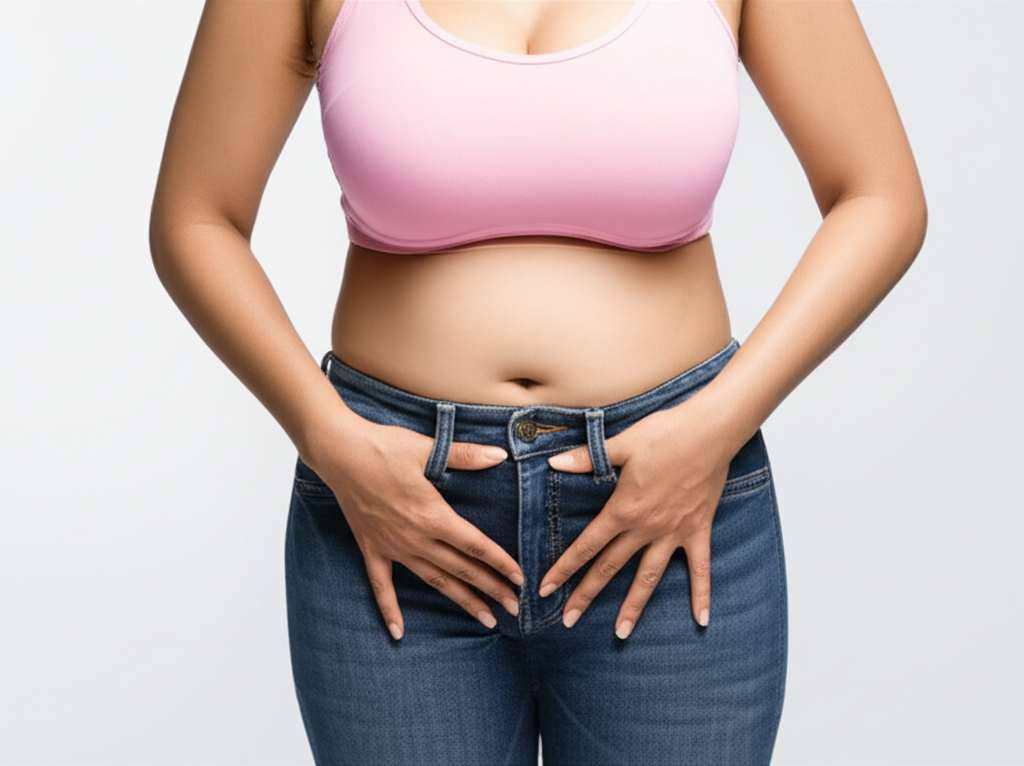
You might be wondering, “Is this normal? Am I doing something wrong?” It can feel confusing and even a little scary when your body reacts in ways you didn’t anticipate.
Don’t worry! This guide is here to clear things up. We’ll break down why digestive changes can happen when you burn fat and give you simple, practical tips to feel your best.

The “Burning Fat” Connection: What’s Really Happening?
When we talk about “burning fat,” we’re really referring to the process of your body using stored fat for energy. This typically happens when you consume fewer calories than you burn, a state known as a calorie deficit. Your body then taps into your fat reserves.
While this is the goal of many weight loss journeys, it’s not a direct cause of diarrhea for most people. Diarrhea is usually a symptom of something else impacting your digestive system. Think of it like a car’s engine: burning fuel (fat) is normal, but a strange noise (diarrhea) suggests another issue.
The key is understanding what actually triggers digestive discomfort during weight loss efforts, rather than assuming fat burning itself is the culprit.
Understanding Your Digestive System’s Role
Your digestive system is a complex network that breaks down food, absorbs nutrients, and eliminates waste. It’s sensitive to changes in what you eat, how much you eat, and even your stress levels.
When you make significant changes to your diet for weight loss, you’re altering the fuel and the pace at which your digestive system operates. This can sometimes lead to temporary disruptions.
These disruptions aren’t necessarily a sign that fat burning is going wrong, but rather that your body is adjusting to new inputs and outputs.
Common Culprits: Why You Might Experience Digestive Upset While Losing Weight
While burning fat isn’t directly causing diarrhea, the methods you use to achieve it often involve dietary changes that can. Let’s look at the most common reasons:
1. Sudden Dietary Changes
This is a big one! When you drastically alter your food intake, your digestive system can get confused. If you suddenly increase fiber, switch to different types of fats, or eliminate entire food groups, your gut bacteria and digestive enzymes might struggle to keep up.
For example, if you were eating a diet low in fiber and then suddenly start consuming large amounts of fruits, vegetables, and whole grains, your body needs time to adjust to the increased fiber load. Fiber adds bulk to your stool and can speed up digestion, which, in excess or when your system isn’t used to it, can lead to looser stools or diarrhea.
2. Increased Fiber Intake
Fiber is fantastic for health and weight loss! It helps you feel full, regulates blood sugar, and keeps your digestive system moving. However, too much too soon can be a problem.
Soluble fiber, found in oats, beans, and apples, absorbs water and forms a gel. Insoluble fiber, found in whole grains and vegetables, adds bulk and speeds things up. A rapid increase in either can lead to gas, bloating, and diarrhea as your gut processes the extra material.
It’s recommended to gradually increase your fiber intake. Aim for an extra 5 grams per day until you reach your goal, and drink plenty of water to help the fiber do its job smoothly. The U.S. Department of Agriculture (USDA) recommends about 14 grams of fiber per 1,000 calories consumed, so for a 2,000-calorie diet, that’s roughly 28 grams daily.
3. Changes in Fat Intake
Fat plays a crucial role in nutrient absorption and digestive health. When you significantly reduce your fat intake or change the types of fats you eat, it can impact your digestion.
Some people experience diarrhea when their diet becomes too low in fat, as fat helps slow down digestion and can be essential for absorbing certain vitamins. On the other hand, consuming certain types of fats, especially artificial ones like Olestra (found in some low-fat snacks) or large amounts of sugar alcohols (like sorbitol or xylitol in sugar-free products), can have a laxative effect.
If you’re cutting fat for weight loss, focus on healthy fats found in avocados, nuts, seeds, and olive oil, and consume them in moderation. Avoid processed “fat-free” or “low-fat” products that might contain artificial sweeteners or other ingredients that can cause digestive issues.
4. Artificial Sweeteners and Sugar Alcohols
Many diet foods and drinks use artificial sweeteners or sugar alcohols to reduce calories. While they can be helpful for managing sugar intake, they can wreak havoc on some people’s digestive systems.
Sugar alcohols, in particular, are known for their laxative effect. Your body doesn’t fully absorb them, and they can draw water into your intestines, leading to bloating, gas, and diarrhea. Common sugar alcohols include sorbitol, mannitol, xylitol, erythritol, and maltitol.
If you notice digestive issues after consuming diet drinks, sugar-free gum, or candies, try cutting back on these products. Look for the ingredients list to identify them.
5. Increased Water Intake
Drinking more water is essential for weight loss and overall health. It helps with metabolism, keeps you feeling full, and flushes out toxins. However, a sudden, drastic increase in water intake can sometimes lead to diarrhea for some individuals.
This is less common but can happen if your body isn’t used to processing such a large volume of fluid. It can dilute digestive enzymes or speed up the transit time of food through your gut. The general recommendation is around 8 cups (64 ounces) of water per day, but this can vary based on activity level, climate, and individual needs.
If you’re significantly increasing your water intake, do so gradually and listen to your body. Staying hydrated is crucial, but it shouldn’t come at the cost of severe digestive distress.
6. Food Intolerances or Sensitivities
Sometimes, digestive issues that appear during weight loss aren’t directly related to the fat-burning process but to underlying food intolerances or sensitivities that become more apparent when your diet changes.
For example, if you start eating more dairy or gluten-containing foods as part of a new meal plan, and you have an undiagnosed intolerance, you might experience diarrhea. Weight loss plans often encourage whole, unprocessed foods, which is great, but if these foods trigger your sensitivities, it can be problematic.
Consider keeping a food diary to track what you eat and any digestive symptoms you experience. This can help you identify potential trigger foods. If you suspect a food intolerance, it’s always best to consult with a healthcare professional or a registered dietitian.
7. Changes in Gut Microbiome
Your gut microbiome is the trillions of bacteria and other microorganisms living in your digestive tract. They play a vital role in digestion, immunity, and even mood.
When you change your diet, especially by introducing new types of fiber, prebiotics, or probiotics, you can alter the balance of your gut bacteria. This shift can sometimes lead to temporary digestive upset, including diarrhea, as the “good” bacteria adjust and compete with existing ones.
Probiotic-rich foods like yogurt, kefir, sauerkraut, and kimchi, as well as prebiotic foods like onions, garlic, and bananas, can be beneficial for gut health. However, introducing them too quickly can cause a temporary imbalance.
8. Medications or Supplements
Are you taking any new medications or supplements as part of your weight loss plan? Some of these can have digestive side effects.
For instance, certain weight loss supplements might contain stimulants or ingredients that can speed up digestion. Fat-burning supplements, in particular, can sometimes cause gastrointestinal distress. If you’ve started a new supplement and are experiencing diarrhea, check the ingredients and consult the product’s information or your doctor.
When to Be Concerned: Recognizing Red Flags
While occasional digestive upset can be a temporary side effect of dietary changes, there are times when you should pay closer attention. It’s important to know when to seek professional advice.
Here are some signs that your diarrhea might be more than just a temporary adjustment:
- Diarrhea lasting longer than a few days: If it doesn’t improve after a week or so, it’s time to check in with a doctor.
- Severe abdominal pain or cramping: Intense pain accompanying diarrhea is a warning sign.
- Blood or mucus in your stool: This can indicate inflammation or infection.
- Fever: A fever along with diarrhea suggests your body might be fighting an infection.
- Signs of dehydration: Symptoms like extreme thirst, dry mouth, reduced urination, dizziness, and fatigue mean your body is losing too much fluid.
- Unexplained weight loss (not related to your diet plan): If you’re losing weight rapidly without trying, beyond your planned goals, it needs investigation.
If you experience any of these, don’t hesitate to reach out to your doctor or a healthcare provider. They can help diagnose the cause and recommend the best course of action.
Practical Tips for a Happy Gut During Weight Loss
The good news is that you can often prevent or manage digestive issues while pursuing your weight loss goals. Here are some practical, beginner-friendly strategies:
1. Make Changes Gradually
This is the golden rule! Whether it’s increasing fiber, adding new foods, or changing your meal timing, introduce changes slowly. Your body will thank you for it.
Instead of overhauling your diet overnight, try adding one new high-fiber food per day or week. If you’re cutting out processed foods, do it in stages. This allows your digestive system to adapt without getting overwhelmed.
2. Stay Hydrated, But Smartly
Drink plenty of water throughout the day. Aim for consistency rather than chugging large amounts all at once. Sip water between meals and as you feel thirsty.
If you find plain water unappealing, try adding a slice of lemon or cucumber. Herbal teas can also be a good option. Avoid sugary drinks and excessive caffeine, which can sometimes irritate the digestive system.
3. Focus on Whole, Unprocessed Foods
Prioritize foods that are close to their natural state: fruits, vegetables, lean proteins, whole grains, and healthy fats.
These foods are packed with nutrients and fiber, which are essential for good health and sustainable weight loss. They are generally easier for your body to digest and process compared to highly processed items.
A balanced diet is key. Here’s a simple guide to what a healthy plate might look like:
| Food Group | Examples | Benefits for Digestion & Weight Loss |
|---|---|---|
| Vegetables | Broccoli, spinach, carrots, bell peppers | High in fiber, vitamins, and minerals. Aid digestion and promote fullness. |
| Fruits | Berries, apples, bananas, oranges | Natural sugars for energy, fiber, antioxidants. Good for satiety. |
| Lean Proteins | Chicken breast, fish, beans, lentils, tofu | Essential for muscle repair and satiety. Helps manage appetite. |
| Whole Grains | Oats, quinoa, brown rice, whole wheat bread | Provide sustained energy and fiber. Support gut health. |
| Healthy Fats | Avocado, nuts, seeds, olive oil | Aid nutrient absorption, support hormone production, promote fullness. |
4. Listen to Your Body
Pay attention to how different foods make you feel. If a particular food consistently causes discomfort, even if it’s considered healthy, it might not be the right choice for you.
Keep a simple journal noting what you eat and any symptoms. This can help you identify patterns and make informed decisions about your diet.
5. Consider Probiotics and Prebiotics
To support your gut health, consider incorporating probiotic and prebiotic foods. Probiotics are beneficial bacteria, while prebiotics are food for those bacteria.
Probiotic Sources:
- Yogurt (with live and active cultures)
- Kefir
- Sauerkraut
- Kimchi
- Kombucha
Prebiotic Sources:
- Onions
- Garlic
- Leeks
- Asparagus
- Bananas
- Oats
Introduce these gradually to avoid upsetting your stomach. You can also discuss probiotic supplements with your doctor.
6. Manage Stress
Stress can have a significant impact on your digestive system, sometimes leading to diarrhea or constipation. Finding healthy ways to manage stress is crucial for overall well-being and gut health.
Activities like deep breathing exercises, meditation, yoga, spending time in nature, or engaging in hobbies you enjoy can make a difference. Even short breaks throughout your day can help.
7. Chew Your Food Thoroughly
This simple habit can make a big difference! Chewing your food breaks it down into smaller pieces, making it easier for your digestive system to process. It also signals your stomach to produce digestive enzymes.
Take your time when eating, and aim to chew each bite at least 20-30 times. This not only aids digestion but can also help you recognize fullness cues, preventing overeating.
8. Avoid Known Irritants
If you suspect certain foods are causing issues, like artificial sweeteners or very spicy foods, try limiting them. Pay attention to how your body reacts after consuming them.
It’s also a good idea to moderate alcohol and caffeine intake, as these can sometimes irritate the digestive tract for some individuals.
Debunking Myths: What “Burning Fat” Doesn’t Mean
It’s easy to get confused by all the information out there. Let’s clear up a few common myths:
Myth 1: Burning fat means your body is “flushing out” toxins through diarrhea.
While your body does eliminate waste products, diarrhea isn’t the primary or healthy way it detoxifies. Your liver and kidneys are the main detoxification organs. Persistent diarrhea can actually lead to dehydration and electrolyte imbalances, which is the opposite of detoxification.
Myth 2: If you’re not having diarrhea, you’re not burning fat effectively.
This is completely untrue! As we’ve discussed, diarrhea is usually a sign of digestive upset, not a marker of successful fat burning. A healthy digestive system is what you want, not one that’s constantly in distress.
Myth 3: All weight loss plans that cause diarrhea are “cleansing” the body.
So-called “cleanses” that induce diarrhea are often unnecessary and can be harmful. They don’t provide sustained weight loss and can disrupt your gut health. True healthy weight loss is about sustainable habits, not extreme measures.
Focus on balanced nutrition, regular physical activity, and stress management. These are the foundations of healthy fat loss and overall well-being.
FAQ: Your Burning Questions Answered
Q1: Does burning fat naturally cause diarrhea?
A1: No, burning fat itself does not naturally cause diarrhea. Diarrhea is typically a symptom of other factors, such as sudden dietary changes, increased fiber intake, artificial sweeteners, or underlying sensitivities.
Q2: What should I do if I get diarrhea while trying to lose weight?
A2: Start by assessing your diet. Have you recently made big changes? Try to identify potential triggers like increased fiber, artificial sweeteners, or new foods. Gradually reintroduce foods if you’ve eliminated them, stay hydrated, and focus on easily digestible foods for a short period. If it persists, consult a healthcare professional.
Q3: Is it okay to have loose stools if I’m exercising more?
A3: A slight increase in bowel movements or looser stools can sometimes occur with increased physical activity, especially if you’re also changing your diet. However, true diarrhea (frequent, watery stools) is usually a sign of digestive upset rather than a direct result of exercise. Ensure you’re staying hydrated and fueling your body appropriately.
Q4: Can a low-fat diet cause diarrhea?
A4: Sometimes, a very low-fat diet can lead to digestive issues. Fat is important for slowing down digestion and absorbing certain nutrients. If your diet is extremely low in fat, it might cause your digestive system to work too quickly for some people. It’s more about the balance of fats and other nutrients.
Q5: How can I increase my fiber intake without getting diarrhea?
A5: Introduce fiber-rich foods gradually. Add one new high-fiber food each day or week. Drink plenty of water to help the fiber move through your system smoothly. Start with soluble fibers, which are generally gentler, and ensure you’re eating a variety of fiber sources.
Q6: Are there specific foods that help with diarrhea during weight loss?
A6: When experiencing diarrhea, focus on bland, easy-to-digest foods. The BRAT diet (Bananas, Rice, Applesauce, Toast) is a classic recommendation. Other helpful foods include plain crackers, boiled potatoes, clear broths, and cooked lean meats. Avoid dairy, fatty foods, spicy foods, and high-fiber items until your symptoms improve.
Q7: Should I stop losing weight if I experience diarrhea?
A7: Not necessarily. If it’s a mild, temporary issue due to dietary adjustments, you can often continue your plan while making small modifications. However, if the diarrhea is severe, persistent, or accompanied by other concerning symptoms, it’s crucial to consult a healthcare provider before continuing your weight loss efforts.
Conclusion: Embracing a Healthy Gut on Your Weight Loss Journey
Navigating weight loss can feel like a puzzle, and digestive issues can certainly add to the confusion. The “shocking truth” is that burning fat itself isn’t the villain here. Instead, it’s the common dietary shifts and lifestyle changes that often accompany weight loss efforts that can sometimes lead to an upset stomach.
By understanding the real culprits – like sudden dietary changes, rapid increases in fiber, artificial sweeteners, and even stress – you’re empowered to make informed choices. Remember, your digestive system is a sensitive ecosystem that thrives on gradual adjustments and balanced nutrition.
Focus on making sustainable changes. Introduce new foods slowly, stay well-hydrated, prioritize whole foods, and listen to your body’s signals. If you do experience diarrhea, don’t panic. Most of the time, it’s temporary and manageable with simple adjustments. However, always be aware of red flags and don’t hesitate to seek professional medical advice if you have concerns.
Your journey to a healthier you should feel empowering, not uncomfortable. By approaching your diet and exercise plan with knowledge and patience, you can achieve your weight loss goals while keeping your gut happy and healthy. You’ve got this!
As an Amazon Associate, We earn from qualifying purchases. When you purchase a product through Amazon links on pulsefitguide.com, we may earn a small commission at no extra cost to you. This helps support the site and keep our content free.
