


Quick Summary: To avoid losing fat, focus on creating a sustainable calorie deficit through balanced nutrition, consistent exercise, and healthy lifestyle habits. Prioritize whole foods, adequate protein, and regular movement. This approach builds lean muscle and boosts metabolism, preventing unintended fat loss.
Feeling confused about why the scale sometimes goes down too much, or you feel weaker when trying to get healthier? It’s a common puzzle, especially when you’re just starting your journey. You might be trying to eat less or exercise more, but your body seems to be losing more than just fat.

This can be frustrating, but the good news is that it’s usually a sign that something in your approach needs a small tweak. It doesn’t mean you’re doing it wrong; it just means we need to understand how your body works a little better.
We’re going to break down exactly how to manage your energy balance so you can lose unwanted fat while keeping your muscle and energy levels up. Think of this as your friendly guide to understanding the “why” behind weight management and the simple, science-backed “how-to” steps to achieve your goals.

Ready to unlock those amazing secrets and feel more in control? Let’s dive into the simple strategies that make a big difference.
Understanding How Your Body Manages Fat
Before we get into the “how-to,” let’s quickly understand what fat is and why your body stores it. Fat, or adipose tissue, is essential for life. It insulates your body, protects your organs, and stores energy. When we talk about “losing fat” healthily, we mean reducing the excess stored energy that can impact our health and how we feel.
Your body uses energy (calories) for everything: breathing, thinking, moving, and even digesting food. When you consume more calories than your body uses, it stores the extra energy, often as fat. Conversely, when you consistently use more calories than you consume, your body starts to tap into stored energy, including fat, for fuel. This is the basic principle of weight loss.
However, if this calorie deficit is too large, or if you’re not fueling your body properly, you can lose more than just fat. You might lose muscle mass, which is vital for metabolism and strength. This is where the confusion and frustration often come in.
The Difference Between Fat Loss and Weight Loss
It’s important to distinguish between losing weight and losing fat. Losing weight just means the number on the scale is going down. This could be from losing water, muscle, or fat. Fat loss specifically refers to reducing your body’s adipose tissue.
When you aim for healthy fat loss, you want to preserve your muscle mass. Muscle tissue is metabolically active, meaning it burns calories even when you’re at rest. Losing muscle can slow down your metabolism, making it harder to lose fat in the long run and easier to regain weight.
Our goal is to create a moderate calorie deficit that encourages your body to burn stored fat for energy while providing enough nutrients and stimuli to maintain or even build muscle. This is the sustainable path to a healthier body composition.
The Core Principle: Energy Balance Explained
At its heart, managing your body fat comes down to something called “energy balance.” This concept is straightforward but incredibly powerful. It’s all about the relationship between the energy you consume (from food and drinks) and the energy you expend (through daily activities and exercise).
Think of it like a bank account for calories. Deposits come from what you eat and drink. Withdrawals happen when your body does anything that requires energy. To lose fat, you generally need to create a situation where your body makes more “withdrawals” than “deposits” over time.
Calories In vs. Calories Out: The Simple Math
This is the most fundamental concept in weight management. “Calories in” refers to the total number of calories you consume from all food and beverages. “Calories out” refers to the total number of calories your body burns throughout the day. This includes your Basal Metabolic Rate (BMR), which is the energy needed for basic bodily functions at rest, and the calories burned through physical activity.
For fat loss to occur, you need a consistent calorie deficit. This means you consistently consume fewer calories than your body burns. However, the key to avoiding unwanted fat loss (meaning losing muscle or essential body mass) is to ensure this deficit is moderate and that your “calories out” includes sufficient muscle-building or -preserving activity.
A common mistake beginners make is creating an excessively large calorie deficit. While this might lead to rapid weight loss initially, much of it can be water and muscle, which isn’t healthy or sustainable. For example, drastically cutting calories without considering nutrient intake can signal your body to conserve energy, making fat loss harder.
Why a Moderate Deficit is Key
When your calorie deficit is too large, your body can perceive it as a threat or starvation. In response, it might do a few things that work against your fat loss goals:
- Slows Metabolism: Your body becomes more efficient, burning fewer calories to conserve energy.
- Breaks Down Muscle: To get energy quickly, your body might start breaking down muscle tissue, especially if protein intake is insufficient.
- Increases Hunger Hormones: This makes you feel hungrier, increasing the likelihood of overeating.
A moderate deficit, typically around 300-500 calories per day, is often recommended. This allows for a gradual, steady rate of fat loss (about 0.5 to 1 pound per week) while minimizing the risk of muscle loss and metabolic slowdown. This is where sustainable changes are made.
Amazing Secret #1: Fuel Your Body Wisely (Nutrition)
The first amazing “secret” isn’t really a secret at all, but a foundational principle: what you eat matters immensely. It’s not just about counting calories; it’s about the quality and type of calories you consume. Fueling your body wisely ensures you get the nutrients you need to function, stay energized, and build muscle while still creating that essential calorie deficit for fat loss.
Think of your body like a car. You can put cheap, low-quality fuel in it, and it might run, but not optimally. High-quality fuel, on the other hand, makes it run smoothly and efficiently. Similarly, the foods you choose directly impact your energy levels, satiety, and your body’s ability to burn fat and preserve muscle.
Prioritize Protein: Your Muscle’s Best Friend
Protein is a superstar nutrient when it comes to managing body composition. It plays a crucial role in building and repairing tissues, including muscle. When you’re in a calorie deficit, adequate protein intake is essential to help preserve muscle mass.
Here’s why protein is so important:
- Muscle Preservation: It provides the building blocks (amino acids) your body needs to repair and maintain muscle tissue, even when calories are reduced.
- Satiety: Protein helps you feel fuller for longer, which can reduce overall calorie intake and prevent overeating.
- Thermic Effect: Your body uses more energy to digest protein compared to fats and carbohydrates, slightly boosting your metabolism.
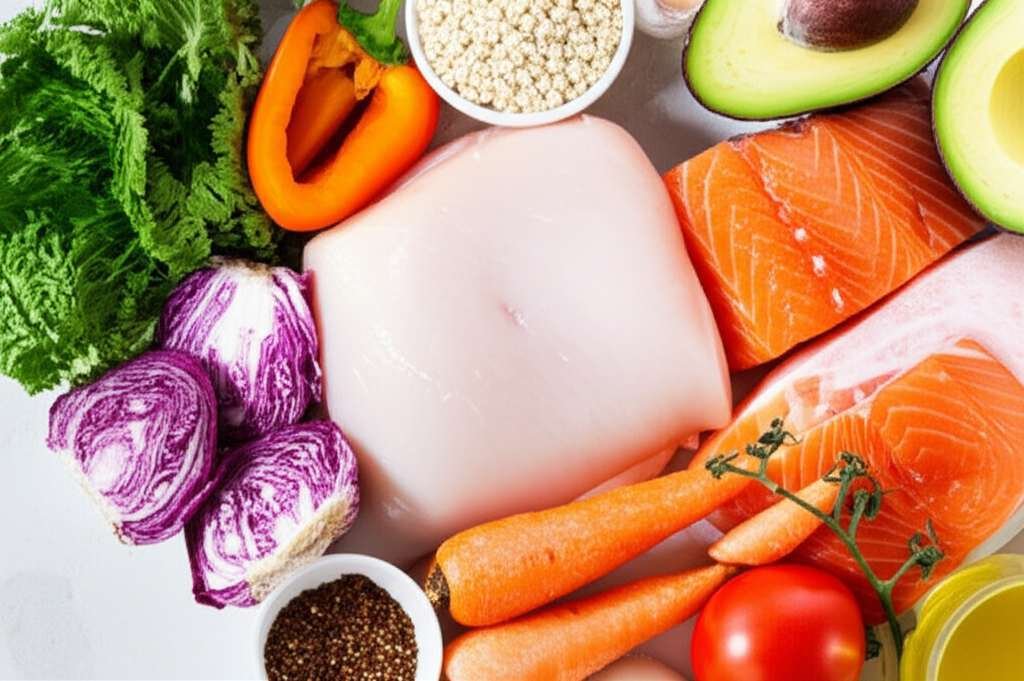
Aim to include a source of lean protein with every meal and snack. Good sources include chicken breast, turkey, fish, lean beef, eggs, Greek yogurt, tofu, beans, and lentils.
Embrace Whole, Unprocessed Foods
Whole foods are foods that are in their natural state or have undergone minimal processing. They are packed with vitamins, minerals, fiber, and antioxidants that are essential for overall health and can significantly aid in fat loss.
Why are whole foods so effective?
- Nutrient Density: They offer more nutrients per calorie compared to processed foods, meaning you get more “bang for your buck” nutritionally.
- Fiber Content: Many whole foods, especially fruits, vegetables, and whole grains, are rich in fiber. Fiber adds bulk to your meals, promoting fullness and aiding digestion. It also helps regulate blood sugar levels, preventing energy crashes.
- Lower in Added Sugars and Unhealthy Fats: Processed foods often contain high amounts of added sugars, unhealthy fats, and sodium, which can hinder fat loss and negatively impact health.
Examples of whole foods include: fruits, vegetables, whole grains (oats, quinoa, brown rice), lean meats, fish, eggs, nuts, seeds, and legumes.
Smart Carbohydrate Choices
Carbohydrates are your body’s primary source of energy. The key is to choose the right types of carbs. Instead of refined carbohydrates (like white bread, sugary cereals, and pastries), focus on complex carbohydrates.
Complex carbohydrates are digested more slowly, providing a steady release of energy and helping you feel full. They are also often rich in fiber and nutrients.
Good sources of complex carbohydrates include:
- Whole grains (oats, quinoa, brown rice, whole wheat pasta)
- Starchy vegetables (sweet potatoes, potatoes, corn, peas)
- Legumes (beans, lentils, chickpeas)
By focusing on these nutrient-dense foods, you can create a satisfying and energizing diet that supports fat loss without leaving you feeling deprived or weak.
Don’t Fear Healthy Fats
Fats are essential for hormone production, nutrient absorption, and overall health. While they are calorie-dense, healthy fats are crucial for satiety and can even help with fat loss when consumed in moderation as part of a balanced diet.
Focus on unsaturated fats found in:
- Avocados
- Nuts and seeds (almonds, walnuts, chia seeds, flaxseeds)
- Olive oil
- Fatty fish (salmon, mackerel, sardines)
These fats can help you feel full and satisfied, reducing the urge to snack on less healthy options. They also provide essential fatty acids that your body cannot produce on its own.
Amazing Secret #2: Move Your Body Strategically (Exercise)
The second amazing “secret” to avoiding unwanted fat loss is how you move your body. Exercise is not just about burning calories; it’s a powerful tool for shaping your body composition, boosting your metabolism, and improving your overall health.
When you exercise, you create a calorie deficit, but you also send crucial signals to your body. The right types of exercise help tell your body to burn fat for energy while preserving and building the muscle you need. This is the perfect recipe for healthy fat loss.
The Power of Strength Training
Many beginners focus solely on cardio, but strength training is incredibly important for fat loss and for avoiding the loss of muscle mass.
Here’s why strength training is a game-changer:
- Builds Muscle: Lifting weights or using resistance causes microscopic tears in your muscle fibers. As these fibers repair and rebuild, they become stronger and slightly larger.
- Boosts Metabolism: Muscle tissue burns more calories at rest than fat tissue. The more muscle you have, the higher your resting metabolic rate will be, meaning you burn more calories throughout the day, even when you’re not exercising.
- Improves Body Composition: Strength training helps you lose fat while gaining muscle, leading to a leaner, more toned physique. This is often referred to as improving your “body composition.”
- Prevents Muscle Loss: When you’re in a calorie deficit, strength training signals your body to hold onto muscle tissue.
You don’t need a fancy gym to start. Bodyweight exercises like squats, lunges, push-ups, and planks are excellent starting points. As you get stronger, you can incorporate resistance bands or free weights.
A good starting point for strength training is to aim for 2-3 sessions per week, focusing on major muscle groups. You can learn more about starting strength training from resources like the National Institutes of Health (NIH), which provides evidence-based guidelines for physical activity.
Cardiovascular Exercise for Fat Burning
Cardio, or aerobic exercise, is fantastic for burning calories and improving heart health. It directly contributes to your calorie deficit, making it a key component of any fat loss plan.
Benefits of cardio include:
- Calorie Expenditure: Cardio activities like running, cycling, swimming, or brisk walking burn a significant number of calories during the workout.
- Improved Cardiovascular Health: It strengthens your heart and lungs, improving endurance and overall fitness.
- Stress Reduction: Physical activity is a great way to manage stress, which can sometimes contribute to unhealthy eating habits.
When aiming for fat loss, a mix of moderate-intensity steady-state cardio and higher-intensity interval training (HIIT) can be very effective. However, for beginners, starting with moderate-intensity cardio 3-4 times a week is a great strategy.
For example, a 30-minute brisk walk, jog, or bike ride can burn a substantial amount of calories and contribute to your fat loss goals.
Consistency is More Important Than Intensity (Especially at First)
For beginners, the most important aspect of exercise is consistency. Showing up regularly, even for shorter or less intense workouts, will yield better long-term results than sporadic, intense sessions followed by long breaks.
Building a habit of movement is the primary goal. Once you establish this habit, you can gradually increase the intensity, duration, or frequency of your workouts.
Consistency ensures that you are regularly creating a calorie deficit and providing the stimulus for your body to adapt and get stronger, all while preserving muscle mass.
Amazing Secret #3: Master Your Lifestyle Habits
Beyond nutrition and exercise, several lifestyle factors play a surprisingly significant role in how your body manages fat. These habits often work behind the scenes, supporting or hindering your efforts. Mastering them is truly an “amazing secret” for sustainable fat loss.
Think of these as the supporting cast to your nutrition and exercise stars. Without their support, even the best diet and workout plan can falter.
The Crucial Role of Sleep
Sleep is not a luxury; it’s a biological necessity that profoundly impacts your hormones, appetite, and metabolism. When you don’t get enough quality sleep, your body can go into survival mode, which can sabotage fat loss efforts.
Here’s how sleep affects fat loss:
- Hormonal Balance: Lack of sleep disrupts hormones like ghrelin (which stimulates appetite) and leptin (which signals fullness). This often leads to increased hunger and cravings for high-calorie, less healthy foods.
- Cortisol Levels: Poor sleep can increase cortisol, the stress hormone. Elevated cortisol can promote fat storage, particularly around the abdomen, and can lead to muscle breakdown.
- Energy Levels: When you’re well-rested, you have more energy to exercise, make healthier food choices, and manage daily tasks, all of which support your fat loss goals.
Aim for 7-9 hours of quality sleep per night. Establishing a regular sleep schedule, creating a relaxing bedtime routine, and making your bedroom dark and quiet can significantly improve your sleep quality.
Stress Management Techniques
Chronic stress can be a major roadblock to fat loss. As mentioned, stress hormones like cortisol can encourage fat storage and muscle breakdown. Additionally, stress can lead to emotional eating and a lack of motivation to exercise or prepare healthy meals.
Finding healthy ways to manage stress is vital:
- Mindfulness and Meditation: Even a few minutes a day can help calm your nervous system.
- Deep Breathing Exercises: Simple techniques can reduce immediate stress responses.
- Hobbies and Relaxation: Engage in activities you enjoy that help you unwind.
- Spending Time in Nature: Studies have shown that spending time outdoors can reduce stress levels.
By actively managing stress, you help create a more favorable hormonal environment for fat loss and improve your overall well-being.
Hydration: More Than Just Thirst Quenching
Drinking enough water is fundamental for health and plays a supporting role in fat loss. Water is involved in almost every bodily process, including metabolism.
Benefits of staying hydrated:
- Metabolism Support: Water is necessary for your body to metabolize stored fat. Dehydration can slow this process down.
- Appetite Control: Sometimes, thirst can be mistaken for hunger. Drinking water before meals can help you feel fuller, potentially reducing food intake.
- Detoxification: Water helps your kidneys flush out waste products and toxins from your body.
- Energy Levels: Even mild dehydration can lead to fatigue.
A general recommendation is to drink about 8 glasses (64 ounces) of water per day, but this can vary based on your activity level, climate, and individual needs. Listen to your body and drink when you feel thirsty.
Mindful Eating Practices
Mindful eating involves paying full attention to the experience of eating and drinking, as well as to your body’s signals of hunger and fullness.
How mindful eating helps:
- Better Hunger/Fullness Cues: It helps you recognize when you’re truly hungry and when you’re comfortably full, preventing overeating.
- Improved Digestion: Eating slowly and savoring your food can aid digestion.
- Increased Satisfaction: You tend to enjoy your food more when you’re not rushing or distracted, leading to greater satisfaction with smaller portions.
To practice mindful eating, try to eat without distractions (like your phone or TV), chew your food thoroughly, and pause during your meal to check in with your body’s fullness signals.
Putting It All Together: Your Action Plan
Now that you understand the “amazing secrets,” let’s put them into a simple, actionable plan. Remember, consistency and patience are your greatest allies. This isn’t about drastic changes overnight, but about building sustainable habits that lead to long-term success.
Step 1: Assess Your Current Habits
Before making changes, understand where you are. For a few days, honestly track:
- What you eat and drink: Use a journal or an app.
- Your activity levels: How much you move each day.
- Your sleep patterns: How many hours you sleep and how rested you feel.
- Your stress levels: How you’re coping with daily pressures.
This self-awareness is the first step to identifying areas for improvement.
Step 2: Set Realistic Goals
Based on your assessment, set achievable goals. Instead of “lose 20 pounds,” try:
- “Eat at least one serving of vegetables with lunch and dinner.”
- “Go for a 20-minute brisk walk 3 times this week.”
- “Aim for 7 hours of sleep each night.”
- “Drink 8 glasses of water daily.”
Small, consistent wins build confidence and momentum.
Step 3: Implement Gradual Changes
Don’t try to overhaul everything at once. Pick one or two areas to focus on first.
Nutrition Focus:
- Start by adding a lean protein source to each meal.
- Swap one refined grain for a whole grain each day.
- Increase your water intake.
Exercise Focus:
- Begin with 2-3 strength training sessions per week, focusing on basic movements.
- Add 2-3 cardio sessions of 20-30 minutes per week.
- Incorporate more movement into your day (e.g., taking the stairs, walking during breaks).
Lifestyle Focus:
- Establish a consistent bedtime.
- Practice a simple stress-relief technique daily.
Step 4: Track Progress and Adjust
Monitor your progress not just by the scale, but by how you feel. Are you more energetic? Are your clothes fitting better? Are you stronger?
Use your initial assessment as a benchmark. If something isn’t working, don’t get discouraged. Simply adjust your approach. Maybe you need more protein, a different type of exercise, or better sleep strategies.
This is an iterative process. Learning what works best for your body is part of the journey. Resources from organizations like the MyPlate program from the USDA can offer personalized guidance on building balanced meals.
Sample Weekly Plan for Beginners
Here’s a sample week to give you an idea of how to integrate these strategies. Remember, this is a template; adjust it to fit your schedule and preferences.
| Day | Nutrition Focus | Exercise Focus | Lifestyle Focus |
|---|---|---|---|
| Monday | Lean protein with all meals. Focus on whole grains for breakfast. | Full-body strength training (bodyweight or light weights). | 7-8 hours of sleep. Mindful eating during lunch. |
| Tuesday | Include healthy fats (avocado, nuts) in meals. Plenty of water. | 30-minute brisk walk or light jog. | Deep breathing exercises in the morning. |
| Wednesday | Focus on colorful vegetables with lunch and dinner. | Full-body strength training. | Consistent bedtime. Hydration check. |
| Thursday | Lean protein. Incorporate legumes (beans, lentils). | 30-minute cycling or elliptical session. | Stress-relief activity (e.g., listening to music, short meditation). |
| Friday | Balanced meals. Small, healthy snack if needed. | Active recovery: light walk or stretching. | Prioritize sleep. Practice mindful eating for dinner. |
| Saturday | Enjoy meals, but stick to whole foods. | Longer cardio session (40-45 minutes) or a hike. | Hydration focus. Manage stress actively. |
| Sunday | Meal prep for the week. Focus on hydration. | Rest day or light activity like yoga. | Review the week, plan for the next. Aim for 7-8 hours of sleep. |
This plan emphasizes balance, consistency, and making healthy choices a regular part of your life. The goal is progress, not perfection!
Common Pitfalls to Avoid
Even with the best intentions, it’s easy to fall into common traps that can hinder fat loss or lead to unwanted muscle loss. Being aware of these pitfalls can help you navigate your journey more smoothly.
Pitfall #1: Extreme Calorie Restriction
As we’ve discussed, drastically cutting calories can backfire. Your body might conserve energy, slow metabolism, and break down muscle. Instead, aim for a moderate deficit. If you’re unsure, a registered dietitian or nutritionist can help you determine a safe and effective calorie intake.
Pitfall #2: Over-Reliance on Cardio
While cardio is great for burning calories, neglecting strength training can lead to muscle loss. Muscle is key for a long-term healthy metabolism. Ensure your routine includes resistance training at least 2-3 times per week.
Pitfall #3: Ignoring Sleep and Stress
These lifestyle factors are often overlooked but are critical. Consistently poor sleep and high stress levels can disrupt hormones that regulate appetite and fat storage, making fat loss much harder. Make sleep and stress management a priority.
Pitfall #4: Unrealistic Expectations
Fat loss is a journey, not a race. Expecting to see dramatic results overnight can lead to disappointment and giving up. Celebrate small victories and focus on sustainable habits.
Pitfall #5: “All or Nothing” Mentality
Having one “off” meal or skipping one workout doesn’t derail your progress. It’s what you do consistently that matters. Don’t let a minor slip-up lead to a complete abandonment of your plan. Just get back on track with your next meal or workout.
Frequently Asked Questions (FAQ)
Q1: How quickly can I expect to see results?
Healthy fat loss is typically around 0.5 to 1 pound per week. This means significant changes can be seen within a month or two, but true transformation takes time and consistent effort. Focus on building sustainable habits rather than chasing rapid results.
Q2: Do I need to cut out all carbs to lose fat?
No, you don’t need to eliminate carbs. The key is to choose complex, whole-grain carbohydrates (like oats, quinoa, and brown rice) over refined ones (like white bread and sugary snacks). These provide sustained energy and fiber.
Q3: Is it possible to lose fat and gain muscle at the same time?
Yes, it’s called body recomposition! This is most achievable for beginners or those returning to exercise after a break. It requires a moderate calorie deficit, sufficient protein intake, and consistent strength training.
Q4: How much water should I drink daily for fat loss?
A good starting point is about 8 glasses (64 ounces) of water per day. However, this can vary. You should drink enough to stay hydrated, meaning your urine is light yellow and you rarely feel thirsty. Increased activity or hot weather may require more water.
Q5: What if I have a busy schedule and can’t exercise much?
Focus on consistency with what you can do. Even 20-30 minutes of moderate activity a few times a week, combined with smart nutrition and lifestyle habits, can make a difference. Look for opportunities to add movement throughout your day, like taking the stairs or going for a walk during breaks.
Q6: Can I lose fat without counting calories?
Yes! While calorie counting can be helpful, it’s not the only way. Focusing on portion control, eating whole foods, prioritizing protein and fiber, and practicing mindful eating can naturally help you manage your calorie intake without strict tracking.
Q7: How do I know if I’m losing muscle instead of fat?
Signs of muscle loss can include feeling weaker, losing weight very rapidly, feeling constantly fatigued, and noticing a decrease in muscle definition. If you’re strength training consistently, eating enough protein, and experiencing a moderate rate of weight loss, you are likely losing fat. If you suspect muscle loss, re-evaluate your protein intake and exercise routine.
Conclusion
Navigating the world of fat loss can seem complicated, but by understanding the core principles and implementing these “amazing secrets,” you’re well on your way to success. It’s not about deprivation or extreme measures, but about smart, sustainable choices that honor your body.
Remember, the most effective path to avoiding unwanted fat loss involves a balanced approach: fueling your body with nutritious foods, moving it strategically with a mix of strength and cardio, and prioritizing crucial lifestyle habits like sleep and stress management. Consistency is your most powerful tool. Celebrate your progress, be patient with yourself, and trust the process.
You’ve got this! By applying these science-backed strategies, you can achieve your fat loss goals while building a stronger, healthier, and more energetic you. Keep learning, keep moving, and enjoy the journey to a better you.
As an Amazon Associate, We earn from qualifying purchases. When you purchase a product through Amazon links on pulsefitguide.com, we may earn a small commission at no extra cost to you. This helps support the site and keep our content free.
