


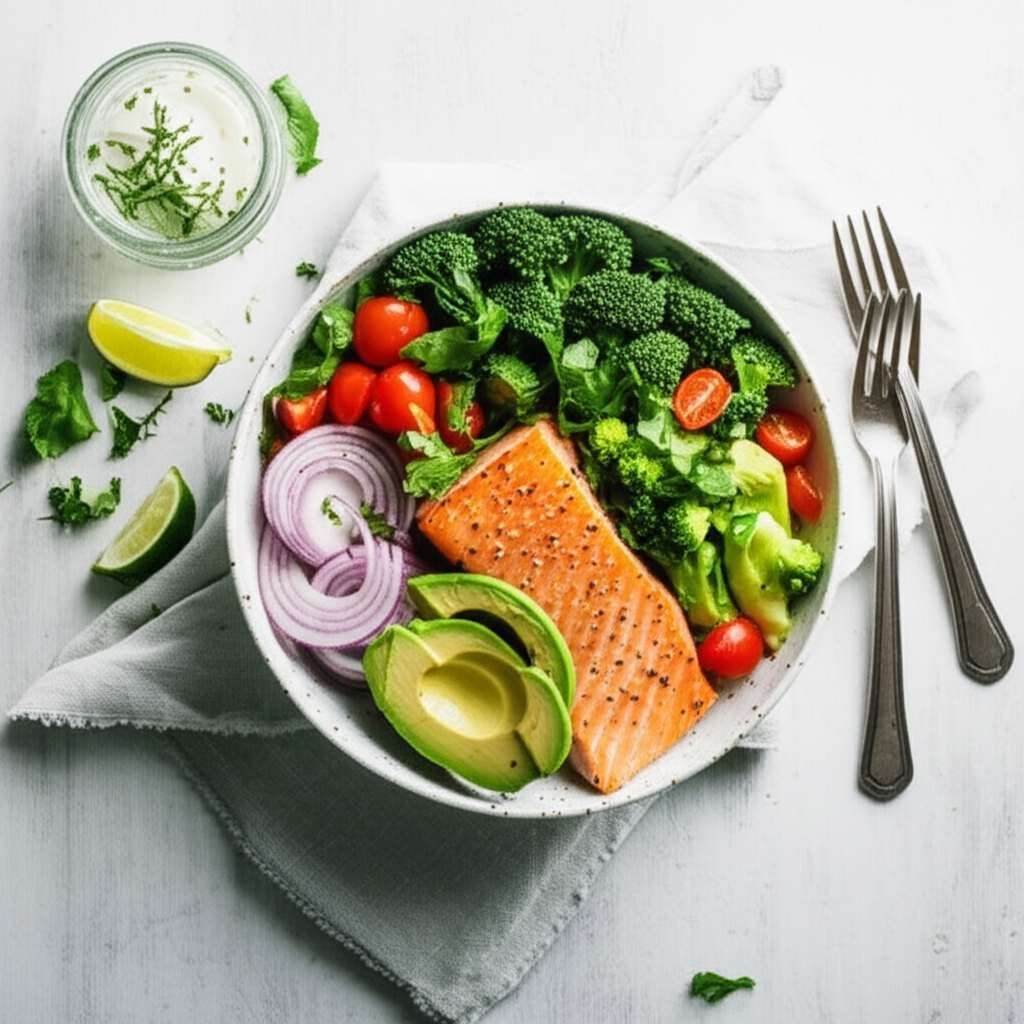
Quick Summary: Discover delicious, easy fat loss recipes for women designed for amazing results. Focus on nutrient-dense meals that boost metabolism and satiety, making sustainable weight loss enjoyable and effective with simple, budget-friendly options.
Feeling like losing weight is a confusing puzzle, especially for women? You’re not alone. Many of us struggle to find healthy foods that taste great and actually help us reach our goals.
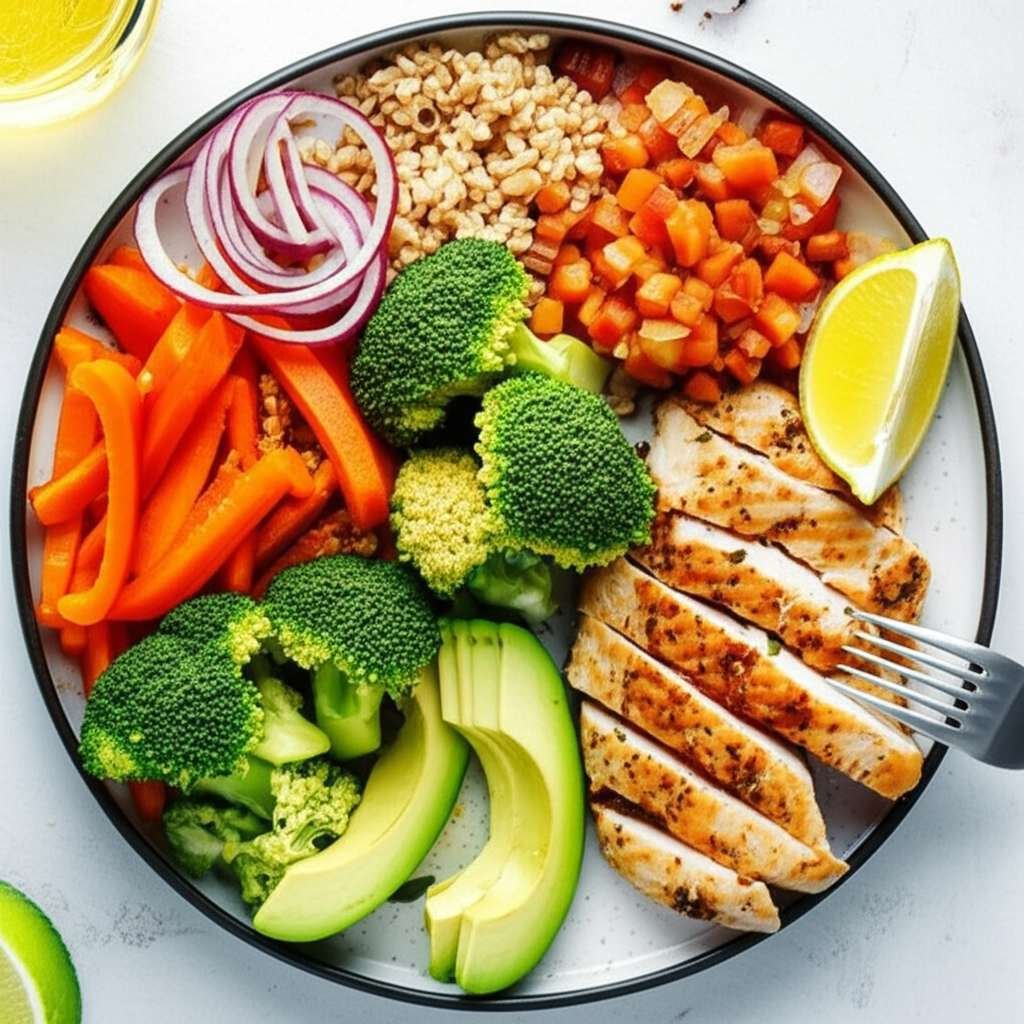
It can feel overwhelming with so much conflicting advice out there. But what if I told you it doesn’t have to be complicated? We can simplify this together.
This guide is here to break down fat loss recipes into easy, tasty meals. We’ll focus on foods that nourish your body and help you feel your best, making your journey smoother and more enjoyable.
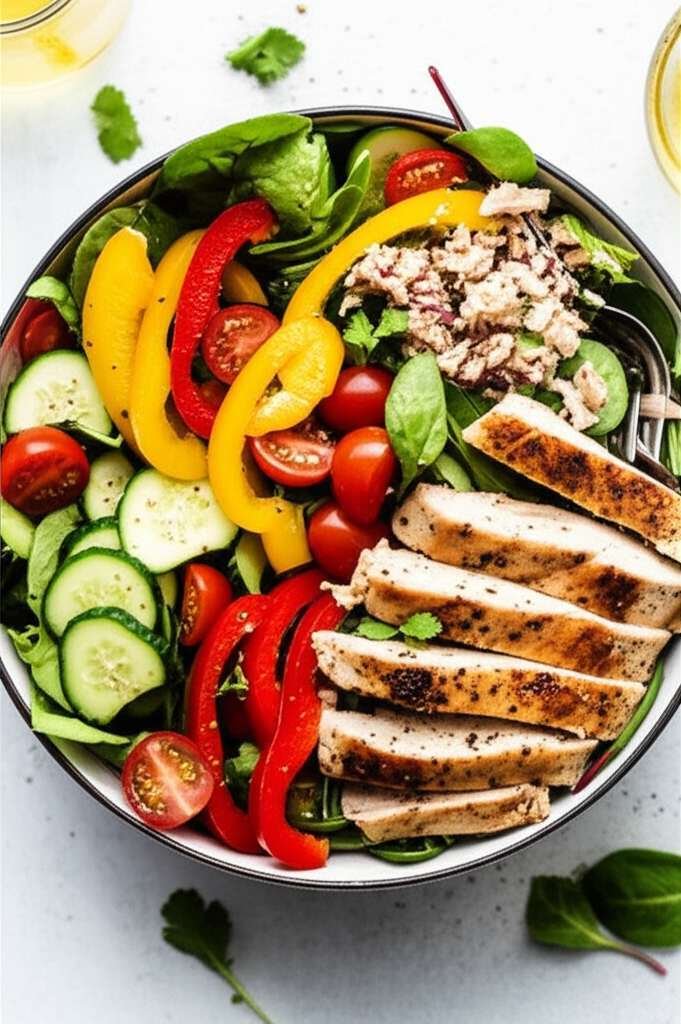
Get ready to explore simple, science-backed recipes that can lead to amazing results, all while keeping things practical and fun. Let’s dive in!
Understanding Fat Loss for Women: What Works
Losing body fat is a common goal for many women, but it’s often more complex than just eating less. Our bodies have unique hormonal balances and metabolic rates that can influence how we store and lose fat. Understanding these nuances is the first step to creating a sustainable plan.
It’s not about drastic diets or deprivation. Instead, it’s about making smart, consistent food choices that support your body’s natural processes. This means focusing on nutrient-dense foods that keep you feeling full and energized, rather than leaving you hungry and frustrated.
We’ll explore how to build meals that provide essential nutrients, support a healthy metabolism, and help you achieve those amazing fat loss results you’re looking for. It’s about working with your body, not against it.
The Science Behind Fat Loss: A Simple Guide
At its core, fat loss happens when you consistently burn more calories than you consume. This is called a calorie deficit. For women, this deficit needs to be achieved in a way that supports overall health and hormonal balance, not by drastically cutting calories, which can be counterproductive.
Focusing on the quality of your calories is just as important as the quantity. Foods rich in protein and fiber help you feel fuller for longer, reducing the urge to snack on less healthy options. They also require more energy to digest, giving your metabolism a little boost.
Think of it like fueling a car. You need the right kind of fuel, in the right amount, to make it run efficiently. For fat loss, this means prioritizing whole, unprocessed foods that provide sustained energy and essential nutrients. You can learn more about macronutrients and their role in weight management from the Harvard T.H. Chan School of Public Health.
Why “Dieting” Often Fails
Many traditional diets involve severe calorie restriction, eliminating entire food groups, or following rigid meal plans. While these might lead to quick initial weight loss, they are often unsustainable in the long run.
When you restrict too much, your body can go into “starvation mode,” slowing down your metabolism to conserve energy. This can make it harder to lose fat and easier to regain weight once you stop the diet. Plus, restrictive diets can lead to nutrient deficiencies and feelings of deprivation, making them difficult to stick to.
Instead of a temporary “diet,” we’re focusing on building healthy eating habits that you can maintain for life. This approach is more effective for long-term fat loss and overall well-being. It’s about creating a lifestyle change, not a quick fix.
Key Principles for Fat Loss Recipes for Women
To create recipes that truly work for fat loss in women, we need to focus on a few key principles. These aren’t complicated rules, but rather smart strategies that make your meals both effective and enjoyable.
Think of these as the building blocks for your healthy eating journey. By incorporating them into your cooking, you’ll be setting yourself up for success, feeling satisfied, and supporting your body’s natural fat-burning capabilities.
1. Prioritize Protein
Protein is a superstar for fat loss. It helps you feel full, which means you’re less likely to overeat. Plus, your body uses more calories to digest protein compared to fats or carbohydrates (this is called the thermic effect of food).
Including a good source of lean protein in every meal is a game-changer. This could be chicken breast, fish, lean beef, tofu, lentils, beans, or Greek yogurt. Aiming for about 20-30 grams of protein per meal can make a significant difference in satiety and metabolism.
2. Load Up on Fiber
Fiber is another key player in keeping you satisfied and aiding digestion. It adds bulk to your meals without adding many calories, helping you feel full longer. Fiber also plays a role in blood sugar regulation, preventing energy crashes that can lead to cravings.
Great sources of fiber include vegetables (especially non-starchy ones), fruits, whole grains, beans, and nuts. Aim to fill at least half your plate with colorful vegetables at every meal.
3. Choose Healthy Fats
Don’t fear fats! Healthy fats are crucial for hormone production, nutrient absorption, and keeping you feeling satisfied. The key is to choose the right kinds of fats.
Opt for monounsaturated and polyunsaturated fats found in avocados, nuts, seeds, olive oil, and fatty fish like salmon. These fats are beneficial for heart health and can help manage inflammation, which is important for overall well-being during fat loss.
4. Control Carbohydrate Quality
Carbohydrates provide energy, but the type matters. Focus on complex carbohydrates that are rich in fiber, like whole grains (quinoa, brown rice, oats), sweet potatoes, and legumes. These release energy slowly, providing sustained fuel and preventing blood sugar spikes.
Limit refined carbohydrates like white bread, sugary cereals, and pastries, as they can lead to quick energy bursts followed by crashes, often triggering cravings and hindering fat loss efforts. Portion control is also important for all carbohydrate sources.
5. Stay Hydrated
Drinking enough water is essential for metabolism and can help you feel full. Sometimes, thirst can be mistaken for hunger. Aim for at least 8 glasses (64 ounces) of water per day, and more if you are exercising or in a warm climate.
Water also helps your body function optimally, aiding in digestion and nutrient transport. Keep a water bottle with you throughout the day as a constant reminder to sip.
Beginner-Friendly Fat Loss Recipes for Women
These recipes are designed with simplicity, affordability, and deliciousness in mind. They focus on the principles we just discussed, making them perfect for anyone starting their fat loss journey. Each recipe is packed with nutrients to keep you full and energized.
We’ll break them down by meal type, so you can easily plan your day. Remember, the goal is to make healthy eating a delicious habit, not a chore!
Breakfast: Quick & Energizing Starts
Mornings can be hectic, so these breakfast options are designed to be quick to prepare or made ahead of time. They’ll set you up for a productive day and keep those mid-morning cravings at bay.
1. Overnight Oats with Berries and Seeds
This is a fantastic make-ahead option. You prepare it the night before, and it’s ready to grab and go in the morning.
Ingredients:
- 1/2 cup rolled oats
- 1 cup unsweetened almond milk (or milk of choice)
- 1 tablespoon chia seeds
- 1/2 scoop protein powder (optional, for an extra protein boost)
- 1/2 cup mixed berries (fresh or frozen)
- 1 tablespoon chopped nuts or seeds (like almonds, walnuts, or pumpkin seeds)
Instructions:
- In a jar or container, combine rolled oats, almond milk, chia seeds, and protein powder (if using).
- Stir well to ensure everything is mixed.
- Cover and refrigerate overnight (or for at least 4 hours).
- In the morning, top with mixed berries and nuts/seeds before serving.
Why it works: Oats provide complex carbs and fiber for sustained energy. Chia seeds add fiber and omega-3s. Berries offer antioxidants and vitamins. Nuts and seeds provide healthy fats and protein.
2. Scrambled Eggs with Spinach and Whole-Wheat Toast
A classic for a reason! This breakfast is packed with protein and nutrients to keep you full and satisfied.
Ingredients:
- 2 large eggs
- 1 cup fresh spinach
- 1 slice whole-wheat toast
- 1 teaspoon olive oil or cooking spray
- Salt and pepper to taste
Instructions:
- Heat olive oil or spray a non-stick pan over medium heat.
- Add spinach and sauté until wilted, about 1-2 minutes.
- In a separate bowl, whisk eggs with salt and pepper.
- Pour eggs over spinach in the pan.
- Scramble gently until cooked through.
- Serve immediately with a slice of whole-wheat toast.
Why it works: Eggs are a complete protein source. Spinach adds vitamins, minerals, and fiber with very few calories. Whole-wheat toast provides complex carbohydrates for energy.
Lunch: Satisfying & Portable Meals
Lunch is often eaten on the go or at work, so these recipes are designed to be easy to pack and keep you energized through the afternoon without a slump.
1. Quinoa Salad with Black Beans and Avocado
This vibrant salad is a nutritional powerhouse. It’s packed with protein, fiber, and healthy fats to keep you feeling full and satisfied.
Ingredients:
- 1 cup cooked quinoa
- 1/2 cup black beans, rinsed and drained
- 1/4 cup corn (fresh, frozen, or canned)
- 1/4 cup diced red onion
- 1/4 cup diced bell pepper (any color)
- 1/4 avocado, diced
- For the dressing: 2 tbsp lime juice, 1 tbsp olive oil, salt, pepper, pinch of cumin
Instructions:
- In a medium bowl, combine cooked quinoa, black beans, corn, red onion, and bell pepper.
- In a small bowl, whisk together lime juice, olive oil, salt, pepper, and cumin for the dressing.
- Pour dressing over the salad and toss gently to combine.
- Gently fold in the diced avocado just before serving to prevent it from becoming mushy.
Why it works: Quinoa is a complete protein and fiber source. Black beans add more protein and fiber. Avocado provides healthy monounsaturated fats. This salad is balanced and very filling.
2. Tuna Salad Lettuce Wraps (Mayo-Free)
A lighter, healthier take on tuna salad that skips the heavy mayonnaise. It’s refreshing and packed with protein.
Ingredients:
- 1 can (5 oz) tuna, drained
- 1/4 cup plain Greek yogurt
- 1 tablespoon finely chopped celery
- 1 tablespoon finely chopped red onion
- 1 teaspoon Dijon mustard
- Salt and pepper to taste
- Large lettuce leaves (like romaine or butter lettuce) for serving
Instructions:
- In a bowl, flake the drained tuna with a fork.
- Add Greek yogurt, celery, red onion, Dijon mustard, salt, and pepper.
- Mix well until combined.
- Spoon the tuna salad mixture into large lettuce leaves.
- Serve immediately.
Why it works: Tuna is an excellent source of lean protein. Greek yogurt replaces mayonnaise for a creamy texture with added protein and fewer calories. Lettuce wraps are a low-carb, refreshing alternative to bread.
Dinner: Nutrient-Dense & Flavorful Meals
Dinner is a great opportunity to pack in nutrients and enjoy a satisfying meal that aids recovery and satiety overnight. These recipes are simple enough for weeknights but flavorful enough for guests.
1. Baked Salmon with Roasted Broccoli and Sweet Potato
This is a classic, well-balanced meal that’s easy to prepare and packed with nutrients. Salmon is rich in omega-3 fatty acids, which are great for overall health and can help reduce inflammation.
Ingredients:
- 1 salmon fillet (about 4-6 oz)
- 1 cup broccoli florets
- 1/2 medium sweet potato, cubed
- 1 tablespoon olive oil
- Lemon slices, herbs (like dill or parsley), salt, and pepper to taste
Instructions:
- Preheat your oven to 400°F (200°C).
- Toss broccoli florets and sweet potato cubes with 1/2 tablespoon of olive oil, salt, and pepper on a baking sheet. Spread them in a single layer.
- Roast for 15-20 minutes, or until tender and slightly browned.
- While vegetables are roasting, pat the salmon fillet dry. Drizzle with the remaining 1/2 tablespoon of olive oil, season with salt and pepper, and top with lemon slices and herbs.
- Place the salmon fillet on the same baking sheet with the vegetables during the last 10-12 minutes of roasting, or until cooked through and flaky.
Why it works: Salmon provides high-quality protein and healthy omega-3 fats. Broccoli is a fiber-rich vegetable packed with vitamins. Sweet potatoes offer complex carbohydrates and beta-carotene.
2. Lentil Shepherd’s Pie with Cauliflower Mash Topping
A hearty, plant-based take on a comfort food classic. Lentils are a fantastic source of protein and fiber, making this dish incredibly filling and nutritious.
Ingredients:
- For the filling: 1 cup brown or green lentils, 1 onion chopped, 2 carrots chopped, 2 celery stalks chopped, 2 cloves garlic minced, 4 cups vegetable broth, 1 tbsp tomato paste, 1 tsp dried thyme, salt, pepper
- For the topping: 1 head cauliflower, steamed until tender, 1 tbsp unsweetened almond milk, salt, pepper
Instructions:
- Rinse lentils thoroughly.
- In a large pot or Dutch oven, sauté onion, carrots, and celery in a little oil until softened (about 5-7 minutes). Add minced garlic and cook for 1 minute more until fragrant.
- Stir in the rinsed lentils, vegetable broth, tomato paste, and thyme. Bring to a boil, then reduce heat, cover, and simmer for 30-40 minutes, or until lentils are tender and most of the liquid has been absorbed. Season with salt and pepper.
- While the lentils are simmering, steam the cauliflower until very tender. Drain well.
- Mash the steamed cauliflower with almond milk, salt, and pepper until smooth and creamy.
- Pour the lentil filling into an oven-safe dish. Spread the cauliflower mash evenly over the top.
- Bake in a preheated oven at 375°F (190°C) for 20-25 minutes, or until the topping is lightly golden and the filling is bubbly.
Why it works: Lentils are a fantastic source of plant-based protein and fiber, keeping you full. Vegetables add vitamins and minerals. Cauliflower mash is a lower-carb, nutrient-dense alternative to mashed potatoes.
Snacks: Smart Choices to Bridge Meals
Snacking can be a helpful part of a fat loss plan if you choose the right options. Smart snacks can prevent overeating at meals and keep your energy levels stable. Focus on snacks that combine protein, fiber, or healthy fats.
1. Apple Slices with Almond Butter
Simple, classic, and satisfying. The fiber in the apple and the protein/fat in the almond butter create a balanced snack.
Ingredients: 1 medium apple, 2 tablespoons almond butter.
Instructions: Slice apple and serve with almond butter for dipping.
Why it works: Fiber from apple, protein and healthy fats from almond butter.
2. Greek Yogurt with a Handful of Berries
High in protein and antioxidants. Opt for plain Greek yogurt to avoid added sugars.
Ingredients: 1 cup plain Greek yogurt, 1/2 cup berries.
Instructions: Combine yogurt and berries. Add a sprinkle of nuts or seeds if desired.
Why it works: Protein from yogurt, fiber and antioxidants from berries.
3. Hard-Boiled Eggs
A portable, protein-packed snack that’s easy to make ahead. Two hard-boiled eggs can keep you full for hours.
Ingredients: 2 large eggs.
Instructions: Boil eggs to your preference and store in the refrigerator. Enjoy as is.
Why it works: Excellent source of lean protein.
Tips for Success with Fat Loss Recipes
Having great recipes is only part of the equation. To truly achieve amazing results, consider these practical tips:
- Meal Prep: Dedicate a few hours each week to chop veggies, cook grains, and prepare components of your meals. This saves time during busy weekdays and reduces the temptation to grab unhealthy convenience foods.
- Portion Control: Even healthy foods have calories. Be mindful of portion sizes, especially with calorie-dense foods like nuts, seeds, and healthy oils. Using smaller plates can also help create the illusion of a larger portion.
- Listen to Your Body: Pay attention to your hunger and fullness cues. Eat when you’re hungry and stop when you’re comfortably full, not stuffed.
- Stay Consistent, Not Perfect: It’s okay to have off days. The key is to get back on track with your next meal or snack. Consistency over perfection is what leads to long-term success.
- Hydration is Key: Keep a water bottle handy and sip throughout the day. Sometimes, what feels like hunger is actually thirst.
- Get Enough Sleep: Lack of sleep can disrupt hormones that regulate appetite, leading to increased cravings for unhealthy foods. Aim for 7-9 hours of quality sleep per night.
- Manage Stress: High stress levels can also impact hormones and lead to weight gain. Find healthy ways to manage stress, such as exercise, meditation, or hobbies.
Nutrition Breakdown: Understanding Your Meals
To help you visualize the impact of these recipes, let’s look at a sample meal and its nutritional benefits. Understanding the macronutrients (protein, carbohydrates, fats) and micronutrients (vitamins, minerals) can empower you to make informed choices.
Consider the Baked Salmon with Roasted Broccoli and Sweet Potato. Here’s a general breakdown for one serving (approximate values):
| Nutrient | Approximate Amount | Why it Matters for Fat Loss |
|---|---|---|
| Calories | 400-500 kcal | Provides energy without being excessive, supporting a calorie deficit. |
| Protein | 30-35g | Essential for muscle maintenance, satiety, and metabolism. |
| Carbohydrates | 30-40g | Primarily from complex sources (sweet potato), providing sustained energy and fiber. |
| Fiber | 8-10g | Aids digestion, promotes fullness, and helps regulate blood sugar. |
| Healthy Fats | 15-20g | Primarily omega-3s from salmon and monounsaturated fats from olive oil, crucial for hormone function and satiety. |
| Vitamins & Minerals | Rich source (e.g., Vitamin A from sweet potato, Vitamin C from broccoli, Omega-3s from salmon) | Support overall health, energy production, and metabolic processes. |
This type of balanced meal ensures you’re getting a good mix of macronutrients to support your fat loss goals, keeping you satisfied and energized. For more detailed nutritional information on specific ingredients, resources like the USDA FoodData Central database can be very helpful.
Frequently Asked Questions (FAQ) about Fat Loss Recipes for Women
Q1: Are these recipes suitable for busy students or young adults?
Yes, absolutely! Many of these recipes are designed for quick preparation, can be made in batches for meal prep, or require minimal cooking time, making them ideal for busy schedules.
Q2: I’m on a tight budget. Are these recipes affordable?
We’ve focused on using common, relatively inexpensive ingredients like oats, lentils, beans, eggs, and seasonal vegetables. Buying in bulk for staples like oats and lentils can also help save money.
Q3: What if I don’t like certain ingredients?
Most recipes offer easy substitutions. For example, you can swap chicken for fish, or use different types of vegetables based on your preference and what’s available. The key is to maintain the balance of protein, fiber, and healthy fats.
Q4: How quickly can I expect to see results from these recipes?
Fat loss is a journey, and results vary from person to person. Consistent use of these healthy recipes, combined with regular physical activity and healthy lifestyle habits, can lead to noticeable and sustainable results over weeks and months.
Q5: Do I need special kitchen equipment for these recipes?
No, these recipes primarily use standard kitchen equipment like pots, pans, baking sheets, and basic utensils. A blender or food processor might be helpful for the cauliflower mash, but it’s not strictly necessary.
Q6: Can I freeze these meals for later?
Many of these meals, like the lentil shepherd’s pie or cooked quinoa, freeze very well. It’s a great way to save time and have healthy meals ready to go. Salads with fresh avocado are best assembled just before eating.
Conclusion
Embarking on a fat loss journey doesn’t have to mean bland food or complicated meal plans. By focusing on nutrient-dense, whole foods, you can create delicious recipes that support your goals and keep you feeling satisfied and energized.
These fat loss recipes for women are designed to be simple, affordable, and most importantly, enjoyable. They prioritize protein, fiber, and healthy fats to fuel your body effectively, helping you achieve amazing results without feeling deprived.
Remember to listen to your body, stay consistent, and celebrate your progress. With these practical and tasty meals as your guide, you’re well on your way to a healthier, happier you. Keep cooking, keep nourishing your body, and enjoy the delicious journey to reaching your goals!
As an Amazon Associate, We earn from qualifying purchases. When you purchase a product through Amazon links on pulsefitguide.com, we may earn a small commission at no extra cost to you. This helps support the site and keep our content free.
