



Quick Summary:
Fat loss recipes for dinner focus on nutrient-dense, lower-calorie meals that keep you full and satisfied. These easy-to-make dishes prioritize lean protein, healthy fats, and fiber-rich vegetables to support your weight loss goals without sacrificing flavor or enjoyment.
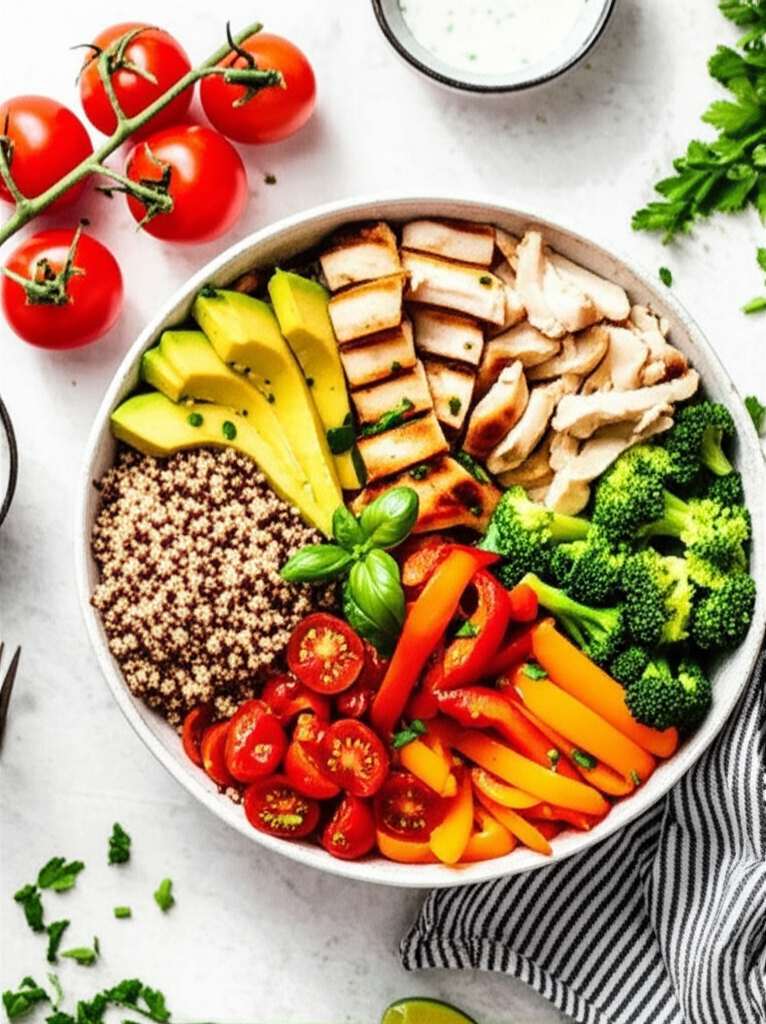
Dinner can feel like a tricky meal when you’re trying to lose weight. You might be tired after a long day, and the thought of cooking something complicated can be overwhelming.
Many people find that dinner is when they tend to overeat or choose less healthy options. This can be frustrating when you’re working hard to see results.
But what if dinner could actually be a powerful tool in your fat loss journey? With the right approach, it absolutely can be. We’ll explore simple, delicious recipes that help you feel great and move closer to your goals.
Get ready to discover how easy and enjoyable healthy dinners can be!
Understanding Dinner’s Role in Fat Loss
When we talk about fat loss, it’s all about creating a calorie deficit. This means you’re burning more calories than you consume. Dinner plays a significant role because it’s often the largest meal of the day.
Choosing the right foods for dinner can help you feel satisfied and prevent overeating later in the evening. It’s not about deprivation; it’s about smart choices that fuel your body and support your metabolism.
Think of dinner as an opportunity to pack in essential nutrients that help with muscle repair and overall health, both crucial for sustainable fat loss.
Why Dinner Matters Most for Some
For many, the end of the day brings cravings and a desire for comfort food. This is completely normal! Our bodies naturally want to refuel after a day’s work.
However, if that refueling involves high-calorie, low-nutrient foods, it can easily undo the progress made earlier in the day. This is where strategic dinner choices come in.
By making dinner a healthy, balanced meal, you can effectively manage your overall calorie intake and reduce the chances of late-night snacking.
The Science Behind Fat-Burning Dinners
Fat-burning dinners aren’t magical, but they are based on solid nutritional principles. The key is to focus on macronutrients that promote satiety and boost your metabolism.
This means prioritizing lean protein, healthy fats, and complex carbohydrates, especially those rich in fiber. These components work together to keep you feeling full for longer and support your body’s natural fat-burning processes.
Understanding these basics can make choosing dinner recipes much simpler and more effective.
Lean Protein: Your Satiety Superstar
Protein is incredibly important for fat loss. It takes more energy for your body to digest protein compared to carbs or fats, a process known as the thermic effect of food. This means you burn more calories simply by eating protein!
More importantly, protein helps you feel full and satisfied, which can significantly reduce your overall calorie intake. It also plays a vital role in building and maintaining muscle mass, which is essential for a healthy metabolism.
Good sources of lean protein for dinner include chicken breast, turkey, fish, lean beef, tofu, beans, and lentils.
Healthy Fats: More Than Just Flavor
Don’t shy away from healthy fats! They are crucial for hormone production and nutrient absorption. Fats also contribute to feeling satisfied after a meal.
When included in moderation, healthy fats can help slow down digestion, keeping you feeling fuller for longer and preventing energy crashes.
Think avocados, olive oil, nuts, and seeds. These add delicious flavor and beneficial nutrients to your dinner.
Fiber-Rich Vegetables: Volume Without the Calories
Vegetables are your best friend when it comes to fat loss. They are packed with vitamins, minerals, and fiber, but are very low in calories. Fiber adds bulk to your meals, helping you feel full without consuming excess calories.
Plus, the complex carbohydrates in vegetables provide sustained energy. Aim to fill at least half of your dinner plate with non-starchy vegetables.
Great options include broccoli, spinach, kale, bell peppers, zucchini, cauliflower, and asparagus.
Simple & Delicious Fat Loss Dinner Recipes
Here are some easy-to-follow recipes designed to be both healthy and delicious. They focus on the principles of lean protein, healthy fats, and plenty of vegetables.
Recipe 1: Lemon Herb Baked Salmon with Roasted Asparagus
This recipe is packed with omega-3 fatty acids from the salmon, which are great for heart health and can help reduce inflammation. Asparagus provides fiber and essential vitamins.
Ingredients:
- 1 salmon fillet (about 4-6 oz)
- 1 tablespoon olive oil
- 1 lemon, sliced
- 1 teaspoon dried herbs (like dill, parsley, or thyme)
- Salt and pepper to taste
- 1 bunch asparagus, trimmed
Instructions:
- Preheat your oven to 400°F (200°C).
- Place the salmon fillet on a baking sheet lined with parchment paper.
- Drizzle the salmon with olive oil, sprinkle with dried herbs, salt, and pepper. Place lemon slices on top of the salmon.
- Toss the asparagus with a little olive oil, salt, and pepper, and arrange it around the salmon on the baking sheet.
- Bake for 12-15 minutes, or until the salmon is cooked through and flakes easily with a fork, and the asparagus is tender-crisp.
Recipe 2: Quick Chicken Stir-Fry with Mixed Vegetables
Stir-fries are fantastic for using up whatever veggies you have on hand. This version is light, flavorful, and loaded with lean protein and fiber.
Ingredients:
- 1 boneless, skinless chicken breast, cut into bite-sized pieces
- 1 tablespoon soy sauce (or tamari for gluten-free)
- 1 teaspoon cornstarch (optional, for thickening sauce)
- 1 tablespoon sesame oil
- 2 cups mixed stir-fry vegetables (e.g., broccoli florets, sliced bell peppers, snap peas, carrots, mushrooms)
- 1 clove garlic, minced
- 1 teaspoon grated fresh ginger
- Brown rice or quinoa for serving (optional, in moderation)
Instructions:
- In a small bowl, toss the chicken pieces with soy sauce and cornstarch (if using).
- Heat the sesame oil in a large skillet or wok over medium-high heat.
- Add the chicken and stir-fry until it’s cooked through and lightly browned. Remove chicken from the skillet and set aside.
- Add the mixed vegetables, garlic, and ginger to the skillet. Stir-fry for 5-7 minutes, until the vegetables are tender-crisp.
- Return the chicken to the skillet and toss everything together. Cook for another minute until heated through.
- Serve as is, or over a small portion of brown rice or quinoa.
Recipe 3: Lentil Shepherd’s Pie (Vegetarian/Vegan Option)
This hearty and comforting dish is a great plant-based option. Lentils provide fiber and protein, while the mashed cauliflower topping keeps it lower in carbs than traditional potato.
Ingredients:
- 1 cup brown or green lentils, rinsed
- 3 cups vegetable broth
- 1 tablespoon olive oil
- 1 onion, chopped
- 2 carrots, diced
- 2 celery stalks, diced
- 1 cup mushrooms, sliced
- 1 teaspoon dried thyme
- Salt and pepper to taste
- For the Topping:
- 1 head cauliflower, cut into florets
- 1-2 tablespoons unsweetened almond milk (or milk of choice)
- Salt and pepper to taste
Instructions:
- In a saucepan, combine the rinsed lentils and vegetable broth. Bring to a boil, then reduce heat, cover, and simmer for 25-30 minutes, or until lentils are tender. Drain any excess liquid.
- While lentils are cooking, steam or boil the cauliflower florets until very tender. Drain well.
- In a large oven-safe skillet or baking dish, heat olive oil over medium heat. Add onion, carrots, and celery. Cook until softened, about 5-7 minutes.
- Add mushrooms and thyme, and cook for another 3-5 minutes.
- Stir in the cooked lentils, salt, and pepper. Mix well. This is your filling.
- Mash the cooked cauliflower with almond milk, salt, and pepper until smooth and creamy.
- Spoon the cauliflower mash over the lentil filling, spreading it evenly.
- Bake in a preheated oven at 375°F (190°C) for 20-25 minutes, or until the topping is lightly golden and the filling is bubbly.
Recipe 4: Turkey and Black Bean Chili
Chili is a fantastic make-ahead meal that’s perfect for busy weeknights. It’s packed with protein and fiber from the turkey and beans, keeping you full and satisfied.
Ingredients:
- 1 pound lean ground turkey
- 1 tablespoon olive oil
- 1 onion, chopped
- 2 cloves garlic, minced
- 1 green bell pepper, chopped
- 1 (15 oz) can black beans, rinsed and drained
- 1 (15 oz) can diced tomatoes, undrained
- 1 (8 oz) can tomato sauce
- 1 tablespoon chili powder
- 1 teaspoon cumin
- 1/2 teaspoon oregano
- Salt and pepper to taste
- Optional toppings: a dollop of plain Greek yogurt, a sprinkle of chopped cilantro, or a small amount of avocado.
Instructions:
- Heat olive oil in a large pot or Dutch oven over medium heat. Add ground turkey and cook, breaking it up with a spoon, until browned. Drain off any excess fat.
- Add chopped onion, garlic, and bell pepper to the pot. Cook until vegetables are softened, about 5-7 minutes.
- Stir in the rinsed black beans, diced tomatoes, tomato sauce, chili powder, cumin, and oregano. Season with salt and pepper.
- Bring the chili to a simmer, then reduce heat to low, cover, and cook for at least 20-30 minutes, allowing the flavors to meld. For best flavor, let it simmer for an hour or longer.
- Serve hot, with your favorite healthy toppings if desired.
Tips for Success with Fat Loss Dinner Recipes
Making these recipes work for your fat loss goals involves more than just the ingredients. Here are some practical tips to help you succeed:
Portion Control is Key
Even healthy foods have calories. Pay attention to serving sizes, especially for calorie-dense ingredients like oils, nuts, and seeds. Using smaller plates can also help trick your brain into thinking you’re eating more.
A good visual guide is to fill half your plate with non-starchy vegetables, a quarter with lean protein, and a quarter with complex carbohydrates (like quinoa or a small sweet potato).
Meal Prep Makes Life Easier
Spending a little time on the weekend to prepare ingredients can save you a lot of time and stress during the week. Wash and chop vegetables, cook grains, or even make a big batch of chili or soup.
Having healthy options ready to go means you’re less likely to grab something unhealthy when you’re tired and hungry.
Stay Hydrated
Sometimes, thirst can be mistaken for hunger. Make sure you’re drinking enough water throughout the day, and consider having a glass of water before your dinner meal. This can help you feel fuller.
According to the Centers for Disease Control and Prevention (CDC), staying hydrated is a simple yet effective strategy for weight management.
Listen to Your Body
Pay attention to how different foods make you feel. Do you feel energized and satisfied after a meal, or sluggish and bloated? This feedback is invaluable in understanding what works best for your body.
Don’t be afraid to adjust recipes to your preferences and dietary needs. The goal is to find sustainable eating habits that you enjoy.
Understanding Macronutrient Ratios for Dinner
While focusing on whole foods is important, understanding the general balance of your meal can be helpful. For fat loss dinners, a common guideline is to emphasize protein and fiber, with moderate healthy fats and controlled complex carbohydrates.
Here’s a general idea of how you might structure your dinner plate:
| Macronutrient | Approximate Percentage of Dinner | Why It’s Important for Fat Loss |
|---|---|---|
| Lean Protein | 30-40% | Promotes satiety, preserves muscle mass, higher thermic effect. |
| Non-Starchy Vegetables (Fiber) | 40-50% | Adds volume, provides essential nutrients, low in calories, aids digestion. |
| Healthy Fats | 10-20% | Supports hormone function, increases satiety, helps absorb fat-soluble vitamins. |
| Complex Carbohydrates (e.g., small portion of whole grains, starchy vegetables) | 10-20% | Provides sustained energy, but portion control is key for calorie management. |
Remember, these are guidelines, not strict rules. The most important thing is to create meals that are balanced, satisfying, and align with your overall calorie goals. For personalized advice, consulting a registered dietitian or nutritionist is recommended.
Common Questions About Fat Loss Dinners
Let’s tackle some common questions beginners might have about dinner and fat loss.
Q1: Can I eat carbs at dinner if I’m trying to lose weight?
Absolutely! The key is to choose complex carbohydrates like whole grains (quinoa, brown rice in moderation), sweet potatoes, or plenty of vegetables. These provide fiber and sustained energy, unlike refined carbs. Portion control is also crucial.
Q2: Is it okay to have a heavier dinner if I ate very little earlier in the day?
It’s more important to focus on your total daily calorie intake. While balancing meals is good, if you’re consistently feeling overly hungry at dinner, it might indicate you need to distribute your calories more evenly throughout the day. However, a satisfying, nutrient-dense dinner is vital for preventing late-night cravings.
Q3: What if I’m not a big cook? Are there quick options?
Yes! Rotisserie chicken with a pre-made salad, canned tuna or salmon mixed with Greek yogurt and veggies, or simple omelets with lots of vegetables are great quick options. Many of the recipes above can be simplified with pre-chopped veggies or pre-cooked grains.
Q4: Should I avoid all fats at dinner?
No! Healthy fats are essential. They help you feel full and are vital for your body’s functions. Focus on sources like olive oil, avocados, nuts, and seeds in moderation. Avoid trans fats and limit saturated fats found in processed foods and fatty meats.
Q5: How much protein should I aim for at dinner?
Aim for a good portion of lean protein, roughly the size of your palm or about 4-6 ounces for most adults. This helps with satiety and muscle maintenance. Examples include chicken breast, fish, lean turkey, tofu, or beans.
Q6: What if I get hungry after dinner?
First, ensure your dinner was balanced and filling. If you’re still hungry, choose a small, healthy snack like a piece of fruit, a small handful of nuts, or some plain Greek yogurt. Also, ensure you’re drinking enough water, as thirst can sometimes mimic hunger.
Making Healthy Dinners a Sustainable Habit
The most effective fat loss strategies are those you can stick with long-term. This means finding recipes and meal structures that you genuinely enjoy and that fit into your lifestyle.
Don’t strive for perfection; aim for consistency. Some nights will be easier than others, and that’s perfectly okay. Celebrate your successes, learn from any slip-ups, and keep moving forward.
By incorporating these delicious and nutrient-rich fat loss recipes for dinner, you’re not just eating for weight loss; you’re building a foundation for a healthier, more energetic you.
Remember, this is a journey, and every healthy meal is a step in the right direction. You’ve got this!
As an Amazon Associate, We earn from qualifying purchases. When you purchase a product through Amazon links on pulsefitguide.com, we may earn a small commission at no extra cost to you. This helps support the site and keep our content free.
