



To lose fat and achieve amazing results, focus on creating a calorie deficit through a balanced diet and consistent exercise, prioritizing whole foods, hydration, and mindful movement. This guide provides a simple, step-by-step approach for beginners.
Feeling confused about losing fat? You’re not alone. Many people find the world of weight loss overwhelming with conflicting advice.
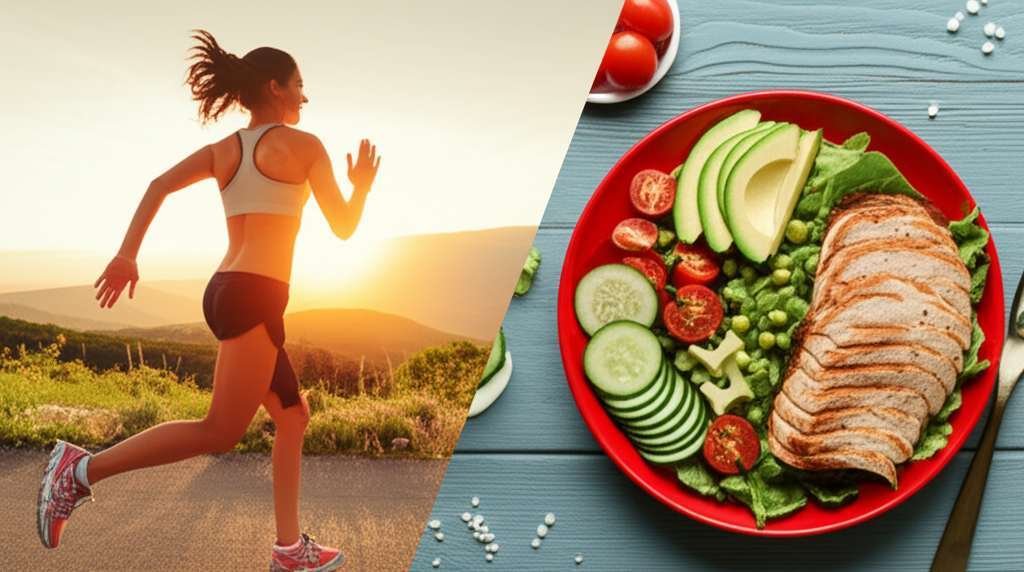
It can feel like a puzzle with missing pieces, leaving you frustrated and unsure where to start. But what if I told you it doesn’t have to be complicated?
I’m Jordan, and my goal is to break down the science of fat loss into easy-to-understand steps. We’ll explore practical, affordable, and effective strategies that work.
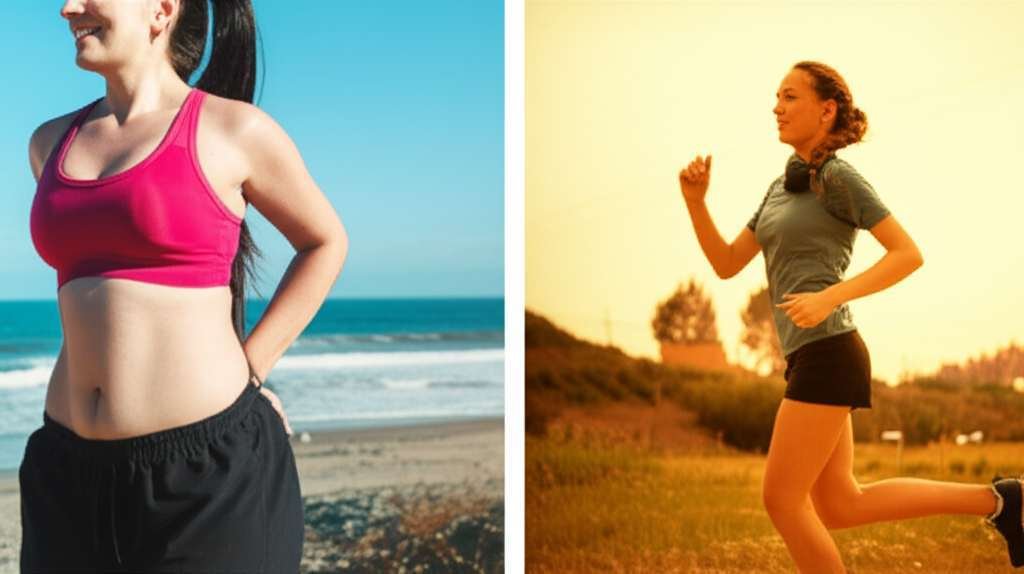
Get ready to learn how to achieve amazing results with simple, sustainable habits that fit into your life. Let’s dive into how to truly lose fat, step-by-step.
Understanding How to Lose Fat: The Basics
Losing fat is about creating a calorie deficit. This means you need to burn more calories than you consume. It sounds simple, but how you achieve this deficit makes all the difference.
Your body uses calories for everything it does, from breathing and thinking to exercising and digesting food. When you eat fewer calories than your body needs, it starts to use stored fat for energy.
This process is fundamental to fat loss. It’s not about starving yourself or following extreme diets; it’s about making smart, consistent choices.
We’ll cover the key pillars: nutrition, exercise, and lifestyle habits. Each plays a vital role in helping you achieve sustainable and amazing fat loss results.
Step 1: Master Your Nutrition for Fat Loss
Nutrition is often the most significant factor when it comes to losing fat. What you eat directly impacts your calorie intake and how your body functions.
The goal isn’t just to eat less, but to eat smarter. This means choosing foods that are nutrient-dense and satisfying, helping you feel full and energized.
Focus on Whole, Unprocessed Foods
Whole foods are foods that are as close to their natural state as possible. Think fruits, vegetables, lean proteins, and whole grains.
These foods are packed with vitamins, minerals, and fiber, which are crucial for overall health and can help you feel fuller for longer. This makes sticking to a calorie deficit much easier.
- Fruits and Vegetables: Aim to fill half your plate with these. They are low in calories and high in fiber and nutrients.
- Lean Proteins: Chicken breast, fish, beans, lentils, tofu, and eggs are excellent choices. Protein helps you feel full and supports muscle growth.
- Whole Grains: Oats, brown rice, quinoa, and whole-wheat bread provide sustained energy and fiber.
- Healthy Fats: Avocados, nuts, seeds, and olive oil are important for hormone production and satiety.
Control Portion Sizes
Even healthy foods can contribute to weight gain if eaten in excessive amounts. Understanding and managing portion sizes is key to controlling your calorie intake.
Using smaller plates can trick your brain into thinking you’re eating more. Measuring your food, especially at the beginning, can also be very helpful.
Learning what a standard serving looks like is a skill that develops over time. For instance, a serving of meat is often about the size of a deck of cards.
Stay Hydrated with Water
Water is essential for life and plays a crucial role in metabolism and fat loss. Sometimes, thirst can be mistaken for hunger.
Drinking plenty of water throughout the day can help you feel fuller, boost your metabolism slightly, and aid in flushing out waste products from your body.
Aim for at least 8 glasses (about 2 liters) of water a day, more if you are exercising or in a hot climate. Unsweetened tea and black coffee can also contribute to your fluid intake.
Limit Sugary Drinks and Processed Snacks
These items often provide a lot of calories with very little nutritional value. They can also lead to energy spikes and crashes, making you crave more unhealthy foods.
Sugary drinks like soda, sweetened juices, and energy drinks are major contributors to excess calorie intake and can hinder fat loss efforts significantly.
Processed snacks, like chips, cookies, and pastries, are typically high in unhealthy fats, sugar, and salt, offering minimal satisfaction and maximum calories.
Consider replacing these with healthier alternatives: sparkling water with fruit for a sweet drink, or a piece of fruit or a small handful of nuts for a snack.
Step 2: Incorporate Effective Exercise for Fat Loss
Exercise is your partner in creating that calorie deficit and building a body that is strong and resilient. It’s not just about burning calories; it’s about transforming your metabolism.
Combining different types of exercise will give you the best results. This includes both cardiovascular exercise (cardio) and strength training.
Cardiovascular Exercise (Cardio)
Cardio exercises are great for burning calories during the workout and improving your heart health. Aim for a mix of moderate and vigorous intensity.
Examples include brisk walking, jogging, cycling, swimming, dancing, and using elliptical machines. The key is to find activities you enjoy to make them sustainable.
For beginners, start with 20-30 minutes of moderate-intensity cardio, 3-4 times per week. As you get fitter, you can gradually increase the duration, frequency, or intensity.
According to the American Heart Association, adults should aim for at least 150 minutes of moderate-intensity aerobic activity or 75 minutes of vigorous-intensity aerobic activity per week.
Strength Training for Fat Loss
Strength training is incredibly important for fat loss, even though it might not burn as many calories during the workout as cardio. It builds muscle mass.
Muscle is more metabolically active than fat, meaning it burns more calories at rest. The more muscle you have, the higher your resting metabolism will be, helping you burn more fat 24/7.
You don’t need fancy equipment to start. Bodyweight exercises like squats, lunges, push-ups, and planks are very effective.
Beginner-friendly strength training routine examples:
- Squats: Works your legs and glutes.
- Push-ups: Targets chest, shoulders, and triceps (can be done on knees).
- Lunges: Great for leg strength and balance.
- Plank: Excellent for core strength.
- Glute Bridges: Strengthens glutes and lower back.
Aim to do strength training 2-3 times per week, allowing at least one rest day between sessions for muscle recovery. Focus on proper form over lifting heavy weights.
Consistency is Key
The most effective exercise plan is one you can stick with long-term. Don’t try to do too much too soon, which can lead to burnout or injury.
Start small, celebrate your progress, and gradually increase the challenge. Consistency over time will yield amazing results.
Step 3: Lifestyle Habits for Sustainable Fat Loss
Beyond diet and exercise, certain lifestyle habits can significantly impact your ability to lose fat and maintain it. These habits support your body’s natural processes and enhance overall well-being.
Prioritize Sleep
Sleep is not a luxury; it’s a necessity for fat loss and health. Lack of sleep can disrupt hormones that control appetite, leading to increased hunger and cravings.
When you’re sleep-deprived, your body produces more cortisol (a stress hormone), which can promote fat storage, especially around the belly. It also affects your energy levels, making exercise feel harder.
Aim for 7-9 hours of quality sleep per night. Establish a regular sleep schedule, create a relaxing bedtime routine, and make your bedroom a conducive environment for sleep.
Manage Stress Effectively
Chronic stress can also lead to hormonal imbalances that promote fat storage and increase appetite. Finding healthy ways to manage stress is crucial.
This could involve meditation, deep breathing exercises, yoga, spending time in nature, listening to music, or engaging in hobbies you enjoy.
Identifying your stressors and developing coping mechanisms can make a huge difference in your fat loss journey and overall quality of life.
Be Mindful of Your Eating Habits
Mindful eating involves paying full attention to the experience of eating and drinking, as well as to the bodily sensations associated with it. This can help you recognize hunger and fullness cues better.
Try to eat without distractions like your phone or TV. Chew your food slowly and savor each bite. This can help you eat less and digest food more effectively.
Understanding your emotional triggers for eating can also be part of mindful eating. Are you eating because you’re truly hungry, or because you’re bored, stressed, or sad?
Putting It All Together: A Beginner’s Sample Plan
To help you visualize how these steps fit together, here’s a sample plan. Remember, this is a template, and you should adjust it based on your personal needs, preferences, and fitness level.
Sample Weekly Schedule
This plan balances nutrition, exercise, and rest.
| Day | Focus | Meal Ideas (Example) | Activity |
|---|---|---|---|
| Monday | Nutrition Focus & Light Activity | Breakfast: Oatmeal with berries; Lunch: Large salad with grilled chicken; Dinner: Baked salmon with steamed broccoli. | 30-minute brisk walk. |
| Tuesday | Strength Training | Breakfast: Scrambled eggs with spinach; Lunch: Lentil soup with whole-grain bread; Dinner: Lean ground turkey stir-fry with mixed vegetables. | Full-body bodyweight workout (squats, push-ups, plank). |
| Wednesday | Cardio & Recovery | Breakfast: Greek yogurt with nuts; Lunch: Tuna salad (light mayo) on whole-wheat crackers; Dinner: Chicken breast with quinoa and roasted vegetables. | 30-40 minute cycling or swimming. |
| Thursday | Strength Training | Breakfast: Smoothie (spinach, banana, protein powder); Lunch: Leftovers from dinner; Dinner: Baked cod with sweet potato and green beans. | Full-body bodyweight workout (lunges, glute bridges, push-ups). |
| Friday | Active Recovery/Light Cardio | Breakfast: Whole-wheat toast with avocado; Lunch: Large salad with chickpeas; Dinner: Homemade lean beef chili. | 30-minute yoga session or a leisurely walk. |
| Saturday | Cardio & Fun | Breakfast: Pancakes (whole wheat) with fruit; Lunch: Turkey and veggie wrap; Dinner: Grilled chicken skewers with a large side salad. | 45-minute hike or dance class. |
| Sunday | Rest & Meal Prep | Focus on enjoying balanced meals. Prepare some meals or snacks for the week ahead. | Rest day or very light stretching. |
Sample Daily Meal Structure
This structure ensures you get balanced nutrition throughout the day.
- Breakfast: Focus on protein and fiber to start your day right (e.g., eggs, oatmeal, Greek yogurt).
- Lunch: Include lean protein, complex carbohydrates, and plenty of vegetables (e.g., salad with chicken, lentil soup, turkey wrap).
- Dinner: Similar to lunch, emphasizing lean protein and vegetables, with a moderate portion of complex carbs (e.g., baked fish, lean meat, tofu with roasted veggies).
- Snacks (if needed): Opt for nutrient-dense options like fruit, a small handful of nuts, or Greek yogurt.
Remember to drink water consistently throughout the day. Tracking your food intake using an app like MyFitnessPal or a simple journal can be very insightful, especially when you’re starting out.
Tracking Your Progress Beyond the Scale
The number on the scale is just one way to measure progress. Focusing solely on weight can be discouraging, as muscle weighs more than fat, and your weight can fluctuate due to water retention.
It’s important to look at a variety of indicators to see the amazing results you’re achieving.
Other Ways to Track Progress:
- How your clothes fit: Are they looser? Do you feel more comfortable?
- Energy levels: Do you have more energy throughout the day?
- Strength and endurance: Can you lift more, walk further, or do more reps?
- Body measurements: Measure your waist, hips, arms, and thighs. A shrinking waistline is a great sign of fat loss.
- Photos: Taking progress photos every few weeks can show visual changes you might not notice daily.
- How you feel: Are you sleeping better? Is your mood improved? Are you feeling more confident?
These non-scale victories are powerful motivators and truly reflect the positive changes happening in your body and life.
Common Beginner Questions About Losing Fat
Q1: How quickly can I expect to see results?
Results vary greatly depending on individual factors like starting weight, metabolism, diet adherence, and exercise consistency. Typically, beginners might see noticeable changes within 2-4 weeks, such as clothes fitting better or increased energy. Significant fat loss takes consistent effort over months.
Q2: Do I need to cut out all my favorite foods?
No, you don’t have to! The key is moderation and balance. You can incorporate your favorite foods in smaller portions or less frequently. Focusing on a sustainable eating pattern that includes treats occasionally is more effective long-term than strict deprivation.
Q3: Is it better to do cardio or strength training for fat loss?
Both are crucial for different reasons. Cardio burns calories during the activity, while strength training builds muscle, which boosts your metabolism 24/7. A combination of both will yield the best and most sustainable fat loss results.
Q4: How much water should I drink daily?
A good general guideline is about 8 glasses (around 2 liters) of water per day. However, this can increase if you exercise, live in a hot climate, or have certain health conditions. Listening to your body’s thirst cues is important.
Q5: What if I miss a workout or eat something “off plan”?
Don’t worry! One missed workout or off-plan meal won’t derail your progress. The most important thing is to get back on track with your next meal or workout. Consistency over time is more important than perfection.
Q6: Can I lose fat without going to the gym?
Absolutely! You can achieve amazing fat loss results with home-based workouts, outdoor activities, and a focus on nutrition. Bodyweight exercises, resistance bands, and even simple activities like walking or cycling can be very effective.
Conclusion
Losing fat and achieving amazing results is a journey, not a race. It’s about making sustainable, healthy changes that you can maintain for life.
By focusing on a balanced approach that combines nutrient-dense foods, regular exercise, and positive lifestyle habits, you are building a foundation for long-term success. Remember to be patient with yourself, celebrate every victory, and trust the process.
You have the power to transform your health and well-being. Start today, take it one step at a time, and you’ll be amazed at what you can achieve.
As an Amazon Associate, We earn from qualifying purchases. When you purchase a product through Amazon links on pulsefitguide.com, we may earn a small commission at no extra cost to you. This helps support the site and keep our content free.
