



Losing body fat works by creating a calorie deficit: burning more calories than you consume. This forces your body to use stored fat for energy. It’s a simple science, but understanding the ‘how’ makes it much easier and more sustainable.
Feeling confused about losing body fat is super common! It often feels like a mystery, with conflicting advice everywhere. You might be wondering why it seems so hard, or why some methods work for others but not you.
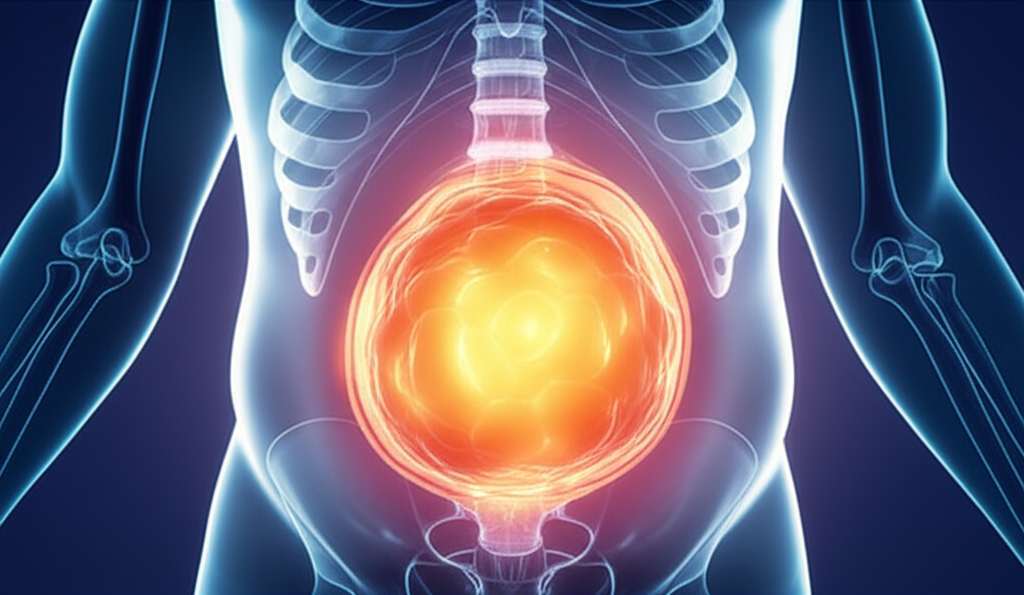
Don’t worry, I’m here to break down the amazing science behind how losing body fat actually works. We’ll cover the basics in a way that makes sense, so you can feel confident and in control of your journey.
Get ready to understand your body better and learn practical, science-backed strategies. Let’s dive into the “why” and “how” of shedding those extra pounds, step-by-step.
Frequently Asked Questions About Losing Body Fat
1. What exactly is a calorie deficit, and why is it key to losing body fat?
A calorie deficit means you eat fewer calories than your body uses for energy each day. Think of calories as tiny energy units. When you consume less energy than you burn, your body has to find energy from somewhere else. It taps into your stored body fat, converting it into usable energy. This is the fundamental principle of losing body fat.
2. Is it possible to “spot reduce” body fat from specific areas, like the stomach or arms?
Unfortunately, no. Your body decides where to store and lose fat. While you can’t choose specific areas to target, losing overall body fat will eventually reduce fat in those stubborn spots. Focusing on a healthy lifestyle that promotes fat loss is the most effective approach.
3. How much weight should I aim to lose per week to be healthy and sustainable?
A healthy and sustainable rate of weight loss is typically 1 to 2 pounds per week. Losing weight too quickly can lead to muscle loss and isn’t sustainable long-term. This rate usually ensures you’re losing fat, not just water weight or muscle.
4. Does exercise alone help lose body fat, or is diet more important?
Both are crucial, but diet plays a slightly bigger role in creating the calorie deficit needed for fat loss. You can burn a lot of calories exercising, but it’s easier to consume them back quickly. A balanced approach combining healthy eating with regular physical activity is the most effective strategy.
5. What are the main types of “energy” my body uses that contribute to fat loss?
Your body uses energy for three main things: your Basal Metabolic Rate (BMR), which is energy for basic functions like breathing and circulation; the Thermic Effect of Food (TEF), energy used to digest and absorb food; and energy for physical activity. Increasing activity and managing your intake impacts the overall balance.
6. How does muscle mass affect my metabolism and fat loss?
Muscle is metabolically active, meaning it burns calories even at rest. The more muscle you have, the higher your BMR will be, which helps you burn more calories throughout the day, aiding in fat loss. Strength training is key to building and maintaining muscle mass.
7. Is it okay to have “cheat meals” or “cheat days” when trying to lose body fat?
Occasional indulgences can be part of a sustainable plan, as long as they don’t derail your overall calorie deficit for the week. They can help with adherence and prevent feelings of deprivation. The key is moderation and returning to your healthy habits afterward.
How Losing Body Fat Works: The Amazing Science Explained
Ever wonder what’s really happening inside your body when you try to lose weight? It’s not magic, and it’s not a punishment. It’s a fascinating interplay of energy, hormones, and your body’s clever design.
For many beginners, the whole process can feel confusing. You eat less, you exercise more, but the scale might not budge, or it goes up and down like a yo-yo. This can be incredibly frustrating, making you feel like giving up before you’ve even started.
But what if I told you that understanding the science behind body fat loss can make it feel much simpler and more achievable? We’re going to break down the core principles in easy-to-understand terms, so you can finally get it.
Think of this as your friendly guide to the science lab of your own body. We’ll explore the fundamental concepts, from energy balance to how your body stores and uses fuel. By the end, you’ll have a clear roadmap.
Let’s start by understanding the fundamental concept: energy balance.
The Core Principle: Energy Balance
At its heart, losing body fat is all about achieving a state called a “calorie deficit.” It sounds simple, and in theory, it is! But the “how” and “why” are where the amazing science comes in.
Imagine your body as a very efficient energy management system. It takes in energy from food and uses it for everything you do – from breathing and thinking to running and even sleeping. This energy is measured in calories.
When you consume more calories than your body needs for these daily activities, the extra energy gets stored. Where does it go? Primarily, as body fat.
Conversely, when you consume fewer calories than your body uses, your body needs to find that missing energy somewhere. This is when it turns to its stored reserves – your body fat.
So, the equation is straightforward:
- Calories In (from food and drinks)
- Calories Out (used for bodily functions and activity)
To lose body fat, you need Calories Out > Calories In.
Understanding “Calories Out”: Your Body’s Energy Expenditure
The “Calories Out” part of the equation isn’t just about your gym workout. It’s a combination of several factors that determine how many calories your body burns each day. This is often referred to as your Total Daily Energy Expenditure (TDEE).
Your TDEE is made up of three main components:
1. Basal Metabolic Rate (BMR)
This is the biggest chunk of your daily calorie burn – typically 60-75% of your TDEE. Your BMR is the energy your body needs just to stay alive and function at rest. This includes keeping your heart beating, your lungs breathing, your brain working, and your cells regenerating.
Factors influencing BMR include:
- Age: BMR tends to decrease as you get older.
- Sex: Men generally have a higher BMR than women due to more muscle mass.
- Body Composition: Muscle burns more calories at rest than fat.
- Genetics: Some people naturally have a faster or slower metabolism.
- Body Size: Larger bodies require more energy to maintain.
You can use online calculators to estimate your BMR, but remember they are just estimates. The U.S. National Institutes of Health provides resources on metabolism and energy balance that explain these concepts in more detail.
Learn more about healthy weight from the NIDDK.
2. The Thermic Effect of Food (TEF)
Your body uses energy to digest, absorb, and process the food you eat. This is the TEF, and it accounts for about 10% of your daily calorie expenditure. Different macronutrients require different amounts of energy to process:
- Protein: Has the highest TEF (20-30% of its calories are used for digestion).
- Carbohydrates: Have a moderate TEF (5-10% of their calories are used).
- Fats: Have the lowest TEF (0-3% of their calories are used).
This is one reason why a diet higher in protein can be beneficial for fat loss – it helps you burn slightly more calories just by eating!
3. Physical Activity
This is the most variable component of your TDEE. It includes everything from planned exercise (like running, lifting weights, or sports) to non-exercise activity thermogenesis (NEAT).
- Exercise Activity Thermogenesis (EAT): The calories you burn during intentional workouts.
- Non-Exercise Activity Thermogenesis (NEAT): The calories you burn from daily movements that aren’t formal exercise. This includes fidgeting, walking around, doing chores, typing, standing, and even talking!
NEAT can make a surprising difference. Someone who fidgets a lot or has a physically active job can burn hundreds more calories per day than someone who sits at a desk all day and doesn’t fidget much.
How Your Body Actually Uses Stored Fat for Energy
When you’re in a calorie deficit, your body needs fuel. It first uses the glucose (sugar) from your most recent meals. Once that’s depleted, it turns to stored glycogen (a form of glucose stored in your muscles and liver).
When both readily available glucose and glycogen stores are low, your body begins to tap into your adipose tissue – that’s body fat. This process is called lipolysis.
Here’s a simplified look at what happens:
- Hormonal Signals: When blood glucose levels drop and energy demand is high, hormones like glucagon and adrenaline are released. These signal fat cells to break down stored triglycerides.
- Triglyceride Breakdown: Triglycerides are the main form of fat stored in your body. They are broken down into glycerol and free fatty acids.
- Transport to Muscles: These free fatty acids are released into your bloodstream and travel to your muscles and other tissues that need energy.
- Energy Production: Inside the cells of your muscles, the free fatty acids are further broken down through a process called beta-oxidation and then enter the Krebs cycle to produce ATP (adenosine triphosphate), which is the direct energy currency of your cells.
This is the “amazing science” of fat loss! Your body is incredibly smart, designed to survive by using its stored resources when immediate energy isn’t available.
The key takeaway is that this process happens when your body needs energy and doesn’t have enough coming in from food. This is why the calorie deficit is so crucial.
Practical Strategies for Creating a Sustainable Calorie Deficit
Knowing the science is one thing; putting it into practice is another. The good news is that creating a calorie deficit doesn’t have to mean starving yourself or eating bland food. It’s about making smart, sustainable choices.
1. Smart Nutrition Tweaks
This is where you have the most power to influence your calorie intake. Focus on nutrient-dense foods that keep you full and satisfied.
- Prioritize Protein: As mentioned, protein has a high TEF and is very satiating. Include a protein source with every meal – lean meats, fish, eggs, beans, lentils, tofu, Greek yogurt.
- Load Up on Fiber: Fruits, vegetables, and whole grains are packed with fiber. Fiber adds bulk to your meals, slowing down digestion and helping you feel full for longer, all while being relatively low in calories. Aim for a variety of colorful produce!
- Choose Healthy Fats: Fats are essential for hormone function and nutrient absorption. Opt for sources like avocados, nuts, seeds, and olive oil in moderation.
- Be Mindful of Liquid Calories: Sugary drinks, fancy coffees, and alcohol can add a significant number of calories without making you feel full. Stick to water, unsweetened tea, or black coffee.
- Portion Control: Even healthy foods have calories. Pay attention to serving sizes. Using smaller plates can also trick your brain into thinking you’re eating more.
2. Increasing Your “Calories Out”
While diet is king for creating the deficit, exercise is vital for overall health, building muscle, and boosting your metabolism. Aim for a mix of activities.
- Cardiovascular Exercise: Activities like brisk walking, jogging, cycling, or swimming burn a good number of calories and improve heart health. Aim for at least 150 minutes of moderate-intensity cardio per week.
- Strength Training: This is crucial for building and preserving muscle mass. More muscle means a higher BMR, helping you burn more calories even when you’re not exercising. Aim for 2-3 sessions per week, targeting all major muscle groups.
- Boost Your NEAT: Look for opportunities to move more throughout the day. Take the stairs, park further away, go for a walk during your lunch break, stand up and stretch every hour.
3. Lifestyle Factors That Matter
Don’t underestimate the impact of sleep and stress!
- Sleep: Poor sleep can disrupt hormones that regulate appetite (ghrelin and leptin), leading to increased hunger and cravings for unhealthy foods. Aim for 7-9 hours of quality sleep per night.
- Stress Management: Chronic stress can elevate cortisol levels, a hormone that can promote fat storage, particularly around the abdomen. Find healthy ways to manage stress, such as meditation, yoga, deep breathing exercises, or spending time in nature.
Body Fat Percentage vs. The Scale: What’s the Real Indicator?
It’s important to understand that the number on the scale isn’t always the best indicator of progress when losing body fat. Why? Because your body composition can change.
As you build muscle through strength training and lose fat, the number on the scale might stay the same or even increase slightly. This is a good thing!
Muscle is denser than fat. This means a pound of muscle takes up less space than a pound of fat. So, you could be losing inches and looking leaner, even if the scale isn’t moving dramatically.
Here’s a quick comparison:
| Feature | Body Fat | Muscle Mass |
|---|---|---|
| Density | Less dense (takes up more space) | More dense (takes up less space) |
| Metabolic Activity | Low (burns fewer calories at rest) | High (burns more calories at rest) |
| Impact on Appearance | Can contribute to a “softer” look | Contributes to a “toned” and firm appearance |
| Impact on Health | Excess can increase risk of chronic diseases | Essential for strength, mobility, and metabolism |
Therefore, while tracking your weight can be useful, also pay attention to:
- How your clothes fit.
- Your energy levels.
- Your body measurements (waist, hips, etc.).
- How you feel overall.
- Body fat percentage (if you have access to a reliable method like bioelectrical impedance scales or calipers, though these can vary in accuracy).
Busting Common Body Fat Loss Myths
The world of weight loss is full of myths. Let’s debunk a few to keep you on the right scientific track:
Myth 1: You can “spot reduce” fat.
Fact: As mentioned earlier, your body determines where it loses fat first. You can’t target specific areas with exercises like crunches to burn belly fat. Overall fat loss is the key.
Myth 2: Carbs make you fat.
Fact: Carbohydrates are a primary energy source. It’s the excess calories from any source, including refined carbs and sugars, that lead to fat storage. Whole grains, fruits, and vegetables are essential for a healthy diet.
Myth 3: Eating late at night makes you gain weight.
Fact: It’s the total number of calories consumed in a 24-hour period that matters most for weight gain or loss, not the time of day. However, late-night eating might be associated with less healthy choices or simply adding extra calories you don’t need.
Myth 4: You need to do hours of cardio to lose fat.
Fact: While cardio burns calories, strength training is crucial for building muscle, which boosts your metabolism long-term. A balanced approach is best.
Myth 5: Skipping meals is a good way to lose weight.
Fact: Skipping meals can often lead to overeating later, making it harder to maintain a calorie deficit. It can also slow down your metabolism and lead to nutrient deficiencies. Consistent, balanced meals are more effective.
Making Fat Loss Sustainable: The Long Game
The most amazing science behind losing body fat isn’t just about the physiological processes; it’s about how to apply them in a way that you can maintain for life. Crash diets and extreme measures rarely work in the long run.
Focus on building healthy habits that become second nature. This includes:
- Mindful Eating: Paying attention to your hunger and fullness cues.
- Regular Movement: Finding activities you genuinely enjoy.
- Adequate Sleep: Prioritizing rest and recovery.
- Stress Management: Developing coping mechanisms.
- Consistency over Perfection: It’s okay to have off days; just get back on track afterward.
Understanding how your body uses energy, how it stores fat, and how to create a sustainable calorie deficit are the cornerstones of successful and healthy body fat loss.
Conclusion: Your Journey to Understanding
So, there you have it! The “amazing science” behind losing body fat boils down to a simple principle: creating a calorie deficit where your body burns more energy than it consumes. This forces it to tap into your stored fat for fuel.
We’ve explored how your body expends energy through your Basal Metabolic Rate, the Thermic Effect of Food, and physical activity. You’ve learned that building muscle is a powerful ally in this process, as it increases your resting metabolism.
Crucially, we’ve covered practical ways to achieve this deficit through smart nutrition choices, increased physical activity, and paying attention to lifestyle factors like sleep and stress. Remember, consistency, patience, and focusing on sustainable habits are key to long-term success.
Don’t get discouraged by the scale alone. Celebrate non-scale victories like better-fitting clothes, increased energy, and improved mood. By understanding the science, you’re empowered to make informed choices that support your body and your goals.
Keep learning, keep moving, and keep nourishing your body. You’ve got this!
As an Amazon Associate, We earn from qualifying purchases. When you purchase a product through Amazon links on pulsefitguide.com, we may earn a small commission at no extra cost to you. This helps support the site and keep our content free.
