


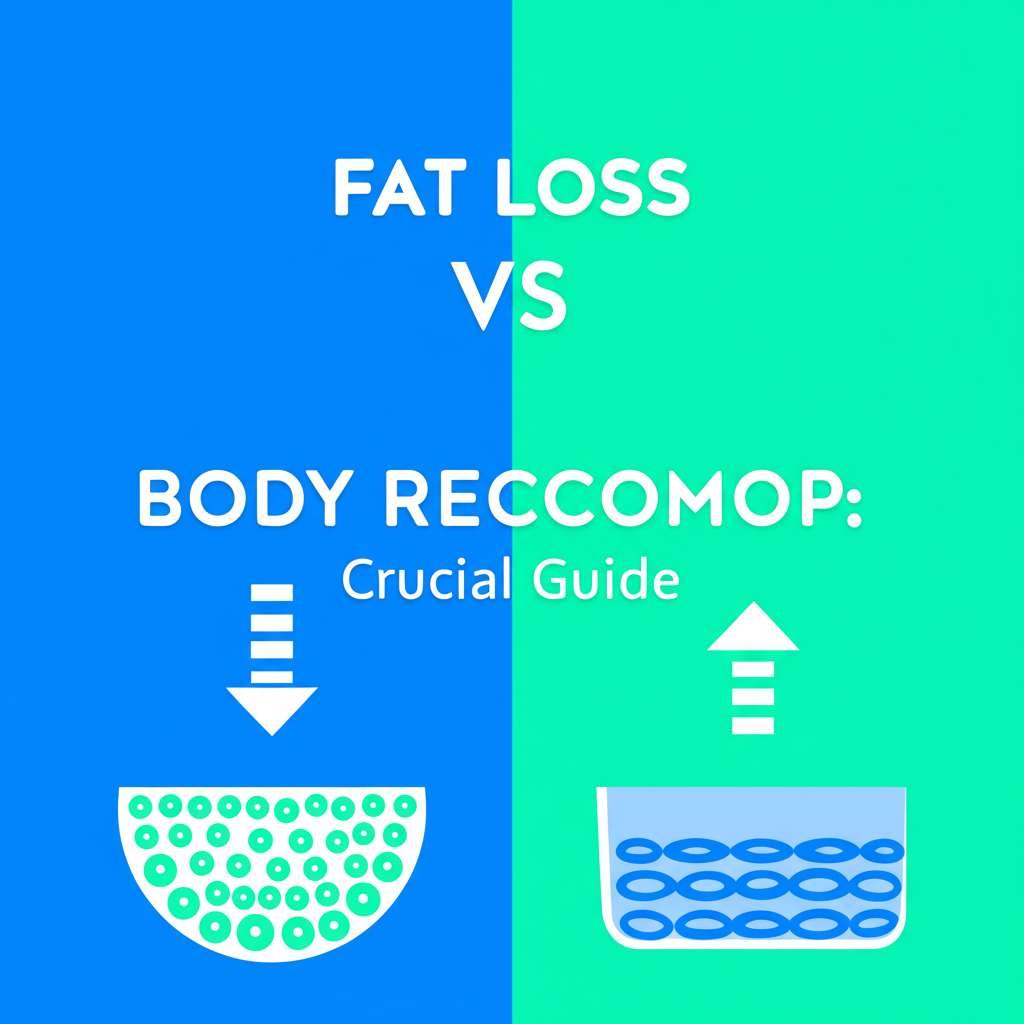
Quick Summary: Fat loss focuses solely on reducing body fat, often leading to weight reduction. Body recomposition aims to decrease fat while simultaneously increasing muscle mass, resulting in a leaner, stronger physique without necessarily significant weight change. Understanding this difference is key to choosing the right approach for your fitness goals.
Have you ever felt confused when trying to understand fitness goals? You see terms like “fat loss” and “body recomposition” and wonder if they mean the same thing. It’s a common point of confusion, and it can make starting your fitness journey feel overwhelming.
Don’t worry, you’re not alone! Many people struggle to grasp these concepts. The good news is that with a clear explanation, you’ll be able to confidently choose the path that best suits you.
This guide will break down exactly what fat loss and body recomposition are, how they differ, and who each approach is best for. We’ll cover it all in simple terms, step-by-step, so you can feel empowered.
Understanding the Basics: Fat Loss vs. Body Recomposition
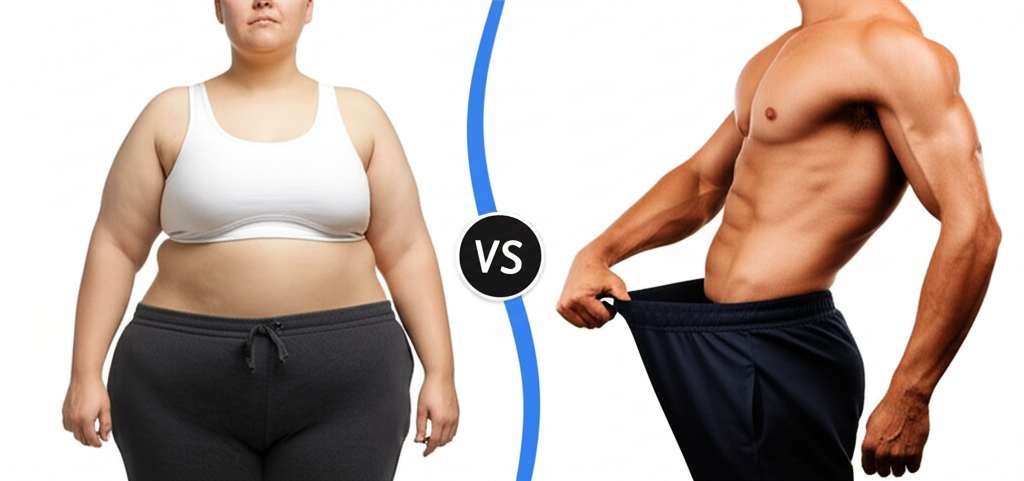
Let’s start with the core ideas. Imagine your body is made up of different components: fat, muscle, bone, and water. When we talk about changing our body composition, we’re usually focusing on the balance between fat and muscle.
These two terms, fat loss and body recomposition, describe different ways to change that balance. Knowing the difference will help you set realistic expectations and choose the right strategy for your unique goals.
What is Fat Loss?
Fat loss is all about reducing the amount of fat your body stores. Think of it as trimming down the excess. When you focus on fat loss, your primary goal is to get your body fat percentage lower.
This often results in a decrease in overall body weight, as fat tissue weighs less than muscle tissue. It’s a common goal for many people starting a fitness journey, and it can lead to noticeable changes in appearance and how clothes fit.
How Fat Loss Works
At its heart, fat loss happens when you consistently burn more calories than you consume. This is known as being in a calorie deficit. Your body then uses stored fat for energy to make up the difference.
Key elements for successful fat loss include:
- Calorie Deficit: Eating fewer calories than your body needs to maintain its current weight.
- Cardiovascular Exercise: Activities like running, swimming, or cycling that burn a significant number of calories.
- Balanced Diet: Focusing on nutrient-dense foods that help you feel full and satisfied.
While exercise is important, diet plays a much larger role in creating the necessary calorie deficit for fat loss. You can’t out-exercise a bad diet, as the saying goes!
Pros of Focusing on Fat Loss
- Clear Goal: The objective is straightforward – to reduce the number on the scale and body fat percentage.
- Visible Results (Often): Many people see changes in their weight and how their clothes fit relatively quickly, which can be very motivating.
- Simpler Approach: For beginners, focusing on one primary goal can be less overwhelming.
Cons of Focusing on Fat Loss
- Potential Muscle Loss: If not done correctly, a large calorie deficit can lead to losing muscle mass along with fat. This can slow down your metabolism and make it harder to stay lean long-term.
- May Not Change Body Shape Significantly: You might lose weight, but your body shape might not change as dramatically if you lose muscle too.
- Can Be Unsustainable: Extreme or rapid fat loss diets can be hard to maintain, leading to yo-yo dieting.
What is Body Recomposition?
Body recomposition is a more nuanced goal. Instead of just losing weight, you aim to decrease your body fat percentage while simultaneously increasing your muscle mass. It’s about changing your body’s composition, not just its total weight.
Think of it as sculpting your body. You might stay at the same weight, or even gain a little, but you’ll look leaner and more toned because you’re replacing fat with muscle. This is often considered the “gold standard” for long-term health and fitness.
How Body Recomposition Works
Achieving body recomposition requires a more strategic approach than simple fat loss. It involves a delicate balance of diet, exercise, and recovery.
The key principles for body recomposition are:
- Slight Calorie Deficit or Maintenance Calories: You need to eat enough calories to support muscle growth and repair, but not so many that you gain excess fat. Often, this means eating at your maintenance calories or a very small deficit.
- Adequate Protein Intake: Protein is the building block of muscle. Consuming enough protein is crucial for muscle repair and growth.
- Progressive Resistance Training: Lifting weights or doing other resistance exercises is essential to stimulate muscle growth. You need to continually challenge your muscles.
- Sufficient Rest and Recovery: Muscles grow and repair when you are resting, not when you are working out.
This approach is about quality over quantity when it comes to your body composition. It’s a slower, more sustainable process that yields impressive long-term results.
Pros of Focusing on Body Recomposition
- Improved Body Composition: You get leaner and more muscular, leading to a more toned and athletic physique.
- Increased Metabolism: Muscle tissue burns more calories at rest than fat tissue. More muscle means a higher metabolism, making it easier to maintain a healthy weight.
- Better Health Markers: Increased muscle mass is linked to improved insulin sensitivity, better blood sugar control, and stronger bones.
- Sustainable: By focusing on building muscle and improving overall health, it’s often easier to maintain results long-term.
Cons of Focusing on Body Recomposition
- Slower Results: Changes in body composition take time. You might not see drastic weight changes on the scale, which can be discouraging for some.
- More Complex Strategy: Requires careful attention to protein intake, training intensity, and calorie management.
- Requires Patience: This isn’t a quick fix. It’s a journey that demands consistency and a long-term perspective.
Key Differences Summarized
The main distinction lies in the simultaneous pursuit of multiple goals. Fat loss is singular: reduce fat. Body recomposition is dual: reduce fat and increase muscle.
Let’s look at how these differences play out in practical terms:
| Feature | Fat Loss | Body Recomposition |
|---|---|---|
| Primary Goal | Reduce body fat percentage and often weight. | Reduce body fat percentage while increasing muscle mass. |
| Calorie Intake | Consistent calorie deficit. | Slight calorie deficit, maintenance calories, or a very slight surplus (often cycled). |
| Exercise Focus | Emphasis on calorie-burning activities (cardio), but resistance training is still beneficial. | Primary focus on progressive resistance training; cardio is supportive. |
| Diet Focus | Calorie control is paramount. | High protein intake, nutrient timing, and calorie management are crucial. |
| Expected Weight Change | Typically weight loss. | Weight may stay the same, increase slightly, or decrease slowly. |
| Timeframe | Can show faster weight loss results. | Generally a slower process, focusing on gradual changes. |
| Best For | Individuals needing to lose significant weight, those who prioritize seeing the scale move. | Individuals with some training experience, those who want to look more toned/athletic, or those who have hit a plateau. |
As you can see, while both involve managing calories and exercise, the specific strategies and desired outcomes are quite different. Choosing the right one depends on where you are now and where you want to go.
Who Should Aim for Fat Loss?
Fat loss is a fantastic starting point for many people. If you’re just beginning your fitness journey and have a significant amount of weight you’d like to lose, focusing on fat loss can be highly effective and motivating.
Consider aiming for fat loss if:
- You have a higher body fat percentage and want to reduce it significantly.
- You are primarily motivated by seeing the number on the scale go down.
- You want to improve your overall health by shedding excess weight.
- You are new to exercise and want a simpler, more straightforward goal to start with.
- You have a busy schedule and need an approach that is easier to implement initially.
For many, achieving a healthier weight through fat loss provides a solid foundation for future goals, including body recomposition.
Who Should Aim for Body Recomposition?
Body recomposition is ideal for those who want to achieve a more “athletic” or “toned” physique. It’s about building a strong, lean body, even if the scale doesn’t move dramatically.
Consider aiming for body recomposition if:
- You are already at a relatively healthy weight but want to reduce body fat and increase muscle definition.
- You’ve been exercising for a while but feel “skinny-fat” or want to build more muscle.
- You’re interested in improving your strength and athletic performance.
- You are motivated by how your body looks and feels, rather than just the number on the scale.
- You are looking for a sustainable, long-term approach to fitness that builds metabolism and overall health.
People who have some experience with strength training often find body recomposition to be a rewarding next step in their fitness journey. It’s also a great goal for those who may have lost weight but are finding it hard to get that lean, sculpted look.
How to Achieve Fat Loss
Achieving fat loss is primarily about creating a consistent calorie deficit. This means consuming fewer calories than your body burns each day. Here’s a step-by-step guide:
Step 1: Calculate Your Calorie Needs
You need to know how many calories your body burns daily. This is called your Total Daily Energy Expenditure (TDEE). You can use online calculators, but remember these are estimates. A common starting point is to aim for a deficit of 500 calories per day, which can lead to about 1 pound of fat loss per week.
A useful resource for understanding TDEE and calorie deficits is the National Institute of Diabetes and Digestive and Kidney Diseases (NIDDK), which offers comprehensive information on healthy weight management.
Step 2: Focus on Nutrient-Dense Foods
To feel satisfied and get essential nutrients while in a deficit, choose whole, unprocessed foods. These include lean proteins, fruits, vegetables, and whole grains. They provide fiber and micronutrients that support your health.
Step 3: Incorporate Regular Cardio
Cardiovascular exercise is excellent for burning calories and improving heart health. Aim for at least 150 minutes of moderate-intensity or 75 minutes of vigorous-intensity aerobic activity per week, as recommended by the Centers for Disease Control and Prevention (CDC).
Step 4: Include Strength Training
While cardio burns calories, strength training helps preserve muscle mass. Losing muscle can slow your metabolism. Aim for 2-3 strength training sessions per week targeting major muscle groups.
Step 5: Stay Hydrated and Get Enough Sleep
Drinking plenty of water can help you feel full and support metabolic processes. Aim for 7-9 hours of quality sleep per night, as this is crucial for recovery and hormone regulation that impacts appetite and fat storage.
How to Achieve Body Recomposition
Body recomposition is a more delicate balancing act. It requires a strategic approach to diet and training to encourage muscle growth while shedding fat.
Step 1: Prioritize Protein Intake
Protein is essential for muscle repair and growth. Aim for around 0.7 to 1 gram of protein per pound of body weight daily. This ensures your body has the building blocks it needs.
Step 2: Manage Calories Strategically
You can achieve recomposition with a slight calorie deficit, at maintenance calories, or even a very slight surplus, especially if you are new to strength training. The key is that your protein intake is high, and your training is challenging enough to stimulate muscle growth.
If you are a beginner, eating at maintenance calories while focusing on protein and training can be very effective for recomposition. You can use a TDEE calculator and aim for that number.
Step 3: Focus on Progressive Resistance Training
This is the cornerstone of body recomposition. You need to challenge your muscles consistently to stimulate growth. This means gradually increasing the weight you lift, the number of repetitions, or the difficulty of your exercises over time.
Aim for 3-5 strength training sessions per week, focusing on compound movements that work multiple muscle groups (like squats, deadlifts, bench presses, and rows).
Step 4: Be Strategic with Cardio
Cardio is still important for heart health and can help with fat loss, but it shouldn’t be your primary focus. If you do too much intense cardio, it can interfere with muscle recovery and growth. Consider doing cardio on your rest days or after your strength training sessions.
Step 5: Emphasize Recovery
Muscle growth happens when you rest. Ensure you are getting 7-9 hours of quality sleep per night. Allow rest days between intense training sessions for the same muscle groups. Proper recovery is non-negotiable for recomposition.
Factors That Influence Your Choice
Your current fitness level, lifestyle, and personal preferences all play a role in deciding which goal is right for you. There’s no one-size-fits-all answer.
Current Fitness Level
If you’re completely new to exercise and have a lot of weight to lose, fat loss is often the more achievable and motivating starting point. For those who are already active and have some muscle definition but want to improve it, body recomposition is a great goal.
Lifestyle and Time Commitment
Fat loss can sometimes be achieved more quickly, which might appeal to those with less time. Body recomposition requires consistent, focused effort on both training and nutrition over a longer period. It’s a marathon, not a sprint.
Motivation and Goals
Are you motivated by seeing the scale drop? Fat loss might be your primary driver. Do you get more excited by seeing your muscles get stronger and more defined, even if the scale doesn’t move much? Body recomposition could be your path.
It’s also important to note that you can transition between these goals. Many people start with fat loss to reach a healthier weight, and then move on to body recomposition to build muscle and tone up.
Common Pitfalls to Avoid
Whether you’re aiming for fat loss or body recomposition, there are common mistakes that can hinder your progress. Being aware of these can help you stay on track.
For Fat Loss:
- Extreme Calorie Restriction: Cutting calories too drastically can lead to muscle loss, fatigue, and nutrient deficiencies. It’s also unsustainable.
- Over-reliance on Cardio: While cardio burns calories, neglecting strength training can result in losing muscle mass, which slows metabolism.
- Unrealistic Expectations: Expecting to lose a large amount of weight very quickly can lead to disappointment and quitting.
For Body Recomposition:
- Not Eating Enough Protein: This is the most common mistake. Without sufficient protein, muscle growth and repair are severely limited.
- Doing Too Much Cardio: Excessive cardio can interfere with muscle recovery and growth, making recomposition much harder.
- Inconsistent Strength Training: Not challenging your muscles progressively means they won’t have a reason to grow stronger or bigger.
- Expecting Quick Results: Body recomposition is a slow, steady process. Impatience can lead to frustration and abandoning the plan.
Understanding these pitfalls can help you navigate your fitness journey more effectively and avoid common roadblocks.
FAQ Section
Q1: Can I lose fat and build muscle at the same time?
Yes, this is the essence of body recomposition! It’s most effective for beginners or those returning to training after a break. For experienced individuals, it’s more challenging but still possible with precise nutrition and training.
Q2: How long does it take to see results with body recomposition?
Body recomposition is a gradual process. You might start noticing changes in how your clothes fit and how you look within 4-8 weeks, but significant changes can take 6 months to a year or even longer, depending on your consistency and starting point.
Q3: Is it better to focus on fat loss or body recomposition?
It depends on your goals. If you have a lot of weight to lose and want to see the scale move, fat loss is a great start. If you’re already at a healthy weight and want to build a lean, toned physique, body recomposition is ideal.
Q4: Do I need supplements for body recomposition?
Supplements are not necessary, especially for beginners. A balanced diet with sufficient protein is the priority. Protein powder can be a convenient way to meet protein goals, but it’s not a magic bullet.
Q5: Can I do both fat loss and body recomposition simultaneously?
In a strict sense, body recomposition is about losing fat and building muscle. However, if you mean “can I focus on rapid fat loss while trying to build significant muscle?”, that’s much harder. For most, it’s best to prioritize one primary goal at a time, though recomposition naturally involves both.
Q6: What if I’m gaining weight on the scale during body recomposition?
This is common! Muscle is denser than fat. If you’re gaining muscle and losing fat, your weight might stay the same or even increase slightly. Focus on how your body looks, how your clothes fit, and your strength gains rather than just the scale number.
Conclusion
Understanding the difference between fat loss and body recomposition is a significant step toward achieving your fitness goals. Fat loss is about reducing your overall body fat, often leading to weight reduction, and is a great starting point for many.
Body recomposition, on the other hand, is a more intricate process of simultaneously decreasing body fat and increasing muscle mass, leading to a leaner, more athletic physique without necessarily a large drop on the scale. It requires a strategic balance of high protein intake, progressive resistance training, and careful calorie management.
Your journey is unique. Whether you choose to prioritize fat loss, embark on body recomposition, or even transition between the two, remember that consistency, patience, and a focus on sustainable habits are key. By arming yourself with this knowledge, you’re well-equipped to make informed decisions that align with your aspirations. Keep learning, keep moving, and celebrate every step of progress!
As an Amazon Associate, We earn from qualifying purchases. When you purchase a product through Amazon links on pulsefitguide.com, we may earn a small commission at no extra cost to you. This helps support the site and keep our content free.
