


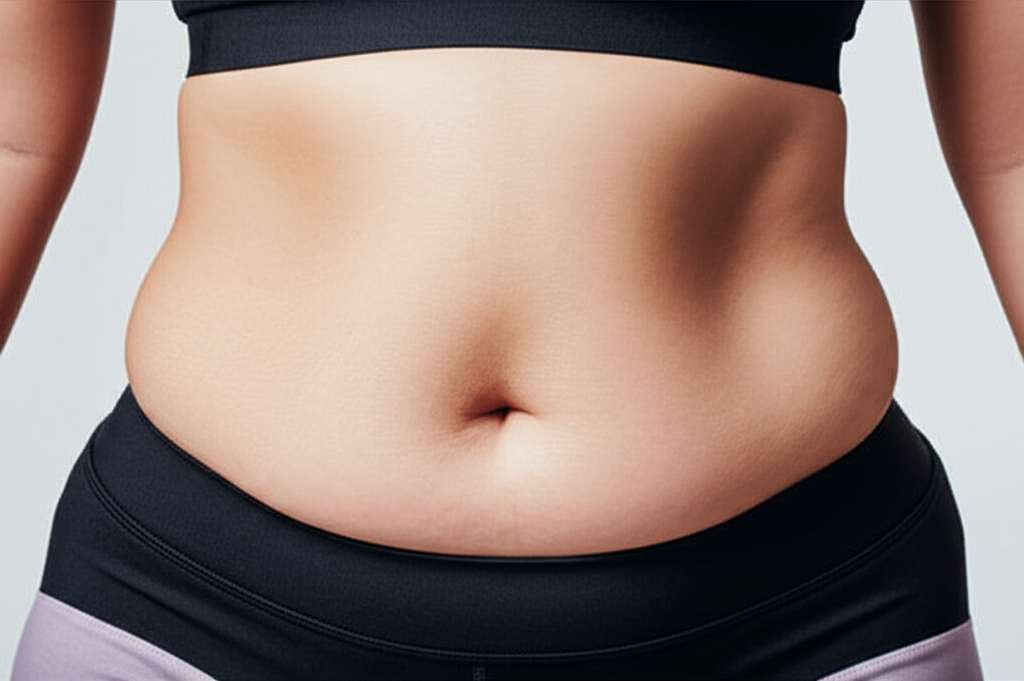
Quick Summary:
You’re losing fat when your clothes fit better, you have more energy, and your body composition changes over time, even if the scale fluctuates. Water weight loss is often rapid and temporary, usually due to diet or hydration changes. Focus on sustainable habits for real, lasting fat loss.
Stepping on the scale and seeing the numbers drop can feel like a win, but sometimes that initial weight loss isn’t quite what it seems. Many beginners get confused when the scale moves quickly at first, only to stall later. This can be frustrating, making you wonder if you’re actually losing body fat or just shedding temporary water weight.
Understanding the difference is key to staying motivated and making progress towards your health goals. It’s not about drastic measures; it’s about knowing what’s happening in your body so you can celebrate real results.
This guide will break down exactly how to tell if you’re losing fat or just water. We’ll look at the signs, what causes each type of loss, and how to focus on fat loss for lasting changes. Let’s get started on understanding your body’s real progress!
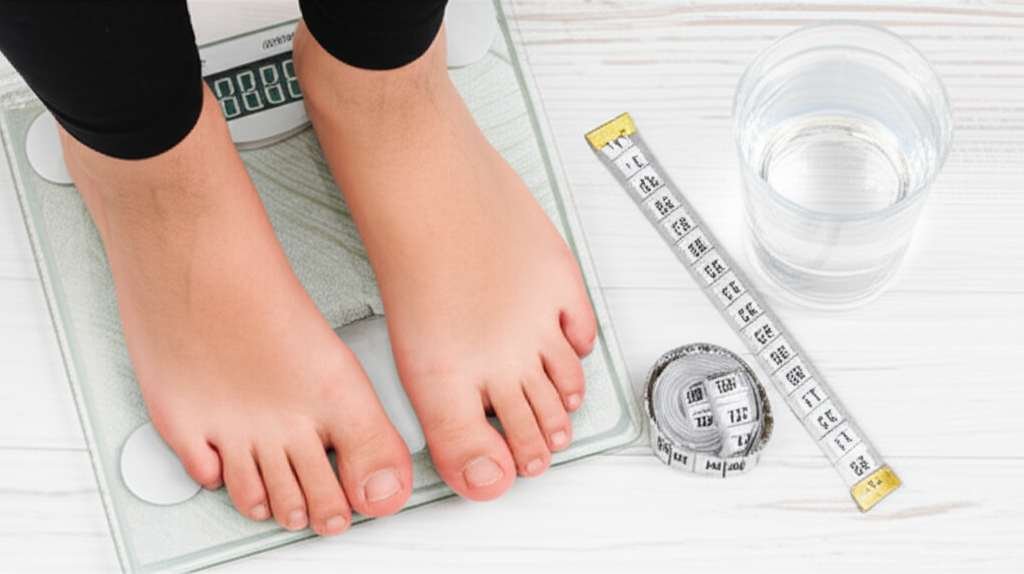
Understanding the Scale: Fat vs. Water Weight
The scale is a tool, but it doesn’t tell the whole story of your weight loss journey. Your body weight is made up of many components, including muscle, fat, bone, organs, and, importantly, water. Fluctuations on the scale can happen due to changes in any of these, but when we talk about “weight loss,” most people are aiming to reduce body fat.
Water weight is essentially the extra fluid your body is holding onto. It can make your weight fluctuate by several pounds day-to-day. Fat loss, on the other hand, is the reduction of adipose tissue, which is a slower and more consistent process. Knowing the difference helps you interpret what those numbers on the scale truly mean.
What is Water Weight?
Water weight is the temporary retention of excess fluid in your body. Think of it like your body holding onto extra water in its tissues. This isn’t “bad” in itself; water is essential for life! However, when we talk about weight loss, excess water can mask your true progress.
Several factors can cause your body to retain more water. These include dietary choices, hormonal changes, and even certain medications. Because it’s fluid, it can be lost relatively quickly when the cause is addressed.
What is Fat Weight?
Fat weight refers to the actual adipose tissue stored in your body. This is what most people are trying to reduce when they embark on a weight loss journey. Losing fat means your body is tapping into its stored energy reserves for fuel.
Fat loss is a more gradual process than water loss. It requires a consistent calorie deficit, meaning you burn more calories than you consume. This encourages your body to break down fat for energy. This type of weight loss leads to more sustainable changes in your body composition and overall health.
Signs You’re Losing Water Weight
Spotting water weight loss is often about noticing rapid, dramatic changes on the scale, especially early in a new diet or exercise program. It’s exciting to see the numbers drop, but it’s important to understand if that drop is truly fat. Water weight can be lost very quickly, sometimes several pounds in a single day or two.
Here are some common signs that the weight you’re losing might be water:
- Sudden, Rapid Weight Loss: If you lose several pounds in just one or two days, especially after starting a new diet or exercise plan, it’s likely a significant portion is water.
- Weight Fluctuates Wildly: Your weight might go up and down by several pounds from day to day without any significant changes in your diet or activity level.
- No Change in How Clothes Fit: Despite the scale moving, your clothes feel the same. This is a strong indicator that you haven’t lost any actual body fat.
- Feeling Dehydrated or Thirsty: Sometimes, rapid water loss can leave you feeling unusually thirsty or a bit dehydrated.
- Carbohydrate Restriction: Drastically cutting carbs can lead to quick water weight loss because carbohydrates store water in your muscles.
Why Does Water Weight Come Off So Quickly?
The primary reason water weight disappears rapidly is its nature as a fluid. When you make changes that affect your body’s hydration or glycogen stores, water is released quickly.
For example, when you reduce your carbohydrate intake, your body uses up its stored glycogen. Glycogen is a form of glucose stored in your muscles and liver, and it binds to water. For every gram of glycogen stored, your body also stores about 3-4 grams of water. When you deplete these glycogen stores, the associated water is released and excreted.
Similarly, changes in sodium intake can significantly impact water retention. If you reduce your sodium intake, your body will hold onto less water. This can lead to a quick drop on the scale. These are temporary changes, and the weight can return just as quickly if your diet or hydration habits change back.
Signs You’re Losing Fat
Losing fat is a sign of true progress towards a healthier body composition. While it might not always be as dramatic as water weight loss, it’s more sustainable and leads to lasting changes in your appearance and health. Fat loss is about reducing your body’s stored energy.
Here are the key indicators that you are genuinely losing body fat:
- Clothes Fitting Looser: This is often the most noticeable and motivating sign. Even if the scale doesn’t move much, if your pants are looser around the waist, or your shirts feel less snug, you’re likely losing fat.
- Consistent, Gradual Weight Loss: A healthy and sustainable rate of fat loss is typically between 1-2 pounds per week. While this can vary, a steady downward trend on the scale over weeks and months is a good sign.
- Increased Energy Levels: As your body becomes more efficient at using stored fat for energy, you might notice a sustained boost in your energy throughout the day.
- Improved Body Composition: This refers to the ratio of fat to lean mass (like muscle) in your body. Even if your total weight isn’t changing much, if you’re building muscle and losing fat, your body shape will change. You might look leaner and more toned.
- Visible Changes in Muscle Definition: As you lose fat, underlying muscle definition can start to show. This could be more visible abs, toned arms, or firmer legs.
- Better Performance in Workouts: Losing excess body fat can make physical activities feel easier. You might find you can run faster, lift heavier, or have more endurance.
- Reduced Body Measurements: Measuring your waist, hips, thighs, or arms can reveal fat loss even when the scale is stubborn. A shrinking waistline is a classic sign of fat loss.
The Role of Calorie Deficit in Fat Loss
The fundamental principle behind fat loss is creating a calorie deficit. This means your body needs to burn more calories than it consumes. When this happens, your body turns to its stored fat reserves to get the energy it needs to function.
A calorie deficit can be achieved through a combination of diet and exercise. Eating fewer calories (while ensuring you still get essential nutrients) and increasing your physical activity both contribute to burning more calories. The National Health Service (NHS) highlights that for every 7,000 calories you burn more than you consume, you can lose about 1 pound of fat.
It’s important that this deficit is sustainable and not too extreme. A deficit of 500-750 calories per day is generally recommended for a healthy loss of 1-1.5 pounds per week. Too large a deficit can lead to muscle loss, fatigue, and nutrient deficiencies, making it harder to sustain long-term.
Factors Influencing Weight Fluctuations
Your weight isn’t static; it changes daily due to various factors. Understanding these can help you interpret the numbers on the scale more accurately and avoid getting discouraged by temporary fluctuations.
Dietary Choices
What you eat has a huge impact on your weight, both short-term and long-term.
- Sodium Intake: High sodium foods cause your body to retain more water. A salty meal can lead to a noticeable jump in weight the next day.
- Carbohydrate Intake: As mentioned, carbs are stored with water. Eating a large amount of carbs, especially after a period of low intake, can cause a rapid increase in water weight.
- Fiber Intake: While great for health, a sudden increase in fiber can cause temporary bloating and water retention as your digestive system adjusts.
- Alcohol Consumption: Alcohol can dehydrate you, but it also contains calories and can affect your metabolism.
- Hydration Levels: Drinking more or less water can affect your body’s water balance and, consequently, your weight.
Exercise and Physical Activity
Your workouts play a role in weight changes, too.
- Glycogen Replenishment: After a strenuous workout, your muscles will replenish their glycogen stores, which, as we’ve learned, binds water.
- Muscle Soreness and Inflammation: Intense exercise can cause minor inflammation and fluid retention in the muscles, leading to a temporary weight increase.
- Sweating: During exercise, you lose water through sweat. This can lead to a temporary drop in weight, which is quickly regained once you rehydrate.
Hormonal Changes
Hormones can significantly influence how your body holds onto water.
- Menstrual Cycle: Many women experience bloating and weight gain in the days leading up to their period due to hormonal shifts, particularly changes in estrogen and progesterone.
- Stress Hormones (Cortisol): Chronic stress can increase cortisol levels, which can promote fat storage, especially around the abdomen, and also lead to water retention.
- Thyroid Hormones: Imbalances in thyroid hormones can affect metabolism and fluid balance.
Other Factors
Don’t forget these other potential influencers:
- Medications: Certain medications, such as some blood pressure drugs, steroids, and antidepressants, can cause water retention as a side effect.
- Sleep Quality: Poor sleep can disrupt hormones that regulate appetite and metabolism, potentially leading to increased cravings and water retention.
- Illness: Your body might retain fluid if it’s fighting off an infection or illness.
How to Differentiate: Practical Steps
Now that you understand the basics, let’s look at practical ways to tell if you’re losing fat or water weight. It’s about looking beyond the scale and paying attention to other signals your body is sending.
1. Track Your Progress Beyond the Scale
The scale is just one piece of the puzzle. To truly know if you’re losing fat, you need to track multiple indicators.
What to Track:
- Body Measurements: Use a tape measure to track your waist, hips, arms, and thighs. Changes here are excellent indicators of fat loss.
- How Your Clothes Fit: This is often the most tangible sign. If your favorite jeans are feeling looser, you’re likely shrinking!
- Progress Photos: Take photos of yourself in the same lighting and pose every few weeks. Visual changes can be very motivating.
- Energy Levels: Note your daily energy and mood. Consistent fat loss often correlates with improved energy.
- Workout Performance: Are you getting stronger or more endurance? This can indicate improved body composition.
2. Observe the Rate of Weight Loss
As we’ve discussed, the speed of your weight loss is a big clue.
- Rapid Loss (1-3+ lbs/day): Likely significant water loss, especially in the first few days of a new diet.
- Moderate Loss (1-2 lbs/week): This is a healthy and sustainable rate, strongly suggesting fat loss.
- Stalled Weight: If the scale hasn’t moved for a week or two, but your clothes are looser or you feel better, you’re likely still losing fat and gaining muscle (body recomposition).
3. Analyze Your Diet and Lifestyle Changes
Think about what you’ve recently changed.
- Drastic Carb Cut: If you’ve drastically reduced carbs, expect initial rapid water loss.
- Increased Sodium: A very salty diet will lead to water retention.
- New Exercise Routine: Initial weight changes might be water due to glycogen and muscle response.
- Increased Water Intake: Drinking more water can sometimes help your body release stored water.
4. Consider Your Body Composition
Body composition is the ratio of fat to lean muscle mass. You can lose fat and gain muscle at the same time, which might mean the scale stays the same or even goes up slightly, but you become leaner and healthier.
Tools like bioelectrical impedance analysis (BIA) scales (available at many gyms or as home devices) can give you an estimate of your body fat percentage, though accuracy can vary. The most reliable way to assess body composition changes over time is through consistent tracking of measurements and visual progress.
The Centers for Disease Control and Prevention (CDC) emphasizes that while BMI is a common metric, it doesn’t distinguish between fat and muscle. Focusing on how your body feels and functions, alongside body composition changes, is crucial.
Creating a Sustainable Fat Loss Plan
The goal isn’t just to lose weight, but to lose fat in a way that’s healthy and can be maintained long-term. This means building habits that support fat loss without causing extreme fluctuations or deprivation.
Nutrition for Fat Loss
Focus on nutrient-dense foods that keep you feeling full and satisfied.
- Lean Proteins: Chicken, fish, beans, lentils, tofu. Protein helps you feel full and supports muscle mass.
- Plenty of Vegetables: Non-starchy vegetables are low in calories and high in fiber and nutrients.
- Healthy Fats: Avocados, nuts, seeds, olive oil. Fats are important for hormone production and satiety.
- Complex Carbohydrates: Whole grains, sweet potatoes, quinoa. These provide sustained energy.
- Portion Control: Be mindful of serving sizes, even for healthy foods.
Avoid excessive processed foods, sugary drinks, and refined carbohydrates, which can contribute to water retention and hinder fat loss.
Exercise for Fat Loss
A combination of cardio and strength training is ideal.
- Cardiovascular Exercise: Activities like brisk walking, running, cycling, or swimming help burn calories and improve heart health. Aim for at least 150 minutes of moderate-intensity cardio per week.
- Strength Training: Lifting weights or doing bodyweight exercises builds muscle. Muscle tissue burns more calories at rest than fat tissue, boosting your metabolism. Aim for strength training 2-3 times per week.
- High-Intensity Interval Training (HIIT): Short bursts of intense exercise followed by brief recovery periods can be very effective for burning calories in a shorter amount of time.
Consistency is key. Find activities you enjoy so you’re more likely to stick with them.
Lifestyle Habits for Long-Term Success
Beyond diet and exercise, these habits are vital:
- Adequate Sleep: Aim for 7-9 hours of quality sleep per night. Sleep is crucial for hormone regulation and recovery.
- Stress Management: Find healthy ways to cope with stress, such as meditation, yoga, or spending time in nature.
- Hydration: Drink plenty of water throughout the day. It aids metabolism and can help manage appetite.
- Patience and Consistency: Understand that fat loss takes time. Celebrate small victories and don’t get discouraged by minor setbacks.
Frequently Asked Questions (FAQ)
Q1: How quickly can I expect to lose water weight?
You can lose a significant amount of water weight very quickly, often within the first few days of making dietary changes, like cutting carbs or sodium, or starting a new exercise program. It’s common to see a drop of 2-5 pounds or even more in the first 1-3 days, but this is primarily fluid.
Q2: Is losing water weight bad for me?
Losing water weight itself isn’t inherently bad, as it’s often a temporary fluctuation. However, if you’re deliberately dehydrating yourself or using extreme methods to lose water, it can be harmful. If it’s a natural consequence of diet changes, it’s usually not a concern, but it doesn’t represent fat loss.
Q3: How can I tell if my weight loss is sustainable?
Sustainable weight loss is typically gradual, averaging 1-2 pounds per week. It’s accompanied by changes in how your clothes fit, increased energy, and improved body composition rather than just rapid scale drops. Focusing on healthy eating and regular exercise habits that you can maintain long-term is key.
Q4: Should I weigh myself every day?
For beginners, weighing yourself daily can be discouraging due to normal fluctuations. It’s often better to weigh yourself once a week, at the same time of day (e.g., first thing in the morning after using the restroom), to get a more consistent picture of your progress. However, if you do weigh yourself daily, focus on the overall trend over weeks, not individual daily changes.
Q5: What if my weight loss stalls but my clothes are still fitting better?
This is a great sign! It likely means you are losing body fat and potentially gaining muscle mass. This process is called body recomposition. Muscle is denser than fat, so even if your weight stays the same, your body shape is improving, and you’re becoming leaner and healthier. Keep up the good work!
Q6: Can I lose fat without losing any water weight initially?
Yes, it’s possible. If your diet and lifestyle changes are moderate and don’t drastically affect your hydration or glycogen stores, you might see a more consistent, slower loss that is primarily fat from the beginning. However, many people experience some initial water weight loss due to the significant changes often made when starting a weight loss journey.
Conclusion
Understanding the difference between fat loss and water weight loss is a crucial step in your health journey. The scale can be a useful tool, but it’s only one indicator. By paying attention to how your clothes fit, tracking your measurements, observing your energy levels, and noticing gradual, consistent changes, you can confidently assess if you’re achieving real, sustainable fat loss.
Remember, healthy fat loss is a marathon, not a sprint. It’s about building consistent, positive habits in nutrition, exercise, and lifestyle that support your body’s long-term health and well-being. Don’t get discouraged by temporary water weight fluctuations. Celebrate the progress you see and feel, and keep moving forward!
As an Amazon Associate, We earn from qualifying purchases. When you purchase a product through Amazon links on pulsefitguide.com, we may earn a small commission at no extra cost to you. This helps support the site and keep our content free.
