


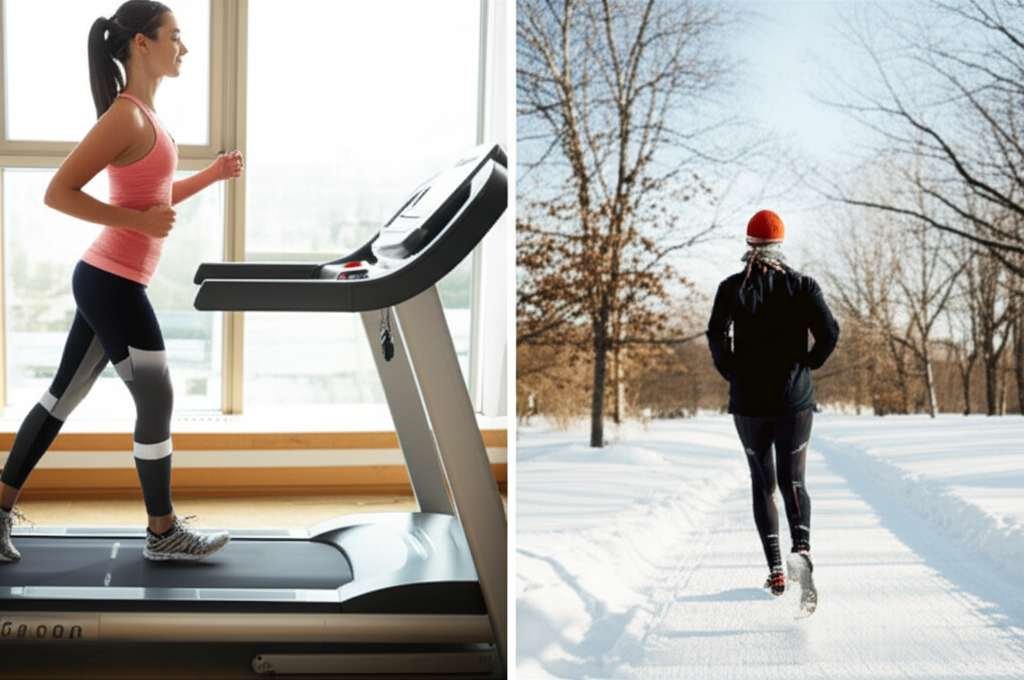
Quick Summary: For winter exercise, both treadmill and outdoor walking are great choices. A treadmill offers controlled conditions, safety, and convenience, ideal for harsh weather. Outdoor walking provides fresh air, varied terrain, and vitamin D, but requires careful preparation for cold and icy conditions. Your “brilliant” choice depends on your priorities: convenience and safety (treadmill) or natural experience and fresh air (outdoors).
Winter can feel like a challenge when it comes to staying active and reaching your weight loss goals. The cold, the dark evenings, and sometimes slippery conditions make it tough to get outside. You might be wondering if your trusty treadmill is the only way to go, or if braving the elements for an outdoor walk is still a good idea.
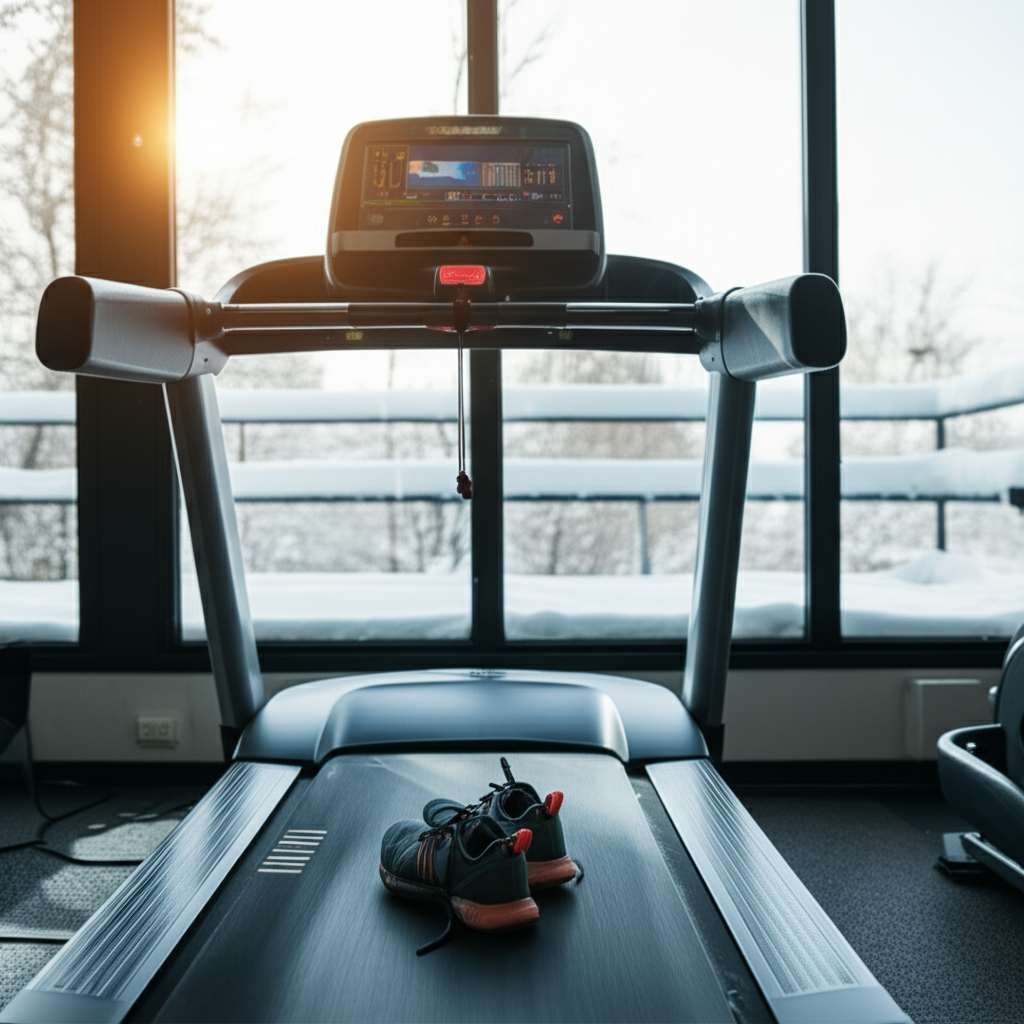
It’s completely normal to feel a bit confused about the best approach. We want to make sure you can keep moving and feeling great, no matter what the weather throws at you. Let’s break down the pros and cons of treadmill walking versus outdoor walking in winter so you can make the smartest choice for YOU.
Treadmill Vs Outdoor Walking in Winter: Your Brilliant Choice
Choosing how to get your steps in during the winter months is a common dilemma. You want to stay healthy, burn calories, and feel energized, but the thought of bundling up and facing freezing temperatures can be a real mood killer. On the other hand, spending all your time indoors on a treadmill might feel a little monotonous.
The good news is, both options can be fantastic for your fitness and weight loss journey. It’s not about one being definitively better than the other, but rather understanding which one fits your lifestyle, your goals, and the winter conditions you’re facing. We’re going to explore each one, so you can feel confident in your decision.
The Case for the Treadmill: Your Cozy Winter Companion
The treadmill is often seen as the safe bet when winter hits. It’s right there in your home, ready whenever you are, no matter what’s happening outside. This consistency can be a huge advantage for sticking to a fitness routine.
Think of it as your personal, climate-controlled gym. No need to worry about icy sidewalks, heavy snow, or wind chill biting at your face. You can control the pace, the incline, and even the entertainment, all from the comfort of your living room.
Pros of Treadmill Walking in Winter
- Weather Independence: This is the biggest win. Rain, snow, ice, or extreme cold won’t stop your workout. You can maintain your routine consistently.
- Safety First: No risk of slips and falls on icy patches. This is especially important for beginners or those with balance concerns.
- Controlled Environment: You can set the exact speed and incline you want. This makes it easy to track progress and push yourself safely.
- Convenience: It’s always accessible. No need to travel to a gym or brave the elements to get started. Just step on and go.
- Reduced Exposure to Germs: In crowded indoor spaces, treadmills at home mean you’re less likely to pick up winter colds or flu.
- Entertainment Options: Watch your favorite shows, listen to podcasts, or catch up with friends on a video call while you walk.
- Beginner-Friendly: The predictable surface and controlled pace are ideal for those just starting out with fitness.
Cons of Treadmill Walking in Winter
- Monotony: Walking in the same spot can become boring for some people, leading to a loss of motivation.
- Cost: A good quality treadmill can be a significant investment, and home treadmills require space.
- Lack of Fresh Air and Vitamin D: You miss out on the natural benefits of being outdoors, including sunlight exposure which helps with Vitamin D production.
- Less Impact on Balance and Coordination: The stable surface doesn’t challenge your stabilizing muscles as much as uneven outdoor terrain.
- Potential for Overuse Injuries: The repetitive motion on a hard, flat surface can sometimes lead to certain types of injuries if not managed properly.
The Allure of Outdoor Walking: Embracing Winter’s Charm
Don’t underestimate the power of a brisk walk in the crisp winter air! While it requires a bit more planning, walking outdoors can be incredibly invigorating and rewarding. It offers a different kind of experience that a treadmill simply can’t replicate.
Imagine a peaceful walk through a snow-dusted park or along a quiet street. The sights and sounds of winter can be beautiful, and the fresh air can be incredibly refreshing. Plus, the varied terrain can offer a more challenging and engaging workout for your body.
Pros of Outdoor Walking in Winter
- Mental Health Boost: Exposure to natural light (even on cloudy days) can improve mood and combat seasonal affective disorder (SAD). The fresh air is also incredibly refreshing.
- Vitamin D Production: Even in winter, sunlight can help your body produce Vitamin D, which is crucial for bone health and immune function.
- Varied Terrain and Muscle Engagement: Walking on uneven surfaces like snow or ice engages more muscles, including those used for balance and stability. This can lead to a more complete workout.
- Sensory Experience: Enjoying the sights, sounds, and smells of nature can make your walk more enjoyable and less like a chore.
- Free and Accessible: Most outdoor walking is completely free, requiring only comfortable shoes and clothing.
- Improved Balance and Coordination: Navigating varied terrain naturally challenges and improves your balance.
- Connection to Nature: Spending time outdoors can reduce stress and promote a sense of well-being.
Cons of Outdoor Walking in Winter
- Weather Dependence: Extreme cold, heavy snow, ice, and poor visibility can make outdoor walking dangerous or impossible.
- Safety Risks: Icy sidewalks, hidden potholes, and reduced daylight increase the risk of falls and injuries.
- Requires Proper Gear: You’ll need specialized clothing, waterproof boots, and potentially traction devices for your shoes, which can be an added expense.
- Limited Control: You can’t control the speed or incline of your route, making it harder to precisely measure your workout intensity.
- Shorter Daylight Hours: Winter days are shorter, meaning you might have to walk in the dark, which can be less appealing and potentially less safe.
- Chilling Temperatures: It can be uncomfortable and even risky to expose your body to prolonged cold without adequate protection.
Making Your “Brilliant” Winter Walking Choice: A Step-by-Step Guide
So, how do you decide which is the best fit for you? It’s about aligning your choice with what’s most important for your health, safety, and motivation during the winter months.
Let’s break down the decision-making process into simple steps. This will help you weigh the options and pick the path that leads to consistent progress toward your weight loss goals.
Step 1: Assess Your Local Winter Conditions
Your location plays a huge role. What is winter typically like where you live? Are there frequent blizzards and sub-zero temperatures, or is it more mild with occasional chilly days?
- Harsh Winter (Frequent Snow, Ice, Extreme Cold): If your area experiences severe winter weather regularly, a treadmill might be your most reliable option for consistent exercise.
- Mild Winter (Occasional Cold, Rain, Light Snow): If winter is generally more forgiving, outdoor walking remains a very viable and enjoyable option, provided you take precautions.
Step 2: Consider Your Personal Health and Safety Needs
Your individual circumstances are key. Are you prone to falls? Do you have any health conditions that could be worsened by the cold?
- Balance Concerns or Mobility Issues: If you have concerns about balance or are recovering from an injury, the stable, controlled environment of a treadmill is likely safer.
- Respiratory Issues: For some people, breathing very cold, dry air can be uncomfortable or trigger respiratory problems. A treadmill avoids this.
- Circulation Issues: Cold weather can sometimes exacerbate circulation problems. A treadmill keeps your body temperature more stable.
- Beginner Fitness Level: For those new to exercise, starting on a treadmill allows you to build a foundation of fitness in a predictable setting before tackling more challenging outdoor conditions.
Step 3: Evaluate Your Motivation and Enjoyment Factors
What keeps you moving? Do you thrive on variety and fresh air, or do you prefer predictability and comfort?
- Craving Variety and Nature: If you get bored easily and love the feeling of being outdoors, outdoor walking will likely be more motivating for you.
- Needing Structure and Predictability: If you prefer a consistent, no-fuss workout that you can do anytime, a treadmill might be your go-to.
- Social Preferences: Do you prefer walking alone or with others? If you usually walk with friends outdoors, consider if your group will still meet up or if you’ll need an alternative.
Step 4: Factor in Your Budget and Space
Practical considerations are important. What can you realistically afford and accommodate?
- Budget-Friendly: Outdoor walking is free! If budget is a concern, this is the clear winner.
- Investment in Equipment: If you have the budget and space for a treadmill, it offers a long-term solution for consistent indoor exercise. Consider the cost of accessories like proper winter gear if you plan to walk outdoors.
Step 5: Create a Hybrid Approach
Why choose just one? For many people, the most brilliant strategy is to combine both treadmill and outdoor walking.
- Weather-Dependent Mix: Use the treadmill on days with severe weather and opt for outdoor walks when conditions are safe and pleasant.
- Variety is Key: Alternate between treadmill and outdoor walks throughout the week to get the benefits of both and keep your routine interesting. For example, walk outdoors on weekends and use the treadmill on weekdays.
- Specific Training Goals: Use the treadmill for structured interval training or hill work, and outdoor walks for longer, steady-state cardio sessions.
Essential Gear for Winter Outdoor Walking
If you decide outdoor walking is part of your brilliant winter strategy, being prepared is crucial. The right gear will keep you warm, dry, and safe, making your experience enjoyable rather than miserable.
Think in layers! This is the golden rule of winter dressing for activity. It allows you to adjust your clothing as your body temperature changes during your walk.
Here’s a breakdown of what you’ll need:
Layering System
- Base Layer: This is the layer closest to your skin. It should be made of moisture-wicking material like synthetic fabrics (polyester, nylon) or merino wool. Avoid cotton, as it holds moisture and will make you feel cold. This layer helps to pull sweat away from your body.
- Mid Layer: This layer provides insulation. Fleece, down vests, or a lightweight insulated jacket work well. It traps body heat to keep you warm.
- Outer Layer: This is your protective shell. It should be windproof and waterproof or water-resistant to shield you from the elements. A breathable jacket and pants are ideal so you don’t overheat.
Extremities Protection
- Headwear: A warm hat that covers your ears is essential, as you lose a lot of heat through your head.
- Gloves or Mittens: Mittens are generally warmer than gloves because they keep your fingers together. Consider waterproof and insulated options.
- Socks: Wool or synthetic blend socks are best. Again, avoid cotton. You might consider wearing two pairs if your boots aren’t heavily insulated, but ensure they don’t make your shoes too tight.
Footwear
- Waterproof Boots: Insulated, waterproof boots with good traction are a must.
- Traction Devices: For icy conditions, consider attaching slip-on traction devices (like Yaktrax or similar brands) to your boots. These provide extra grip on ice and packed snow.
Visibility and Safety
- Reflective Gear: Wear bright colors and reflective strips, especially if walking in low light conditions, to make yourself visible to drivers and cyclists.
- Headlamp or Flashlight: If you’re walking before sunrise or after sunset, a headlamp ensures you can see and be seen.
- Phone: Carry a fully charged mobile phone in case of emergencies.
Weight Loss Benefits: Treadmill vs. Outdoor Walking
Both treadmills and outdoor walking are excellent for burning calories and supporting weight loss. The key is consistency and intensity.
Here’s a look at how they stack up in terms of weight loss benefits:
| Factor | Treadmill Walking | Outdoor Walking |
|---|---|---|
| Calorie Burn Potential | High. Can precisely control speed and incline for consistent calorie expenditure. Incline walking on a treadmill can significantly boost calorie burn. | High. Calorie burn depends on pace, terrain, and incline. Walking uphill or through snow can increase calorie burn compared to flat outdoor walking. |
| Consistency for Weight Loss | Excellent. Predictable environment ensures you can stick to your plan regardless of weather, which is crucial for long-term weight loss. | Good, but weather-dependent. Requires more planning and preparation, which can sometimes lead to missed workouts if conditions are poor. |
| Muscle Engagement | Moderate. Engages leg muscles and core. Incline feature can target glutes and hamstrings more effectively. | High. Varied terrain engages stabilizing muscles, ankles, and hips more intensely, leading to a more comprehensive workout. |
| Metabolic Boost | Moderate. Consistent cardio elevates metabolism during and shortly after the workout. | Potentially Higher. The body may work harder to regulate temperature in cold air, slightly increasing metabolic rate. Varied terrain also demands more energy. |
| Sustainability | High if motivation is maintained. Easy to integrate daily. | High if proper gear is used and enjoyment is found in the experience. Can become a cherished part of winter. |
Ultimately, the best exercise for weight loss is the one you’ll do consistently. If the treadmill helps you burn calories reliably through the winter, it’s a winner. If you find joy and motivation in braving the cold for an outdoor walk, that’s also a brilliant path to weight loss.
For optimal results, consider incorporating some form of resistance training alongside your walking routine. This can help build muscle mass, which further boosts your metabolism and aids in sustainable weight loss. The NHS offers excellent guidance on strength and flexibility exercises that can complement your walking.
Frequently Asked Questions (FAQ)
Q1: Is treadmill walking as effective as outdoor walking for weight loss?
Yes, both can be very effective! The key for weight loss is consistent calorie expenditure. A treadmill allows for precise control of intensity, while outdoor walking’s calorie burn can vary with terrain and effort. Choose the one you can stick with most consistently.
Q2: How much colder is it when walking outdoors in winter?
The perceived temperature outdoors can feel much colder than the actual thermometer reading due to wind chill. For example, if it’s 20°F (-7°C) with a 10 mph wind, it can feel like 10°F (-12°C). Always check the weather and wind chill factor before heading out.
Q3: What’s the best way to stay motivated for winter walks?
Mix it up! Use the treadmill on tough weather days and go outside when it’s nice. Listen to podcasts, music, or audiobooks. Walk with a friend, or set small, achievable goals. Having a plan for both indoor and outdoor options can keep things interesting.
Q4: How do I prevent getting injured while walking outdoors in winter?
Wear appropriate footwear with good traction, check the walking surface for ice, and consider using traction devices for your shoes. Be aware of your surroundings, especially in low light. Start slowly and gradually increase your pace. Listen to your body.
Q5: Can walking in the cold be bad for my health?
For most healthy individuals, walking in cold weather is safe if you are properly dressed. However, if you have certain health conditions like asthma or heart disease, it’s best to consult your doctor. Extreme cold can be dangerous, so always check the forecast and avoid exercising if it’s dangerously cold or icy.
Q6: How many calories can I expect to burn?
Calorie burn depends on many factors like your weight, speed, and duration. A general estimate is that a 155-pound person walking at 3.5 mph burns about 200-300 calories per hour. Walking at a faster pace or on an incline (treadmill or hill outdoors) will burn more calories. You can use online calculators or fitness trackers for more personalized estimates.
Q7: Is it better to walk on a treadmill with an incline or outdoors on flat ground for weight loss?
Walking with an incline, whether on a treadmill or a real hill outdoors, generally burns more calories and engages your leg muscles more effectively than walking on a flat surface. If your primary goal is maximizing calorie burn during your walking sessions, incorporating inclines is a great strategy.
Conclusion: Your Brilliant Winter Walking Strategy
As we’ve explored, both treadmill walking and outdoor walking offer fantastic benefits during the winter months. There’s no single “brilliant” answer that fits everyone; the best choice is the one that aligns with your personal circumstances and helps you stay consistent with your health and weight loss goals.
If convenience, safety, and predictable conditions are your top priorities, the treadmill is an excellent, reliable choice. It ensures you can get your workout in no matter what the weather is doing outside, providing a consistent way to burn calories and improve your fitness. Remember, consistency is a cornerstone of sustainable weight loss.
On the other hand, if you thrive on fresh air, enjoy the sensory experience of nature, and are willing to prepare with the right gear, outdoor walking can be incredibly rewarding. It offers mental health benefits, improves balance, and connects you with the changing seasons. Just remember to prioritize safety by checking conditions and dressing appropriately.
For many, the most brilliant strategy is a hybrid approach. Embrace the treadmill when the weather is truly prohibitive, and head outdoors to enjoy the crisp air and natural scenery when it’s safe and pleasant. This combination can keep your routine fresh, engaging, and effective throughout the entire winter. By understanding the pros and cons of each, you’re empowered to make the choice that will best support your journey to a healthier you.
As an Amazon Associate, We earn from qualifying purchases. When you purchase a product through Amazon links on pulsefitguide.com, we may earn a small commission at no extra cost to you. This helps support the site and keep our content free.
