


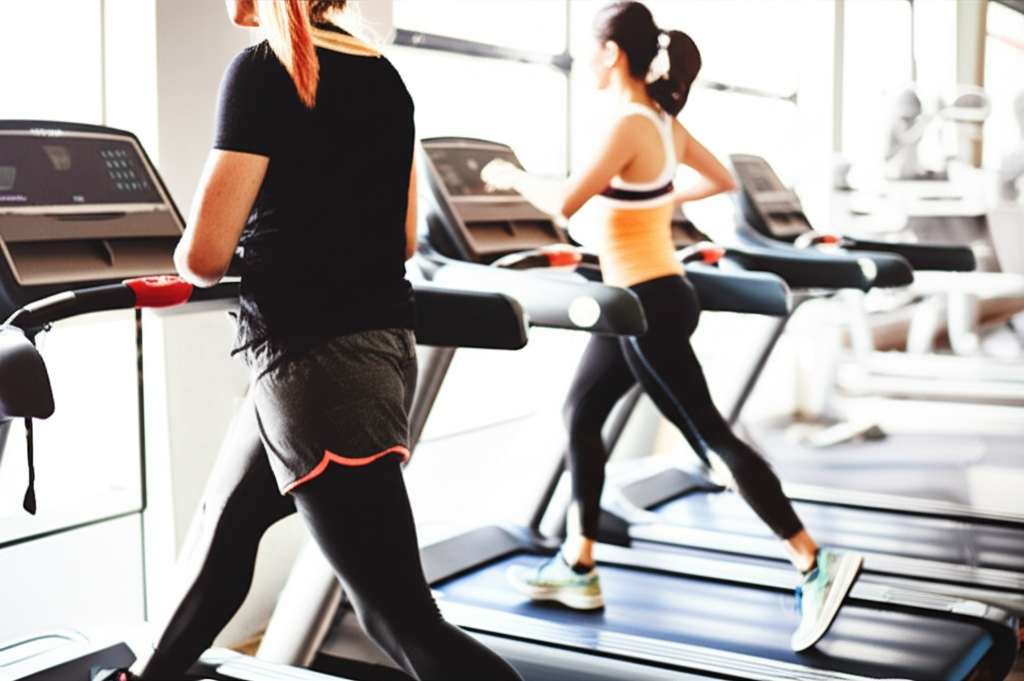
Quick Summary: Both treadmill and outdoor walking can effectively help reduce belly fat by burning calories and improving overall fitness. The best choice depends on your personal preferences, consistency, and ability to maintain an elevated heart rate. Focus on consistency and creating a calorie deficit for optimal results.
Deciding where to walk for weight loss, especially that stubborn belly fat, can feel a bit confusing. You see treadmills everywhere, promising a controlled workout, while the great outdoors beckons with fresh air and ever-changing scenery.
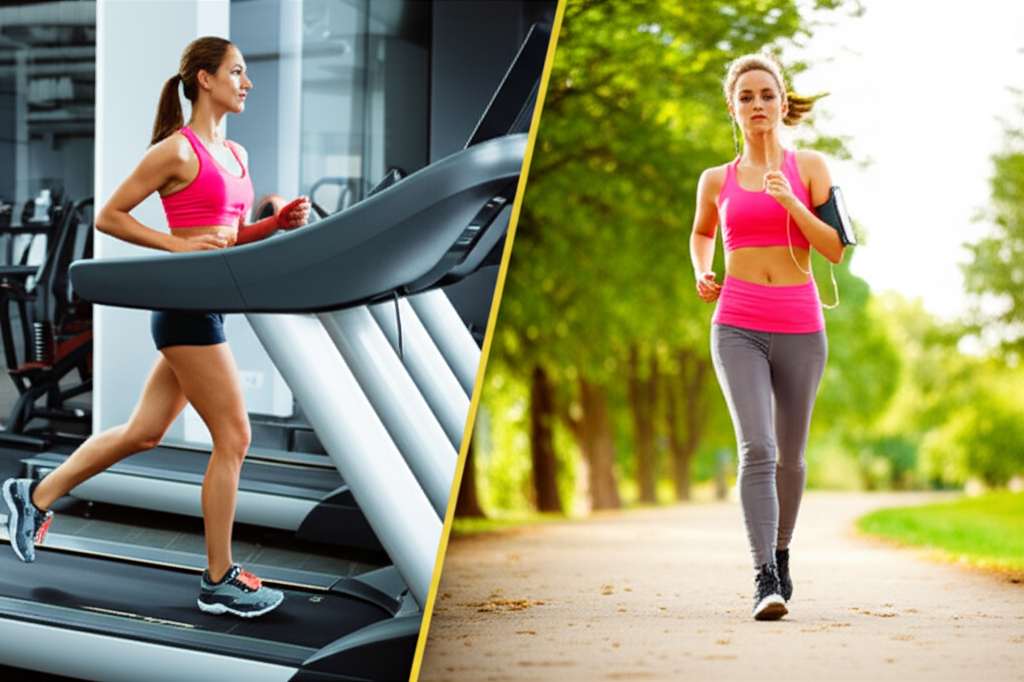
It’s totally normal to wonder which option is actually better for shedding those extra pounds around your middle. The good news is, you don’t have to pick the “perfect” place; you just need to pick a place and start moving!
This guide will break down the treadmill versus outdoor walking debate, making it super simple to choose what works best for you. We’ll look at the science, the practicalities, and how to make either choice a win for your belly fat goals.
Treadmill vs. Outdoors for Belly Fat: The Science Explained
When it comes to burning belly fat, the core principle is creating a calorie deficit. This means burning more calories than you consume. Both treadmill walking and outdoor walking contribute to this by increasing your energy expenditure.
Your body doesn’t specifically target belly fat when you exercise; instead, it burns fat from all over. However, as you lose overall body fat, you’ll naturally see a reduction in abdominal fat too. The key is consistent calorie burning over time.
Several factors influence how many calories you burn during a walk, including intensity, duration, and your body weight. Understanding these can help you maximize your efforts, whether you’re indoors or out.
Calorie Burn: The Great Debate
The number of calories you burn is primarily determined by the intensity and duration of your walk, and your body weight. A brisk walk will burn more calories than a leisurely stroll, regardless of location.
On a treadmill, you can precisely control your pace, incline, and time, making it easier to maintain a consistent, high-intensity workout. This can be very effective for calorie burning.
Outdoors, factors like wind resistance, hills, and uneven terrain can naturally increase the intensity and calorie burn. However, these variables can also make it harder to maintain a steady, challenging pace.
Metabolic Rate and Exercise
Both forms of walking can boost your metabolism. When you engage in physical activity, your body uses energy, and this can lead to a temporary increase in your resting metabolic rate, meaning you burn more calories even after you finish exercising.
Consistency is more important than the specific location. Regularly engaging in moderate-intensity exercise, like brisk walking, for at least 150 minutes per week is recommended by the Centers for Disease Control and Prevention (CDC) for significant health benefits, including weight management.
Walking on a Treadmill: Pros and Cons for Belly Fat
Treadmills offer a controlled environment that can be incredibly beneficial, especially for beginners or those looking for predictability in their workouts.
You can easily track your progress, adjust resistance, and ensure you’re hitting specific heart rate zones, which are crucial for effective fat burning. This makes it a powerful tool for consistent calorie expenditure.
Pros of Treadmill Walking:
- Controlled Environment: You can walk in any weather, at any time, without external distractions like traffic or uneven surfaces.
- Precise Control: Easily adjust speed, incline, and duration to maintain a specific intensity for optimal calorie burn and cardiovascular benefit.
- Safety: No risk of tripping on uneven ground, encountering traffic, or dealing with bad weather.
- Tracking and Progress: Most treadmills display time, distance, speed, calories burned, and heart rate, making it easy to monitor your progress.
- Incline Training: Many treadmills allow you to simulate hills, which significantly increases calorie burn and works different leg muscles.
Cons of Treadmill Walking:
- Can be Monotonous: The repetitive nature can lead to boredom, making it harder to stay motivated.
- Less Muscle Engagement: The moving belt can slightly reduce the effort needed from your leg muscles compared to pushing off the ground outdoors.
- Cost: Treadmills can be a significant investment if you want to buy one for home use. Gym memberships also incur costs.
- Less Natural Movement: The gait can feel slightly different than natural walking, and some people find it less engaging.
Walking Outdoors: Pros and Cons for Belly Fat
The great outdoors offers a dynamic and engaging environment that can make walking feel less like a chore and more like an adventure. The variety of scenery and the natural challenges can be very rewarding.
Engaging with the natural world can also provide mental health benefits, which are important for overall well-being and long-term adherence to an exercise routine. Plus, it’s usually free!
Pros of Outdoor Walking:
- Engaging and Varied: New scenery, sounds, and smells can keep your mind stimulated and prevent boredom.
- Natural Resistance: Walking on varied terrain (hills, grass, sand) and against wind engages more muscles and burns more calories.
- Mental Health Benefits: Fresh air, sunlight (Vitamin D), and nature can reduce stress and improve mood, boosting motivation.
- Free and Accessible: No equipment or membership fees are required; parks, trails, and sidewalks are usually readily available.
- Improved Balance and Coordination: Navigating uneven surfaces challenges your balance and strengthens stabilizing muscles.
Cons of Outdoor Walking:
- Weather Dependent: Rain, extreme heat, cold, or snow can make outdoor walking uncomfortable or impossible.
- Inconsistent Intensity: Difficult to maintain a consistent pace and heart rate due to traffic lights, pedestrians, and terrain changes.
- Safety Concerns: Risk of traffic accidents, uneven surfaces causing trips or falls, and potential for crime in certain areas.
- Requires More Planning: You might need to plan routes, consider safety, and have appropriate gear for different conditions.
- Pollution and Allergens: Air quality and pollen can be issues for some individuals, especially in urban or heavily wooded areas.
How to Maximize Belly Fat Loss with Walking
Regardless of whether you choose a treadmill or the outdoors, consistency and intensity are your best friends for shedding belly fat. Here’s how to make your walking routine super effective.
The goal is to burn enough calories to create a deficit, while also building lean muscle mass. Muscle helps boost your metabolism, meaning you burn more calories even at rest.
1. Aim for Consistency
The most crucial factor is sticking to your walking routine. Aim for at least 30 minutes of brisk walking most days of the week. Consistency helps build endurance and ensures a regular calorie burn.
Think of it like this: a consistent 30-minute walk five times a week is far more effective than one super-long, intense walk every two weeks. Your body thrives on routine!
2. Increase Intensity
To burn more calories and effectively target fat, you need to pick up the pace. Aim for a pace where you can talk but not sing. This is often referred to as moderate-intensity exercise.
- On the Treadmill: Increase speed or add incline. Even a small incline can make a big difference in calorie expenditure and muscle engagement.
- Outdoors: Seek out hills, walk faster, or incorporate short bursts of jogging. Varying your route with different inclines is key.
According to the American Heart Association, adults should aim for at least 150 minutes of moderate-intensity aerobic activity per week, which walking can easily fulfill.
3. Add Interval Training
Interval training involves alternating between periods of higher intensity and lower intensity. This is a fantastic way to boost calorie burn and improve cardiovascular fitness in a shorter amount of time.
Example Interval Walk:
- Warm-up: 5 minutes of easy walking.
- High Intensity: 1 minute of brisk walking (as fast as you can comfortably go).
- Recovery: 2 minutes of moderate walking.
- Repeat steps 2 and 3 for 15-20 minutes.
- Cool-down: 5 minutes of easy walking.
This type of training can be done both on a treadmill (by increasing speed or incline for intervals) and outdoors (by sprinting up hills or power-walking between landmarks).
4. Incorporate Strength Training
While walking is great for cardio, adding some strength training can accelerate belly fat loss. Building muscle increases your resting metabolic rate, meaning you burn more calories 24/7.
You don’t need a gym! Bodyweight exercises like squats, lunges, push-ups (even on your knees), and planks can be done anywhere. Aim for 2-3 strength training sessions per week.
A strong core is also essential for good posture and can make your midsection appear slimmer as you lose fat. Planks, crunches, and leg raises are excellent for this.
5. Focus on Nutrition
No amount of walking will outrun a poor diet. To lose belly fat, you must create a calorie deficit, and nutrition plays a huge role. Focus on whole, unprocessed foods.
- Lean Proteins: Chicken, fish, beans, tofu.
- Healthy Fats: Avocado, nuts, seeds, olive oil.
- Complex Carbohydrates: Whole grains, vegetables, fruits.
- Limit: Sugary drinks, processed snacks, excessive saturated fats.
Making small, sustainable changes to your diet is key. For example, swapping a sugary coffee for black coffee or water, or choosing fruit over a cookie.
Treadmill vs. Outdoors: Which Burns More Belly Fat?
When comparing treadmill vs. outdoors for belly fat, the reality is that both can be highly effective. The difference often comes down to how well you can control and maintain intensity.
A treadmill allows for precise control, making it easier to ensure you’re working hard enough consistently. You can program specific workouts that guarantee a certain calorie burn.
Outdoor walking, however, can sometimes burn more calories due to natural resistances like wind and varied terrain. If you’re good at pushing yourself on an outdoor walk, you might be burning slightly more.
Factors Influencing Calorie Burn:
| Factor | Treadmill Impact | Outdoor Impact |
|---|---|---|
| Speed | Easily controlled and consistent. | Can vary; requires conscious effort to maintain. |
| Incline | Precisely adjustable, simulating hills. | Natural terrain, can be unpredictable. |
| Resistance | Minimal (belt moves under you). | Wind resistance, uphill/downhill, sand, grass. |
| Consistency of Effort | High, due to controlled environment. | Moderate to high, depending on focus and terrain. |
| Muscle Engagement | Slightly less (belt assists leg push-off). | Slightly more (requires more push-off and stabilization). |
| Calorie Burn Potential | High and predictable. | Potentially higher with varied terrain and effort. |
Ultimately, the “best” option is the one you will do consistently and at a challenging enough intensity to burn calories. For many, the predictability of a treadmill makes it a more reliable tool for consistent fat loss.
Making Your Choice: What’s Right for You?
The decision between treadmill and outdoor walking boils down to your personal preferences, lifestyle, and what helps you stay motivated. There’s no single right answer, but there is a right answer for you.
Consider your personality. Are you someone who thrives on routine and data, or do you prefer variety and the spontaneity of nature? Your answer will guide you.
Consider These Questions:
- What do you enjoy more? Do you look forward to your walks, or do they feel like a chore?
- What is your schedule like? Do you have time for outdoor walks, or is a treadmill more convenient for a quick workout?
- What is your budget? Can you afford a treadmill or gym membership, or is free outdoor exercise more feasible?
- What are your fitness goals? Are you focused purely on calorie burn, or do you also want to enjoy the mental benefits of being outdoors?
- What is your local environment like? Are there safe, pleasant places to walk outdoors?
If you’re a beginner, starting with a treadmill might be easier as you build your fitness base and learn to gauge your effort. Once you’re comfortable, you can venture outdoors and apply what you’ve learned.
If you love being outside, embrace it! Just be mindful of maintaining a good pace and incorporating hills where possible to maximize your calorie burn.
Sample Walking Plans for Belly Fat Loss
Here are a couple of sample weekly plans to help you get started, whether you prefer the treadmill or the great outdoors. Remember to listen to your body and adjust as needed.
Sample Weekly Plan: Treadmill Focus
- Monday: 30 mins moderate-paced walk (e.g., 3.5 mph at 2% incline).
- Tuesday: 30 mins interval walk (e.g., 1 min at 4.5 mph/3% incline, 2 mins at 3 mph/1% incline, repeat).
- Wednesday: Rest or light stretching.
- Thursday: 35 mins moderate-paced walk (e.g., 3.3 mph at 3% incline).
- Friday: 30 mins incline walk (e.g., 3 mph at 5-8% incline).
- Saturday: 40 mins moderate-paced walk (e.g., 3.5 mph at 1% incline).
- Sunday: Active recovery (light walk, yoga) or rest.
Sample Weekly Plan: Outdoor Focus
- Monday: 30 mins brisk walk in a park or neighborhood, focusing on a steady pace.
- Tuesday: 30 mins walk with hills – find a route with inclines and walk briskly up them.
- Wednesday: Rest or light stretching.
- Thursday: 35 mins varied terrain walk (e.g., trails with some roots and inclines).
- Friday: 30 mins power walk – focus on speed and stride length.
- Saturday: 40 mins scenic walk – enjoy the journey, but maintain a brisk pace.
- Sunday: Active recovery (light walk, cycling) or rest.
Remember to warm up for 5 minutes before each walk and cool down for 5 minutes afterward. Hydration is also key, so drink water throughout the day!
Frequently Asked Questions (FAQ)
Q1: Can walking alone help me lose belly fat?
Yes, walking can significantly contribute to belly fat loss when combined with a consistent calorie deficit. It burns calories, improves metabolism, and builds endurance. However, for optimal results, pair it with a healthy diet.
Q2: How long does it take to see results from walking for belly fat?
Results vary based on individual factors like starting weight, diet, and consistency. You might start noticing changes within a few weeks, but significant belly fat reduction typically takes several months of consistent effort.
Q3: Is walking on an incline better than flat for belly fat?
Walking on an incline increases the intensity and engages your leg and glute muscles more, leading to a higher calorie burn. While it doesn’t directly target belly fat, the increased calorie expenditure aids overall fat loss, including from your abdomen.
Q4: Should I focus on speed or distance for belly fat loss?
For belly fat loss, focus on intensity. This means walking at a pace that elevates your heart rate (moderate intensity). This could be a faster pace over a shorter distance or a moderate pace over a longer distance. Interval training (alternating high and low intensity) is also very effective.
Q5: How many calories can I expect to burn walking?
Calorie burn varies greatly. A 155-pound person walking at 3.5 mph for 30 minutes on a flat surface burns about 149 calories. Walking at 4.0 mph or adding incline can increase this significantly. Use online calculators or fitness trackers for more personalized estimates.
Q6: Is it better to walk every day or have rest days?
While consistency is important, rest days are crucial for muscle recovery and preventing burnout. Aim for 5-6 days of walking per week, incorporating at least one full rest day or an active recovery day (like gentle stretching or yoga).
Conclusion
Whether you choose the controlled environment of a treadmill or the dynamic beauty of walking outdoors, both are fantastic tools for your belly fat loss journey. The “ultimate” guide isn’t about picking one over the other, but about understanding how to use each to your advantage.
The key takeaways are consistency, intensity, and a holistic approach. Combine your walking routine with a balanced, healthy diet, and consider adding some strength training. This combination will create the calorie deficit needed to shed that stubborn belly fat and improve your overall health.
Don’t get bogged down in the “where.” Get out there and walk. Find what you enjoy, make it a habit, and celebrate every step you take towards a healthier, happier you!
As an Amazon Associate, We earn from qualifying purchases. When you purchase a product through Amazon links on pulsefitguide.com, we may earn a small commission at no extra cost to you. This helps support the site and keep our content free.
