


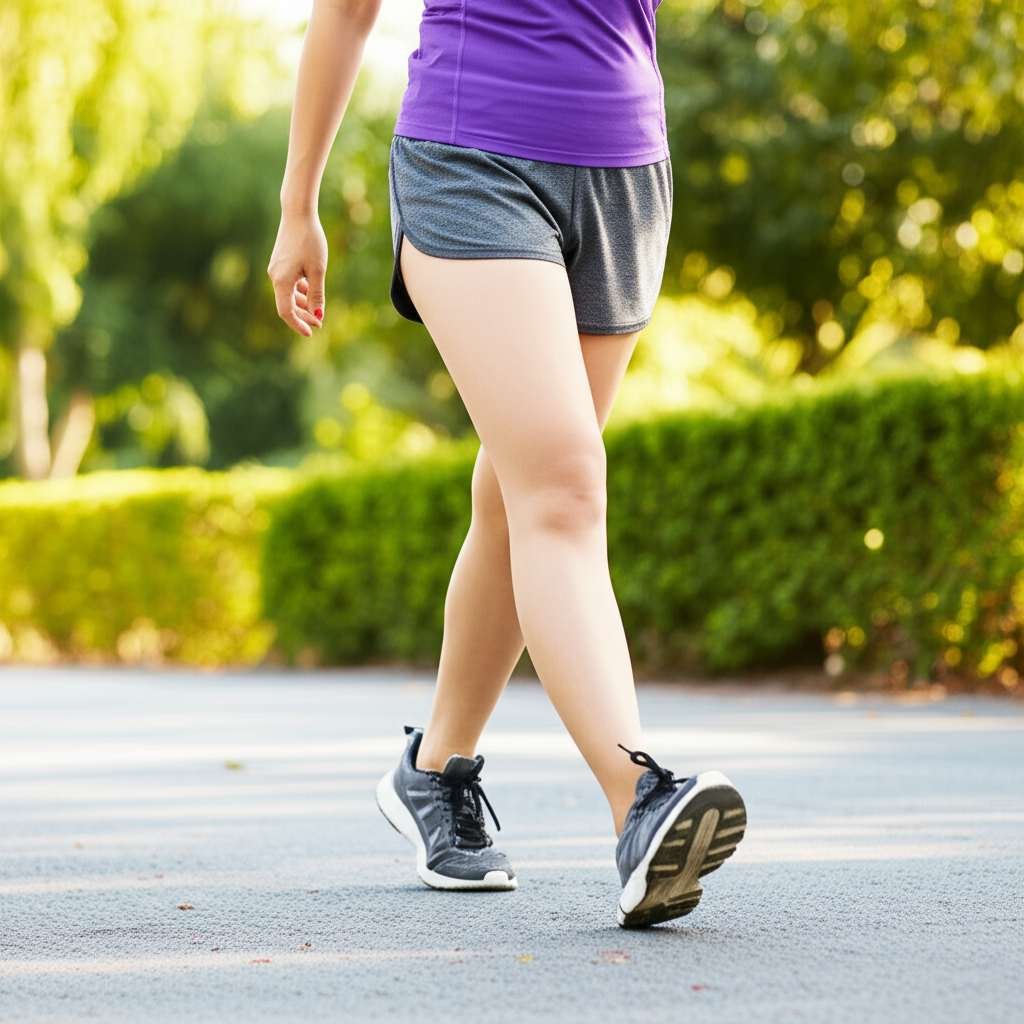
Yes, you absolutely can lose belly fat by walking! Combining consistent walking with a healthy diet is a powerful, beginner-friendly way to reduce stubborn abdominal fat. This guide breaks down exactly how to make walking work for you, step-by-step.
Struggling with belly fat can feel frustrating. You might wonder why it seems so hard to shed those extra inches around your waist, even when you try to be healthy.
It’s a common challenge, but the good news is that you don’t need complicated routines or expensive gym memberships to make a difference. Simple, consistent actions can lead to big results.
This guide is designed to give you a clear, easy-to-follow plan. We’ll show you how to use walking, a readily available activity, to effectively target belly fat. Get ready to discover a sustainable path to a healthier you!
Why Walking is Great for Losing Belly Fat
Walking is often overlooked as a powerful tool for weight loss, especially when it comes to reducing belly fat. It’s accessible, low-impact, and incredibly effective when done consistently.
Belly fat, also known as visceral fat, is linked to several health risks. The good news is that aerobic exercises like walking are excellent for reducing this type of fat. Walking helps burn calories, which is essential for creating the calorie deficit needed for fat loss.
Beyond just burning calories, walking also helps improve your body’s sensitivity to insulin. This can help regulate blood sugar and reduce fat storage, particularly around the abdomen. Plus, it’s a fantastic stress reliever, and stress can often contribute to weight gain and belly fat!
The Science Behind Walking and Fat Loss
When you walk, your body uses energy (calories) to fuel your muscles. If you consistently burn more calories than you consume, your body will start to tap into its fat stores for energy. This includes the stubborn belly fat.
Aerobic exercise, like walking, is particularly effective at targeting visceral fat. Studies have shown that regular moderate-intensity exercise can significantly reduce abdominal fat. A study published in the Journal of Obesity found that aerobic exercise was effective for weight loss and body fat reduction, including abdominal fat.
Furthermore, walking helps improve your metabolism. A faster metabolism means your body burns more calories even at rest. Consistent walking can lead to a sustained boost in your metabolic rate over time, making it easier to lose weight and keep it off.
How to Maximize Your Belly Fat Loss with Walking
To truly see results in losing belly fat through walking, you need a strategic approach. It’s not just about putting one foot in front of the other; it’s about making your walks count.
This involves varying the intensity and duration of your walks, finding the right frequency, and pairing your walking routine with a balanced diet. Think of it as a team effort between your steps and your plate!
Let’s break down the essential elements you need to focus on for the best belly fat-burning results.
1. Consistency is Key
The most important factor in losing belly fat with walking is to be consistent. Aim to walk most days of the week. Even short, regular walks are more effective than occasional long ones.
Your body needs a consistent signal that you’re active and burning calories. This regularity helps build momentum for fat loss and creates sustainable habits. Think of it like watering a plant; consistent hydration leads to growth!
A good starting goal is to aim for at least 150 minutes of moderate-intensity walking per week. This can be broken down into 30 minutes a day, five days a week.
2. Increase Your Intensity
While any walking is good, increasing your walking intensity can significantly boost calorie burn and fat loss. This means picking up your pace so you can feel your heart rate rise and you might find it a little harder to hold a full conversation.
Methods to Increase Intensity:
- Brisk Walking: Aim for a pace where you can talk but not sing.
- Incline Walking: Find hills in your neighborhood or use the incline feature on a treadmill. Walking uphill engages more muscles and burns more calories.
- Interval Training: Alternate between short bursts of fast walking (or jogging) and periods of slower recovery walking. This method is highly effective for fat burning.
For example, you could walk briskly for 3 minutes, then walk at a recovery pace for 2 minutes, and repeat this cycle for your entire walk.
3. Walk for Longer Durations
Once you’ve established a consistent walking habit, gradually increase the length of your walks. Longer walks allow your body to burn more calories and tap into fat reserves for fuel.
If you’re starting with 30-minute walks, try adding an extra 5-10 minutes each week. Aim to work up to longer sessions of 45-60 minutes, especially on days when you have more time.
Don’t feel like you need to do it all at once. Breaking up your walking into shorter, more frequent sessions throughout the day can also be effective. For instance, two 30-minute walks are just as beneficial as one 60-minute walk.
4. Incorporate Strength Training
While walking is excellent for burning calories, adding strength training can accelerate your belly fat loss. Muscle tissue burns more calories at rest than fat tissue, so building muscle can boost your metabolism.
You don’t need weights to start. Bodyweight exercises like squats, lunges, push-ups, and planks are highly effective. These exercises engage major muscle groups, helping to build lean muscle mass.
Aim to incorporate strength training 2-3 times per week on days you don’t do your longest walks, or after a shorter walk. This combination of cardio and strength training is a powerhouse for fat loss.
Here’s a simple bodyweight routine you can try:
| Exercise | Sets | Reps | Focus |
|---|---|---|---|
| Squats | 3 | 10-15 | Legs, Glutes |
| Push-ups (on knees if needed) | 3 | As many as possible (AMRAP) | Chest, Shoulders, Triceps |
| Lunges | 3 | 10-12 per leg | Legs, Glutes, Balance |
| Plank | 3 | Hold for 30-60 seconds | Core, Abs |
| Glute Bridges | 3 | 15-20 | Glutes, Hamstrings |
5. Monitor Your Progress
Keeping track of your progress can be a huge motivator. It helps you see what’s working and where you can make adjustments. Don’t just focus on the number on the scale; consider other indicators too.
Ways to Monitor:
- Waist Circumference: Use a measuring tape to measure your waist at your belly button. Aim for a reduction over time.
- How Your Clothes Fit: Notice if your favorite jeans feel looser or if your shirts aren’t as snug.
- Energy Levels: You’ll likely feel more energetic as you get fitter.
- Photos: Take progress photos every 4-6 weeks. Sometimes the visual changes are more apparent than what the scale shows.
It’s also helpful to track your walking. Use a fitness tracker, a smartphone app, or a simple notebook to record your daily steps, distance, and duration. This data can reveal patterns and encourage you to hit your goals.
The Crucial Role of Diet in Losing Belly Fat
While walking is a fantastic tool, it’s important to remember that you can’t out-walk a bad diet. Nutrition plays a massive role in losing belly fat. To effectively shed those inches, you need to pair your walking routine with healthy eating habits.
Focus on creating a slight calorie deficit – burning more calories than you consume. This doesn’t mean drastic dieting; it means making smart, sustainable food choices that nourish your body and support your fat loss goals.
Let’s look at the dietary adjustments that complement your walking efforts perfectly.
Prioritize Whole Foods
Building your diet around whole, unprocessed foods is key. These foods are packed with nutrients, fiber, and protein, which help you feel full and satisfied, making it easier to manage your calorie intake.
Examples of Whole Foods:
- Lean Proteins: Chicken breast, turkey, fish, beans, lentils, tofu.
- Fruits: Berries, apples, bananas, oranges.
- Vegetables: Broccoli, spinach, carrots, peppers, sweet potatoes.
- Whole Grains: Oats, quinoa, brown rice, whole-wheat bread.
- Healthy Fats: Avocados, nuts, seeds, olive oil.
These foods provide sustained energy for your walks and help your body recover effectively.
Control Portion Sizes
Even healthy foods can contribute to weight gain if eaten in excessive amounts. Being mindful of portion sizes is crucial for maintaining a calorie deficit.
Use smaller plates, measure out your servings, and pay attention to your body’s hunger and fullness cues. Eating slowly can also help your brain register when you’re full, preventing overeating.
A simple tip is to fill half your plate with vegetables, a quarter with lean protein, and a quarter with whole grains. This visual guide helps ensure balanced, controlled portions.
Limit Processed Foods and Sugary Drinks
Processed foods, sugary snacks, and drinks are often high in empty calories, unhealthy fats, and added sugars. These can contribute significantly to weight gain, especially around the abdomen.
Try to reduce your intake of:
- Sodas, sweetened juices, and energy drinks
- Candy, cookies, cakes, and pastries
- Fried foods and fast food
- Refined grains like white bread and white pasta
Cutting back on these items can make a substantial difference in your calorie intake and overall health.
Stay Hydrated
Drinking enough water is vital for overall health and can also aid in weight loss. Water helps boost your metabolism, keeps you feeling full, and aids in flushing out toxins.
Aim to drink at least 8 glasses (about 2 liters) of water per day. You might need more on days when you walk for longer periods or in warmer weather. Carry a reusable water bottle with you to sip throughout the day.
Sometimes, thirst can be mistaken for hunger. Staying well-hydrated can help curb unnecessary snacking.
Making Walking a Sustainable Habit
The biggest challenge for many people isn’t starting an exercise routine, but sticking with it. To make walking a sustainable part of your life for belly fat loss, you need to make it enjoyable and fit it into your routine seamlessly.
Think of this as building a lifestyle, not just a temporary fix. When you enjoy what you’re doing, you’re much more likely to keep doing it.
Here are some strategies to help you maintain your walking habit long-term:
Find Your “Why”
Connect with your personal reasons for wanting to lose belly fat. Is it for better health, more energy, improved confidence, or to keep up with your kids? Reminding yourself of your core motivation can help you push through tough days.
Write down your “why” and keep it somewhere visible, like on your fridge or as your phone background. When motivation wanes, revisit your reasons.
Schedule Your Walks
Treat your walks like any other important appointment. Block out time in your calendar for them. This makes them a priority and less likely to be skipped when other things come up.
Whether it’s first thing in the morning, during your lunch break, or after dinner, find a time that works consistently for you. Consistency breeds habit.
Make it Social
Walking with a friend, family member, or even a pet can make the experience much more enjoyable and help with accountability. You can chat, motivate each other, and make it a social outing.
Consider joining a local walking group or finding a walking buddy online. Having someone to walk with can turn a chore into a cherished part of your day.
Vary Your Routes
To prevent boredom, explore different walking paths. Discover new parks, trails, or interesting neighborhoods in your area. A change of scenery can make your walks feel fresh and exciting.
If you live in a city, there are many resources to find local walking routes, like park department websites or local tourism guides. For example, the National Park Service offers information on walking and hiking trails across the US.
Invest in Good Gear
Wearing comfortable, supportive shoes is essential for preventing injuries and making your walks more enjoyable. Good walking shoes can make a world of difference, especially for longer distances.
Consider moisture-wicking socks and comfortable athletic clothing. Being prepared with the right gear can remove potential excuses and make you feel more ready to go.
Putting It All Together: Your Walking Plan for Belly Fat Loss
Now that you understand the principles, let’s create a simple, actionable plan. This is designed for beginners, so feel free to adjust it based on your current fitness level.
Beginner Walking Plan (First 4 Weeks)
Goal: Establish a consistent walking habit and gradually increase duration.
- Frequency: 5 days per week.
- Duration: Start with 20-30 minutes per walk.
- Intensity: Moderate pace (you can talk but not sing).
- Focus: Consistency and building endurance.
Week 1-2: Walk 5 days for 20 minutes each day at a moderate pace. Focus on making it a daily habit.
Week 3-4: Increase to 5 days per week for 30 minutes each day. If you feel good, start incorporating one slightly brisker walk per week.
Intermediate Walking Plan (Weeks 5-12)
Goal: Increase intensity and duration, introduce interval walking.
- Frequency: 5-6 days per week.
- Duration: Aim for 30-45 minutes per walk.
- Intensity: Mix moderate walks with 1-2 days of brisk walking or interval training.
- Focus: Burning more calories and building strength.
Week 5-8: Walk 5 days for 30-40 minutes. Include one day of brisk walking for the full duration or try 20 minutes of intervals (e.g., 1 min fast, 2 min recovery, repeated).
Week 9-12: Walk 5-6 days for 40-45 minutes. Increase brisk walking days to two, or increase the intensity of your intervals (e.g., 1 min fast, 1 min recovery). Consider adding 2 days of bodyweight strength training.
Advanced Walking Plan (Beyond 12 Weeks)
Goal: Maintain consistency, further increase intensity and duration, or explore new challenges.
- Frequency: 5-7 days per week.
- Duration: 45-60 minutes per walk.
- Intensity: Continue with a mix of brisk walking, incline walking, and interval training.
- Focus: Sustained fat loss and overall fitness.
Continue to challenge yourself by increasing the incline, length of your fast intervals, or exploring longer walking routes. You can also add more strength training sessions or try new activities like hiking.
Remember to listen to your body. If you need a rest day, take it! Recovery is just as important as the activity itself.
Frequently Asked Questions (FAQ)
Q1: How many steps do I need to take to lose belly fat?
While there’s no magic number, aiming for 10,000 steps per day is a great general goal for overall health and can contribute to fat loss. For targeted belly fat reduction, focus more on the duration and intensity of your walks rather than just step count. Combining your steps with a calorie deficit from diet is most effective.
Q2: How long will it take to see results from walking?
Results vary depending on your starting point, consistency, diet, and intensity. However, many people start to notice changes in their energy levels and how their clothes fit within 2-4 weeks. Significant belly fat reduction typically takes consistent effort over several months.
Q3: Can I lose belly fat by walking only 20 minutes a day?
Yes, even 20 minutes of brisk walking daily can contribute to belly fat loss, especially if you’re consistent and pair it with a healthy diet. As you get fitter, you can gradually increase the duration or intensity to see more significant results.
Q4: Does walking burn belly fat specifically, or fat all over?
Spot reduction (losing fat from one specific area) isn’t really possible. When you lose weight through activities like walking, your body loses fat from all over. However, walking is an excellent aerobic exercise that effectively reduces overall body fat, including visceral belly fat.
Q5: What’s the best time of day to walk for belly fat loss?
The best time to walk is the time you can stick to consistently. Some people find morning walks boost their metabolism for the day, while others prefer evening walks to de-stress. Choose a time that fits your schedule and preferences to ensure consistency.
Q6: Should I walk every single day to lose belly fat?
While consistency is key, it’s also important to include rest days. Aim for 5-6 days of walking per week, allowing your body time to recover and rebuild. Rest days are crucial for preventing burnout and injury, ensuring you can maintain your routine long-term.
Conclusion
Losing belly fat through walking is a highly achievable and sustainable goal. By focusing on consistency, gradually increasing your intensity and duration, and supporting your efforts with a balanced diet, you are setting yourself up for success.
Remember that walking is more than just exercise; it’s a lifestyle choice that benefits your physical and mental health. Celebrate every step you take towards a healthier, happier you. Be patient with yourself, stay committed, and enjoy the journey to a leaner, stronger body!
As an Amazon Associate, We earn from qualifying purchases. When you purchase a product through Amazon links on pulsefitguide.com, we may earn a small commission at no extra cost to you. This helps support the site and keep our content free.
