



Yes, you can lose weight by walking on the beach! It’s an effective, enjoyable way to burn calories, build muscle, and boost your metabolism, especially when you consider the unique challenges the sand presents. This guide will show you how to maximize your beach walks for weight loss.
Feeling a bit confused about weight loss? You’re not alone! Many people find it hard to figure out the best ways to shed pounds. Sometimes, the advice out there seems complicated or even impossible to follow.
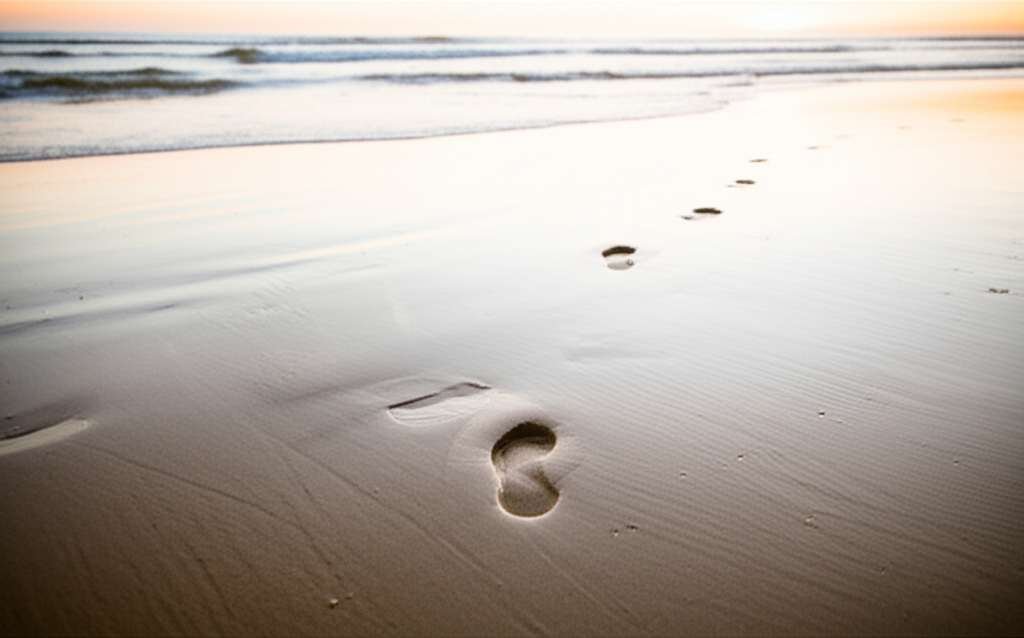
But what if I told you that a simple stroll on the beach could be a powerful tool in your weight loss journey? It’s true! The unique environment of the beach offers benefits you might not find at your local gym.
In this guide, we’ll break down exactly how walking on the beach can help you lose weight, what makes it different, and how you can make it a regular, effective part of your fitness routine. Let’s dive in!
Can I Lose Weight By Walking On The Beach? The Science Explained
The short answer is a resounding yes! Walking on the beach can absolutely contribute to weight loss, and in some ways, it’s even more effective than walking on a flat, hard surface. The secret lies in the effort your body needs to expend to navigate the soft, uneven terrain of sand.
When you walk on sand, your muscles work harder with every step. This increased effort means you burn more calories compared to walking the same distance on a firm path. Think of it like walking through water – your legs have to push against something that gives way, requiring more energy.
Weight loss fundamentally comes down to a calorie deficit: burning more calories than you consume. Walking on the beach is a fantastic way to increase your calorie expenditure, helping you achieve that deficit naturally and enjoyably.
The Unique Benefits of Beach Walking for Weight Loss
Why is the beach so special for weight loss? It’s not just about the view! Several factors contribute to its effectiveness:
- Increased Calorie Burn: As mentioned, the sand is your natural treadmill. Studies suggest walking on sand can burn significantly more calories than walking on a hard surface. One study from the University of Wisconsin-La Crosse found that walking on soft sand required 2.4 times more energy than walking on a hard surface.
- Muscle Engagement: The instability of sand forces your stabilizing muscles, particularly in your ankles, calves, and feet, to work overtime. This leads to better muscle toning and a slight increase in muscle mass, which in turn boosts your metabolism.
- Cardiovascular Workout: The extra effort required translates to a more robust cardiovascular workout. Your heart rate will likely be higher during a beach walk, improving your heart health and endurance.
- Mental Well-being: The calming effect of the ocean and the fresh air can reduce stress. High stress levels are often linked to weight gain, so enjoying a relaxing walk can indirectly support your weight loss goals by lowering cortisol levels.
- Improved Balance and Proprioception: Constantly adjusting to the shifting sand enhances your balance and proprioception (your body’s awareness of its position in space). This can be beneficial for overall physical fitness and injury prevention.
How Much Weight Can You Lose?
The amount of weight you can lose by walking on the beach depends on several factors, including:
- Duration and Frequency: How long and how often you walk.
- Intensity: How briskly you walk.
- Your Body Weight: Heavier individuals generally burn more calories.
- Diet: Weight loss is most effective when combined with a healthy diet.
As a general guideline, a brisk 30-minute walk on the beach can burn anywhere from 200 to 400 calories, potentially more than the same walk on a paved surface. Consistent walking, combined with a balanced diet, can lead to a sustainable weight loss of 1-2 pounds per week, which is the medically recommended rate for healthy weight loss. Remember, sustainable weight loss is key!
Getting Started: Your Step-by-Step Beach Walking Plan
Ready to hit the sand? Here’s how to make your beach walks count for weight loss.
Step 1: Choose Your Beach Wisely
Not all beaches are created equal for walking. Look for:
- Smooth, firm sand: While soft sand offers a greater workout, very deep, loose sand can be hard on your joints. A good balance is key.
- Access to parking or public transport: Make it easy to get there.
- Safety: Beaches with lifeguards during peak hours and well-maintained paths are ideal.
Step 2: Gear Up for Comfort and Safety
What you wear can make a big difference:
- Footwear: While many prefer barefoot walking on sand to feel more connected, it’s crucial to protect your feet. Barefoot walking can increase the risk of cuts, stubbed toes, or stepping on sharp objects. Consider lightweight, water-friendly athletic shoes designed for sand or water sports. If you choose to go barefoot, be extra cautious and stick to areas you know are clear of debris.
- Sun Protection: A wide-brimmed hat, sunglasses, and broad-spectrum sunscreen are non-negotiable to prevent sunburn and long-term skin damage. The sun’s rays are more intense near water and can reflect off the sand.
- Hydration: Bring plenty of water! You’ll sweat more than you think, and staying hydrated is vital for performance and health.
- Comfortable Clothing: Lightweight, breathable fabrics will help you stay cool.
Step 3: Warm-Up
Before you start your walk, a short warm-up is essential to prepare your muscles and prevent injuries. Spend 5-10 minutes doing:
- Ankle circles: Rotate your ankles in both directions.
- Leg swings: Gently swing your legs forward and backward, and side to side.
- Arm circles: Swing your arms forward and backward to loosen up your shoulders.
- Light marching in place: Get your blood flowing.
Step 4: Start Walking!
Begin at a comfortable pace. As you warm up, gradually increase your speed. Focus on maintaining good posture: stand tall, engage your core, and swing your arms naturally.
Try to walk on the wetter, firmer sand closer to the water’s edge. This surface provides more support and is easier on your feet and joints than the dry, loose sand further up the beach.
Step 5: Vary Your Walk
To keep your body challenged and prevent boredom, mix things up:
- Incorporate intervals: Alternate between brisk walking and a more relaxed pace.
- Walk at an incline: If there are dunes or slight inclines, walk up them for an extra challenge.
- Add some strength moves: Pause for some bodyweight squats or lunges on firmer sand.
Step 6: Cool-Down and Stretch
After your walk, spend 5-10 minutes cooling down with a slower pace. Then, gently stretch your major leg muscles:
- Calf stretch: Lean against a stable surface with one leg back, heel down.
- Hamstring stretch: Sit or stand and gently reach towards your toes.
- Quad stretch: Stand on one leg and pull the other foot towards your glutes.
Maximizing Your Beach Walks for Weight Loss: Tips and Tricks
Want to get the most out of every sandy step? Here are some advanced tips:
Incorporate Intervals
Interval training is a highly effective method for boosting calorie burn and improving cardiovascular fitness. Alternate between periods of high intensity (brisk walking or jogging on the sand) and lower intensity (recovery walking).
For example, a 30-minute walk could look like this:
- 5 minutes warm-up
- 2 minutes brisk walking
- 1 minute recovery walking
- Repeat brisk/recovery intervals for 20 minutes
- 5 minutes cool-down
Walk Barefoot (with Caution!)
Walking barefoot on sand can provide a deeper connection to the earth and allow your foot muscles to work more naturally. However, it’s crucial to be aware of potential hazards like sharp shells, rocks, or broken glass. Stick to cleaner areas, and if you have any foot conditions or concerns, consult with a doctor before going barefoot.
The benefits of barefoot walking on sand include:
- Enhanced foot and ankle strength
- Improved proprioception
- Natural foot mechanics
Hydrate and Fuel Smartly
The sun and exertion will dehydrate you quickly. Carry a reusable water bottle and sip regularly. After your workout, replenish your body with a balanced snack that includes protein and carbohydrates, like a piece of fruit with a handful of nuts or a Greek yogurt.
Consider the Time of Day
Walking during the cooler parts of the day, like early morning or late afternoon, can make your workout more comfortable and reduce the risk of heatstroke. Plus, sunrise and sunset walks offer beautiful scenery!
Make it a Social Activity
Walking with a friend or family member can increase your motivation and make the time fly by. You can encourage each other and hold each other accountable.
Track Your Progress
Use a fitness tracker or a simple pedometer to monitor your steps, distance, and estimated calories burned. Seeing your progress can be a great motivator!
The Role of Diet in Beach Walking Weight Loss
While walking on the beach is an excellent way to burn calories, it’s crucial to remember that diet plays a significant role in weight loss. You can’t out-walk a poor diet.
To achieve sustainable weight loss, focus on:
- Nutrient-Dense Foods: Fill your plate with fruits, vegetables, lean proteins, and whole grains. These foods provide essential nutrients and keep you feeling full.
- Portion Control: Be mindful of how much you’re eating. Even healthy foods can lead to weight gain if consumed in excess.
- Limit Processed Foods and Sugary Drinks: These often provide empty calories and can hinder your weight loss efforts.
- Listen to Your Body: Eat when you’re hungry and stop when you’re satisfied.
A healthy diet complements your beach walks perfectly, creating the calorie deficit needed for effective weight loss. For more detailed dietary guidance, resources like the U.S. Department of Agriculture’s MyPlate program offer excellent, science-backed recommendations: MyPlate.gov.
Walking on the Beach vs. Other Exercises
How does beach walking stack up against other common weight-loss activities? Let’s compare:
| Exercise | Calorie Burn (Estimated per 30 mins) | Muscle Engagement | Impact on Joints | Accessibility | Mental Benefits |
|---|---|---|---|---|---|
| Walking on Beach (Brisk) | 200-400+ calories | High (stabilizing muscles, legs) | Moderate (sand absorbs shock, but can be uneven) | Requires beach access | High (nature, relaxation) |
| Walking on Pavement (Brisk) | 150-250 calories | Moderate (legs) | Low to Moderate | High (widely accessible) | Moderate (if in a park or pleasant area) |
| Running on Treadmill | 300-500+ calories | High (legs, cardiovascular) | Moderate to High (depending on setting) | Requires gym or home treadmill | Moderate (can be monotonous) |
| Cycling (Moderate Pace) | 250-400 calories | Moderate (legs, core) | Low | Requires bike and suitable terrain | Moderate to High (if scenic) |
| Swimming (Moderate Pace) | 200-400 calories | Full Body | Very Low | Requires pool or safe water access | High (relaxing, therapeutic) |
As you can see, walking on the beach offers a unique blend of increased calorie burn, robust muscle engagement, and significant mental health benefits that are hard to match, especially when considering its accessibility (if you live near a coast) and low cost.
Potential Challenges and How to Overcome Them
While beach walking is fantastic, there are a few things to be aware of:
- Uneven Terrain: The sand can be unpredictable, leading to rolled ankles.
- Solution: Wear supportive footwear, walk on firmer sand near the water, and be mindful of your steps.
- Dehydration and Heat: The sun and heat can be intense.
- Solution: Hydrate constantly, wear sun protection, and walk during cooler parts of the day.
- Sand Getting Everywhere: Shoes, clothes, and even your hair can end up with sand.
- Solution: Embrace it as part of the beach experience! Bring a towel and a brush to clean up afterward.
- Accessibility: Not everyone lives near a beach.
- Solution: If beach access is difficult, consider sand-like surfaces in parks (if available) or focus on other forms of walking and exercise. You can also replicate some benefits by walking on soft surfaces like grass or trails.
Frequently Asked Questions (FAQ)
Q1: How long should I walk on the beach to lose weight?
Aim for at least 30 minutes of brisk walking most days of the week. Consistency is key. Gradually increase the duration or intensity as your fitness improves.
Q2: Is walking barefoot on the beach good for weight loss?
Walking barefoot can increase muscle engagement and calorie burn due to the effort of stabilizing your feet. However, it carries a higher risk of injury. If you choose to walk barefoot, do so cautiously on clean, safe sand, and consider it as a complementary activity rather than your sole method.
Q3: Can I walk on the beach in the water?
Yes, walking in shallow water can provide added resistance, making your workout more challenging and burning more calories. It also offers a cooling effect on hot days.
Q4: What’s the best time of day to walk on the beach for weight loss?
The best time is generally during the cooler parts of the day, such as early morning or late afternoon/early evening. This helps prevent overheating and sunburn while still providing an effective workout.
Q5: How many calories do I burn walking on the beach compared to pavement?
You can burn significantly more calories on the beach, potentially 1.5 to 2.5 times as many, due to the increased effort required to walk on the soft, uneven sand. For example, a 30-minute brisk walk on sand might burn 300-400+ calories, while the same walk on pavement might burn 150-250 calories.
Q6: Do I need special shoes for walking on the beach?
While many people prefer going barefoot, lightweight, water-friendly athletic shoes or sandals designed for sand can offer protection and support. If you have any foot issues, consult a healthcare professional about the best footwear for you.
Q7: How does walking on the beach affect my muscles?
The soft sand forces your stabilizing muscles in your feet, ankles, and calves to work harder to maintain balance. This leads to increased muscle engagement, toning, and a slight boost in your metabolism compared to walking on a firm surface.
Conclusion: Embrace the Sand for a Healthier You
So, can you lose weight by walking on the beach? Absolutely! It’s a wonderfully accessible, enjoyable, and effective way to boost your calorie burn, strengthen your muscles, and improve your overall health. The unique challenges of sand make it a natural fitness playground.
Remember to stay hydrated, protect yourself from the sun, and listen to your body. Combine your beach walks with a balanced, nutritious diet, and you’ll be well on your way to achieving your weight loss goals. It’s not just about shedding pounds; it’s about building sustainable healthy habits and enjoying the journey. So, lace up those shoes (or go barefoot if you choose!) and head to the coast for a walk that benefits your body and your mind.
As an Amazon Associate, We earn from qualifying purchases. When you purchase a product through Amazon links on pulsefitguide.com, we may earn a small commission at no extra cost to you. This helps support the site and keep our content free.
