



Yes, you absolutely can lose weight walking on a treadmill every day! It’s a fantastic, accessible way to burn calories and improve your fitness. Consistency is key, and combining your treadmill walks with a balanced diet will lead to effective and sustainable weight loss. This guide breaks down exactly how to do it.
Starting a weight loss journey can feel overwhelming, especially when you’re just beginning. You might be wondering if a simple activity like walking on a treadmill every day is enough to see results. It’s a common question, and the good news is that it definitely can be!
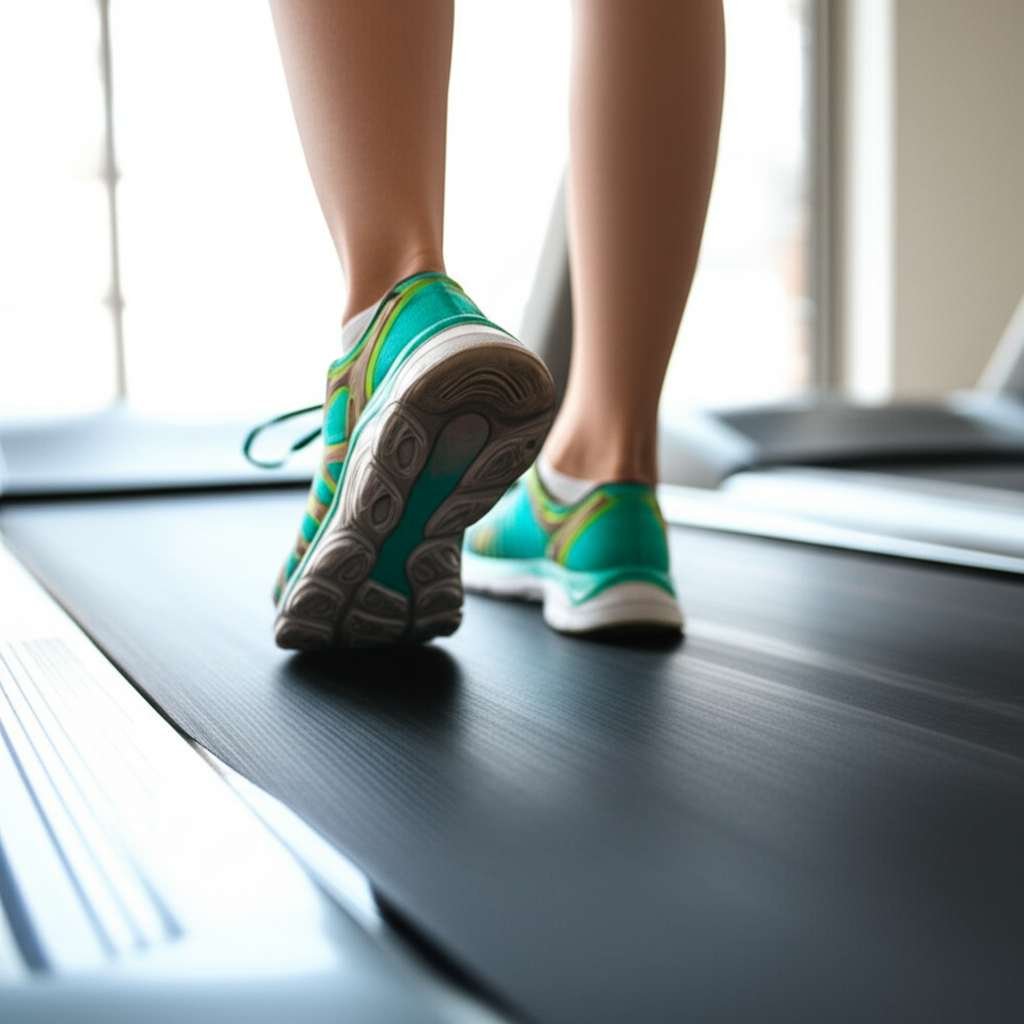
Many people find treadmills to be a convenient and safe way to exercise, especially when they can’t get outdoors. We’re going to walk through exactly how to make your daily treadmill sessions effective for weight loss. Get ready to learn the simple steps and smart strategies that will help you reach your goals.
Can I Lose Weight Walking on a Treadmill Everyday? The Science Explained
The short answer is a resounding yes! Walking on a treadmill every day can absolutely help you lose weight. The fundamental principle of weight loss is creating a calorie deficit – burning more calories than you consume. Treadmill walking is a fantastic tool for increasing your calorie expenditure.
When you walk, your body uses energy, which comes from the calories you eat. By consistently walking, you’re steadily burning those calories. Over time, if this daily calorie burn consistently exceeds your daily intake, you will lose weight. It’s a straightforward equation that makes treadmill walking a powerful ally in your weight loss journey.
The key to success isn’t just stepping onto the treadmill; it’s about how you use it and what else you do. We’ll explore how to maximize your efforts and make every step count.
How Treadmill Walking Contributes to Weight Loss
Treadmill walking impacts weight loss in several key ways, making it a highly effective exercise for beginners and experienced individuals alike.
- Calorie Burning: This is the most direct way treadmill walking aids weight loss. The longer and faster you walk, the more calories you burn. A consistent daily walk adds up significantly over weeks and months.
- Metabolic Boost: Regular exercise, including brisk walking, can help boost your metabolism. A faster metabolism means your body burns more calories even when you’re at rest, contributing to weight loss.
- Muscle Engagement: While primarily a cardiovascular exercise, walking engages various leg and core muscles. This muscle activity also burns calories and, over time, can contribute to building lean muscle mass, which further supports a higher metabolism.
- Cardiovascular Health: Beyond weight loss, treadmill walking significantly improves heart health. A stronger cardiovascular system makes it easier for your body to perform daily activities, and it can improve your stamina for longer, more effective workouts.
- Stress Reduction: Exercise is a proven stress reliever. Stress can sometimes lead to weight gain due to hormonal changes and emotional eating. Regular treadmill walks can help manage stress, indirectly supporting your weight loss efforts.
Factors Affecting Weight Loss on a Treadmill
While walking on a treadmill every day is beneficial, several factors influence how much weight you can lose. Understanding these will help you optimize your efforts.
1. Duration and Intensity of Your Walks
The longer you walk and the faster you walk (or the steeper the incline), the more calories you will burn. A leisurely 20-minute stroll will burn fewer calories than a brisk 45-minute power walk.
Intensity can be measured by your heart rate or perceived exertion. Aiming for a pace where you can talk but not sing is a good indicator of a moderate intensity. For more advanced users, increasing the incline can significantly boost calorie burn without needing to increase speed.
2. Your Body Weight
Generally, heavier individuals burn more calories doing the same activity as lighter individuals. This is because it takes more energy to move a larger mass. So, if you are starting at a higher weight, you might see faster initial weight loss results from your treadmill walks.
3. Diet and Nutrition
This is arguably the most crucial factor. You cannot out-walk a bad diet. While treadmill walking burns calories, consuming excessive calories will counteract your efforts. For sustainable weight loss, your diet needs to be in a calorie deficit.
Focus on whole, unprocessed foods, lean proteins, plenty of vegetables, and healthy fats. Understanding portion sizes and being mindful of what you eat is just as important as your daily walk. Learn more about creating a healthy eating plan from resources like the National Heart, Lung, and Blood Institute (NHLBI).
4. Consistency
Walking every day, as the keyword suggests, is key. Sporadic workouts won’t yield the same results as a consistent routine. Your body adapts to regular activity, and consistency helps maintain a steady calorie deficit and build sustainable fitness habits.
5. Metabolism and Genetics
Your individual metabolism and genetic makeup play a role in how efficiently your body burns calories and stores fat. While you can’t change your genetics, you can influence your metabolism through diet and exercise.
How to Start Losing Weight with a Treadmill: A Step-by-Step Guide
Ready to get started? Here’s a simple, step-by-step plan to help you effectively use your treadmill for weight loss.
Step 1: Consult Your Doctor
Before starting any new exercise program, especially if you have pre-existing health conditions, it’s always a good idea to chat with your doctor. They can offer personalized advice and ensure your plan is safe and suitable for you.
Step 2: Set Realistic Goals
What do you want to achieve? Is it a specific number on the scale, fitting into old clothes, or simply feeling more energetic? Having clear, achievable goals will keep you motivated. Aim for gradual weight loss, around 1-2 pounds per week, which is considered healthy and sustainable by experts like the Centers for Disease Control and Prevention (CDC).
Step 3: Start Slowly and Build Up
If you’re new to exercise, don’t try to run a marathon on your first day. Begin with shorter, moderate-intensity walks and gradually increase the duration and intensity as your fitness improves.
Beginner Treadmill Walking Schedule Example:
Week 1-2: 20-30 minutes of brisk walking, 5 days a week. Focus on maintaining a comfortable pace where you can hold a conversation.
Week 3-4: Increase to 30-40 minutes, 5-6 days a week. You can start to gradually increase the speed or add a slight incline (1-2%) for a few minutes during your walk.
Month 2 onwards: Aim for 40-60 minutes, 5-7 days a week. Introduce more variety by incorporating interval training (alternating between higher and lower intensity periods) or steeper inclines.
Step 4: Focus on Intensity and Duration
As you get fitter, challenge yourself to burn more calories. This can be done by:
- Increasing Speed: A faster pace burns more calories in the same amount of time.
- Adding Incline: Walking on an incline mimics uphill terrain and significantly increases calorie burn and muscle engagement without high impact.
- Extending Duration: Longer walks naturally burn more calories.
A good target for weight loss is to aim for at least 150 minutes of moderate-intensity aerobic activity per week, as recommended by health organizations. Daily treadmill walking easily helps you meet this goal.
Step 5: Incorporate Variety
To prevent boredom and continue challenging your body, vary your treadmill workouts. Try these ideas:
- Interval Training: Alternate between periods of fast walking or jogging and recovery periods of slower walking. For example, walk briskly for 2 minutes, then recover with a slower pace for 1 minute, and repeat.
- Incline Training: Set the treadmill to a challenging incline and maintain a steady pace. This is great for targeting your glutes and hamstrings.
- Hill Workouts: Mimic natural hills by gradually increasing the incline for a few minutes, then decreasing it back down.
Step 6: Track Your Progress
Monitoring your progress can be a great motivator. This can include:
- Weight: Weigh yourself once a week, at the same time of day.
- Measurements: Take body measurements (waist, hips, etc.) every few weeks.
- How You Feel: Notice improvements in your energy levels, sleep, and mood.
- Workout Data: Many treadmills display calories burned, distance, and time. Keep a log!
Step 7: Fuel Your Body Wisely
As mentioned, diet is crucial. Focus on a balanced diet rich in lean protein, fruits, vegetables, and whole grains. Portion control is key. Hydration is also vital; drink plenty of water throughout the day.
Consider consulting a registered dietitian or nutritionist for personalized dietary guidance. They can help you create a meal plan that complements your exercise routine and supports your weight loss goals.
Maximizing Calorie Burn on the Treadmill
Want to get the most out of every treadmill session? Here are some tips to boost your calorie burn:
- Walk Briskly: Aim for a pace that elevates your heart rate and makes you breathe harder but still allows you to speak in short sentences.
- Use the Incline Feature: Even a small incline (1-3%) can significantly increase calorie expenditure. Gradually increase the incline as you get fitter.
- Incorporate Intervals: Alternating high-intensity bursts with recovery periods is highly effective for calorie burning and improving cardiovascular fitness.
- Add Arm Movements: Swing your arms naturally and with purpose. You can even do light arm exercises like bicep curls or shoulder presses with light dumbbells while walking, provided it doesn’t compromise your posture or safety.
- Increase Duration: If possible, extend your walking time. An extra 10-15 minutes can make a noticeable difference in calorie burn over time.
- Wear Appropriate Shoes: Good, supportive running or walking shoes can prevent injuries and allow you to walk more comfortably and for longer.
Treadmill Walking vs. Other Exercises for Weight Loss
Treadmill walking is a fantastic exercise, but how does it stack up against other popular weight loss activities? Here’s a brief comparison:
| Exercise | Pros for Weight Loss | Cons for Weight Loss | Beginner Friendliness |
|---|---|---|---|
| Treadmill Walking | Accessible, low-impact, customizable intensity, burns significant calories, good for cardiovascular health. | Can be monotonous, requires motivation for consistency, calorie burn depends heavily on speed/incline. | Very high. Easy to control pace and incline. |
| Running Outdoors/Treadmill | Higher calorie burn per minute than walking, improves endurance significantly. | Higher impact (risk of injury), requires better fitness level, weather dependent (outdoors). | Moderate to Low. Higher risk of injury for beginners. |
| Cycling (Stationary or Outdoors) | Low-impact, great for leg strength, good cardiovascular workout. | May not engage upper body as much, can be monotonous (stationary), requires balance (outdoors). | High. Easy to control resistance and pace. |
| Strength Training (Weights) | Builds muscle mass, which boosts metabolism; effective for body composition changes. | Doesn’t burn as many calories during the workout as cardio, requires learning proper form. | Moderate. Requires learning proper technique to avoid injury. |
| High-Intensity Interval Training (HIIT) | Very high calorie burn in short time, “afterburn” effect (EPOC). | High intensity, not suitable for absolute beginners, higher risk of injury if not done correctly. | Low. Requires a good fitness base. |
For beginners, treadmill walking offers an excellent balance of effectiveness, safety, and accessibility. It’s a perfect starting point, and you can always incorporate other exercises as you progress.
Potential Challenges and How to Overcome Them
Even with a great tool like the treadmill, you might face a few hurdles. Here’s how to tackle them:
1. Boredom
Doing the same thing every day can get dull. To combat this:
- Listen to Podcasts or Audiobooks: Immerse yourself in a story or learn something new.
- Watch TV Shows or Movies: Catch up on your favorite series while you walk.
- Create Playlists: Energetic music can boost your mood and pace.
- Vary Your Workout: As discussed, use intervals, inclines, and different speeds.
- Join an Online Fitness Community: Share your progress and get support from others.
2. Motivation Slumps
Some days, getting on the treadmill will feel like a chore. When this happens:
- Remember Your “Why”: Revisit your goals and the reasons you started.
- Schedule It: Treat your treadmill time like an important appointment.
- Find a Workout Buddy: Even if they aren’t on a treadmill, having someone to check in with can help.
- Reward Yourself: Set small milestones and celebrate your achievements (with non-food rewards!).
- Lower the Bar (Temporarily): If you’re really struggling, do a shorter or less intense workout. It’s better than skipping it entirely.
3. Plateaus
You might find your weight loss stalls. This is normal! To break through:
- Increase Intensity: Add more challenging inclines or faster intervals.
- Increase Duration: Add 10-15 minutes to your walks.
- Adjust Your Diet: Ensure you’re still in a calorie deficit. Sometimes, small adjustments to your eating habits are needed.
- Incorporate Strength Training: Building muscle can help boost your metabolism.
Frequently Asked Questions (FAQ) About Treadmill Walking for Weight Loss
Q1: How many calories can I burn walking on a treadmill daily?
A1: The number of calories burned varies greatly depending on your weight, speed, duration, and incline. As a general estimate, a 150-pound person walking at 3.5 mph for 30 minutes can burn around 150-200 calories. Increasing speed, incline, or duration will increase this number.
Q2: What is the best speed and incline for weight loss on a treadmill?
A2: For beginners, a brisk pace (around 3-4 mph) with a slight incline (1-2%) is a good starting point. As you get fitter, aim for a pace where you can speak in short sentences but not sing. Experiment with inclines up to 5-10% for increased calorie burn, but always listen to your body and avoid overexertion.
Q3: Is walking on a treadmill everyday bad for my knees?
A3: Treadmill walking is generally considered low-impact and safer for the knees than running, especially on softer treadmill surfaces. However, if you have existing knee issues, start slowly, use a lower incline, and ensure you have good footwear. If you experience pain, consult a healthcare professional.
Q4: How long do I need to walk on a treadmill to lose weight?
A4: To see weight loss, aim for at least 30-60 minutes of brisk walking most days of the week. Consistency is more important than any single session. Combining this with a calorie-controlled diet is essential for sustainable results.
Q5: Should I walk everyday or take rest days?
A5: While the keyword is “everyday,” incorporating active recovery or rest days can be beneficial. You can do a lighter walk, stretching, or take a complete rest day to allow your body to recover and prevent burnout or injury. Listen to your body; if you feel fatigued, a rest day is a good idea.
Q6: Do I need special shoes for treadmill walking?
A6: Yes, wearing proper athletic shoes is highly recommended. They provide cushioning, support, and stability, which can help prevent injuries and make your walks more comfortable. Look for shoes designed for walking or running.
Conclusion
So, can you lose weight walking on a treadmill every day? Absolutely! It’s a powerful, accessible, and adaptable tool for anyone looking to shed pounds and improve their health. By understanding how to maximize your calorie burn through consistent effort, varied intensity, and smart use of incline, you can make significant progress.
Remember that the treadmill is just one piece of the puzzle. Pairing your daily walks with a nutritious, balanced diet is crucial for creating the calorie deficit needed for weight loss. Stay patient with yourself, celebrate your small victories, and focus on building sustainable habits rather than seeking quick fixes.
Your journey to a healthier you starts with that first step, and the treadmill is an excellent place to begin. Keep moving, stay committed, and enjoy the benefits that come with a healthier, more active lifestyle!
As an Amazon Associate, We earn from qualifying purchases. When you purchase a product through Amazon links on pulsefitguide.com, we may earn a small commission at no extra cost to you. This helps support the site and keep our content free.
