



Yes, you can definitely lose weight by walking at night! It’s a simple, accessible way to burn calories and boost your metabolism. Consistency is key, and combining evening walks with a healthy diet will help you reach your weight loss goals. This guide will show you how.
Ever feel like your day is too packed for a workout, and by the time evening rolls around, you’re exhausted? You’re not alone! Many people find it tricky to fit in exercise, especially when life gets busy. The idea of walking at night might seem a bit unusual, but it can be a fantastic, low-impact way to boost your calorie burn and improve your health.
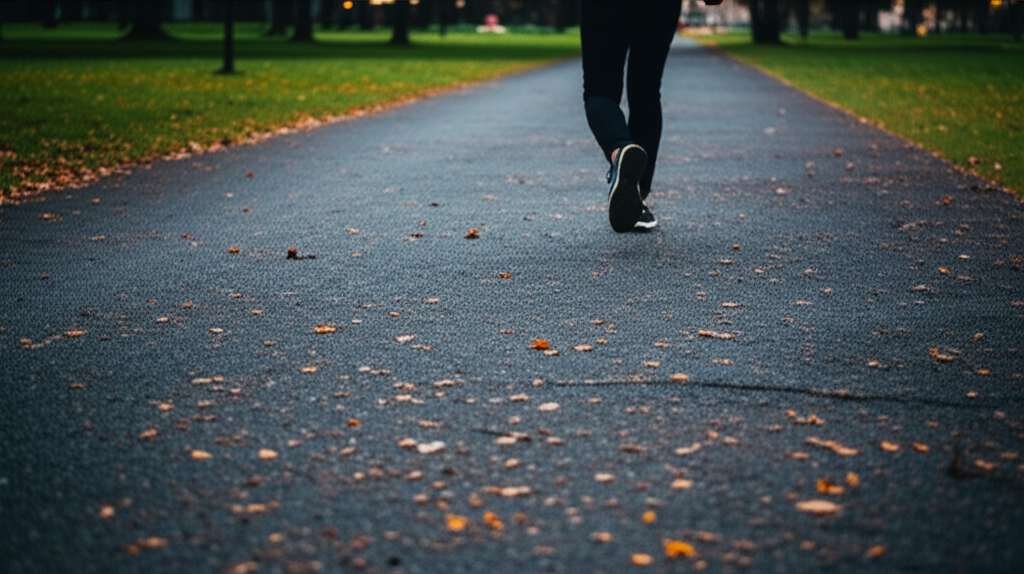
This guide is designed to make weight loss feel less confusing. We’ll break down exactly how walking at night can help you shed pounds, what you need to consider, and how to make it a sustainable habit. Think of me as your friendly coach, here to help you every step of the way!
Can You Lose Weight By Walking At Night? The Science Behind It
The simple answer is a resounding yes! Weight loss boils down to a calorie deficit – burning more calories than you consume. Walking, regardless of the time of day, helps you burn calories. When you walk at night, you’re adding to your daily total, contributing to that essential calorie deficit.
Your body burns calories through a process called metabolism. This is the rate at which your body uses energy to perform basic functions, like breathing and digesting food. When you increase your physical activity, you boost your metabolism, meaning you burn more calories even when you’re resting.
Walking at night also offers some unique benefits that can support your weight loss journey. It’s a fantastic way to unwind after a long day, which can help manage stress. High stress levels can sometimes lead to weight gain, so finding healthy ways to de-stress is important.
The Calories Burned Equation
The number of calories you burn while walking depends on a few factors. These include your body weight, the intensity of your walk (how fast you’re going), and the duration of your walk. A faster pace or a longer duration means more calories burned.
For example, a person weighing around 155 pounds can burn approximately 100 calories by walking at a moderate pace for 30 minutes. If you weigh more, you’ll naturally burn more calories doing the same walk. This shows that even a simple evening stroll can make a difference over time.
To understand this better, let’s look at a general idea of calorie expenditure. Keep in mind these are estimates, and individual results can vary. The U.S. Department of Health and Human Services provides excellent resources on physical activity and calorie expenditure, which you can explore further to see how different activities add up.
| Activity (30 minutes) | Calories Burned (approx. for 155 lb person) |
|---|---|
| Brisk Walking (3.5 mph) | 149 calories |
| Moderate Walking (2.5 mph) | 105 calories |
| Leisurely Walking (1.5 mph) | 74 calories |
As you can see, even a leisurely walk contributes to your calorie burn. The key is to find a pace you can sustain and enjoy!
Metabolism Boost: Nighttime Edition
While walking at night, your body is actively using energy. This physical activity increases your heart rate and respiration, signaling your metabolism to work harder. This isn’t just about the calories burned during the walk; it can also have a small, lingering effect on your metabolism afterward.
Some research suggests that moderate-intensity exercise can lead to a slight increase in your resting metabolic rate for a period after you finish. This means you continue to burn a few extra calories even as you relax or sleep. While this post-exercise calorie burn isn’t a magic bullet for weight loss, every little bit helps when you’re aiming for a deficit.
How to Maximize Weight Loss with Nighttime Walking
Simply walking at night isn’t the whole story. To make it as effective as possible for weight loss, you need to be strategic. This involves consistency, intensity, and pairing your walks with other healthy habits.
1. Be Consistent: The Power of Habit
The most important factor in any weight loss plan is consistency. Walking every night, or most nights, will yield better results than sporadic walks. Aim to make it a part of your routine, just like brushing your teeth.
Start small if you need to. Even 15-20 minutes a few times a week can build the habit. As you get more comfortable, you can gradually increase the duration and frequency. Consistency builds momentum, making it easier to stick with your goals.
2. Increase Intensity (When You’re Ready)
While a leisurely stroll is better than nothing, increasing the intensity of your walks will burn more calories in the same amount of time. This could mean walking faster, incorporating inclines (like hills), or even doing short bursts of jogging if you feel up to it.
Listen to your body. If you’re just starting, focus on building endurance and consistency first. Once you feel comfortable, you can gradually challenge yourself. A good way to gauge intensity is by your breathing – you should be able to talk, but not sing, during a brisk walk.
3. Aim for Duration
The longer you walk, the more calories you burn. If you can commit to 30-60 minutes of walking most evenings, you’ll significantly contribute to your calorie deficit. Breaking this up is also an option – perhaps a shorter walk after dinner and another before bed.
Consider making your walks more engaging to help you stay out longer. Listening to podcasts, audiobooks, or your favorite music can make the time fly by. Exploring new routes can also add an element of adventure.
4. Pair with a Healthy Diet
Weight loss is about 80% diet and 20% exercise. Walking at night is a fantastic addition, but it won’t magically melt pounds if you’re consuming more calories than you burn. Focus on making nutritious food choices.
This means prioritizing whole foods like fruits, vegetables, lean proteins, and whole grains. Limit processed foods, sugary drinks, and excessive unhealthy fats. Even small dietary changes can have a big impact when combined with your walking routine.
5. Hydration is Key
Drinking enough water is crucial for overall health and can also support weight loss. Water helps you feel full, which can prevent overeating. It also plays a vital role in metabolism.
Make sure you’re staying hydrated throughout the day, not just before or after your walk. Carry a water bottle with you and sip regularly.
Safety First: Walking at Night
Walking at night is generally safe, but it’s important to take precautions to ensure your well-being. Your safety should always be your top priority.
Be Visible
If you’re walking in areas with traffic or limited streetlights, wear bright or reflective clothing. This makes it easier for drivers and cyclists to see you, reducing the risk of accidents. Reflective vests or armbands are great investments.
Choose Safe Routes
Stick to well-lit areas that you are familiar with. Avoid walking alone in isolated or poorly lit places. If possible, walk in areas with other people around, even if they are also exercising.
Inform Someone
Let a family member or friend know where you’re going and when you expect to be back. This is a simple safety measure that can provide peace of mind.
Carry Your Phone
Always have your mobile phone with you. It’s essential for communication in case of emergencies and can also be used for navigation or tracking your walk.
Listen to Your Body
If you feel tired, unwell, or unsafe at any point, don’t push yourself. It’s better to cut your walk short and try again another time.
When to Walk: Morning vs. Night
The “best” time to walk for weight loss is often debated. The truth is, the optimal time is the one that works best for you and your schedule. Both morning and night walks have their advantages.
Morning Walks
- Metabolism Kickstart: Walking first thing in the morning can help kickstart your metabolism for the day.
- Mental Clarity: Many people find morning exercise helps them feel more alert and focused throughout the day.
- Less Distraction: Mornings can be quieter, with fewer social or work-related distractions.
- Consistency: Getting it done early means it’s less likely to be skipped due to evening fatigue or unexpected plans.
Night Walks
- Stress Relief: Evening walks are excellent for decompressing after a busy day.
- Appetite Control: Some find that a walk after dinner can help manage late-night cravings.
- Convenience: For those with demanding morning schedules, evenings might be the only available time.
- Improved Sleep: For some, moderate evening exercise can actually promote better sleep quality. However, very intense exercise close to bedtime might interfere with sleep for others.
Ultimately, the most effective strategy is to choose the time that you can consistently stick with. If walking at night fits your lifestyle and helps you burn those extra calories, then it’s a great choice!
The Pros and Cons of Nighttime Walking for Weight Loss
Like any exercise, walking at night comes with its own set of benefits and potential drawbacks. Understanding these can help you make an informed decision and prepare accordingly.
Pros of Walking at Night
- Accessibility: It’s a convenient option for those with busy daytime schedules.
- Stress Reduction: A great way to unwind and de-stress after a long day.
- Calorie Burn: Contributes to your daily calorie expenditure, aiding in weight loss.
- Improved Sleep (for some): Can help regulate sleep patterns and promote relaxation.
- Appetite Management: May help curb late-night snacking or cravings.
Cons of Walking at Night
- Safety Concerns: Reduced visibility and potentially fewer people around can pose risks.
- Weather Dependence: Cooler temperatures or inclement weather can make evening walks less appealing.
- Potential Sleep Disruption (for some): Intense exercise too close to bedtime can affect sleep quality for sensitive individuals.
- Motivation Dip: After a tiring day, finding the motivation to exercise can be challenging.
By being aware of these points, you can implement strategies to mitigate the cons and maximize the pros. For instance, investing in reflective gear addresses safety, and choosing a consistent, moderate pace can help avoid sleep disruption.
Sample Night Walking Plan for Beginners
Ready to start? Here’s a simple, beginner-friendly plan to get you walking at night and on your way to weight loss. Remember, this is a template – feel free to adjust it to fit your life!
Week 1: Building the Habit
- Goal: Walk for 20 minutes, 3-4 times this week.
- Pace: Comfortable, conversational pace.
- Focus: Consistency and making it a routine.
- Safety: Choose well-lit, familiar routes. Wear reflective gear.
Week 2: Increasing Duration
- Goal: Walk for 25 minutes, 4 times this week.
- Pace: Maintain a comfortable pace, gradually increasing speed slightly if you feel good.
- Focus: Extending the time you’re moving.
- Safety: Continue prioritizing safety measures.
Week 3: Adding Intensity
- Goal: Walk for 30 minutes, 4-5 times this week.
- Pace: Aim for a brisk pace where you can still talk but not sing.
- Focus: Burning more calories through increased effort.
- Diet Check-in: Review your eating habits. Are you making healthy choices?
Week 4 and Beyond: Consistency and Variety
- Goal: Aim for 30-45 minutes of walking, 5 times a week.
- Pace: Continue with brisk walking. Introduce some gentle inclines if available.
- Focus: Sustaining the habit and enjoying the benefits.
- Listen to Your Body: Adjust days and duration based on how you feel.
As you progress, you can gradually increase the duration, intensity, or frequency of your walks. Remember to celebrate your successes along the way!
FAQ: Your Night Walking Questions Answered
Here are some common questions beginners have about walking at night for weight loss.
Q1: How many calories can I expect to burn walking at night?
The number of calories burned depends on your weight, pace, and duration. A 155-pound person might burn around 100-150 calories in a 30-minute brisk walk. The key is consistent effort over time.
Q2: Is it safe to walk alone at night?
Safety is crucial. It’s generally recommended to walk in well-lit, familiar areas. If possible, walk with a friend or family member. Always let someone know your route and expected return time, and carry your phone.
Q3: Will walking at night help me sleep better?
For many people, moderate exercise like walking can improve sleep quality by reducing stress and promoting relaxation. However, very intense exercise close to bedtime might disrupt sleep for some individuals. Listen to your body.
Q4: Can I lose weight just by walking at night, or do I need to diet too?
While walking at night helps burn calories, weight loss primarily occurs when you create a calorie deficit. This means burning more calories than you consume. Combining your walks with a healthy, balanced diet is the most effective way to achieve sustainable weight loss.
Q5: What should I wear for a night walk?
Wear comfortable athletic shoes and clothing. For safety, choose bright or reflective clothing so you are visible to others, especially in low-light conditions. A headlamp or reflective vest can also be very helpful.
Q6: What if I get tired or unmotivated to walk at night?
It’s okay to have off days! If you’re feeling tired, try a shorter, more relaxed walk. If motivation is low, try listening to an engaging podcast or music, or walking with a friend. Remember why you started and focus on the long-term benefits.
Q7: Can walking at night help with cravings?
Yes, for some people, a walk can help distract from or reduce cravings, especially for sugary snacks. It can also help manage stress, which is often a trigger for emotional eating.
Conclusion: Step Into a Healthier You
Embarking on a weight loss journey can feel overwhelming, but it doesn’t have to be complicated. Walking at night is a powerful, accessible tool that can significantly contribute to your goals. It’s a fantastic way to burn calories, boost your metabolism, reduce stress, and improve your overall health, all while fitting into a busy schedule.
Remember, consistency is your best friend. By making regular evening walks a habit, staying safe, and pairing your activity with mindful eating, you’re setting yourself up for success. Don’t underestimate the impact of this simple yet effective exercise. Each step you take is a step towards a healthier, happier you.
Start small, listen to your body, and celebrate every milestone. You’ve got this! Your journey to a healthier weight starts with the very next step you take.
As an Amazon Associate, We earn from qualifying purchases. When you purchase a product through Amazon links on pulsefitguide.com, we may earn a small commission at no extra cost to you. This helps support the site and keep our content free.
