


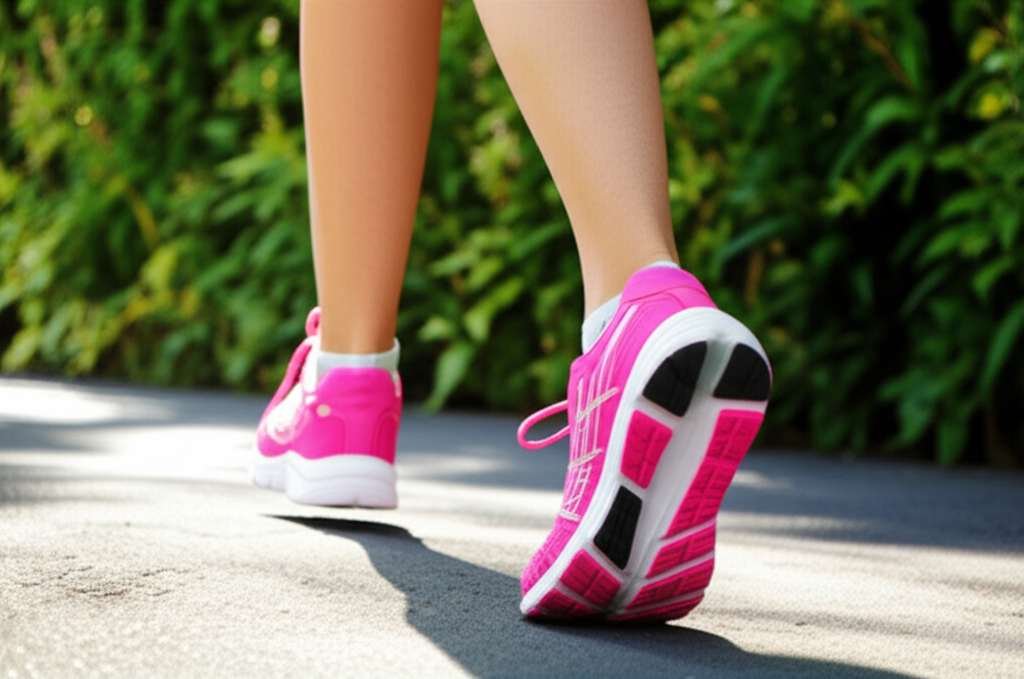
Yes, you can absolutely help lose hip fat by walking! Walking is a fantastic, accessible way to burn calories and build a healthier body. While spot reduction (losing fat in just one area) is a myth, consistent walking contributes to overall fat loss, which will naturally include your hips. This guide breaks down how walking helps and what you need to know to see results.
Feeling frustrated about stubborn fat around your hips? You’re definitely not alone! Many of us wish we could target specific areas for fat loss, but the reality is a bit different.
The good news is that simple, consistent activities like walking can make a big difference. It’s an easy way to get moving and start your fitness journey without feeling overwhelmed.
Let’s explore how walking can help you reach your goals and what you can do to make it most effective. We’ll cover everything you need to know, step-by-step!
Understanding Hip Fat and Weight Loss
It’s common to want to target fat in specific areas, like the hips. However, our bodies don’t work that way. When you lose weight, you lose fat from all over your body, not just from one spot.
This is because fat is stored in different places based on genetics, hormones, and lifestyle. Hip fat, for example, is often influenced by hormones like estrogen, which is why women tend to store more fat in their hips and thighs.
So, while you can’t “spot reduce” hip fat, you can reduce your overall body fat percentage. As your overall body fat decreases, the fat in your hips will also reduce. This is where walking comes in as a powerful tool.
How Walking Helps You Lose Fat
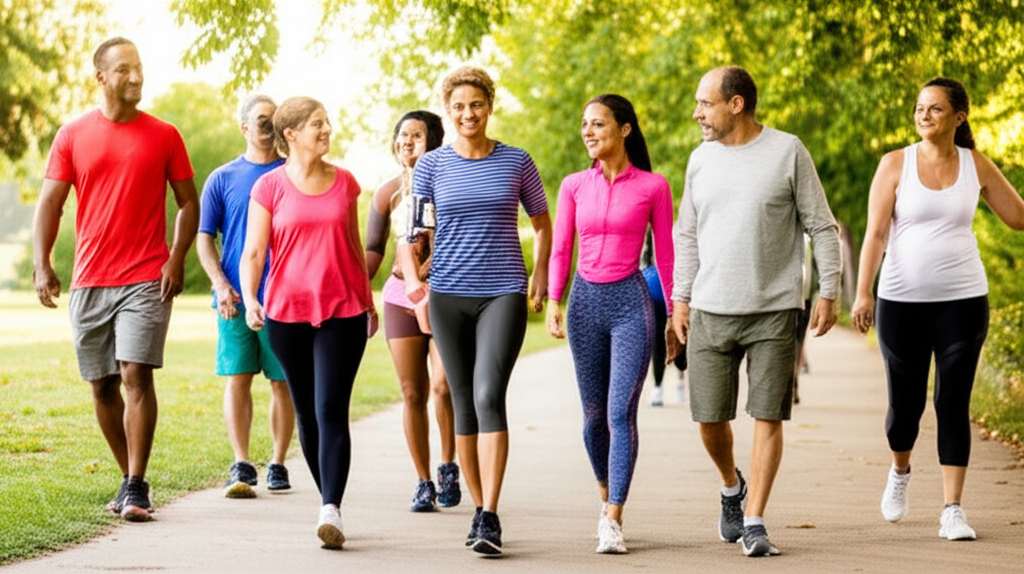
Walking is a form of cardiovascular exercise. When you walk, especially at a brisk pace, your heart rate increases. This gets your body working harder, and in turn, burns calories.
Calories are the energy units your body uses. When you consume more calories than your body uses, the extra energy is stored as fat. To lose fat, you need to create a calorie deficit, meaning you use more calories than you consume.
Walking helps create this deficit by increasing the number of calories you burn each day. The longer and more often you walk, the more calories you’ll burn, leading to overall fat loss.
For a deeper dive into calorie balance and weight loss, the National Institute of Diabetes and Digestive and Kidney Diseases (NIDDK) offers excellent, science-based information on weight management.
Calorie Burn from Walking
The number of calories you burn while walking depends on several factors:
- Your body weight: Heavier individuals generally burn more calories than lighter individuals doing the same activity.
- Walking speed: A faster pace burns more calories per minute.
- Duration of your walk: The longer you walk, the more calories you burn.
- Incline: Walking uphill or on uneven terrain increases the intensity and calorie burn.
Here’s a general idea of calorie burn based on body weight and walking speed. Keep in mind these are estimates:
| Activity | Calories Burned Per Hour (approximate) |
|---|---|
| 30-minute brisk walk (3.5 mph) for a 150 lb person | 140-160 calories |
| 30-minute brisk walk (3.5 mph) for a 180 lb person | 170-190 calories |
| 30-minute very brisk walk (4.0 mph) for a 150 lb person | 180-200 calories |
| 30-minute very brisk walk (4.0 mph) for a 180 lb person | 220-240 calories |
| 1-hour moderate walk (3.0 mph) for a 150 lb person | 200-220 calories |
| 1-hour moderate walk (3.0 mph) for a 180 lb person | 240-260 calories |
As you can see, even moderate walking can contribute significantly to your daily calorie expenditure. Consistency is key!
Making Walking Effective for Fat Loss
To maximize the benefits of walking for fat loss, including around your hips, consider these strategies:
1. Consistency is Your Best Friend
Aim to walk most days of the week. Even short walks add up. The U.S. Department of Health and Human Services recommends at least 150 minutes of moderate-intensity aerobic activity per week, which can be achieved through brisk walking.
For example, you could aim for 30 minutes of brisk walking five days a week. If that’s too much to start, begin with 10-15 minutes and gradually increase the duration.
2. Increase the Intensity
While any walking is good, increasing the intensity will help you burn more calories in less time and improve cardiovascular fitness.
- Brisk Walking: Aim for a pace where you can talk but not sing. This is generally around 3 to 4 miles per hour.
- Incorporate Hills: Find routes with inclines or use treadmills with incline settings. Walking uphill requires more effort and burns more calories.
- Interval Walking: Alternate between periods of faster walking and slower recovery walking. For example, walk briskly for 2 minutes, then walk at a moderate pace for 1 minute, and repeat.
3. Make it a Habit
Integrate walking into your daily routine. This makes it easier to stick with long-term.
- Walk during your lunch break.
- Park further away from your destination.
- Take the stairs instead of the elevator.
- Walk to nearby errands instead of driving.
- Go for a walk after dinner.
4. Listen to Your Body
It’s important to start gradually and listen to your body. If you’re new to exercise, begin with shorter, less intense walks and slowly build up. This helps prevent injuries and burnout.
If you experience any pain, stop and rest. It’s always a good idea to consult with a healthcare provider before starting any new exercise program, especially if you have underlying health conditions.
The Role of Nutrition in Fat Loss
While walking is fantastic for burning calories and improving health, nutrition plays an equally, if not more, crucial role in fat loss. You can’t out-walk a bad diet.
To lose fat, you need to consume fewer calories than your body uses. This means focusing on a balanced diet rich in whole foods.
Key Nutritional Strategies for Fat Loss:
- Prioritize Whole Foods: Focus on fruits, vegetables, lean proteins, and whole grains. These foods are nutrient-dense and help you feel full.
- Control Portion Sizes: Be mindful of how much you’re eating, even healthy foods.
- Stay Hydrated: Drinking plenty of water can help with metabolism and satiety. Sometimes thirst can be mistaken for hunger.
- Limit Processed Foods and Sugary Drinks: These often contain empty calories and can hinder fat loss.
Combining a healthy diet with regular walking creates a powerful synergy for overall fat loss, which will naturally affect areas like your hips.
Beyond Walking: Building a Stronger Body
While walking is excellent for burning calories, incorporating strength training can further boost your metabolism and help shape your body. Building muscle mass increases your resting metabolic rate, meaning you burn more calories even when you’re not exercising.
You don’t need a gym to do strength training. Bodyweight exercises are incredibly effective and can be done anywhere. Here are a few examples that can help strengthen your lower body and core, contributing to a more toned appearance:
Beginner-Friendly Strength Exercises:
- Squats: Stand with your feet shoulder-width apart, then lower your hips as if sitting in a chair, keeping your chest up and back straight.
- Lunges: Step forward with one leg and lower your hips until both knees are bent at a 90-degree angle. Push off your front foot to return to the starting position. Alternate legs.
- Glute Bridges: Lie on your back with your knees bent and feet flat on the floor. Lift your hips off the ground, squeezing your glutes at the top.
- Plank: Hold a push-up position on your forearms and toes, keeping your body in a straight line from head to heels.
Aim to incorporate these exercises 2-3 times a week on days you don’t walk, or after your walk. You can find many helpful videos online demonstrating proper form. For instance, the Mayo Clinic provides great resources on incorporating exercise into a weight loss plan.
Putting It All Together: Your Walking Plan
Ready to create a walking plan? Here’s a simple, step-by-step approach:
Step 1: Assess Your Current Activity Level
Be honest about how much you’re currently walking or exercising. This will help you set realistic goals.
Step 2: Set Realistic Goals
Start small. If you’re inactive, aim for 10-15 minutes of walking 3 times a week. Gradually increase duration and frequency.
Step 3: Choose Your Walking Time
Find a time that works best for you. Morning walks can be energizing, while evening walks can help you unwind.
Step 4: Plan Your Route
Find safe and enjoyable places to walk. Parks, quiet streets, or even a treadmill can work.
Step 5: Increase Intensity Gradually
Once you’re comfortable with the duration, start picking up your pace or adding inclines.
Step 6: Track Your Progress
Note down your walks: duration, distance, and how you felt. This helps you stay motivated and see how far you’ve come.
Step 7: Combine with Healthy Eating
Remember that diet is crucial. Focus on nutrient-rich foods and portion control.
Step 8: Consider Strength Training
Add 2-3 strength training sessions per week to boost metabolism.
Here’s a sample weekly schedule for a beginner:
| Day | Activity | Notes |
|---|---|---|
| Monday | 30-minute brisk walk | Focus on steady pace |
| Tuesday | Rest or Light Activity | Stretching or a very gentle stroll |
| Wednesday | 30-minute walk with some inclines | Find a hilly route or use treadmill incline |
| Thursday | Bodyweight Strength Training | Squats, lunges, glute bridges, plank |
| Friday | 30-minute brisk walk | Try interval walking (2 min fast, 1 min moderate) |
| Saturday | Rest or Light Activity | Enjoy a leisurely walk or other enjoyable movement |
| Sunday | 30-minute moderate walk | Focus on enjoyment and relaxation |
This is just a template. Adjust it based on your schedule, fitness level, and preferences. The most important thing is to find a plan you can stick with!
Frequently Asked Questions (FAQ)
Q1: Can I really lose fat from my hips just by walking?
While you can’t target fat loss in specific areas like your hips (this is called spot reduction), walking helps you lose overall body fat. As your total body fat decreases, the fat in your hips will also reduce. Consistency is key!
Q2: How often should I walk to see results?
Aim for at least 150 minutes of moderate-intensity walking per week, which breaks down to about 30 minutes, five days a week. More frequent or longer walks will help you burn more calories.
Q3: What’s the best pace for walking to lose fat?
A brisk pace is best. This means walking fast enough that you can talk but not easily sing. This pace typically burns more calories and improves cardiovascular health.
Q4: Do I need to walk for a long time to burn fat?
While longer walks burn more calories, even shorter walks contribute to your daily calorie deficit. Starting with 15-20 minutes and gradually increasing the duration is a great way to begin.
Q5: Is walking enough, or do I need to do other exercises too?
Walking is excellent for fat loss and cardiovascular health. However, combining it with strength training can further boost your metabolism and help tone your body, leading to better overall results.
Q6: How does diet affect hip fat loss when walking?
Diet is extremely important! You need to create a calorie deficit to lose fat. While walking burns calories, controlling your calorie intake through a healthy diet is essential for seeing significant fat loss, including in your hips.
Q7: Will walking make my hips bigger?
Walking itself will not make your hips bigger. If you gain muscle in your glutes and thighs from strength training, this can add a little size but will also help create a more toned and firm appearance as you lose fat.
Conclusion
So, can you lose hip fat by walking? Absolutely! While walking won’t magically melt fat from just your hips, it’s a powerful, accessible, and sustainable way to contribute to overall fat loss. By consistently incorporating brisk walks into your routine and combining it with a healthy diet and perhaps some strength training, you’ll be well on your way to achieving a healthier body composition.
Remember, every step counts. Start where you are, be patient with yourself, and celebrate your progress along the way. You’ve got this!
As an Amazon Associate, We earn from qualifying purchases. When you purchase a product through Amazon links on pulsefitguide.com, we may earn a small commission at no extra cost to you. This helps support the site and keep our content free.
