


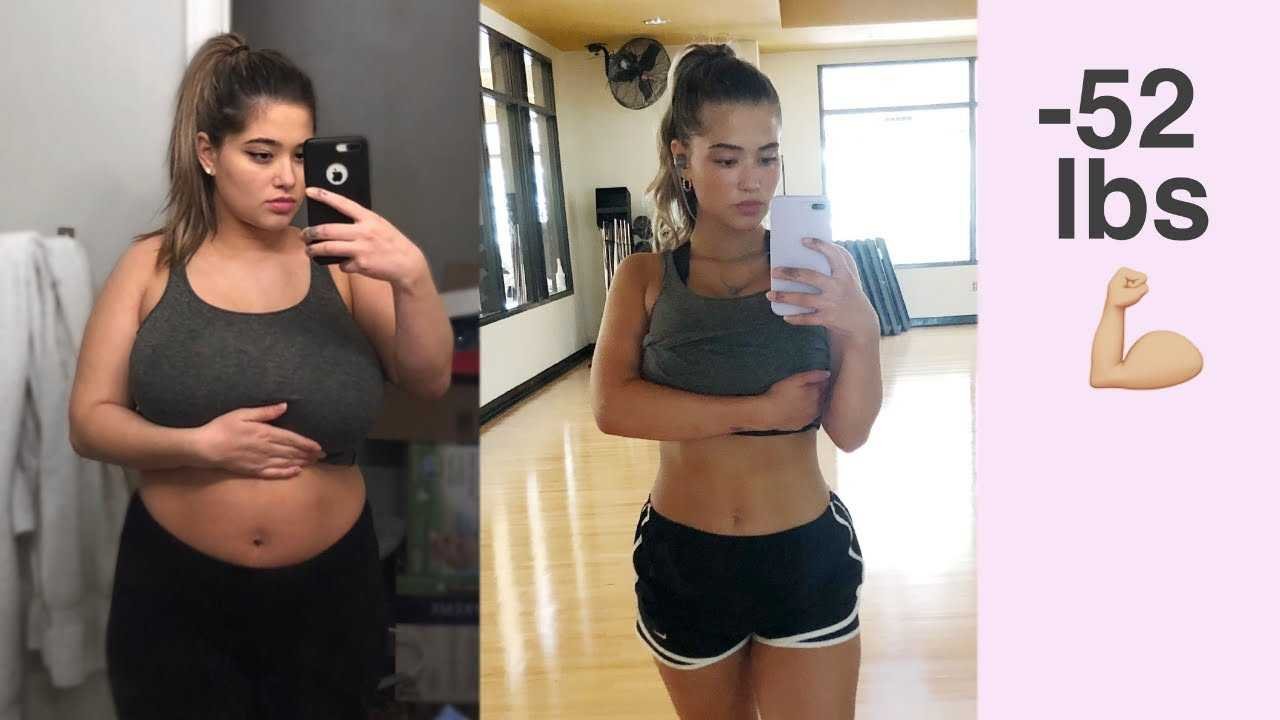
Losing 50 pounds in just four months may sound like a dream, but with the right plan, it’s achievable! The secret lies in a combination of disciplined eating, consistent exercise, and maintaining a positive mindset. Stay committed to your goals, track your progress, and make sustainable lifestyle changes to see the weight melt away faster than you imagined.
To lose 50 pounds in four months, focus on creating a calorie deficit through healthy eating and regular physical activity. Incorporate whole foods, limit processed sugars, and stay active daily. Keep motivated, monitor your progress, and seek support when needed to reach your target safely and effectively.
Dropping such a significant amount of weight in a short span requires dedication and strategic planning. Start by setting realistic, measurable goals, and build a routine that combines nutritious eating with a mix of cardio and strength training. Stay consistent, listen to your body, and celebrate small victories along the way to keep your motivation high. Remember, patience and persistence are key to transforming your body and health in just four months.

How to lose 50 pounds in 4 months?
Understanding Weight Loss Goals and Realistic Expectations
Losing 50 pounds in four months is an ambitious goal but can be achievable with dedication. It requires losing about 12 to 13 pounds each month, which means a weekly weight loss of around 3 pounds. Keep in mind that sustainable weight loss depends on healthy habits rather than quick fixes.
Most health experts recommend a weight loss rate of 1 to 2 pounds per week for safe and lasting results. Achieving 50 pounds in four months pushes this limit but is possible with proper planning and discipline. It’s crucial to stay motivated, set small milestones, and celebrate progress along the way.
Calculating Calorie Needs and Creating a Deficit
To lose weight, you need to burn more calories than you consume. This process is called creating a calorie deficit. First, determine your daily caloric maintenance level, which is how many calories your body needs to keep your current weight.
Once you know this number, subtract about 500 to 1000 calories daily to promote steady weight loss. For example, if your maintenance calories are 2500, aim for 1500 to 2000 calories per day. Use a calorie tracking app or journal to stay accountable and avoid overeating.
Developing a Balanced and Nutritious Diet Plan
A diet plan for rapid weight loss should focus on nutritious foods that fuel your body while creating a calorie deficit. Include plenty of vegetables, lean proteins, whole grains, and healthy fats.
Avoid processed foods, sugary drinks, and high-calorie snacks. Instead, prioritize foods that are filling, nutrient-dense, and low in calories to help you stay full longer. Consider meal prepping to control portion sizes and prevent unhealthy choices.
Sample Meal Ideas
- Breakfast: Scrambled eggs with spinach and a slice of whole-grain toast
- Lunch: Grilled chicken salad with mixed greens, cucumbers, and a vinaigrette
- Dinner: Baked salmon with steamed broccoli and quinoa
- Snacks: Fresh fruit, a handful of nuts, or Greek yogurt
Incorporating Regular Exercise for Faster Results
Exercise plays a vital role in reaching your weight loss goal at a quicker pace. Combining cardio exercises with strength training boosts calorie burn and preserves muscle mass. Aim for at least 150 minutes of moderate aerobic activity weekly, such as walking, cycling, or swimming.
Add strength training sessions two to three times a week to build muscle, which increases metabolism. Remember, consistency and variation keep workouts effective and prevent boredom.
Sample Weekly Workout Plan
- Monday: Brisk walk or jog for 45 minutes
- Tuesday: Strength training focusing on major muscle groups
- Wednesday: Rest or gentle yoga
- Thursday: Cycling or swimming for 40 minutes
- Friday: Full-body strength workout
- Saturday: Outdoor activity like hiking or sports
- Sunday: Rest or light stretching
Hydration and Sleep’s Role in Weight Loss
Consuming enough water helps your body function properly and suppresses hunger cues. Aim for at least 8 glasses of water daily, and more if you exercise intensely. Proper hydration supports metabolism and reduces water retention, aiding weight loss.
Adequate sleep is equally important. Poor sleep can lead to increased appetite and cravings, making weight loss harder. Strive for 7 to 9 hours of quality sleep per night to promote hormonal balance and recovery.
Tracking Progress and Staying Motivated
Regularly tracking your weight, body measurements, and fitness improvements keeps you focused and motivated. Use a journal, app, or photos to visualize progress beyond the scale. Set small, achievable goals each week to mark your achievements.
Share your journey with friends, family, or support groups to stay accountable. Remember, setbacks happen, but persistence and positive thinking help you overcome challenges.
Addressing Challenges and Staying Consistent
Weight loss journeys often have hurdles like cravings, busy schedules, or plateaus. Prepare for cravings by having healthy snacks available and practicing moderation. Time management skills can help you fit workouts into your busy day.
If progress stalls, reassess your calorie intake and physical activity levels. Sometimes, slight adjustments are needed. Patience is critical; consistency over time yields the best results.
The Importance of Lifestyle Changes
Beyond diet and exercise, adopting healthier habits significantly impacts weight loss success. Reduce stress through mindfulness or hobbies, as stress can trigger emotional eating. Avoid alcohol and smoking, which hinder metabolic health and can increase appetite.
Build supportive routines that encourage healthy behaviors, such as meal prepping or scheduling workout times. These lifestyle changes make weight management sustainable long-term.
Additional Tips for Accelerating Weight Loss
- Eat smaller, more frequent meals to prevent overeating
- Increase physical activity during daily routines, such as taking stairs instead of elevators
- Limit screen time to encourage more movement
- Use measuring cups and scales to control portion sizes accurately
- Stay positive and patient, recognizing progress is cumulative
Monitoring Your Results and Making Adjustments
Evaluate your progress every week to stay on track and adjust your plan as needed. If you’re not losing weight as expected, consider reducing calorie intake further or increasing exercise slightly. Consult with healthcare professionals if unsure or experiencing difficulties.
Remember, weight loss is a gradual process that benefits from patience and consistency. Staying motivated by focusing on your health and well-being keeps you committed to your goal.
Related Topics to Explore
- Healthy meal prep ideas for weight loss
- Best exercises for fat burning
- How to maintain weight loss after reaching your goal
- Dealing with emotional eating and stress management
- Supplements and vitamins that support weight loss
Achieving a 50-pound weight loss in four months takes dedication to a balanced diet, consistent exercise, proper hydration, and enough sleep. Focus on building habits that promote health and wellness. Staying committed, setting realistic goals, and regularly tracking your progress increase your chances of success. Remember, each small step counts toward reaching that big goal.
NEED TO LOSE 50 Pounds or More?? (Severe Obesity Fix) 2024
Frequently Asked Questions
What dietary changes can help accelerate weight loss over four months?
To lose 50 pounds in four months, focus on reducing your calorie intake by choosing nutrient-dense, low-calorie foods such as vegetables, lean proteins, and whole grains. Limit processed foods, sugary beverages, and high-fat snacks. Incorporate portion control and meal planning to avoid overeating. Consistent meal timing and mindful eating habits also support your weight loss efforts.
How can incorporating physical activity enhance weight loss results?
Engaging in regular exercise boosts calorie burn and speeds up weight loss. Combine cardiovascular activities like brisk walking, running, or cycling with strength training to build muscle and increase metabolism. Aim for at least 150 minutes of moderate-intensity exercise weekly, gradually increasing intensity and duration to meet your four-month goal.
What role does sleep play in losing a significant amount of weight within four months?
Getting enough quality sleep helps regulate hormones that control hunger and satiety, such as ghrelin and leptin. Poor sleep can increase cravings and lead to overeating. Strive for 7-9 hours of restful sleep each night to support your metabolism and maintain the energy needed for physical activity and healthy eating habits.
How can tracking progress impact my weight loss journey?
Monitoring your food intake, exercise routines, and weight changes keeps you accountable and reveals what strategies work best for you. Use a journal or mobile app to record daily habits, identify patterns, and make necessary adjustments. Regular tracking helps sustain motivation and allows for timely modifications to stay on course.
What mindset strategies can help maintain motivation during a four-month weight loss plan?
Set realistic, achievable goals and celebrate small milestones to keep motivation high. Focus on overall health and well-being rather than just numbers on the scale. Surround yourself with supportive friends or join groups with similar objectives. Developing a positive attitude and visualizing success can help you stay committed throughout your journey.
Final Thoughts
To lose 50 pounds in 4 months, focus on a balanced diet and regular exercise. Keep track of your calories and choose nutrient-dense foods. Incorporate cardio and strength training into your routine consistently.
Stay motivated and set realistic milestones to monitor your progress. Drink plenty of water and prioritize sleep to support weight loss. Consistency and determination are key.
How to lose 50 pounds in 4 months? Stay disciplined, follow a sustainable plan, and stay committed. Achieving this goal requires effort, but with focus, it’s entirely possible.
As an Amazon Associate, We earn from qualifying purchases. When you purchase a product through Amazon links on pulsefitguide.com, we may earn a small commission at no extra cost to you. This helps support the site and keep our content free.
