


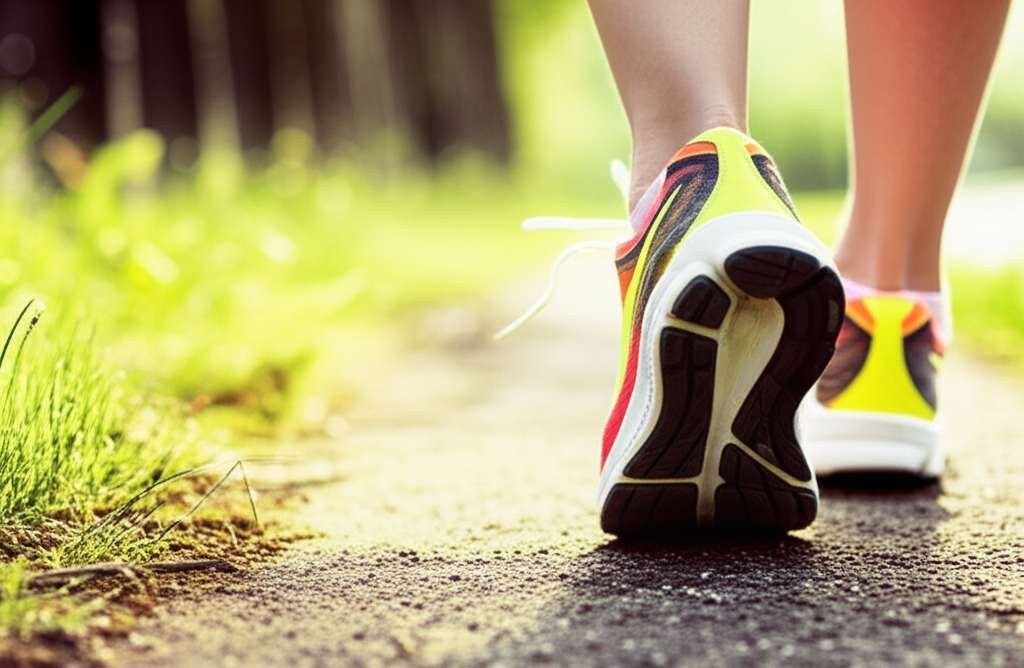
Yes, you can absolutely lose weight by walking 3 miles consistently! It’s a practical, accessible, and effective way to burn calories, improve your health, and see amazing results without needing fancy equipment or intense workouts. Consistency is key to unlocking these benefits.
Figuring out how to lose weight can feel like a puzzle with too many pieces. You see complicated diets and grueling gym routines everywhere, and it’s easy to get overwhelmed. But what if a simple, enjoyable activity could make a real difference?
Walking is a fantastic starting point for anyone looking to get healthier and shed a few pounds. It’s gentle on your body, easy to fit into your day, and you don’t need to be an athlete to start. In fact, a regular 3-mile walk can lead to surprising results.
Let’s break down exactly how walking 3 miles can help you reach your weight loss goals and what you can expect. We’ll cover everything you need to know to get started and stay motivated.
Can I Lose Weight By Walking 3 Miles? The Science Behind It
The simple answer is yes! Walking 3 miles regularly can definitely help you lose weight. It all comes down to a fundamental principle of weight loss: burning more calories than you consume. This is often referred to as being in a calorie deficit.
When you walk, your body uses energy, which comes from the calories you eat. The longer and more vigorously you walk, the more calories you burn. Walking 3 miles is a substantial enough distance to create a noticeable calorie burn, especially when done consistently.
The exact number of calories you burn depends on a few factors, including your body weight, walking speed, and the terrain. However, for most people, walking 3 miles can burn anywhere from 200 to 400 calories. This might not sound like a lot at first glance, but when you add it up over days and weeks, it becomes significant.
To lose one pound of fat, you generally need to create a deficit of about 3,500 calories. If you walk 3 miles most days of the week, you can easily contribute to this deficit, helping you lose weight gradually and sustainably. This approach is often more effective long-term than quick fixes.
How Many Calories Do You Burn Walking 3 Miles?
Estimating calorie burn is important for understanding your progress. While it’s not an exact science, we can get a good idea. A common way to estimate is by using formulas or online calculators that consider your weight and the distance covered. Generally, a 155-pound person burns around 250-300 calories walking 3 miles at a moderate pace.
Here’s a general idea based on body weight. Keep in mind these are estimates, and your actual burn might vary:
| Body Weight | Calories Burned (approx. per 3 miles, moderate pace) |
|---|---|
| 125 lbs | 200-250 calories |
| 155 lbs | 250-300 calories |
| 185 lbs | 300-350 calories |
| 210 lbs | 350-400 calories |
The faster you walk, the more calories you’ll burn. If you incorporate hills or uneven terrain, you’ll also increase your calorie expenditure. This is why walking can be such a flexible tool for weight management.
The Importance of Consistency for Weight Loss
The “amazing results” come not from a single 3-mile walk, but from making it a regular habit. Your body needs consistent signals to adapt and change. Sporadic walks might not be enough to create a sustained calorie deficit needed for significant weight loss.
Aiming for 3 miles, 4-5 times a week is a great starting point. This frequency allows your body to recover while still providing enough stimulus for weight loss and fitness improvements. It also helps build momentum and makes it easier to stick with the routine.
Think of it like this: a 3-mile walk burns a certain amount of calories. If you do that 5 times a week, you’re burning significantly more calories than if you only did it once. This consistent effort is what leads to noticeable changes over time.
What Kind of Results Can You Expect?
When you commit to walking 3 miles regularly, you can expect a range of positive outcomes, both in terms of weight loss and overall health. These results often go beyond just the number on the scale.
Weight Loss Progress
As we discussed, consistent walking contributes to a calorie deficit, which is the primary driver of fat loss. If you maintain a 3-mile walk 4-5 times a week and keep your eating habits balanced, you can expect to lose anywhere from 0.5 to 1.5 pounds per week. This is considered a healthy and sustainable rate of weight loss.
For example, losing 1 pound per week requires a deficit of 3,500 calories. If your 3-mile walks burn an average of 300 calories each, and you walk 5 times a week, that’s 1,500 calories burned from walking alone. Combined with mindful eating, this can easily lead to significant weight loss over a few months.
It’s important to remember that weight loss isn’t always linear. You might see faster progress initially, then plateaus. This is normal! The key is to stay consistent with your walking and healthy habits.
Improved Cardiovascular Health
Walking is a fantastic aerobic exercise. It strengthens your heart and lungs, improving your overall cardiovascular fitness. Regular walking can help lower blood pressure, reduce the risk of heart disease, and improve cholesterol levels. These health benefits are just as important as weight loss.
According to the Centers for Disease Control and Prevention (CDC), adults should aim for at least 150 minutes of moderate-intensity aerobic activity per week. A 3-mile walk, depending on your pace, can easily fulfill a good portion of this recommendation.
Increased Energy Levels and Mood Boost
It might sound counterintuitive, but expending energy through walking actually gives you more energy! Regular physical activity boosts circulation and delivers more oxygen to your brain and muscles. This can combat feelings of fatigue and make you feel more alert and energized throughout the day.
Walking also releases endorphins, which are natural mood boosters. Many people find that their daily walk helps reduce stress, anxiety, and symptoms of depression. It’s a powerful tool for mental well-being, which is a crucial part of a healthy lifestyle.
Better Sleep Quality
Getting enough quality sleep is vital for weight management and overall health. Regular physical activity, like walking, can help you fall asleep faster and enjoy deeper, more restful sleep. Just try not to do your longest walks too close to bedtime, as some people find it can be stimulating.
Strengthened Muscles and Bones
While walking is low-impact, it still engages many of your muscles, particularly in your legs, glutes, and core. Over time, this can lead to stronger muscles. Additionally, weight-bearing exercises like walking help to strengthen your bones and can reduce the risk of osteoporosis.
How to Maximize Your 3-Mile Walks for Weight Loss
To get the most out of your 3-mile walks and ensure you see those amazing results, consider these tips. They’ll help you burn more calories, stay motivated, and make your walks more effective for weight loss.
1. Increase Your Walking Pace
The faster you walk, the more calories you burn in the same amount of time or distance. Aim for a pace where you can talk but not sing – this is considered moderate intensity. If you can easily hold a full conversation, you might want to pick up the pace a bit.
You can also incorporate intervals. For example, walk briskly for 2 minutes, then at a more relaxed pace for 1 minute, and repeat. This can significantly boost your calorie burn and improve your cardiovascular fitness.
2. Add Inclines and Hills
Walking uphill or on varied terrain requires more effort and engages more muscles. This increases your calorie expenditure and can help build strength in your legs and glutes. Look for routes with gentle slopes or incorporate them into your regular path.
Even a slight incline on a treadmill can make a difference. Start with a small incline (1-2%) and gradually increase it as you get fitter.
3. Incorporate Strength Training
While walking is great for cardio, adding some strength training can significantly boost your weight loss efforts. Building muscle mass increases your resting metabolic rate, meaning you burn more calories even when you’re not exercising. Aim for 2-3 strength training sessions per week, focusing on major muscle groups.
You can do this at home with bodyweight exercises like squats, lunges, push-ups, and planks. Or, if you have access to a gym, use weights or resistance machines. Even light weights can make a big difference.
4. Stay Hydrated
Drinking enough water is crucial for overall health and can support your weight loss journey. Water helps with metabolism, can make you feel fuller, and is essential for your body to function optimally during exercise. Carry a water bottle with you, especially on warmer days.
A good general guideline is to drink about 8 cups (64 ounces) of water per day, but you’ll need more when you’re exercising. Listen to your body and drink when you feel thirsty.
5. Pay Attention to Your Diet
Weight loss is about 80% diet and 20% exercise. While walking 3 miles will burn calories, it’s essential to pair it with a healthy, balanced diet. You can’t out-walk a bad diet. Focus on whole foods, lean proteins, plenty of fruits and vegetables, and healthy fats.
Be mindful of portion sizes and try to limit processed foods, sugary drinks, and excessive unhealthy fats. Even a few extra calories consumed can offset the calories you burned walking. Understanding basic nutrition is key to seeing those “amazing results.”
6. Track Your Progress
Keeping track of your walks and other progress markers can be incredibly motivating. Use a fitness tracker, a smartphone app, or a simple journal to record your distance, time, pace, and how you felt. You can also track your weight, measurements, or how your clothes fit.
Seeing how far you’ve come can provide the encouragement you need to keep going when motivation wanes. It helps you understand what’s working and where you can make adjustments.
7. Invest in Good Footwear
Comfortable and supportive shoes are essential for walking. Proper footwear can prevent blisters, foot pain, and injuries, making it easier for you to stick to your walking routine. Go to a reputable shoe store and get fitted for walking shoes that suit your foot type and gait.
Investing in good shoes is an investment in your health and your ability to consistently walk those 3 miles. It’s a small detail that can make a huge difference in your comfort and adherence.
Making Walking a Sustainable Habit
The biggest challenge for many people isn’t starting an exercise routine, but sticking with it. Here’s how to make walking 3 miles a lasting part of your lifestyle.
Set Realistic Goals
Don’t aim to walk 3 miles every single day from the start if you’re currently inactive. Begin with shorter distances and gradually increase. Perhaps start with 1 mile, then 1.5, and build up to 3 miles over a few weeks. Celebrate small victories along the way.
For example, if you’re new to exercise, aim for 3 miles 3 times a week for the first two weeks. Once that feels comfortable, increase to 4 times a week, then gradually increase the distance if you wish, or focus on increasing your pace.
Find a Walking Buddy
Exercising with a friend can make the time fly by and provides accountability. You can encourage each other, share your progress, and make it a social outing rather than just a chore. Choose someone whose pace and commitment align with yours.
Vary Your Routes
Walking the same path every day can become monotonous. Explore different parks, neighborhoods, or trails. This keeps things interesting and provides new scenery, making your walks more enjoyable.
Listen to Music, Podcasts, or Audiobooks
These can be great distractions and make your walk more engaging. Choose content that motivates you, educates you, or simply entertains you. Just be sure to stay aware of your surroundings, especially if you’re walking in an area with traffic or other potential hazards.
Make it Convenient
Schedule your walks like any other important appointment. Find a time of day that works best for you, whether it’s first thing in the morning, during your lunch break, or after dinner. Remove any barriers that might prevent you from going.
If you find it hard to get out, consider walking during your commute if possible, or even walking laps around your house or garden if the weather is bad. The goal is to integrate it seamlessly into your day.
Walking 3 Miles: What to Expect in the First Few Weeks
When you first start walking 3 miles regularly, you might notice a few immediate changes, and some that take a little longer to appear. It’s a journey, and understanding what to expect can help you stay motivated.
Week 1-2: Building the Habit
In the initial weeks, your focus will be on building the habit and getting your body used to the activity. You might feel a bit sore or tired, especially if you’re new to regular exercise. You’ll likely notice an increase in your daily energy levels and perhaps a slight improvement in your mood.
Your body is adapting to the new physical demand. Don’t be discouraged if the scale doesn’t move much yet; your body is likely getting stronger and more efficient.
Week 3-4: Noticing Changes
By week 3 or 4, you should start to feel more comfortable with the 3-mile distance. You might find your pace naturally quickens, or you feel less winded. You may begin to notice subtle changes in your body shape, such as clothes fitting a bit looser.
Your endurance will likely improve, and you’ll feel more confident in your ability to complete the walk. You might also notice improvements in your sleep quality and a more consistent energy flow throughout the day.
Month 2 Onwards: Sustainable Results
After a month or two of consistent walking, you should start seeing more significant weight loss and noticeable improvements in your overall fitness. Your cardiovascular health will be better, and you might experience greater mental clarity and reduced stress.
This is when the “amazing results” truly start to become apparent. Remember that weight loss is a marathon, not a sprint. The consistency of your 3-mile walks, combined with healthy eating, will lead to lasting changes.
Frequently Asked Questions About Walking 3 Miles for Weight Loss
Q1: How many calories does walking 3 miles burn?
A1: The number of calories burned walking 3 miles varies depending on your weight, speed, and the terrain. On average, a person can burn between 200 to 400 calories per 3-mile walk. Heavier individuals and those who walk faster will burn more calories.
Q2: How often should I walk 3 miles to lose weight?
A2: For noticeable weight loss, aim to walk 3 miles at least 4-5 times per week. Consistency is more important than doing it every single day. Allow for rest days to help your body recover and prevent burnout.
Q3: Will walking 3 miles alone be enough to lose weight?
A3: Walking 3 miles regularly is a great tool for weight loss, but it’s most effective when combined with a balanced, healthy diet. Weight loss is primarily achieved through a calorie deficit, which is influenced by both your calorie intake and expenditure. Focusing on nutrition alongside your walking will significantly enhance your results.
Q4: What is the best time of day to walk for weight loss?
A4: The “best” time is whenever you can consistently do it! Some people prefer morning walks to boost their metabolism and energy for the day, while others find evening walks help them de-stress. Experiment to see what fits best into your schedule and makes you most likely to stick with it.
Q5: Can I lose weight if I walk 3 miles but eat whatever I want?
A5: It’s very difficult to lose weight if you eat whatever you want, even with regular walking. The calories burned during a 3-mile walk can easily be offset by consuming high-calorie foods or large portions. Sustainable weight loss requires a mindful approach to both diet and exercise.
Q6: How long will it take to see results from walking 3 miles?
A6: You might start feeling improvements in energy and mood within the first week or two. Noticeable physical changes, like clothes fitting looser or seeing a change on the scale, can often be seen within 3-4 weeks of consistent walking and healthy eating. Significant weight loss takes months of dedication.
Q7: What if I can’t walk 3 miles at once?
A7: That’s perfectly fine! Start with what you can manage. You can break up your walking throughout the day. For example, two 1.5-mile walks or three 1-mile walks can add up to 3 miles and still provide great benefits. The key is to build up gradually and find a routine that works for you.
Conclusion
So, can you lose weight by walking 3 miles? Absolutely! The evidence is clear: consistent walking is a powerful, accessible, and enjoyable way to burn calories, improve your health, and achieve your weight loss goals. The “amazing results” are within reach when you commit to this simple yet effective form of exercise.
Remember, it’s not just about the miles; it’s about the consistency. By incorporating 3-mile walks into your routine 4-5 times a week, and by paying attention to your nutrition, you’re setting yourself up for success. You’ll likely see improvements in your physical health, increased energy levels, better sleep, and a more positive mood – benefits that go far beyond the number on the scale.
Start where you are, be patient with yourself, and celebrate every step of your journey. With a little dedication and the power of walking, you can transform your health and well-being. Lace up those shoes, hit the pavement, and start discovering your amazing results today!
As an Amazon Associate, We earn from qualifying purchases. When you purchase a product through Amazon links on pulsefitguide.com, we may earn a small commission at no extra cost to you. This helps support the site and keep our content free.
